
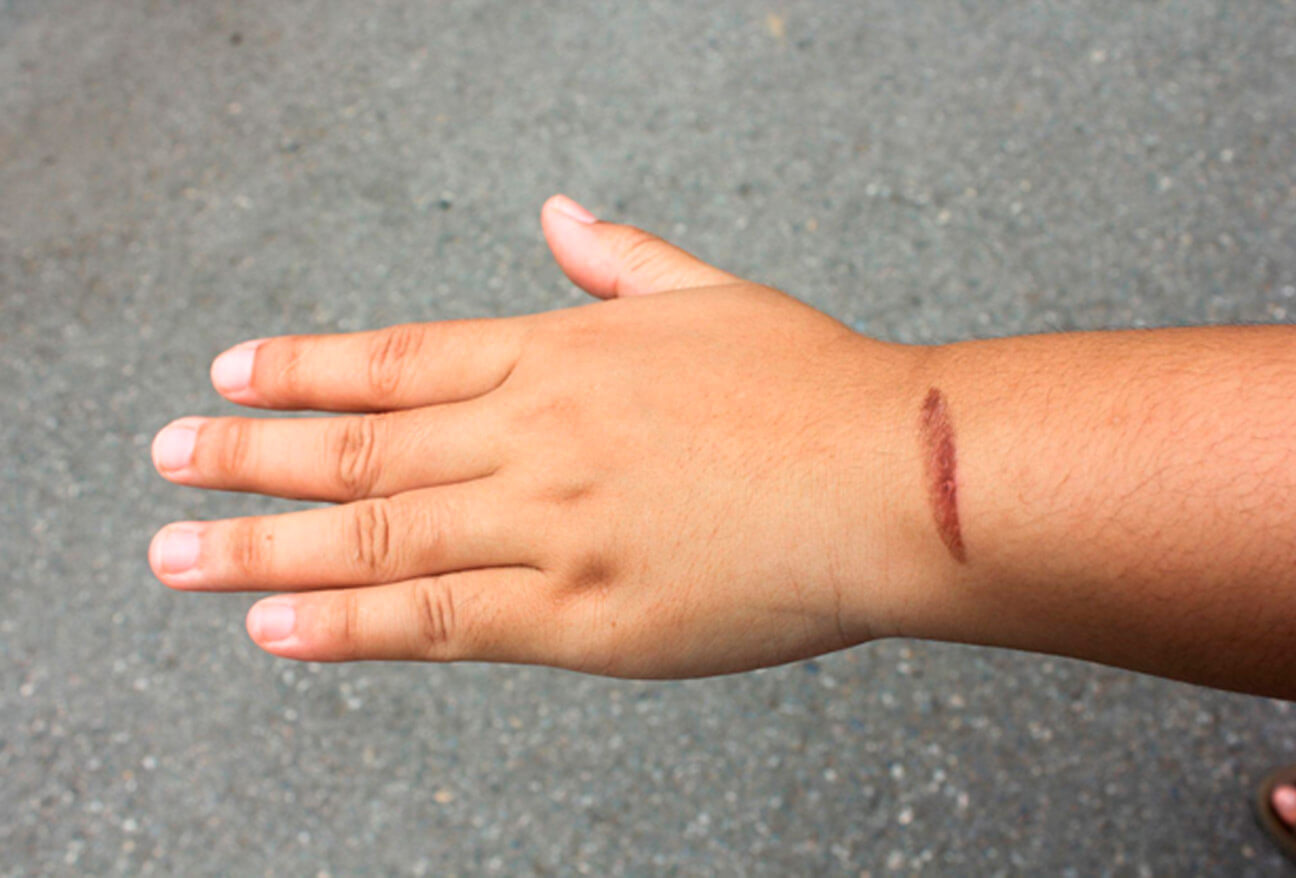
Burn marks. The term conjures immediate images of acrid smoke, charred surfaces, and the unmistakable scent of something gone terribly wrong. But as with many things in life, the reality of burn marks is far more nuanced. While the visual is often stark and undeniably damaged, understanding what burn marks look like can extend beyond a simple description of char. It can involve recognizing subtle color variations, textural changes, and even the underlying cause that dictates their appearance. For those in fields ranging from forensic science and historical artifact restoration to industrial maintenance and even culinary arts, a deep understanding of burn mark morphology is not just academic; it’s crucial for diagnosis, repair, and prevention.

This article will delve into the visual characteristics of burn marks, exploring how different materials and heat sources influence their appearance. We’ll also touch upon how this understanding intersects with various domains, particularly those that might seem distant from fire – technology, branding, and even finance. After all, “burn marks” can be metaphorical, representing setbacks, reputational damage, or financial losses that leave a lasting imprint, much like their physical counterparts.
Understanding the Spectrum of Thermal Damage: From Faint Discoloration to Complete Incineration
The visual spectrum of a burn mark is incredibly broad, dictated by a complex interplay of factors including the material affected, the temperature of the heat source, the duration of exposure, and the presence or absence of oxygen. To truly understand what burn marks look like, we must move beyond a singular definition of charring.
Faint Discoloration and Heat Tinting: The Subtle Signs of Stress
Before a material visibly scorches, it often undergoes a period of heat exposure that results in subtle changes. These are the earliest indicators of thermal stress and can be easily overlooked by the untrained eye.
Heat Tinting on Metals:
On polished or finished metal surfaces, even moderate heat can cause distinct color changes. This phenomenon, known as heat tinting, is a result of oxidation. As the metal heats up, a thin layer of metal oxide forms on the surface. The thickness of this oxide layer determines the color observed due to light interference.
- Straw Yellow: This is typically the earliest stage, indicating relatively low temperatures.
- Brown and Purple: As temperatures rise, the oxide layer thickens, leading to brown and then purple hues.
- Light Blue to Dark Blue: Further increases in temperature will result in blues, with darker blues appearing at higher heat levels.
- Gray and Black: At the highest temperatures, the oxide layer becomes thick and opaque, leading to gray and eventually black discoloration, which can be the precursor to surface damage.
These heat tints are not necessarily damage in themselves, but they are visual cues that the metal has been subjected to heat. In applications where precise surface finishes are critical, such as in the aerospace industry or for sensitive electronic components, understanding heat tinting is vital for quality control and troubleshooting. A component showing unexpected heat tints might indicate a thermal management issue or a manufacturing defect that could lead to failure down the line.
Discoloration on Plastics and Polymers:
While plastics are generally more prone to melting or degrading than discoloring uniformly, some can exhibit faint yellowing or browning at the edges or where heat was concentrated. This is often due to the breakdown of polymers at specific molecular bonds. The specific color and pattern will depend heavily on the type of plastic. For example, PVC might release chlorine and discolor differently than a polyethylene-based material.
Fabric and Paper Browning:
Textiles and paper, when exposed to moderate heat, will often turn a pale yellow or light brown. This is a sign of carbonization beginning at the molecular level, though the structural integrity of the material might remain largely intact. This is why old documents or photographs, if stored improperly near heat sources, can develop yellowed edges.
Charring and Carbonization: The Classic Burn Mark
When temperatures exceed the threshold for simple discoloration, visible charring and carbonization occur. This is the classic burn mark most people associate with fire.
The Blackening and Textural Change:
At this stage, organic materials begin to decompose and transform into carbon. This process creates a dark, often black, residue. The texture of the burned area also changes dramatically.
- Powdery Char: In some materials, like wood or certain fabrics, the char can be powdery and easily rubbed off, revealing the underlying material that is still intact but discolored.
- Crusty or Brittle Char: In other cases, the char can form a hard, brittle crust that adheres to the underlying material. This crust is highly carbonized and offers little to no structural support. Think of a burnt piece of toast or a charred piece of wood.
- Ash Formation: With more intense or prolonged burning, the carbonized material can further oxidize and break down into ash, a fine, powdery residue that is the final stage of combustion for many organic materials.
Material-Specific Charring:
The appearance of charring is highly material-dependent.
- Wood: Charred wood typically becomes black and can be brittle. The grain of the wood might still be visible beneath the char, providing clues about the original structure. The depth of the char can indicate the intensity and duration of the heat.
- Fabric: Burnt fabric often becomes brittle and may disintegrate easily. The color will range from dark brown to black. Synthetic fabrics might melt and fuse rather than char uniformly, creating a glassy or gummy residue in addition to burnt areas.
- Paper: Burned paper turns black and becomes very fragile, easily turning to ash. The edges of the burn mark on paper can sometimes be sharp if the heat was concentrated, or more diffuse if it was a general heat exposure.
- Plastics: As mentioned, plastics often melt and deform before charring significantly. The resulting burn mark can be a hardened, blackened blob of fused plastic, often with a shiny, glassy appearance due to the molten state it experienced.
Melting and Fusion: Burns in Non-Organic Materials
While we often associate burning with organic decomposition, certain materials, particularly metals and some plastics, can exhibit “burn marks” that are a result of extreme heat causing melting and fusion rather than charring.
Molten Metal Residue:
When metals are subjected to temperatures exceeding their melting point, they will liquefy. If a heat source is removed, the molten metal cools and solidifies, leaving behind hardened, often irregular shapes. These can be considered a form of “burn mark.” The surface of this solidified metal might be rough, pitted, or have flow patterns from the molten state. Different metals will have distinct solidification appearances.
Fused Plastics and Composites:
As noted with plastics, extreme heat can cause them to melt and flow. When they cool, they can form hardened, often glossy or semi-glossy, blackened masses. In composite materials, the heat might cause the binder to melt or degrade, leaving the filler material exposed or fused in a deformed state. These are not char marks but rather evidence of high-temperature thermal deformation.
The “Burn Marks” We Don’t See: Metaphorical Damage Across Industries
The concept of “burn marks” extends far beyond the physical. In various professional spheres, particularly those touched by technology, branding, and finance, the term is used metaphorically to describe significant setbacks, damaging events, or lasting negative consequences that leave an indelible, albeit invisible, mark.
1. Technological “Burn Marks”: System Failures and Security Breaches
In the realm of technology, “burn marks” can refer to critical system failures, data breaches, or widespread software bugs that have a lasting negative impact.
Impact of Data Breaches:
A significant data breach can leave a company with profound “burn marks” on its reputation and customer trust. The visible signs might be news headlines, regulatory investigations, and a decline in stock prices. The underlying “burn mark” is the loss of customer confidence, the cost of remediation, and the ongoing effort to rebuild a secure digital infrastructure. The technological implications include the need for enhanced cybersecurity protocols, forensic analysis of how the breach occurred, and potentially significant investment in new security tools and talent. For users, a company that has experienced a major breach might be permanently “burned” in their minds, leading them to seek alternatives for their digital services.
Systemic Failures and Obsolescence:
When a technology system fails catastrophically, it leaves a “burn mark” on the organization that relied on it. This can range from server outages that cripple business operations to poorly designed software that leads to widespread user frustration and abandonment. The visual manifestation might be downtime notifications, error messages, or a mass exodus of users. The underlying “burn mark” is the loss of productivity, the cost of replacement or repair, and the reputational damage that comes from being perceived as unreliable or technologically incompetent. The decision to adopt new technologies, or to continue with legacy systems, can be heavily influenced by past “burns.”
AI and Algorithm “Burn Marks”: Bias and Unintended Consequences:
As Artificial Intelligence becomes more integrated into our lives, the “burn marks” it can leave are also evolving. Biased algorithms can perpetuate discrimination in hiring, loan applications, or even criminal justice systems. When these biases are uncovered, they leave a significant reputational “burn mark” on the developers and the deploying organizations. The ethical implications are profound, and the effort to rectify these issues can be costly and complex, often requiring extensive retraining of models and transparent oversight. The visual representation might be negative press, public outcry, and regulatory scrutiny.
2. Branding “Burn Marks”: Reputational Damage and Identity Crises
The world of branding is particularly susceptible to “burn marks.” These are events or actions that severely damage a company’s or individual’s reputation and corporate identity.
Public Relations Disasters:
A poorly handled public relations crisis can inflict lasting “burn marks” on a brand. This could be anything from a product recall due to safety issues, an offensive marketing campaign, or an executive scandal. The visual manifestation might be negative media coverage, boycotts, and a drop in sales. The deeper “burn mark” is the erosion of trust and the difficult, often long-term, effort required to rebuild a positive brand image. Case studies of brands that have successfully navigated such crises often highlight the meticulous and consistent efforts to address the root cause and communicate transparently.
Inconsistent Brand Identity:
A lack of consistent brand messaging or a confusing corporate identity can also act as a subtle “burn mark.” If a brand’s visual elements, tone of voice, and core values are not aligned across all touchpoints, it can lead to a fragmented perception in the minds of consumers. This can manifest as confusion about what the brand stands for, leading to missed marketing opportunities and a weaker market position. The “burn” is a missed connection with the target audience, a lack of brand recall, and potentially a less impactful brand strategy overall.
Personal Branding Setbacks:
For individuals, personal branding “burn marks” can arise from professional missteps, controversial public statements, or a lack of authenticity. Just as a physical burn mark changes the texture and appearance of a surface, a personal branding setback can alter how an individual is perceived by employers, clients, or the wider professional community. This might require a concerted effort to re-establish credibility and demonstrate growth and learning.
3. Financial “Burn Marks”: Market Crashes and Investment Losses
In the financial domain, “burn marks” are often literal, representing significant monetary losses, but they also have deep psychological and strategic implications.
Market Volatility and Investment Losses:
The most obvious financial “burn mark” is a significant investment loss due to market downturns, poor investment decisions, or the failure of a specific asset. The visual representation is the stark decline in portfolio value. The underlying “burn” is the lost capital, the emotional toll on investors, and the re-evaluation of financial strategies. For businesses, a major financial loss can impact future investment, borrowing capacity, and overall solvency.
Business Finance Setbacks:
For companies, “burn marks” can appear as excessive debt, poor cash flow management, or unsuccessful business ventures. These can lead to bankruptcy, divestiture, or a prolonged period of financial struggle. The visual cues might be financial reports showing dwindling profits, news of layoffs, or restructuring announcements. The enduring “burn” is the damaged credit rating, the loss of investor confidence, and the arduous process of financial recovery.
Online Income and Side Hustle Failures:
Even in the world of online income and side hustles, “burn marks” exist. This can manifest as investing time and money into schemes that yield no returns, or building an online presence that fails to monetize. The visual “burn” is the wasted effort and lost funds. The lesson learned, however, can be invaluable, guiding future entrepreneurial endeavors. Understanding the financial realities and potential pitfalls is crucial before diving into new ventures.

Conclusion: Reading the Marks, Learning from the Heat
From the subtle heat tints on metal to the dramatic charring of wood, and even to the invisible but impactful damage inflicted on reputations and finances, understanding what burn marks look like is a lesson in observation, analysis, and consequence. Whether dealing with physical damage or metaphorical setbacks, recognizing the signs of thermal stress, decomposition, or reputational damage is the first step towards mitigation, repair, and prevention.
In the rapidly evolving landscapes of technology, branding, and finance, the concept of “burn marks” serves as a powerful reminder that progress is rarely linear. Mistakes happen, systems fail, and reputations can be tarnished. The key lies not in avoiding all heat, which is often impossible and sometimes even necessary for growth, but in understanding the potential consequences, learning from past experiences, and developing the resilience to emerge stronger, even after being subjected to the heat. By understanding the diverse appearances and implications of burn marks, we equip ourselves to navigate challenges more effectively and to build more robust and sustainable futures, both physically and metaphorically.
aViewFromTheCave is a participant in the Amazon Services LLC Associates Program, an affiliate advertising program designed to provide a means for sites to earn advertising fees by advertising and linking to Amazon.com. Amazon, the Amazon logo, AmazonSupply, and the AmazonSupply logo are trademarks of Amazon.com, Inc. or its affiliates. As an Amazon Associate we earn affiliate commissions from qualifying purchases.