
The question, “What do blind eyes look like?” might conjure images of vacant or unseeing orbs. However, the reality is far more nuanced and, in many instances, visually indistinguishable from sighted eyes. Blindness, a condition characterized by a significant impairment of vision, is not a monolithic state. It encompasses a vast spectrum of causes, severities, and resulting appearances. From a purely aesthetic standpoint, many eyes that are functionally blind appear perfectly normal. The underlying pathology, the reason for the lack of sight, often resides within the intricate structures of the eye, the optic nerve, or the visual processing centers of the brain, none of which are directly and universally visible from the external surface.

However, there are specific conditions and stages of visual impairment where the external appearance of the eye can indeed be affected, offering visual cues to the underlying issue. Understanding these variations requires a journey into the anatomy and common pathologies of the human eye. This exploration will delve into the technological advancements that allow us to understand and, in some cases, even mitigate the visual manifestations of blindness, and how these advancements shape our perception of accessibility and inclusivity in the digital and physical realms.
The Spectrum of Blindness: More Than Meets the Eye
Blindness is a broad term. It’s crucial to differentiate between congenital blindness (present from birth) and acquired blindness (developing later in life). The visual appearance of an eye that has been blind since birth might differ from one that experienced vision loss due to disease or trauma. Furthermore, the degree of vision loss, ranging from legal blindness to complete absence of light perception, also plays a role in whether any external changes are present.
Congenital vs. Acquired Visual Impairments
Congenital conditions can sometimes lead to discernible physical characteristics. For instance, certain genetic disorders that cause congenital blindness might also affect the structure or clarity of the cornea, the transparent outer layer of the eye. Conditions like albinism, which can significantly impair vision due to a lack of pigment, often result in very pale irises that can appear pinkish or reddish due to visible blood vessels. The eyes of individuals with Leber congenital amaurosis, a severe inherited retinal disease, might exhibit subtle optic nerve abnormalities detectable upon ophthalmoscopic examination, though not readily apparent to the naked eye.
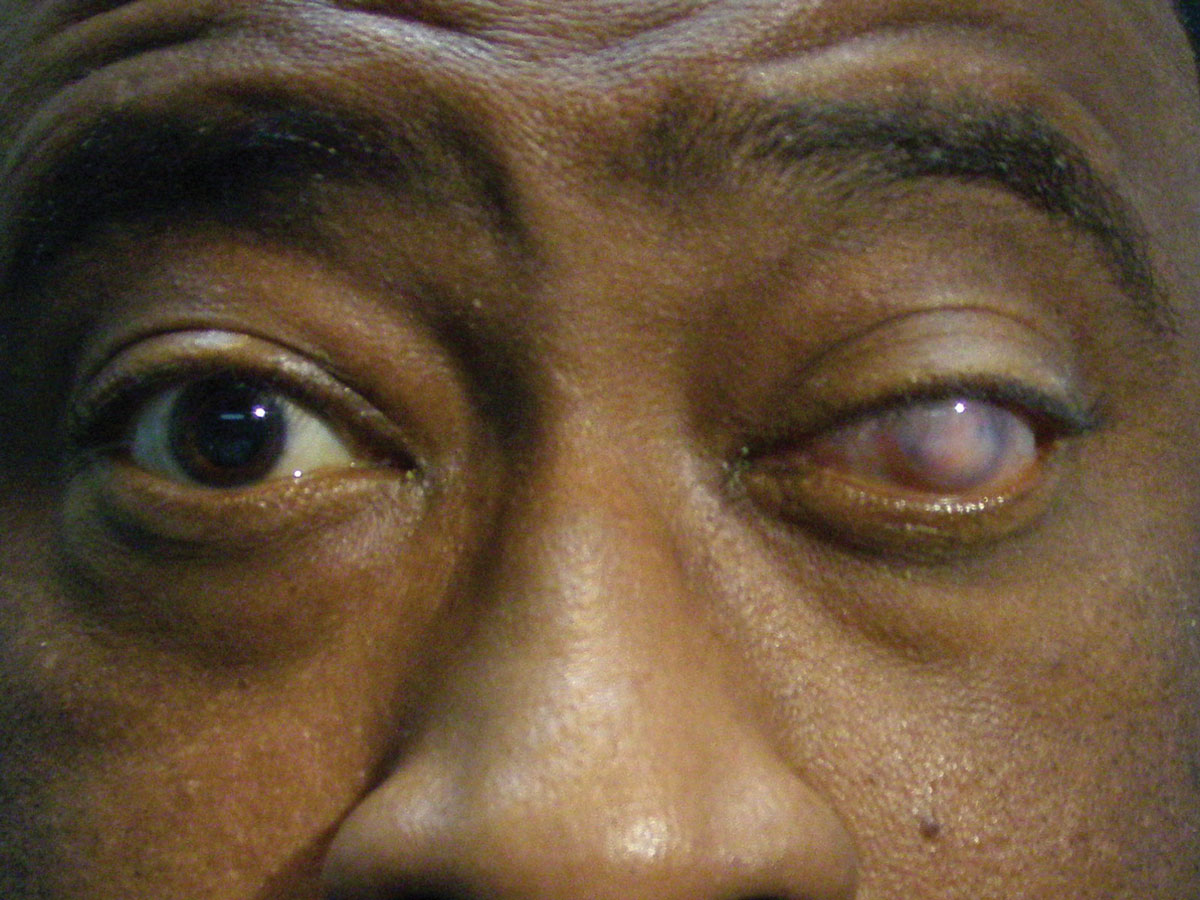
Acquired blindness, on the other hand, is often the result of progressive diseases or sudden events. Conditions like cataracts, where the lens of the eye becomes cloudy, can indeed alter the eye’s appearance. A mature cataract might make the pupil appear milky white or grayish, a stark visual indicator of impaired vision. Glaucoma, a group of eye diseases that damage the optic nerve, often due to high intraocular pressure, might not show external changes in its early stages. However, in advanced, untreated cases, the optic nerve damage can lead to characteristic cupping, and the eyeball itself may enlarge (buphthalmos), making it appear visibly different. Retinal detachments, a condition where the retina pulls away from the back of the eye, can lead to vision loss, but the detached retina is an internal structure and typically not visible externally unless complications arise.
Degrees of Vision Loss and External Manifestations
The severity of vision loss is a critical factor. Individuals with low vision, for example, might still have perfectly normal-looking eyes. Their visual acuity might be significantly reduced, or they may experience blind spots, but there’s no readily observable physical difference. Legal blindness, a classification used for determining eligibility for certain services and benefits, typically involves visual acuity of 20/200 or worse in the better eye with the best possible correction, or a visual field of 20 degrees or less. Many individuals classified as legally blind have eyes that appear outwardly normal.
However, as mentioned, certain conditions associated with severe vision loss can alter appearance. The absence of light perception, the most profound form of blindness, can stem from irreparable damage to the retina, optic nerve, or visual cortex. In cases where the eyeball has been severely damaged, for instance, due to trauma or certain advanced diseases, enucleation (surgical removal of the eye) or evisceration (removal of the internal contents of the eye, leaving the sclera intact) might be necessary. In such instances, prosthetic eyes are often fitted, which are designed to mimic the appearance of the natural eye, including the iris and pupil.
Technological Innovations and Visualizing Blindness
The question of “what do blind eyes look like” is increasingly being answered not just by direct observation but by sophisticated technological tools that allow us to see the unseen. Medical imaging, diagnostic equipment, and even advanced prosthetic technologies are reshaping our understanding and interaction with visual impairment.
Diagnostic Imaging and Ophthalmoscopy
Ophthalmologists employ a range of technologies to examine the internal structures of the eye and diagnose the causes of blindness. Fundus photography, for instance, captures detailed images of the retina and optic nerve, revealing subtle abnormalities invisible to the naked eye. Optical Coherence Tomography (OCT) provides cross-sectional images of the retina, allowing for the precise measurement of retinal thickness and the detection of swelling or fluid accumulation indicative of disease.
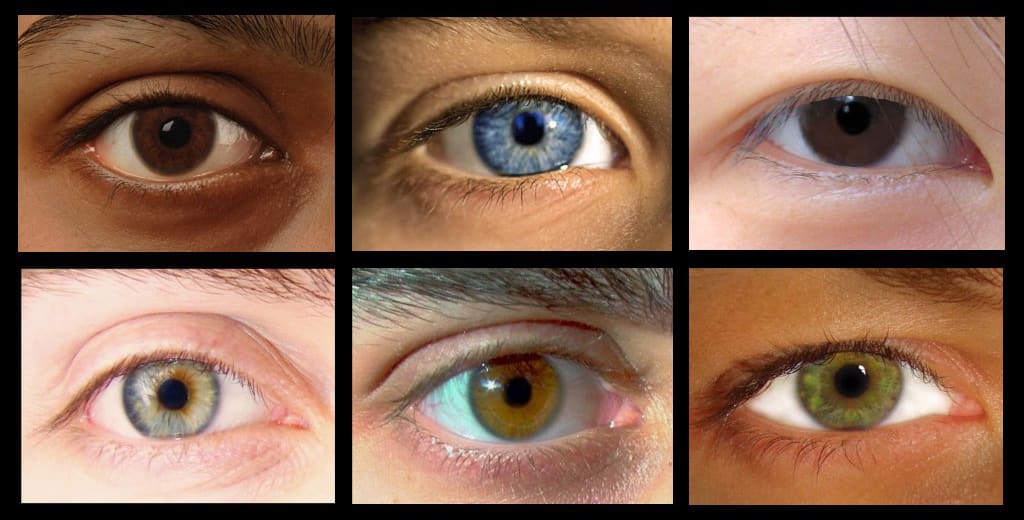
Ophthalmoscopy itself, whether direct or indirect, is a fundamental diagnostic technique. A direct ophthalmoscope provides a magnified, upright view of the retina, while an indirect ophthalmoscope offers a broader, inverted view. These tools enable clinicians to observe the color, clarity, and health of the optic disc, retinal blood vessels, and macula – key indicators of visual health and potential causes of blindness. Advanced imaging techniques like fluorescein angiography can highlight blood flow within the retina, identifying leaks or blockages that can lead to vision loss.
Artificial Intelligence and Predictive Diagnostics
The field of artificial intelligence (AI) is revolutionizing ophthalmology. AI algorithms are being trained on vast datasets of retinal images to detect early signs of diseases like diabetic retinopathy and age-related macular degeneration, often before they cause noticeable vision loss. These systems can identify patterns and subtle anomalies that even experienced clinicians might miss. This predictive capability is crucial for early intervention, potentially preventing blindness or slowing its progression.
AI can also contribute to understanding the visual presentation of blindness by analyzing large cohorts of patient data, correlating specific external appearances with underlying pathologies. This can lead to more accurate and earlier diagnoses, even in resource-limited settings. For example, AI-powered apps are being developed that can analyze images of the eye taken with a smartphone camera to screen for common eye conditions. While not a direct answer to “what do blind eyes look like” in terms of immediate visual perception, AI is providing a deeper, more analytical understanding of the visual landscape of blindness.
Prosthetic Eyes and Visual Restoration Technologies
While not restoring sight, advanced prosthetic eyes are a testament to technological achievement in addressing the aesthetic and social aspects of vision loss. Modern ocular prostheses are custom-made, meticulously crafted to match the size, shape, and color of the healthy eye. They are designed to blend seamlessly, offering a natural appearance. The creation of these prosthetics involves precise measurements, 3D scanning, and skilled artistry, demonstrating how technology can mitigate the visible impact of eye loss, a consequence of certain forms of blindness.
Beyond prosthetics, research into bionic eyes and retinal implants represents the cutting edge of visual restoration. These technologies aim to bypass damaged parts of the visual system and directly stimulate the optic nerve or brain to create a rudimentary form of vision. While still largely experimental and offering limited visual capabilities, these advancements hold the promise of not just altering the appearance of blindness but fundamentally changing the experience of it, a profound intersection of technology and human biology.
The Social and Technological Interface of Blindness
The perception of blindness is intrinsically linked to our understanding of sight and the technological tools we employ to navigate the world. When we ask “what do blind eyes look like,” we are often also implicitly asking about the individual, their capabilities, and how they integrate into a visually-oriented society. Technology plays a pivotal role in bridging these perceptions and fostering inclusivity.
Accessibility in Digital and Physical Spaces
In the digital realm, the concept of accessibility is paramount. Websites, applications, and digital content are increasingly designed with blind and visually impaired users in mind. Screen readers, which translate visual information into spoken words or braille, are a foundational technology enabling navigation of the internet and software. Features like keyboard navigation, sufficient color contrast, and descriptive alt text for images are all technological solutions that acknowledge and accommodate diverse visual needs. The development and refinement of these tools are ongoing, driven by a commitment to digital inclusion.
In the physical world, technologies like GPS navigation apps with audio cues, obstacle detection sensors for mobility aids, and tactile paving at pedestrian crossings are designed to enhance the independence and safety of individuals with blindness. The advent of smart canes, equipped with sensors to detect obstacles above knee level, further exemplifies how technology is not just about seeing but about creating alternative sensory pathways for understanding and interacting with the environment. These technologies address the functional implications of blindness, enabling individuals to participate more fully in society.
Redefining Visual Impairment Through Technology
The discourse surrounding blindness is evolving, partly due to technological advancements. As assistive technologies become more sophisticated and integrated into daily life, the focus shifts from the perceived limitations of blindness to the enabled capabilities of individuals. The ability to access information, communicate, and navigate the world independently, facilitated by technology, challenges traditional, often stigmatizing, perceptions of visual impairment.
Furthermore, the research into bionic eyes and other visual restoration technologies, while still in its nascent stages, is fostering a more optimistic outlook. It suggests a future where blindness may not be an irreversible state but a condition that can be managed, mitigated, or even overcome through scientific and technological innovation. This evolving narrative, shaped by our technological progress, is crucial in fostering a society that is more understanding, empathetic, and inclusive of individuals with visual differences. The “look” of blind eyes, therefore, becomes less a fixed visual descriptor and more a fluid concept, informed by our ever-advancing technological capabilities and our growing commitment to human-centered design and accessibility.
aViewFromTheCave is a participant in the Amazon Services LLC Associates Program, an affiliate advertising program designed to provide a means for sites to earn advertising fees by advertising and linking to Amazon.com. Amazon, the Amazon logo, AmazonSupply, and the AmazonSupply logo are trademarks of Amazon.com, Inc. or its affiliates. As an Amazon Associate we earn affiliate commissions from qualifying purchases.