
The crow, a creature steeped in myth and often depicted in stark black plumage, carries a complex and multifaceted symbolic weight. For centuries, it has appeared in folklore, literature, and art, evoking a range of associations from wisdom and mystery to ill omen and death. For brands seeking to establish a distinct and memorable identity, understanding these ingrained perceptions is crucial. This article delves into the semantic landscape of the black crow, exploring its historical and cultural connotations and, most importantly, how these meanings can be strategically interpreted and applied within the realm of brand identity, marketing, and design.
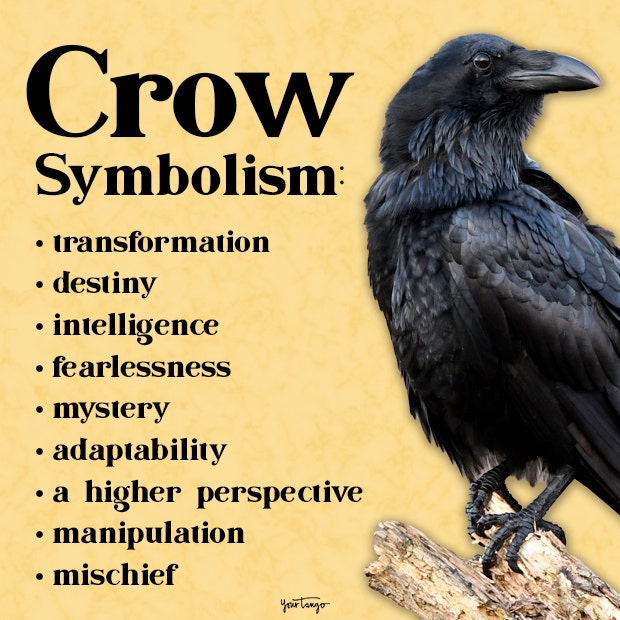
The Dual Nature of the Crow: Omens and Oracles in Brand Perception
The inherent duality of the crow’s symbolism presents brands with a fascinating challenge and opportunity. On one hand, the crow is often associated with darkness, foreboding, and negativity. On the other, it is also a symbol of intelligence, adaptability, and even prophecy. Navigating this spectrum requires a nuanced understanding of how different audiences will perceive these associations, and how a brand can strategically align itself with or deliberately subvert these expectations.
The Shadow Side: Navigating Negative Connotations
Historically, the black crow has been linked to omens of bad luck, death, and the macabre. This is partly due to their scavenging nature, their distinctive croaking sounds, and their association with battlefields where they would feed on the fallen. In a brand context, these associations can be detrimental. A brand that inadvertently evokes these negative connotations risks alienating potential customers and projecting an image of negativity, decay, or unreliability.
- Avoiding Misinterpretation: For most consumer-facing brands, particularly those in sectors like finance, healthcare, or family-oriented products, directly embracing the “omen” aspect of the crow is a high-risk strategy. The immediate association with negativity can override any intended nuance, leading to confusion and aversion. Brands aiming for trust, safety, and positivity should tread with extreme caution or avoid avian imagery that leans towards the dark and ominous. For example, a children’s toy company using a crow mascot would likely face significant backlash due to the inherent association with fear and the macabre.
- Subverting Expectations for Edgy Brands: Conversely, brands in industries that thrive on edginess, rebellion, or the unconventional might find a strategic advantage in playing with the darker symbolism. This requires a sophisticated approach, often accompanied by a strong narrative that reinterprets the crow’s meaning. A gothic fashion label, an alternative music festival, or a craft brewery specializing in dark ales might intentionally use crow imagery to convey a sense of mystery, individuality, or a rejection of mainstream norms. The key here is control over the narrative, ensuring the audience understands the intended meaning rather than defaulting to the traditional negative interpretations.
The Light Within: Embracing Intelligence and Adaptability
Beyond the shadows, the crow possesses a rich symbolic heritage associated with intelligence, problem-solving, and adaptability. Their remarkable cognitive abilities, including tool use and complex social structures, have long fascinated humans. This aspect of the crow’s symbolism offers a powerful narrative for brands seeking to position themselves as innovative, resourceful, and forward-thinking.
- Symbol of Wisdom and Foresight: The crow’s perceived intelligence can be a compelling metaphor for a brand that offers smart solutions, strategic insights, or a visionary approach. Brands in the consulting, education, or technology sectors could leverage this aspect to convey expertise and a deep understanding of their field. A financial advisory firm, for instance, might use a stylized crow to suggest astute decision-making and foresight in investment strategies. This aligns with the idea of the crow as an oracle, capable of seeing what others miss.
- The Adaptable Pioneer: The crow’s ability to thrive in diverse environments and adapt to changing circumstances makes it an excellent symbol for brands that champion innovation, resilience, and forward momentum. Startups, technology companies, and organizations focused on sustainability or future-oriented solutions could find resonance in this symbolism. The crow’s ability to overcome obstacles and find new ways to succeed can be a powerful message for a brand aiming to inspire its audience to embrace change and progress.
Strategic Application of Crow Imagery in Brand Identity
The effective integration of crow imagery into a brand’s identity requires a deliberate and strategic approach. It’s not simply about placing a bird silhouette on a logo; it’s about weaving the symbolic meaning into the very fabric of the brand’s visual and narrative elements.
Visual Design: From Subtle Accents to Bold Statements
The visual representation of the crow is paramount in its interpretation. The style, color palette, and context in which the crow is depicted will heavily influence its perceived meaning.

- Logo Design and Symbolism: When considering a crow for a logo, designers have a spectrum of options. A minimalist, abstract crow might convey sophistication and intelligence, while a more stylized, illustrative crow could evoke a sense of folklore or mystique. The color black, inherently associated with the crow, can be used to project power, elegance, or mystery. However, if the brand aims for a lighter, more approachable image, black might need to be balanced with brighter accent colors. For example, a cybersecurity firm might use a stark black crow silhouette to symbolize vigilance and the unseen threat, while a travel agency looking to evoke exoticism might use a more artistic, colorful depiction of a crow.
- Color Palettes and Mood: The dominant color palette of a brand is a powerful communicator of its personality. If black is the primary color, it can evoke a sense of luxury, sophistication, or seriousness. When paired with metallic accents like silver or gold, it can suggest premium quality and exclusivity. If the brand aims for a more dynamic or intriguing feel, black can be contrasted with vibrant colors like deep blues, purples, or even fiery reds. The surrounding elements in the visual design will further dictate the overall mood and interpretation.
Brand Storytelling and Messaging: Crafting a Coherent Narrative
Beyond the visual, the narrative surrounding the crow within a brand’s messaging is critical for shaping perception. The stories a brand tells, the language it uses, and the values it espouses will all contribute to how its chosen symbolism is understood.
- Reinterpreting Myths and Legends: Many cultures have rich stories involving crows. Brands can draw upon these narratives, selectively highlighting aspects that align with their desired brand persona. For instance, a brand focused on learning and knowledge could reference myths where crows are messengers of the gods or possess secret wisdom. Conversely, a brand emphasizing perseverance might draw on stories of crows adapting to harsh conditions. The key is to adapt these ancient tales to resonate with modern audiences and communicate contemporary brand values.
- Voice and Tone: The voice and tone of a brand’s communication should be consistent with the chosen symbolism. If a brand embraces the intelligent and resourceful aspect of the crow, its messaging might be articulate, insightful, and forward-looking. If it leans into the mysterious and unconventional, its tone might be more enigmatic, playful, or even slightly provocative. For example, a brand that uses a crow to represent innovation might have a tagline like “Seeing possibilities others miss,” echoing the crow’s perceptive nature.
Case Studies: Brands That Have Mastered (or Misunderstood) the Crow
Examining real-world examples can provide invaluable insights into the successes and failures of using crow imagery in branding. These case studies illustrate the critical importance of context, execution, and understanding the target audience.
Successful Integrations: Precision and Purpose
Brands that have effectively incorporated crow symbolism often do so with a clear understanding of their target market and a deliberate alignment of the symbol with their core offerings.
- “The Raven” by Edgar Allan Poe: While not a brand in the traditional sense, Poe’s iconic poem “The Raven” has cemented the crow (often used interchangeably in this context) as a symbol of profound melancholy, loss, and the lingering presence of the past. Brands seeking to evoke a sense of gothic romance, intellectual depth, or profound emotional resonance might subtly reference this imagery. For instance, a high-end perfumer might create a scent named “The Raven,” aiming to capture an air of dark elegance and enduring mystery. The success here lies in targeting an audience that appreciates literary allusions and the sophisticated evocation of complex emotions.
- “Corvus” as a Brand Name: The Latin word for crow, “Corvus,” is often chosen as a brand name by companies aiming for a sophisticated, intelligent, or perhaps even slightly mysterious image. For instance, a wine brand named “Corvus” might aim to evoke the dark, rich colors of its wines and the nuanced flavors, subtly linking to the perceived intelligence and depth associated with the bird. The simplicity and classical undertones of the name allow for a broad range of interpretations, empowering the brand to define its specific meaning through its product and marketing.
Cautionary Tales: When Symbolism Goes Awry
Conversely, misjudging the public perception of crow imagery can lead to significant brand damage. These instances highlight the need for thorough research and sensitivity.
- Unintended Negative Associations: A hypothetical example could involve a startup aiming to be perceived as “disruptive” that chooses a crow as its mascot without fully considering the deeply ingrained negative connotations. If the brand’s product or service is perceived as unreliable, overly aggressive, or associated with negative outcomes, the crow mascot will only serve to amplify these perceptions. This could lead to an immediate disconnect with potential customers who associate the bird with bad luck. The brand would then face an uphill battle to redefine its image, potentially needing to overhaul its entire visual identity.
- Lack of Context and Clarity: A brand that uses crow imagery without a clear rationale or a supporting narrative risks being perceived as arbitrary or even nonsensical. If a brand simply uses a crow for its aesthetic appeal without connecting it to its core values or offerings, the symbolism will likely be lost on the audience, or worse, misinterpreted. For example, a brightly colored, family-friendly café that features a stark black crow in its logo might confuse customers about the café’s atmosphere and target demographic. This lack of coherence dilutes brand messaging and can undermine its effectiveness.

Conclusion: The Art of Strategic Symbolism
The black crow, with its rich tapestry of meanings, offers a potent and versatile symbolic tool for brand strategists. It is a symbol that demands respect and careful consideration, capable of elevating a brand to new heights of recognition and resonance, or inadvertently casting a shadow of doubt and negativity. The key lies in understanding the dual nature of its symbolism – its associations with both foreboding and intellect, darkness and adaptability.
By thoughtfully analyzing the intended message, the target audience, and the cultural context, brands can strategically leverage crow imagery to craft compelling visual identities, weave captivating narratives, and establish memorable brand personalities. Whether embracing its enigmatic allure for an edgy appeal or harnessing its intelligence for a sophisticated positioning, the crow’s enduring presence in our collective consciousness provides a powerful canvas for brand expression. The art of strategic symbolism, therefore, is not merely about choosing an image, but about understanding its profound implications and wielding it with purpose and precision to build a brand that truly resonates.
aViewFromTheCave is a participant in the Amazon Services LLC Associates Program, an affiliate advertising program designed to provide a means for sites to earn advertising fees by advertising and linking to Amazon.com. Amazon, the Amazon logo, AmazonSupply, and the AmazonSupply logo are trademarks of Amazon.com, Inc. or its affiliates. As an Amazon Associate we earn affiliate commissions from qualifying purchases.