
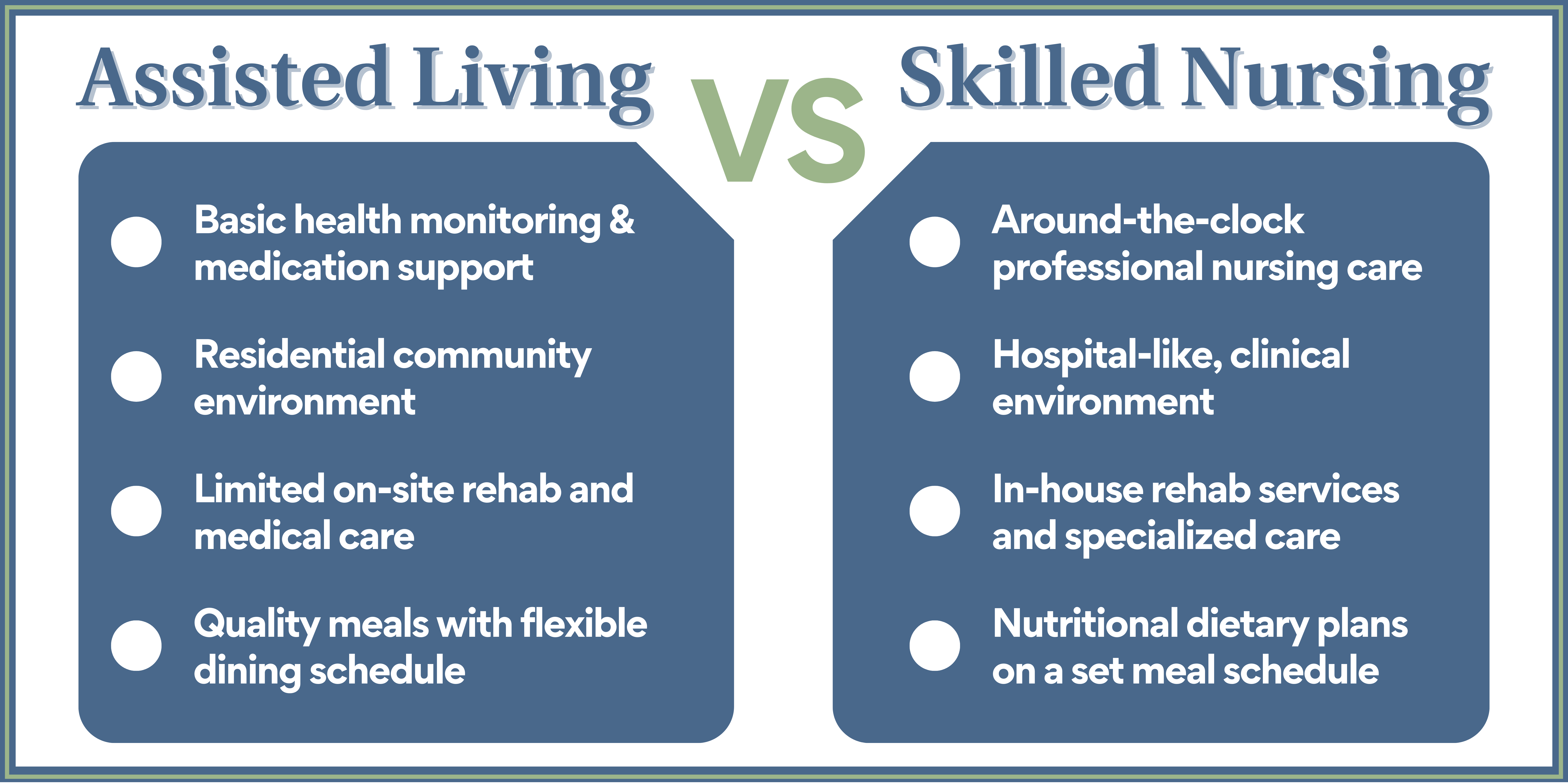
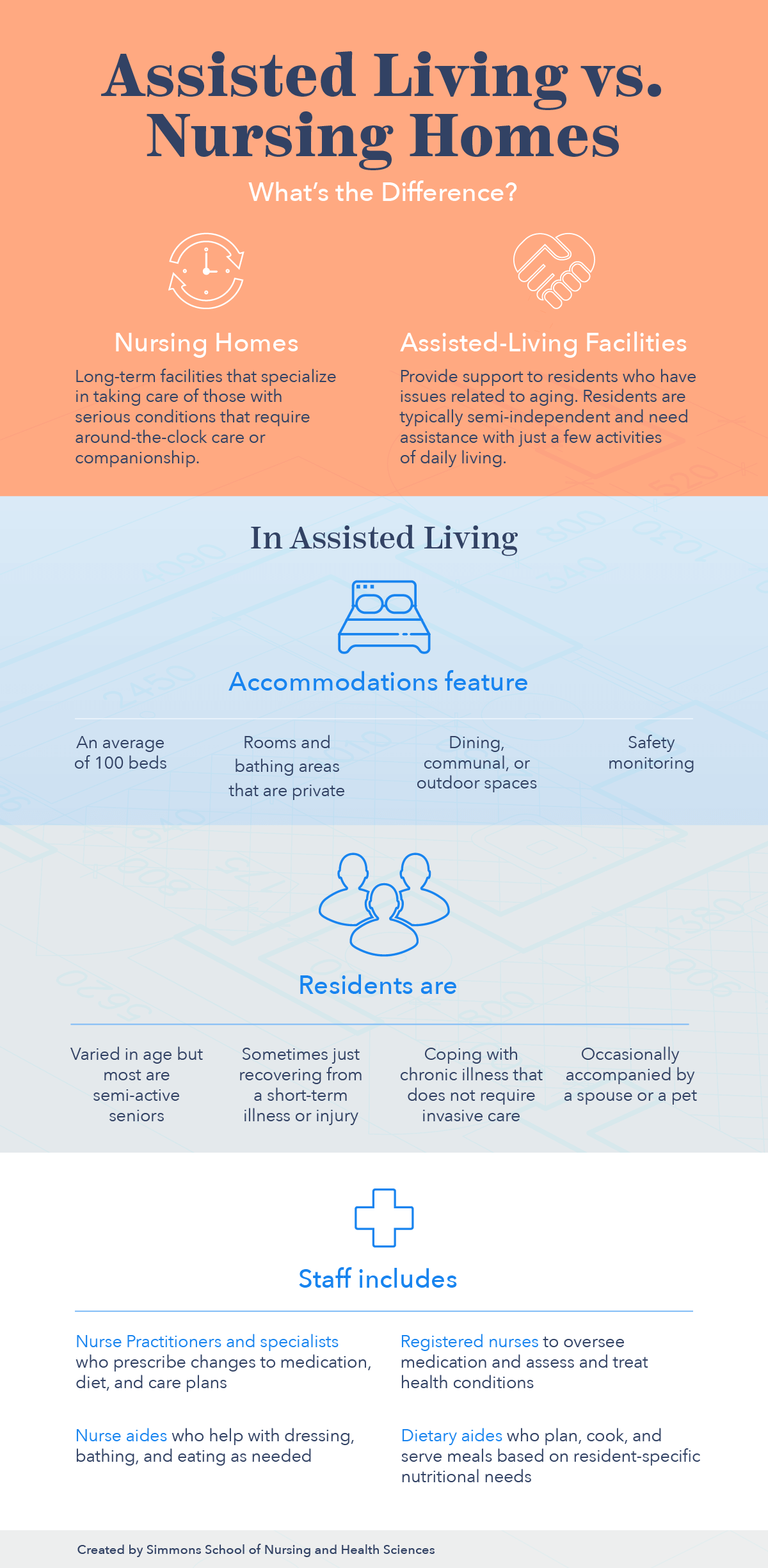
Assisted living facilities offer a spectrum of services and amenities designed to support seniors who can no longer live independently but do not require the intensive medical care of a nursing home. These communities bridge the gap, providing a safe, social, and supportive environment where residents can maintain a higher level of autonomy while receiving personalized assistance with daily tasks. The core offering revolves around fostering a good quality of life, promoting independence, and ensuring peace of mind for both residents and their families.
1. Personalized Care and Support Services
At the heart of assisted living is a commitment to individualized care. Each resident’s needs are assessed upon admission and regularly reviewed, leading to a customized care plan. This plan dictates the level and type of assistance provided, ensuring that residents receive the support they need without being over- or under-served.

1.1 Assistance with Activities of Daily Living (ADLs)
A primary function of assisted living facilities is to help residents with the fundamental tasks that become challenging with age or certain health conditions. These Activities of Daily Living (ADLs) form the bedrock of care provided.
1.1.1 Personal Hygiene and Grooming
Staff members assist residents with bathing, showering, dressing, oral care, and other personal hygiene routines. This support is delivered with dignity and respect, allowing individuals to maintain their cleanliness and feel presentable. For those with limited mobility, specialized equipment and techniques are employed to ensure safety and comfort.
1.1.2 Toileting and Incontinence Care
Assisted living facilities provide discreet and supportive care for toileting needs, including assistance with using the restroom, managing incontinence products, and maintaining skin integrity. This specialized care helps residents maintain their dignity and prevent potential complications associated with incontinence.
1.1.3 Mobility Assistance
For residents who have difficulty walking or moving around, staff can provide assistance with transfers (e.g., from bed to chair), walking with canes or walkers, and ensuring safe navigation within their living space and the facility. This support is crucial for preventing falls and maintaining a degree of independence in movement.
1.1.4 Eating and Mealtime Assistance
While residents generally dine in a communal dining room, some may require assistance with feeding, cutting food, or ensuring they are able to consume their meals safely. Dietary needs and preferences are also taken into account, with meals prepared to meet specific nutritional requirements.
1.2 Medication Management
One of the most significant offerings is robust medication management. This service takes the burden off seniors and their families by ensuring that medications are dispensed correctly, on time, and in the appropriate dosages.
1.2.1 Scheduled Medication Dispensing
Trained staff administer prescribed medications at scheduled intervals, using systems designed to prevent errors. This includes oral medications, injections, and topical treatments.
1.2.2 Medication Monitoring and Refills
The facility monitors residents for any adverse reactions to medications and handles the process of refilling prescriptions with pharmacies, ensuring a continuous supply of necessary treatments. This proactive approach helps to manage chronic conditions effectively and address potential health issues promptly.
1.3 Health Monitoring and Coordination
While not a medical facility, assisted living communities provide a level of health oversight that can catch developing issues early.
1.3.1 Regular Wellness Checks
Staff conduct regular wellness checks to monitor vital signs, assess general well-being, and observe for any changes in a resident’s condition. These checks are often performed during daily interactions and scheduled assessments.
1.3.2 Coordination with Healthcare Providers
Assisted living facilities act as a liaison between residents and their external healthcare providers, including doctors and specialists. They can assist with scheduling appointments, coordinating transportation, and relaying important information about the resident’s health status.
2. A Safe and Secure Living Environment
Beyond direct care, assisted living facilities are designed to offer a secure and comfortable home environment, removing many of the safety concerns associated with living alone.
2.1 Comfortable Living Spaces
Residents typically have their own private apartments or studios, which can be personalized with their belongings to create a familiar and comforting space. These units are designed with senior living in mind, often featuring:
2.1.1 Accessible Design
Living spaces are usually equipped with features to enhance safety and accessibility, such as grab bars in bathrooms, walk-in showers, lever-style door handles, and wide doorways to accommodate mobility aids.
2.1.2 Emergency Response Systems
A critical safety feature is the ubiquitous presence of emergency call systems. These are typically pendants or pull cords within the apartment that residents can use to summon help immediately in case of a fall or medical emergency.
2.2 On-Site Staff and 24/7 Supervision
The constant presence of trained staff provides a significant layer of security and immediate assistance.
2.2.1 Trained Caregivers and Support Staff
Staff members are trained to respond to emergencies, assist with daily needs, and provide companionship. Their 24/7 availability ensures that help is always within reach.
2.2.2 Access Control and Security Measures
Many facilities have controlled access points to ensure that only authorized individuals can enter the premises, further enhancing the safety and security of residents.
2.3 Housekeeping and Maintenance
Assisted living facilities alleviate the burden of household chores, allowing residents to focus on enjoying their lives.
2.3.1 Regular Housekeeping Services
Apartments are typically cleaned on a regular schedule, including vacuuming, dusting, and sanitizing bathrooms and kitchens. This ensures a hygienic living environment.
2.3.2 Maintenance and Repair
Any maintenance or repair needs within the resident’s apartment or common areas are handled by the facility staff, eliminating the need for residents to arrange for these services themselves.
3. Engaging Social and Recreational Opportunities
A significant benefit of assisted living is the opportunity to live in a community with peers, fostering social interaction and combating the isolation that can affect seniors.
3.1 Diverse Social Activities
Facilities offer a wide range of activities designed to cater to various interests and physical abilities, encouraging residents to stay active and engaged.
3.1.1 Group Outings and Excursions
Organized trips to local attractions, shopping centers, restaurants, and cultural events provide residents with opportunities to experience the wider community and enjoy new adventures.
3.1.2 On-Site Events and Entertainment
Within the facility, there are often scheduled events such as movie nights, live music performances, bingo games, craft workshops, and educational lectures.
3.2 Opportunities for Connection and Friendship
The communal living aspect naturally facilitates the formation of new friendships and strengthens existing social bonds.
3.2.1 Dining Room as a Social Hub
The dining room is more than just a place to eat; it’s a central gathering spot where residents can converse, share meals, and build relationships with their neighbors.
3.2.2 Shared Interest Groups and Clubs
Residents can join or form clubs based on shared hobbies, such as book clubs, gardening groups, or card playing circles, providing a sense of belonging and purpose.
3.3 Wellness Programs and Fitness
Promoting physical and mental well-being is a key component of assisted living, with programs tailored to the senior population.
3.3.1 Exercise Classes
Gentle exercise classes, such as chair yoga, Tai Chi, and low-impact aerobics, are often offered to help residents maintain strength, flexibility, and balance.
3.3.2 Nutritional Dining
Meals are typically prepared by chefs and nutritionists, offering balanced and delicious options that cater to diverse dietary needs and preferences. This ensures residents receive the proper nutrients for optimal health.
4. Convenience and Peace of Mind
Ultimately, assisted living facilities offer a comprehensive package of services that brings convenience to residents and profound peace of mind to their families.
4.1 Reduced Burden on Family Members
For adult children and other family caregivers, assisted living can significantly alleviate the physical, emotional, and financial strain of caring for an aging loved one.
4.1.1 Relief from Daily Caregiving Tasks
Families no longer have to worry about the daily responsibilities of bathing, dressing, medication management, or meal preparation.
4.1.2 Assurance of Well-being
Knowing that their loved one is in a safe, supportive, and engaging environment, with professional staff available around the clock, brings immense relief and reduces anxiety.
4.2 Access to Essential Services
The consolidation of living, care, and social activities within one community streamlines access to a range of essential services.
4.2.1 On-Site Amenities and Services
Many facilities offer amenities such as beauty salons, libraries, chapels, and often have visiting healthcare professionals like podiatrists or therapists.
4.2.2 Transportation Services
Assisted living facilities frequently provide transportation for medical appointments, shopping trips, and social outings, further simplifying daily logistics for residents.
4.3 Cost-Effectiveness and Predictability
While an investment, assisted living can offer a more predictable and often more cost-effective solution than managing multiple in-home care services or facing the escalating costs of declining health at home.
4.3.1 Bundled Services
The monthly fee typically includes housing, meals, utilities, housekeeping, maintenance, social activities, and a defined level of personal care. This bundled approach makes budgeting simpler.
4.3.2 Scalability of Care
As a resident’s needs evolve, the level of care can be adjusted within the facility, avoiding the complex and costly process of moving to a higher level of care in a different setting.
In conclusion, assisted living facilities offer a holistic approach to senior care, focusing on preserving dignity, fostering independence, and enhancing the overall quality of life. They provide a secure and supportive community where residents can thrive, enjoying their golden years with comfort, companionship, and comprehensive assistance.
aViewFromTheCave is a participant in the Amazon Services LLC Associates Program, an affiliate advertising program designed to provide a means for sites to earn advertising fees by advertising and linking to Amazon.com. Amazon, the Amazon logo, AmazonSupply, and the AmazonSupply logo are trademarks of Amazon.com, Inc. or its affiliates. As an Amazon Associate we earn affiliate commissions from qualifying purchases.