
Securing an apartment often feels like a competitive sprint, but behind the scenes, landlords and property managers engage in a meticulous financial vetting process to ensure prospective tenants are not only reliable but also financially stable. An apartment background check is fundamentally a risk assessment, designed to protect the property owner’s investment and the financial viability of their rental operation. Understanding what these checks scrutinize can empower you to prepare effectively, address potential concerns proactively, and present yourself as a financially sound applicant.
The Financial Foundation: Credit History and Score
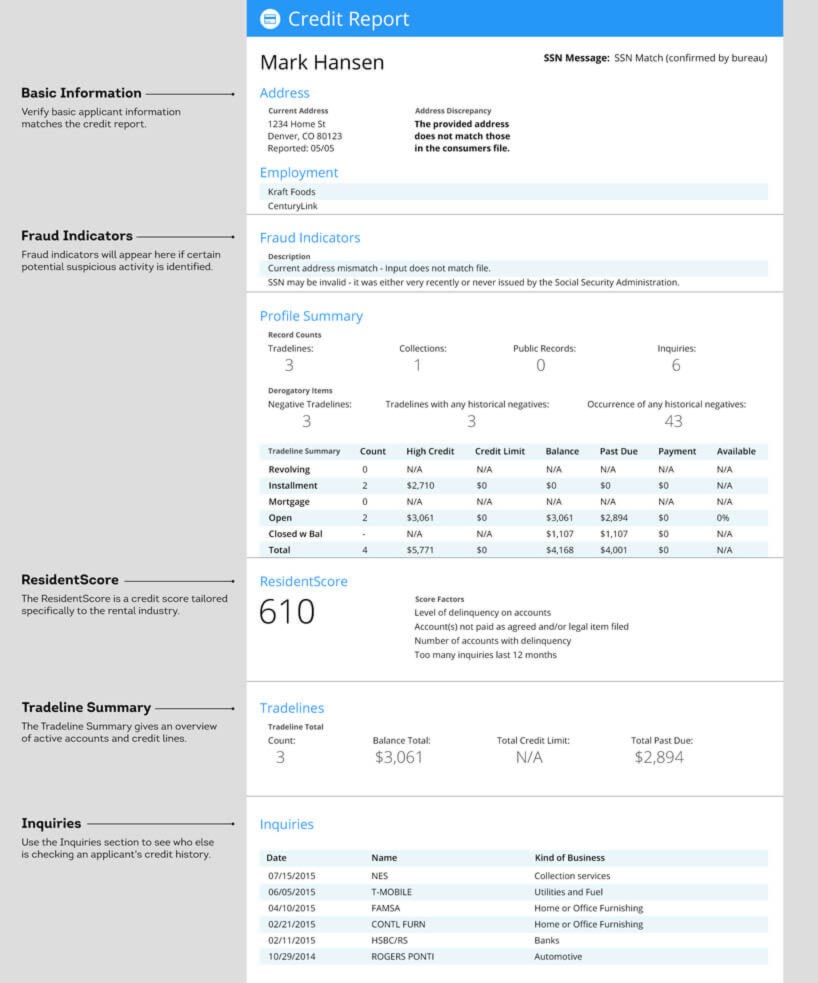
At the heart of any apartment background check lies your credit history and score. For landlords, your credit report is a detailed financial resume, indicating your past performance in managing debt and fulfilling financial obligations. It’s a powerful predictor of your likelihood to pay rent consistently and on time, which is the cornerstone of a landlord’s revenue.
Why Your Credit Score Matters to Landlords
A high credit score signals financial prudence and reliability. It tells a landlord that you are likely to be responsible with your rent payments, just as you’ve been with credit cards, loans, and other bills. Conversely, a low score or a history riddled with financial missteps flags you as a higher risk. Landlords face significant financial losses from late or missed rent payments, eviction proceedings, and property damage. Your credit score directly informs their assessment of this potential exposure. It’s not just about a number; it’s about the financial narrative it tells regarding your capacity to honor financial commitments.
What Specifics Are Under the Microscope?
Landlords delve deeper than just the three-digit score. They examine the granular details of your credit report:
- Payment History: This is perhaps the most crucial element. A history of late payments, especially on prior rental agreements, mortgages, or significant loans, is a major red flag. Collections accounts, charge-offs, and defaults demonstrate a pattern of unfulfilled financial obligations, directly translating to a higher perceived risk for rent payment.
- Debt-to-Income Ratio: While not explicitly listed on a credit report, a landlord can infer your debt burden by looking at your monthly minimum payments for credit cards and loans. Combined with your declared income, this helps them gauge if the proposed rent will constitute an overly large portion of your income, potentially leading to payment difficulties. Landlords want to see that you can comfortably afford the rent in addition to your existing financial commitments.
- Bankruptcies and Foreclosures: These are severe indicators of past financial distress. While circumstances can vary, a recent bankruptcy or foreclosure often suggests significant financial instability and raises serious concerns about an applicant’s ability to manage rent payments. Some landlords may have strict policies against applicants with such records.
- Credit Inquiries: A high number of recent hard inquiries might suggest you are applying for multiple lines of credit or loans, which could increase your overall debt and potentially impact your ability to pay rent. While not as critical as payment history, it’s part of the broader financial picture.
Understanding Different Credit Scores
It’s worth noting that various credit scoring models exist (e.g., FICO, VantageScore), and scores can differ slightly between them. Landlords typically look for scores in the “good” to “excellent” range, often preferring scores above 620-650, though this threshold can vary by market competitiveness and property type. It’s not uncommon for premium properties in desirable locations to expect scores upwards of 700. Understanding your own credit standing before applying can help you identify potential issues and prepare explanations or alternatives, such as a co-signer or a larger security deposit.
Income Verification: Ensuring Affordability
Beyond your past financial behavior, landlords need assurance that you possess the current financial capacity to meet your monthly rental obligations. Income verification is a critical component of any background check, directly assessing your ability to pay.
The 3x Rent Rule: A Financial Standard
A widely adopted standard in the rental industry is the “3x rent rule.” This guideline stipulates that an applicant’s gross monthly income should be at least three times the monthly rent amount. For example, if rent is $1,500, a landlord would typically expect you to earn at least $4,500 per month before taxes. This rule isn’t arbitrary; it’s a financial safeguard. It aims to ensure that after covering rent, you have sufficient funds remaining for other essential living expenses, reducing the likelihood of financial strain and missed payments. It’s a direct measure of your financial solvency relative to the cost of housing.
Acceptable Forms of Income Proof
To verify your income, landlords will request specific documentation. Providing clear, verifiable proof is essential for a smooth application process:
- Pay Stubs: For traditionally employed individuals, recent pay stubs (typically the last 2-3 months) are the most common form of verification. They clearly show your gross and net income, year-to-date earnings, and pay frequency.
- Offer Letters: If you’re starting a new job, an official offer letter on company letterhead, detailing your salary and start date, can serve as proof of future income.
- Tax Returns: For self-employed individuals, freelancers, or those with varied income sources, tax returns (W-2s, 1099s, and sometimes the full Schedule C for self-employment) from the past one or two years provide a comprehensive picture of your earnings.
- Bank Statements: While less common as primary income proof, bank statements may be requested, especially for self-employed individuals, to show consistent deposits corresponding to reported income or to verify significant savings balances that could supplement income.
- Proof of Other Income: This could include statements for social security benefits, disability payments, alimony, child support, or verifiable investment income.
The key is consistency and verifiability. Landlords need to be confident that the income you report is accurate and stable.
Gaps in Employment and Their Financial Implications
Significant gaps in employment can raise financial concerns for landlords, as they may suggest an unstable income stream. If you have recent employment gaps, be prepared to address them. Explanations might include:
- A period of unemployment followed by a new, stable job (with an offer letter).
- Proof of substantial savings that would cover rent for an extended period.
- A co-signer or guarantor who meets the income requirements and agrees to be financially responsible if you cannot pay.

Landlords are looking for financial security; any disruption to income needs to be offset by other financial assurances.
Eviction History: A Costly Red Flag
One of the most significant financial risks for a landlord is an eviction. Eviction proceedings are costly, time-consuming, and result in substantial lost income. Consequently, an eviction on your record is a major deterrent.
The Financial Ramifications of Previous Evictions
From a landlord’s perspective, a prior eviction is a direct indicator of financial instability and a failure to meet rental obligations. It means:
- Lost Rent: The landlord likely lost multiple months of rent during the eviction process and until a new tenant moved in.
- Legal Fees: Eviction involves court costs, attorney fees, and administrative expenses.
- Property Damage: Evicted tenants sometimes leave units in poor condition, leading to additional financial outlays for repairs and cleaning.
- Vacancy Costs: The unit sits empty during the legal process and subsequent turnover, incurring further financial loss.
Because of these substantial financial burdens, many landlords have an absolute policy against renting to anyone with a documented eviction history, regardless of their current income or credit score. It represents a past financial default that directly impacted another landlord’s bottom line.
How Eviction Records Are Accessed
Eviction records are often part of public court records and are easily accessible through tenant screening services that landlords use. These services compile data from various sources, including court databases, to provide a comprehensive report. If you have an eviction on your record, it will likely be discovered. It’s often advisable to be upfront about such a history, providing context and demonstrating how your financial situation has improved since, rather than having it surface unexpectedly.
Criminal History: Financial Liability and Property Protection
While primarily viewed through a lens of safety and security, criminal history checks also carry significant financial implications for landlords. Certain criminal offenses can pose direct financial risks to the property and the landlord’s business.
Assessing Risk Beyond Reputation
Landlords are not just concerned with reputation; they are concerned with financial liability and property integrity.
- Property Damage: Crimes involving property destruction, vandalism, or drug manufacturing/cultivation within a unit can lead to extensive and costly repairs, insurance premium increases, or even policy cancellation. These are direct financial hits to the landlord.
- Insurance Implications: Certain criminal histories can make a property uninsurable or significantly increase insurance premiums due to perceived risk, directly impacting the landlord’s operational costs.
- Safety and Property Value: A landlord has a financial interest in maintaining a safe environment to protect their current tenants, their property’s value, and to avoid litigation arising from negligence or unsafe conditions caused by a tenant. Offenses that threaten the safety of others or the property are therefore financial risks.
Fair Housing and Criminal Backgrounds
Landlords must navigate fair housing laws while assessing criminal backgrounds. Federal guidance advises against blanket bans based solely on arrest records and encourages an individualized assessment for certain convictions, considering the nature and severity of the crime and the time elapsed since. However, convictions that directly relate to property damage, drug production, or violent crimes against persons on the property still raise significant financial and liability concerns that landlords are legally entitled to consider to protect their assets and other tenants.
Rental History and References: Past Financial Performance as a Predictor
Your previous rental experiences provide a practical demonstration of your financial reliability and responsibility as a tenant. Landlords often seek references from prior landlords to gauge your past behavior.
Payment Consistency and Property Care
Former landlords can offer invaluable insights into your financial habits as a tenant:
- Timely Rent Payments: Did you consistently pay rent on time? A positive answer is paramount. Late payments, even if eventually resolved, suggest a pattern of financial irresponsibility.
- Lease Compliance: Did you adhere to the financial terms of your lease, such as paying for utilities, pet fees, or other charges as agreed? Violations can indicate potential future financial disputes.
- Property Care and Damage: While not directly financial payments, a history of damaging property (beyond normal wear and tear) translates directly into financial costs for the landlord for repairs. A tenant who respects property demonstrates a commitment to maintaining the landlord’s financial asset.

The Value of a Positive Reference
A strong reference from a previous landlord can significantly bolster your application. It provides anecdotal evidence to support your credit score and income verification. A previous landlord can confirm:
- You paid rent punctually.
- You maintained the property well.
- You adhered to the lease terms.
- You gave proper notice before vacating.
Conversely, a poor reference, or an inability to provide one, can raise concerns. If you’ve had a difficult landlord relationship in the past, be prepared to explain the situation professionally and focus on your financial responsibility during that tenancy.
In essence, apartment background checks are comprehensive financial assessments. They weave together your past credit behavior, current income stability, historical tenancy performance, and any relevant legal history to paint a complete picture of your financial reliability and suitability as a tenant. By understanding these key areas, you can better prepare for the scrutiny and present yourself as a financially responsible and desirable applicant.
aViewFromTheCave is a participant in the Amazon Services LLC Associates Program, an affiliate advertising program designed to provide a means for sites to earn advertising fees by advertising and linking to Amazon.com. Amazon, the Amazon logo, AmazonSupply, and the AmazonSupply logo are trademarks of Amazon.com, Inc. or its affiliates. As an Amazon Associate we earn affiliate commissions from qualifying purchases.