
In the remote, snow-dusted forests of the Russian Far East and Northern China, the Amur leopard (Panthera pardus orientalis) exists on the brink of extinction. With a wild population estimated at just over 100 individuals, every aspect of their survival—specifically their diet—is a subject of intense scientific scrutiny. However, answering the question “what do Amur leopards eat?” is no longer a matter of simple observation. In the modern era, wildlife biology has merged with high-end technology. To understand the dietary habits of such an elusive predator, researchers are deploying a sophisticated suite of AI tools, remote sensing gadgets, and data analytics.
The intersection of technology and conservation has transformed our understanding of the Amur leopard’s predatory behavior. By leveraging “Tech” solutions, conservationists can now identify not just the species the leopard consumes, but the frequency of their kills, the health of the prey population, and the competitive pressures from other apex predators like the Siberian tiger.
The Digital Revolution in Wildlife Monitoring: Tracking the Leopard’s Prey
To understand what the Amur leopard eats, we must first look at the technology used to observe them without human interference. Traditional tracking is nearly impossible in the rugged terrain of the Land of the Leopard National Park. Today, the “Internet of Things” (IoT) for wildlife provides the necessary data.
AI-Powered Camera Traps and Image Recognition
The backbone of dietary research is the camera trap. However, the challenge is no longer capturing the image, but processing the millions of photos generated. Modern conservation tech utilizes AI-powered image recognition software (such as Wildlife Insights or custom TensorFlow models) to automatically sort images.
These AI tools are trained to distinguish between the Amur leopard and its primary prey: the sika deer and the Siberian roe deer. By analyzing the “capture rate” of these prey species in the leopard’s core territory, researchers can create a digital map of prey availability. Advanced algorithms can even identify individual leopards by their unique spot patterns, allowing scientists to correlate specific individuals with specific hunting grounds and dietary preferences.
GPS Telemetry and Satellite Mapping
Understanding what a leopard eats requires knowing where it spends its time. Deploying GPS-collars on a critically endangered species is a high-stakes technological feat. These collars utilize satellite telemetry to send “fix” locations at programmed intervals.
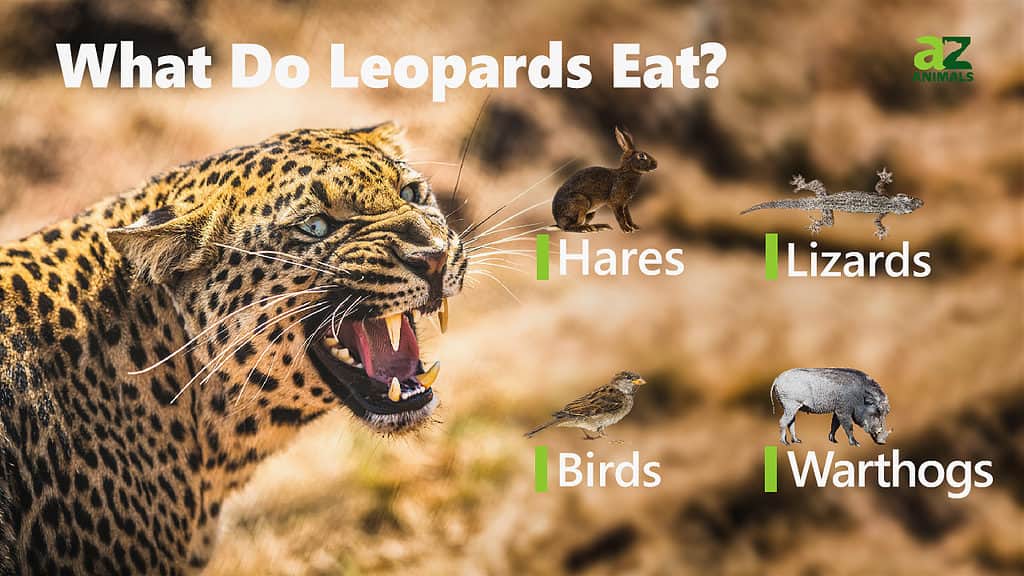
When a “cluster” of GPS points appears—indicating the leopard has remained in one spot for several hours—it often signifies a kill site. Researchers use mobile GIS (Geographic Information Systems) apps to navigate to these precise coordinates. This tech-driven approach has revealed that while deer make up the bulk of their diet, Amur leopards are opportunistic, occasionally consuming wild boar, hares, and even badgers when primary prey is scarce.
Data Analytics and Predictive Modeling in Ecosystem Management
In the tech niche, data is only as good as the insights derived from it. The question of “what do Amur leopards eat” extends into the realm of predictive analytics, where software models simulate the future of the food chain.
Machine Learning for Prey Density Estimation
Predicting the survival of the Amur leopard requires high-level data modeling of their food source. Machine learning algorithms analyze variables such as snow depth, forest cover density, and human encroachment to predict prey migrations. By using R-based statistical modeling and Python scripts, ecologists can determine if the sika deer population—the leopard’s “staple” diet—is sufficient to support a growing leopard population. If the data shows a dip in prey density, conservationists can intervene with tech-monitored supplementary feeding stations for the deer, indirectly sustaining the leopards.
Bio-Acoustics: The Sound of the Hunt
A rising trend in conservation tech is the use of passive acoustic monitoring (PAM). High-fidelity sensors are placed throughout the forest to record the sounds of the ecosystem. AI “listeners” are then used to identify the alarm calls of deer or the vocalizations of leopards during a hunt. These acoustic datasets provide a 24/7 window into the leopard’s “dining” habits that visual cameras might miss, particularly under the cover of dense nocturnal fog or heavy snowfall.

The Role of Biotechnology and Laboratory Tech in Dietary Analysis
While cameras and satellites tell us where the leopard goes, biotechnology tells us exactly what they digested. This is the “Software” and “Hardware” of the molecular world.
Environmental DNA (eDNA) and Scat Analysis
One of the most profound technological shifts in answering what Amur leopards eat is the use of High-Throughput Sequencing (HTS). By collecting leopard scat (feces), scientists can use lab-based genetic tools to extract “environmental DNA.”
This process involves:
- DNA Extraction: Using specialized kits to isolate genetic material.
- PCR Amplification: Utilizing thermocyclers to amplify the DNA of the prey items within the scat.
- Metabarcoding: Comparing the sequences against a global digital database of species.
This technological “forensics” provides a precise dietary breakdown, revealing that Amur leopards occasionally supplement their diet with smaller carnivores, a fact that was difficult to confirm via camera traps alone.
Digital Databases and Global Collaboration
The data retrieved from eDNA and camera traps is stored in massive, cloud-based digital repositories. Platforms like the Global Biodiversity Information Facility (GBIF) allow researchers in Russia, China, and the US to collaborate in real-time. This digital security and data-sharing infrastructure ensure that the most current information regarding the leopard’s nutritional needs is available to policy-makers globally.
Digital Security and Anti-Poaching Technology
Knowing what the Amur leopard eats also reveals where they are most vulnerable. This creates a need for robust digital security to protect the leopards from those who would use this data for harm.
SMART Patrol Systems and Real-Time Security
The Spatial Monitoring and Reporting Tool (SMART) is a software suite designed specifically for protected area management. It integrates data from ranger patrols, poaching incident reports, and prey sightings into a single interface. By analyzing “hotspots” where prey (and thus leopards) are concentrated, the SMART software helps deploy security resources more efficiently.
Protecting Data from Cyber-Poaching
As wildlife tracking becomes more digital, “cyber-poaching” has emerged as a genuine threat. If a poacher were to hack into a GPS satellite feed, they would know exactly where a leopard is eating. Consequently, modern conservation tech emphasizes digital security, using encrypted radio frequencies for collars and secure, multi-factor authentication for data servers. Protecting the data of “what and where” they eat is as important as protecting the cat itself.

Conclusion: The Tech-Driven Future of the Amur Leopard
The question “what do Amur leopards eat?” is a gateway into a complex world of high-tech surveillance and data science. We now know that their diet is heavily reliant on a healthy ungulate population, primarily sika and roe deer, but this knowledge is only possible through the aggressive application of technology.
From AI image recognition that processes years of footage in hours, to genetic sequencing that reveals a leopard’s last meal at the molecular level, technology is the silent guardian of this species. As we look toward the future, the integration of 5G-connected sensors, drone-based thermal imaging, and even more advanced predictive AI will be the key to ensuring that the Amur leopard has enough to eat and a safe place to hunt. In the end, the survival of the world’s rarest big cat is a testament to how “Tech” can be harnessed not just for industry, but for the preservation of life on Earth.
aViewFromTheCave is a participant in the Amazon Services LLC Associates Program, an affiliate advertising program designed to provide a means for sites to earn advertising fees by advertising and linking to Amazon.com. Amazon, the Amazon logo, AmazonSupply, and the AmazonSupply logo are trademarks of Amazon.com, Inc. or its affiliates. As an Amazon Associate we earn affiliate commissions from qualifying purchases.