
In the contemporary business landscape, the bridge between a product and its consumer is rarely a straight line. It is a complex architecture of psychology, design, strategy, and media placement. At the heart of this architecture lies the advertising agency. Often misunderstood as merely “the people who make commercials,” a modern advertising agency is a powerhouse of brand strategy, acting as an external partner that helps businesses define their identity, communicate their value, and ultimately drive sustainable growth.
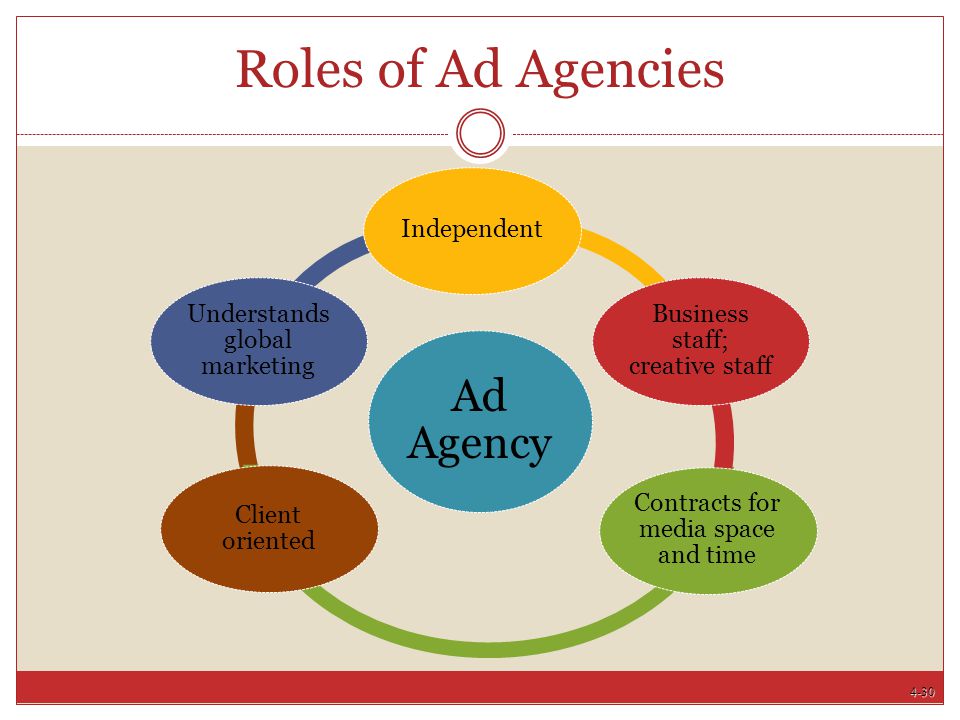
To understand what advertising agencies do, one must look beyond the 30-second television spot or the sponsored social media post. Agencies are stewards of brand equity. They serve as consultants, creators, and conduits. By leveraging specialized expertise that most companies do not possess in-house, they transform business objectives into cultural movements.
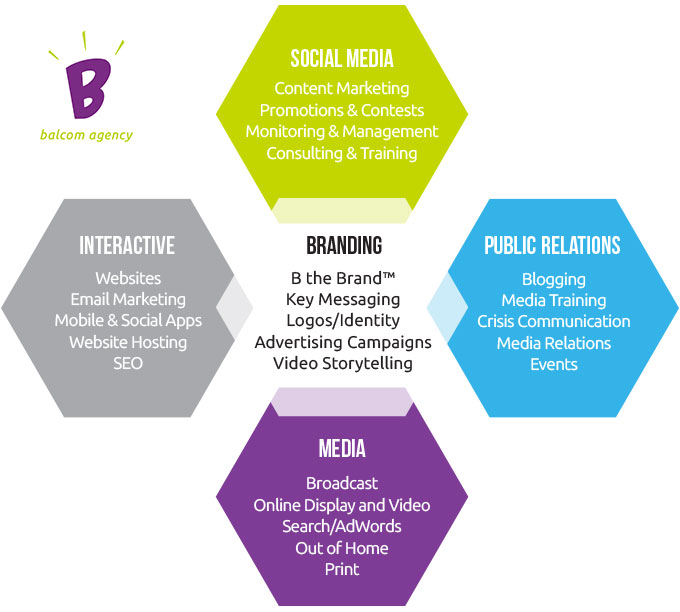
The Core Strategic Functions: Building a Brand Foundation
Before a single pixel is moved or a line of copy is written, an advertising agency functions as a strategic consultancy. The primary goal during this phase is to ensure that the brand has a “north star”—a guiding principle that dictates every future action.
Market Research and Consumer Insights
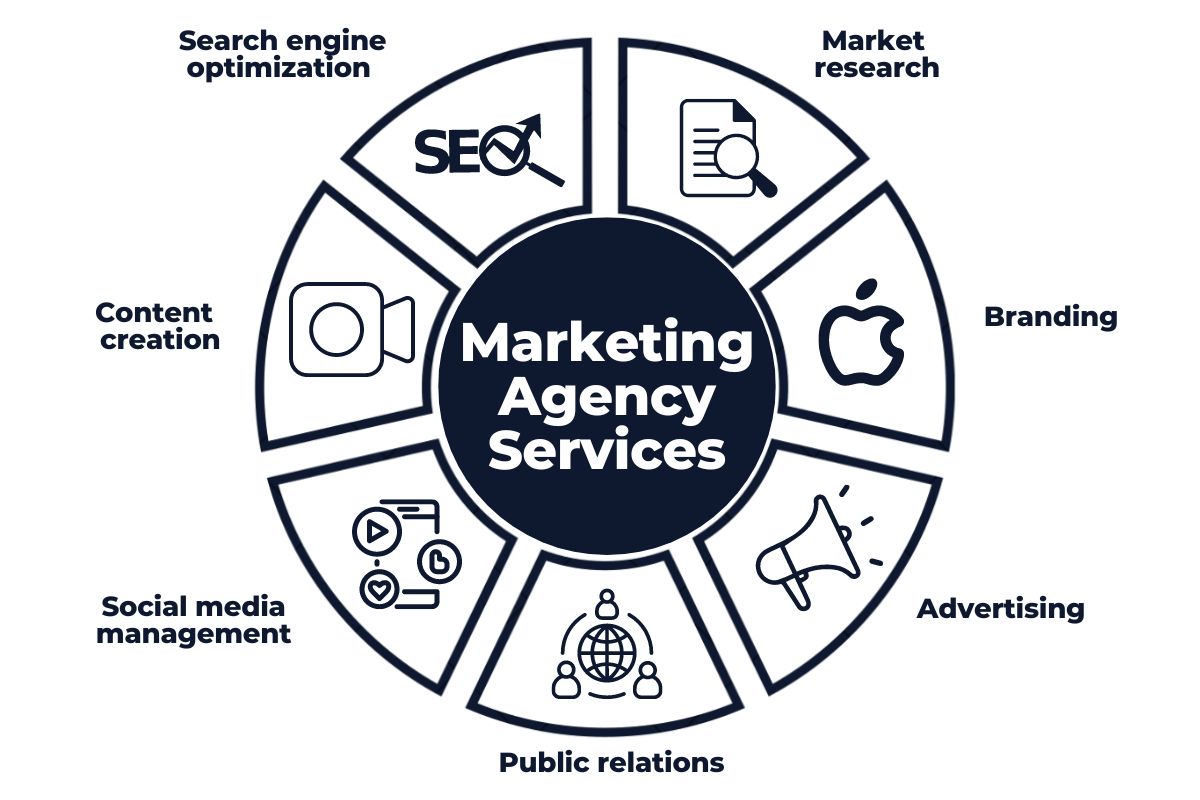
The first thing an agency does is listen. They conduct extensive market research to understand the competitive landscape. This involves identifying who the competitors are, what they are promising, and where the gaps in the market lie. Beyond the competition, agencies dive deep into consumer behavior. They use ethnographic studies, focus groups, and data analytics to understand not just what people buy, but why they buy it. This insight becomes the foundation of the brand strategy.
Defining Brand Voice and Visual Identity
Once the market gap is identified, the agency works to define the brand’s personality. This is often referred to as “Corporate Identity” or “Brand DNA.” What does the brand sound like? Is it authoritative and professional, or cheeky and disruptive? The agency develops a comprehensive brand style guide that includes the visual language—logos, color palettes, and typography—as well as the verbal language—tone of voice, messaging pillars, and taglines. This ensures that whether a customer sees an ad on a billboard or reads an email, the brand feels like the same “person.”
Long-term Strategic Positioning
Agencies help brands decide where they want to live in the mind of the consumer. This is positioning. Are you the luxury leader, the high-quality affordable option, or the innovative underdog? An agency creates a roadmap for the next three to five years, ensuring that short-term marketing tactics do not dilute the long-term value of the brand.
Creative Execution and Content Production
After the strategy is set, the agency shifts into its most visible role: the creative engine. This is where abstract ideas are translated into tangible assets that capture attention and evoke emotion.
Concept Development and Storytelling
The “Big Idea” is the holy grail of advertising. Agencies employ creative directors, art directors, and copywriters to brainstorm concepts that can live across multiple platforms. Effective storytelling is the core of this process. In a world where consumers are bombarded with thousands of messages a day, an agency’s job is to create a narrative that cuts through the noise. They find the human truth that connects a brand’s features to a consumer’s desires or pain points.
Multimedia Design and Art Direction
In the digital age, a brand must be visually compelling across a staggering array of formats. Agencies handle the production of everything from high-end video content and cinematic commercials to static social media graphics and interactive website elements. Art direction ensures that every piece of content is aesthetically aligned with the brand strategy. This involves selecting the right photographers, directors, and illustrators to bring the brand’s vision to life with high production value.
Copywriting and Message Architecture
Words are the vehicles of persuasion. Advertising agencies employ specialized copywriters who understand the nuances of language. They don’t just write descriptions; they craft headlines that stop a thumb from scrolling and scripts that move people to tears or laughter. They also build “message architecture,” which prioritizes information so that the most important brand benefits are communicated most effectively across various touchpoints.
Media Planning and Omnichannel Placement
A brilliant creative campaign is worthless if the target audience never sees it. One of the most critical functions of an advertising agency is determining the “where” and “when” of brand communication.
Traditional vs. Digital Media Strategy
The media landscape is more fragmented than ever. Agencies navigate the divide between traditional media—such as television, radio, print, and out-of-home (billboards)—and digital media—including search engines, social media platforms, and streaming services. A media planner’s job is to create a “media mix” that maximizes reach (how many people see the ad) and frequency (how often they see it) within the client’s budget.
Programmatic Advertising and Targeting
Modern agencies utilize sophisticated technology to place ads. Through programmatic advertising, agencies can bid on ad space in real-time, ensuring that a brand’s message is shown to a specific demographic at the exact moment they are most likely to engage. This precision targeting allows brands to speak directly to “high-intent” customers, reducing wasted spend and increasing the efficiency of the marketing budget.
Performance Tracking and Optimization
Unlike the “Mad Men” era of the past, today’s advertising is highly measurable. Agencies monitor campaigns in real-time, using key performance indicators (KPIs) like click-through rates, conversion rates, and brand sentiment scores. If a particular ad is underperforming, the agency can “pivot” or optimize it instantly. This iterative process ensures that the brand strategy remains agile and responsive to market feedback.
Modern Evolution: Data-Driven Branding and Integrated Communications
The role of the advertising agency has evolved from being a vendor that sells “ads” to being a partner in “Integrated Marketing Communications” (IMC). In this modern context, the agency’s work touches every part of the customer journey.
Data-Driven Decision Making
Data is the new currency of brand strategy. Advertising agencies now house data scientists who analyze vast amounts of first-party and third-party data to predict future trends. This data-driven approach removes the guesswork from branding. By understanding the “path to purchase,” agencies can identify exactly where a brand is losing potential customers and create targeted interventions to fix those leaks.
Customer Journey Mapping
A brand experience isn’t just an ad; it’s the entire lifecycle of a customer’s interaction with a company. Agencies map out this journey—from the initial “Awareness” phase (seeing an ad) to “Consideration” (visiting a website), “Conversion” (buying the product), and finally “Advocacy” (becoming a loyal fan). By managing every touchpoint, the agency ensures a seamless and premium experience that reinforces the brand’s promise at every stage.
Integrated Marketing Communications (IMC)
The most successful agencies today are those that can unify all aspects of marketing. This means ensuring that PR, social media, influencer partnerships, search engine optimization (SEO), and paid advertising all sing from the same songbook. This holistic approach prevents “brand dilution”—where different departments send conflicting messages. Instead, it creates a “force multiplier” effect, where the total impact of the integrated campaign is far greater than the sum of its individual parts.
Conclusion: The Agency as a Growth Catalyst
In summary, advertising agencies do far more than sell products. They build the reputations that allow businesses to command higher prices, attract better talent, and survive market downturns. They are the architects of perception.
By combining rigorous market research, inspired creative execution, and strategic media placement, an agency takes a company’s raw business goals and turns them into a living, breathing brand identity. In an era where consumer attention is the scarcest resource on earth, the specialized skills of an advertising agency are not just an advantage—they are a necessity for any brand that wishes to remain relevant and resonant in the minds of the public. Whether it is through a viral video, a perfectly placed search ad, or a complete corporate rebranding, the work of an agency is the engine that drives the modern economy’s most successful brands.
aViewFromTheCave is a participant in the Amazon Services LLC Associates Program, an affiliate advertising program designed to provide a means for sites to earn advertising fees by advertising and linking to Amazon.com. Amazon, the Amazon logo, AmazonSupply, and the AmazonSupply logo are trademarks of Amazon.com, Inc. or its affiliates. As an Amazon Associate we earn affiliate commissions from qualifying purchases.