
Academic advisors serve as indispensable guides for students navigating the complex landscape of higher education. Far more than just course schedulers, they are mentors, strategists, and resource navigators who empower students to achieve their academic and personal goals. Their role is multifaceted, encompassing academic planning, career exploration, personal development, and connecting students with crucial institutional support. In essence, academic advisors are key architects of a successful student journey, providing the framework and support necessary for intellectual growth and future readiness.
Navigating Academic Pathways: The Core Function of Guidance
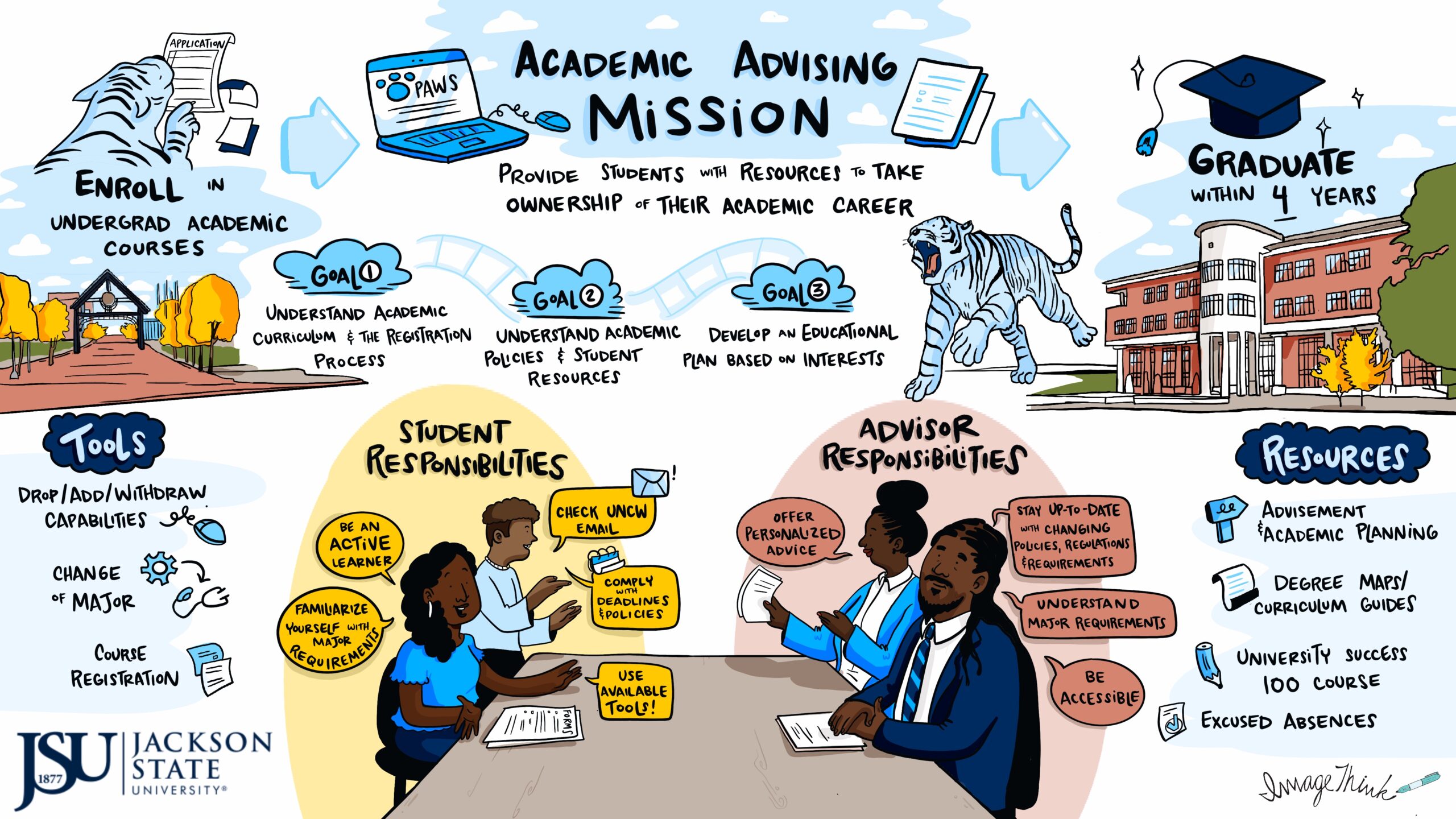
The primary responsibility of an academic advisor lies in helping students chart a clear and effective academic course. This involves a deep understanding of degree requirements, departmental regulations, and the vast array of courses offered by an institution. Advisors work collaboratively with students to ensure they are not only meeting the prerequisites for their chosen major but also exploring electives that broaden their knowledge base and enhance their skill sets. This proactive approach prevents academic roadblocks and ensures a smooth progression towards graduation.
Crafting a Personalized Degree Plan
At the heart of academic advisement is the development of a personalized degree plan. This isn’t a one-size-fits-all document; rather, it’s a dynamic roadmap tailored to each student’s unique aspirations, learning style, and pace. Advisors help students identify their major and minor, understand the credit hour requirements, and map out a semester-by-semester course sequence. This includes considering prerequisites, course availability, and potential study abroad opportunities or internships that can enrich their academic experience. The degree plan serves as a constant reference point, allowing students to visualize their progress and make informed decisions about their academic trajectory.
Understanding and Fulfilling Graduation Requirements
Graduation requirements can be intricate and vary significantly between institutions and even departments. Academic advisors are the subject matter experts on these requirements, ensuring students are aware of and on track to fulfill all necessary components. This includes understanding general education requirements, major-specific courses, credit hour totals, GPA thresholds, and any specific departmental competencies or capstone projects. Advisors proactively monitor student progress against these benchmarks, alerting them to potential shortfalls and offering solutions before they become critical issues. This vigilance is crucial for a timely and successful graduation.
Exploring Academic Opportunities and Challenges
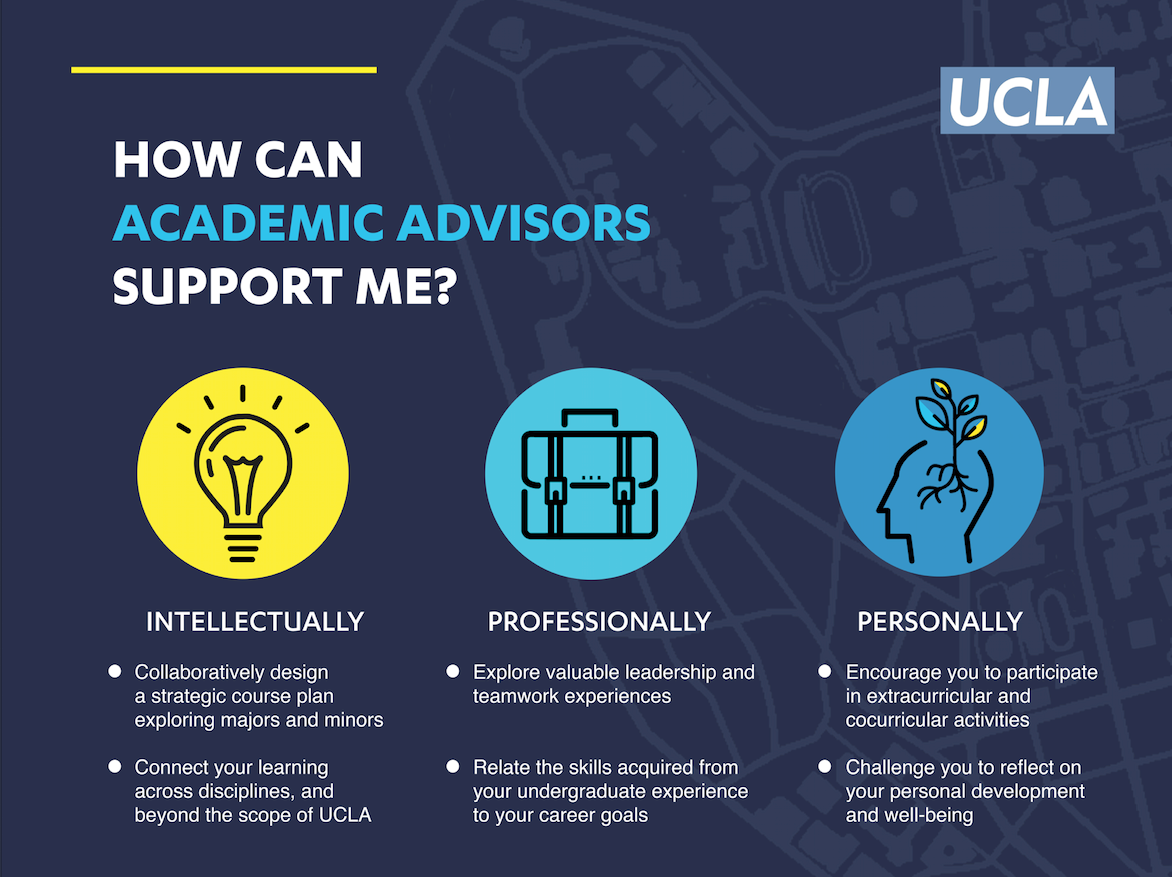
Beyond the core curriculum, academic advisors introduce students to a wealth of academic opportunities that can significantly enhance their undergraduate experience. This might include suggesting honors programs, research assistant positions, independent study projects, or opportunities to present at academic conferences. Conversely, advisors are also equipped to help students navigate academic challenges. Whether it’s a dip in grades, difficulty with a particular subject, or uncertainty about their chosen path, advisors can connect students with tutoring services, academic support centers, faculty mentors, or even help them explore alternative majors if their initial choice proves to be a poor fit.
Beyond the Classroom: Connecting Students to Resources and Future Pathways
Academic advisors are more than just academic navigators; they are also crucial connectors to a wider ecosystem of support and opportunity within and beyond the university. Recognizing that a student’s success is influenced by a multitude of factors, advisors play a vital role in identifying and facilitating access to resources that address academic, personal, and professional development needs.
Identifying and Leveraging Campus Resources

Universities offer a vast array of support services designed to help students thrive. Academic advisors act as a gateway to these resources, ensuring students are aware of and know how to access them. This can include career services for resume building and job searching, counseling services for mental health and well-being, disability services for accommodations, financial aid offices for funding assistance, and student success centers offering workshops on study skills, time management, and stress reduction. By understanding the student’s needs, advisors can make targeted referrals, saving students time and effort in finding the right support.
Facilitating Career Exploration and Planning
While academic advisors are primarily focused on academic success, their role often extends into the realm of career exploration. They help students connect their academic interests and strengths to potential career paths. This involves encouraging students to think critically about their skills, values, and aspirations. Advisors can discuss the relationship between academic majors and various professions, highlight internships and co-op opportunities that provide practical experience, and connect students with career counselors who can offer more in-depth career assessments and guidance. Their insights can help students make informed decisions about internships, graduate school, and their post-graduation plans.
Supporting Personal and Professional Development
The university experience is a period of significant personal growth. Academic advisors can contribute to this development by fostering self-awareness and promoting the development of essential life skills. They encourage students to reflect on their learning experiences, identify areas for improvement, and set personal goals. This might involve discussing effective communication, critical thinking, problem-solving, and leadership. By creating a supportive and encouraging environment, advisors empower students to take ownership of their development and build the confidence needed to navigate the challenges and opportunities of both academic and professional life.
Building a Collaborative Relationship: The Advisor-Student Partnership
The effectiveness of academic advising hinges on the establishment of a strong, collaborative relationship between the advisor and the student. This partnership is built on trust, open communication, and mutual respect, fostering an environment where students feel comfortable seeking guidance and taking an active role in their own educational journey.
The Importance of Open Communication and Trust
Open and honest communication is the bedrock of a successful advisor-student relationship. Students should feel empowered to share their academic concerns, aspirations, and any personal challenges that might be impacting their studies. Advisors, in turn, must be approachable, attentive listeners, and provide clear, concise information. Building trust takes time and consistent positive interactions. When students trust their advisors, they are more likely to be receptive to advice, ask clarifying questions, and proactively seek help when needed. This trust fosters a sense of psychological safety, allowing students to be vulnerable and honest about their needs.
Empowering Students to Take Ownership
A key objective of academic advising is to empower students to become active agents in their own education. Advisors should not simply dictate a path but rather guide students in making informed decisions for themselves. This involves presenting options, explaining consequences, and encouraging critical thinking. By asking probing questions and facilitating self-reflection, advisors help students understand why certain decisions are important and how they align with their long-term goals. This fosters a sense of ownership and responsibility, making students more invested in their academic progress and more likely to succeed independently in the future.
Regular Meetings and Proactive Engagement
Regular meetings, whether scheduled or on an as-needed basis, are crucial for maintaining momentum and addressing evolving needs. These meetings provide opportunities to review academic progress, discuss upcoming course selections, address any emerging challenges, and revisit career aspirations. Proactive engagement is also vital. Advisors can reach out to students who may be struggling or who have not scheduled appointments, demonstrating a commitment to their well-being. Similarly, students are encouraged to be proactive in scheduling meetings, especially before important academic deadlines or when facing significant decisions. This consistent dialogue ensures that the advisor-student partnership remains a dynamic and supportive force throughout the student’s academic career.
In conclusion, academic advisors play a pivotal role in the success of university students. They are multifaceted professionals who provide essential guidance in academic planning, connect students to vital resources, facilitate career exploration, and foster personal development. By cultivating strong, trusting relationships and empowering students to take ownership of their educational journeys, academic advisors ensure that students are well-equipped not only to navigate the challenges of higher education but also to thrive in their future endeavors.
aViewFromTheCave is a participant in the Amazon Services LLC Associates Program, an affiliate advertising program designed to provide a means for sites to earn advertising fees by advertising and linking to Amazon.com. Amazon, the Amazon logo, AmazonSupply, and the AmazonSupply logo are trademarks of Amazon.com, Inc. or its affiliates. As an Amazon Associate we earn affiliate commissions from qualifying purchases.