
The construction industry, often viewed as a slow-to-evolve sector rooted in ancient practices, is currently undergoing a radical digital and physical transformation. At the heart of this metamorphosis is the development of modern building materials. No longer limited to passive elements like stone, timber, or standard concrete, today’s materials are being engineered with high-tech capabilities that fundamentally alter how structures are designed, monitored, and maintained. The intersection of material science and digital technology is creating a new era of “intelligent” infrastructure.
In this exploration, we analyze how modern building materials affect the technological landscape of the built environment, focusing on smart integration, nanotechnology, digital fabrication, and data-driven sustainability.
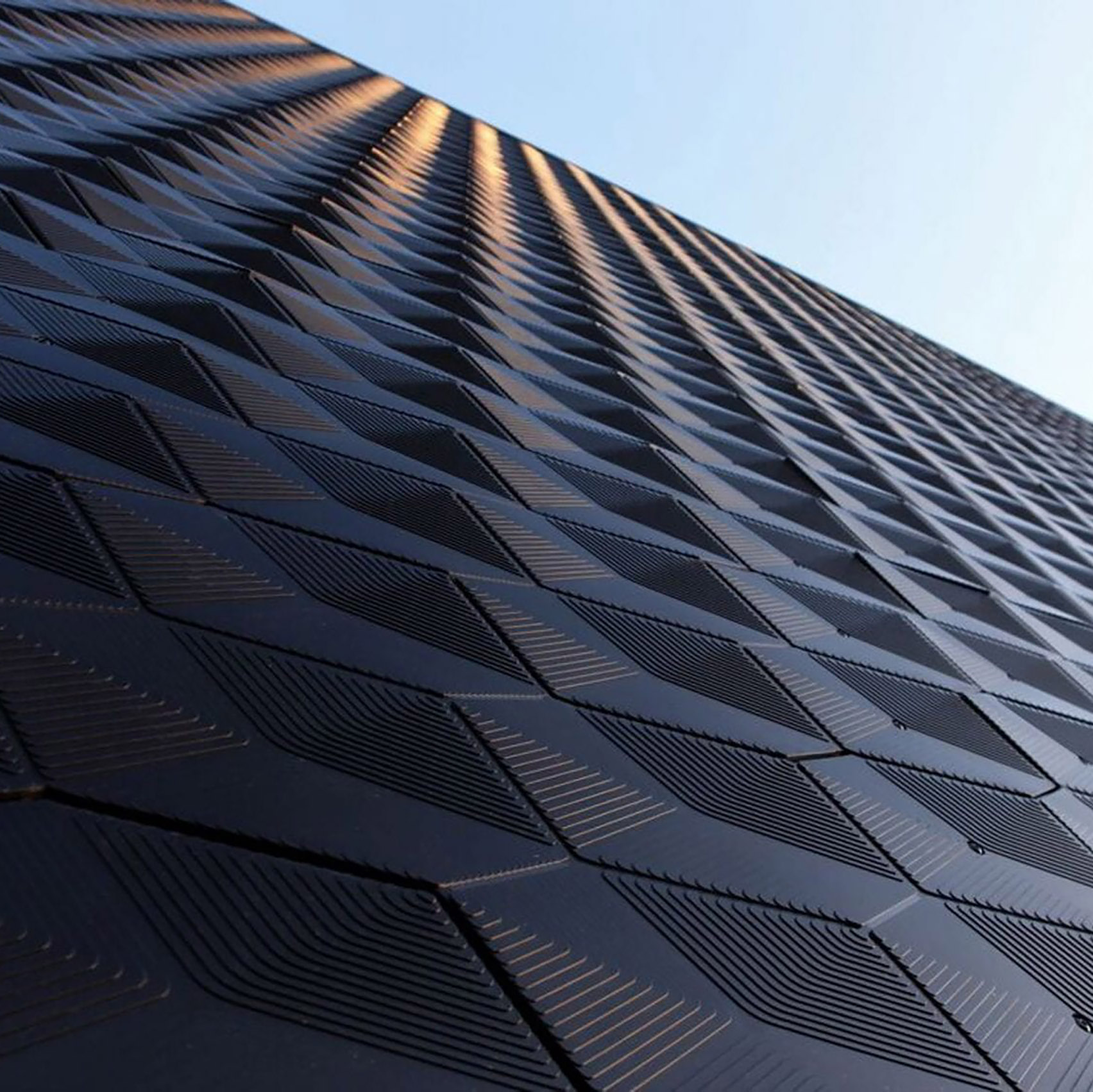
The Integration of Smart Materials and the Internet of Things (IoT)
The most significant technological shift in modern construction is the transition from static materials to “active” or “smart” materials. These are substances that can respond to external stimuli—such as light, temperature, or pressure—and communicate data to a centralized system. This integration effectively turns buildings into giant, hardware-integrated computers.
Smart Glass and Electrochromic Light Modulation
One of the most visible impacts of modern material tech is seen in the evolution of glazing. Traditional windows were thermal weak points in a building’s envelope. However, modern electrochromic glass utilizes advanced chemical coatings and low-voltage electrical impulses to change its tint. From a tech perspective, this is managed through Building Management Systems (BMS) or AI-driven apps that monitor solar position and interior temperature. By integrating sensors directly into the glass, buildings can now autonomously regulate light transmission, reducing the reliance on mechanical HVAC systems and paving the way for fully automated environmental control.
Piezoelectric Materials and Energy Harvesting
Beyond simple insulation, modern flooring and structural components are being infused with piezoelectric technology. These materials generate an electric charge in response to applied mechanical stress—essentially harvesting energy from the footsteps of occupants or the vibrations of the wind. This tech shifts the building from a mere consumer of electricity to a decentralized power generator. When coupled with advanced battery storage systems and microgrid software, these materials become critical nodes in a city’s smart energy infrastructure.
Nanotechnology and the Quest for Material Longevity
At the microscopic level, nanotechnology is redefining the physical limits of what construction materials can achieve. By manipulating matter at the molecular scale, engineers are developing materials that possess “biological” traits, such as the ability to heal themselves or resist pollutants autonomously.
Self-Healing Concrete: The End of Structural Decay
Concrete is the most used man-made material on Earth, but it is prone to cracking, which leads to structural failure. Modern tech has introduced “bio-concrete” or self-healing concrete. This material is embedded with specialized bacteria and nutrients or micro-capsules of sodium silicate. When a crack forms and water enters, the capsules rupture or the bacteria activate, producing limestone that fills the void. This technological breakthrough significantly extends the lifecycle of infrastructure, reducing the need for manual inspections and robotic maintenance in hazardous environments. It represents a shift toward “set-and-forget” technology in civil engineering.
Carbon Nanotubes and Graphene Reinforcement
The integration of carbon nanotubes (CNTs) and graphene into traditional composites is creating materials that are exponentially stronger and lighter than steel. These nanomaterials allow for the construction of ultra-tall skyscrapers and long-span bridges that were previously impossible due to weight constraints. From a tech standpoint, the use of graphene also enables “conductive” concrete. This allows structural elements to double as sensors that can detect internal stress, moisture levels, or temperature changes in real-time, sending alerts to cloud-based monitoring platforms before a failure occurs.

Digital Fabrication and 3D Printing Construction
The evolution of building materials is inextricably linked to the hardware used to assemble them. Modern materials are now being formulated specifically for use in additive manufacturing (3D printing) and robotic assembly, moving the industry toward a future of automated “on-site” manufacturing.
Automated Additive Manufacturing
Traditional concrete is difficult to 3D print because it takes too long to set. To solve this, material scientists have developed “printable” high-performance fiber-reinforced mortars that harden almost instantly while maintaining structural integrity. This allows massive 3D printers—essentially giant robotic arms or gantry systems—to “print” entire houses or complex architectural elements in a fraction of the time required by traditional methods. This technology affects the construction workflow by digitizing the supply chain; instead of shipping heavy components, companies can send a digital CAD file to a printer located on-site, which then uses locally sourced or specialized materials to build the structure.
Parametric Design and Generative Algorithms
Modern materials allow for complex geometries that were once unbuildable. Software tools like Rhino or Grasshopper use generative algorithms to design structures that optimize material distribution—putting strength exactly where it is needed and removing it where it isn’t. This “topology optimization” is only possible because modern materials, such as Ultra-High Performance Concrete (UHPC) and engineered polymers, can handle the precise stresses dictated by the software. This creates a feedback loop where the software informs the material choice, and the material’s properties define the limits of the software’s creative output.
Data-Driven Sustainability and the Digital Twin
As the global focus shifts toward the “Green Tech” revolution, modern building materials are being analyzed through the lens of data and transparency. The construction industry is responsible for a massive portion of global carbon emissions, and technology is the primary tool used to mitigate this impact through material innovation.
Embodied Carbon Tracking Software
Every material has a “carbon footprint” associated with its extraction, manufacturing, and transport. Modern tech platforms now allow architects and engineers to calculate the “Embodied Carbon” of a building in real-time during the design phase. By using Large Language Models (LLMs) and massive databases of Environmental Product Declarations (EPDs), software can suggest alternative materials—such as Cross-Laminated Timber (CLT) or carbon-negative bricks—that meet the same structural requirements while lowering the digital carbon score of the project. This data-driven approach turns material selection into a high-stakes game of algorithmic optimization.
Material Passports and Blockchain Transparency
One of the most innovative tech applications in modern construction is the “Material Passport.” Using Blockchain technology, every component of a building—from a steel beam to a smart sensor—is assigned a unique digital ID. This ID contains data on the material’s origin, chemical composition, and instructions for its eventual recycling or reuse. When a building reaches the end of its life, this digital ledger allows it to be “mined” for parts rather than demolished. This creates a circular economy powered by decentralized data, ensuring that high-value modern materials are never lost to a landfill but are instead tracked and repurposed through automated asset management systems.
Conclusion: The Convergence of Matter and Machine
The question of “what modern building materials affect” finds its answer in the total digitization of our physical world. We are no longer simply stacking bricks; we are deploying sophisticated hardware and chemically engineered solutions that interface with the cloud, respond to their environment, and repair themselves.
From the rise of IoT-integrated smart glass to the nanotech-enhanced concrete that communicates its health to a central server, modern materials are the physical foundation of the “Smart City” movement. They have enabled the rise of 3D printing, allowed for the realization of complex parametric designs, and provided the data necessary to tackle the climate crisis through carbon tracking. As material science continues to advance, the line between a “building” and a “technology platform” will continue to blur, leading to a future where our structures are as intelligent, adaptable, and data-rich as the devices we carry in our pockets.
aViewFromTheCave is a participant in the Amazon Services LLC Associates Program, an affiliate advertising program designed to provide a means for sites to earn advertising fees by advertising and linking to Amazon.com. Amazon, the Amazon logo, AmazonSupply, and the AmazonSupply logo are trademarks of Amazon.com, Inc. or its affiliates. As an Amazon Associate we earn affiliate commissions from qualifying purchases.