
The question “what dimes are silver?” might seem straightforward, but for coin collectors and those interested in precious metals, it delves into a fascinating aspect of numismatics and the history of U.S. currency. While most modern dimes are not made of silver, a significant period in American coinage history saw dimes minted from this precious metal. Understanding which dimes are silver is crucial for anyone looking to identify valuable coins, understand their metallic content, or simply appreciate the evolution of our monetary system. This article will explore the composition of U.S. dimes, focusing specifically on identifying those made of silver, their historical context, and their significance in the world of coin collecting and investing.
The Silver Dime Era: Understanding Composition
The U.S. Mint has a long history of using precious metals in its coinage, and dimes are no exception. For a considerable period, dimes were primarily composed of silver, a practice that changed due to economic factors and shifts in monetary policy. To identify a silver dime, one must understand the specific minting years and the alloy compositions used during those times.
Pre-1965 Dimes: The Silver Standard
From the inception of the dime in 1796 up until 1964, dimes were minted from a silver alloy. These silver dimes are often referred to as “draped bust dimes,” “capped bust dimes,” “seated liberty dimes,” “barber dimes,” and “mercury dimes,” each named after the design featured on the obverse (front) of the coin. The standard composition for these dimes was 90% silver and 10% copper. This alloy was chosen for its durability, wear resistance, and the inherent value of silver.
- Early Designs and Compositions: The very first dimes, issued from 1796 to 1807, were the “draped bust” dimes. These were struck in 90% silver. Following these were the “capped bust” dimes (1809-1837), which also contained 90% silver. The “seated liberty” dimes, a long-standing design that ran from 1837 to 1891, also maintained the 90% silver composition. It’s important to note that there were some minor variations in alloy composition in the very early years, but the 90% silver standard became firmly established.
- The Barber Dime: From 1892 to 1916, the “barber dime,” officially known as the Liberty Head dime, continued the tradition of being made of 90% silver and 10% copper. These coins are easily recognizable by the profile of Lady Liberty wearing a Phrygian cap.
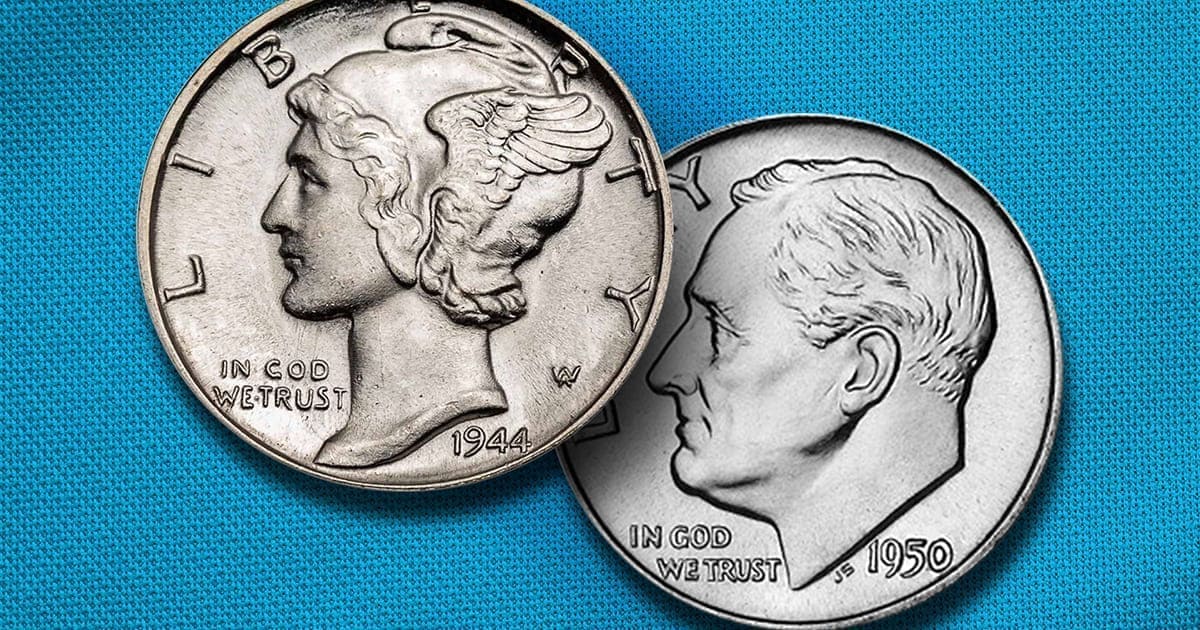
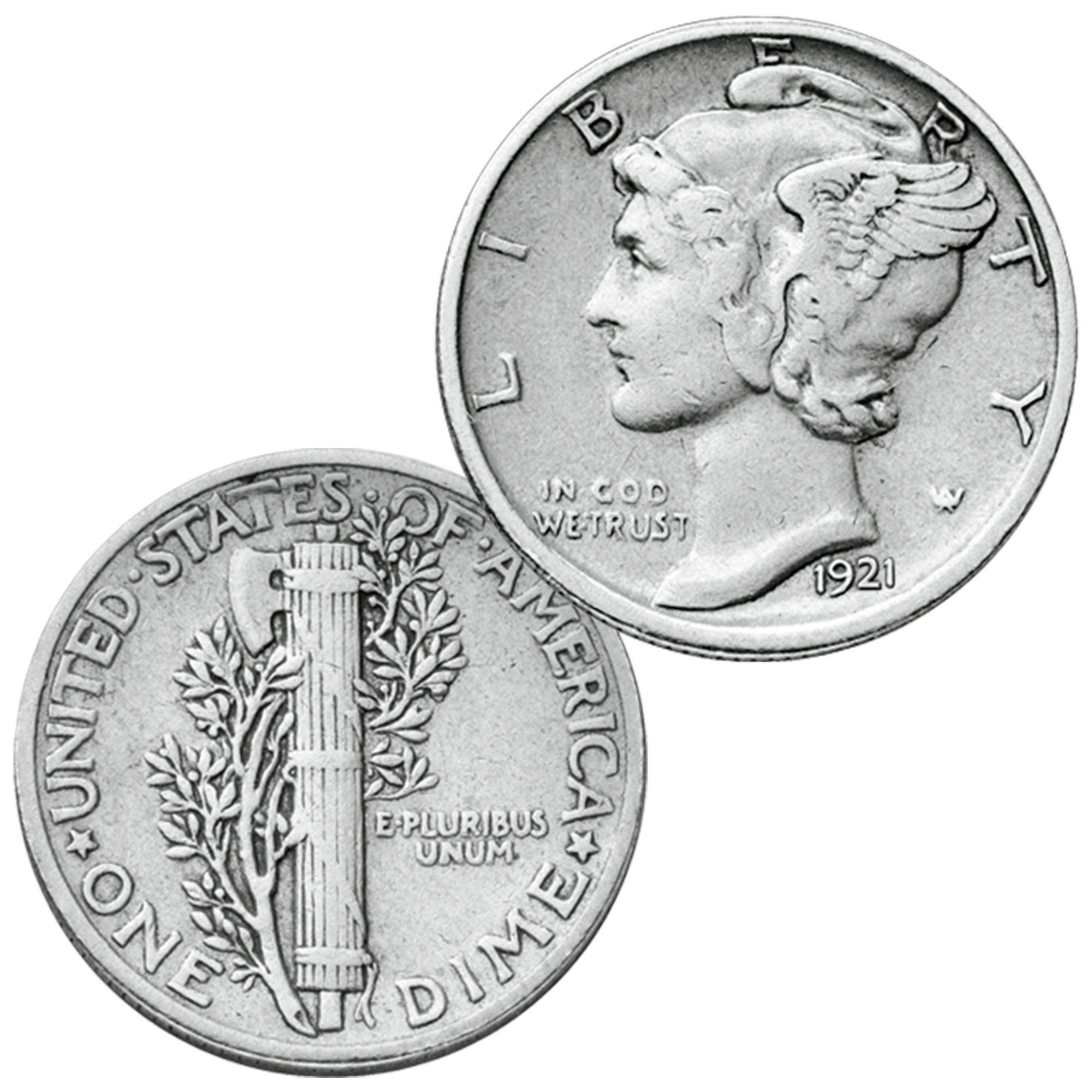
- The Mercury Dime: The iconic “Mercury dime,” minted from 1916 to 1945, also featured a 90% silver and 10% copper composition. The design, often mistakenly referred to as Mercury, actually depicts Lady Liberty with a winged cap, symbolizing freedom of thought.
- The Roosevelt Dime (Early Years): The current design of the dime, the Roosevelt dime, was introduced in 1946 to commemorate President Franklin D. Roosevelt. The dimes minted from 1946 to 1964, inclusive, are also made of 90% silver and 10% copper. These are the last of the regularly issued silver dimes for circulation.
The Transition Away from Silver
The widespread use of silver in coinage began to wane in the mid-20th century. Several factors contributed to this shift, primarily economic pressures related to the rising price of silver and the increasing demand for coinage.
- The Coinage Act of 1965: The most significant change came with the Coinage Act of 1965. This act authorized the removal of silver from dimes and quarters, and reduced the silver content in half-dollars. The rationale behind this decision was to prevent the hoarding of silver coins as their melt value began to exceed their face value. The silver content of dimes was completely eliminated.
- Post-1964 Dimes: Clad Composition: Dimes minted from 1965 onwards are no longer made of silver. Instead, they are composed of a “clad” material. This means they have a core of pure copper sandwiched between two outer layers of a copper-nickel alloy. This clad composition gives the coins their characteristic silvery appearance without the intrinsic value of silver. The outer layers are typically 75% copper and 25% nickel, bonded to a pure copper core. This composition makes them significantly less valuable as precious metal.
Identifying Silver Dimes: Practical Tips for Collectors and Investors
For coin collectors and those interested in the monetary value of their pocket change, being able to distinguish silver dimes from their modern, clad counterparts is essential. Several key characteristics can help in this identification.
Visual and Physical Examination
The most immediate way to identify a silver dime is through a careful visual and physical examination. While color can be a clue, weight and sound can also be indicative.
- Color and Patina: Silver dimes often exhibit a distinct tone and patina over time due to oxidation. While they are bright and shiny when newly minted, older silver dimes can develop a darker, sometimes bluish or grayish hue. However, heavily cleaned silver dimes can appear bright white, and heavily tarnished clad coins can appear dark, so color alone isn’t always definitive.
- Edge Examination: A crucial distinguishing feature is the edge of the coin. Silver dimes (90% silver) have a distinct edge that is silvery in appearance, with no copper-colored line visible. The clad dimes, on the other hand, will show a copper-colored stripe running through the middle of their edge, a direct result of their layered composition. This is often the easiest and most reliable visual cue.
- Weight: While subtle, there are slight differences in weight between silver and clad dimes due to the differing densities of the alloys. A genuine silver dime weighs approximately 2.5 grams, while a clad dime weighs slightly less, around 2.268 grams. However, this difference is often too small to discern without a precise scale.
- Sound Test (for the experienced): Experienced numismatists sometimes use a “ring test” where they flick the coin and listen to its sound. Silver coins tend to have a higher, longer-lasting ring compared to clad coins, which produce a duller thud. This method requires practice and familiarity with both types of coins.
Date and Mint Mark Inspection
The date on a coin is the primary indicator of its composition. As established, dimes minted before 1965 are generally silver, with the exception of some specific issues or mint errors.
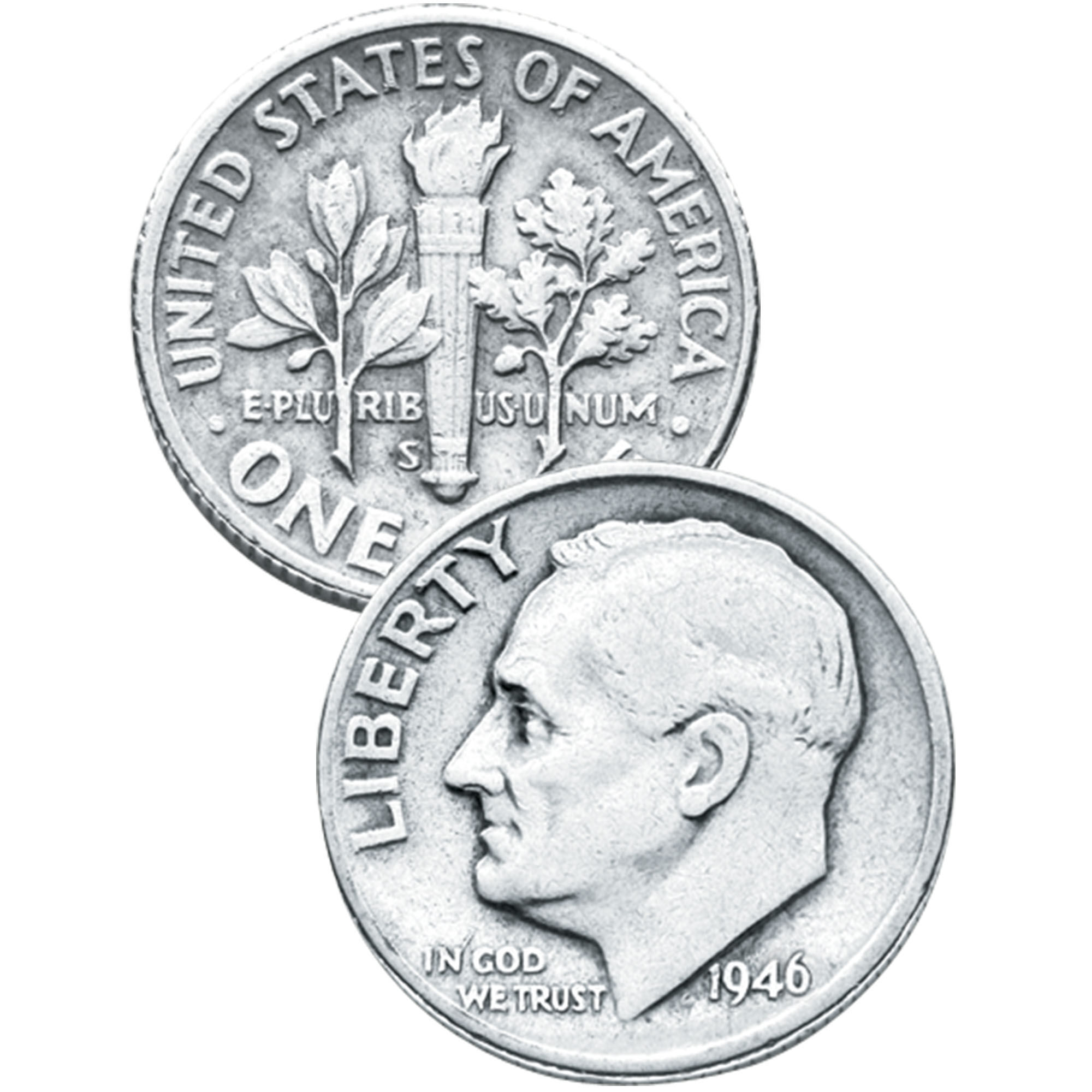
- The 1964 Cutoff: The most straightforward rule of thumb is that any U.S. dime dated 1964 or earlier is made of 90% silver. This includes all “Roosevelt” dimes from their introduction in 1946 through 1964.
- Pre-1934 Dimes: Before 1934, dimes were made of 90% silver and 10% copper. However, there was a brief period in 1933 where no dimes were minted for circulation due to the economic crisis.
- Mint Marks: The mint mark, typically found on the reverse of dimes (below the fasces for Mercury and Roosevelt dimes, or on the reverse below the wreath for Barber dimes), indicates where the coin was minted. Common mint marks include “P” (Philadelphia, though often absent on older coins as Philadelphia was the primary mint and didn’t initially use a mint mark), “D” (Denver), and “S” (San Francisco). The mint mark does not affect the silver content of a dime from the pre-1965 era; all dimes from that period are silver, regardless of the mint.
Special Cases and Rarities
While the general rules are clear, there are always exceptions and special cases that can add complexity and value for collectors.
- Proof Coins: Proof coins are specially struck coins with a higher quality finish, often intended for collectors. Silver dimes produced as proofs before 1965 maintain their 90% silver composition.
- Error Coins: Occasionally, mint errors can occur. For instance, a clad coin struck on a silver planchet (the blank metal disc used for minting) or vice versa, could exist. These are extremely rare and would be highly valuable to collectors. However, identifying such errors requires significant expertise.
- Bicentennial Dimes (1976): The U.S. Bicentennial coinage program in 1976 featured special designs for quarters, half-dollars, and dollars. While dimes also had a special design issued in 1976, these were not made of silver. They followed the standard clad composition of the era.
The Value of Silver Dimes: Numismatic vs. Melt Value
The value of a silver dime is determined by two primary factors: its numismatic (collector) value and its melt value (the value of its silver content). For most common silver dimes, the melt value is often the dominant factor, but rare dates, mint marks, or coins in exceptionally high grades can command significant premiums above their silver content.
Melt Value Calculation
The melt value of a silver dime is directly tied to the current market price of silver. Since pre-1965 dimes are 90% silver, their melt value can be calculated by:
- Weight of Silver: A dime weighs approximately 2.5 grams. 90% of this is silver, so the silver content is 2.5 grams * 0.90 = 2.25 grams of pure silver.
- Conversion to Troy Ounces: Precious metals are typically traded in troy ounces. One troy ounce is approximately 31.1035 grams. Therefore, 2.25 grams is equal to 2.25 / 31.1035 ≈ 0.0723 troy ounces of silver.
- Multiplying by Silver Price: Multiply the troy ounces of silver by the current market price of silver per troy ounce. For example, if silver is trading at $25 per troy ounce, the melt value of a silver dime would be approximately 0.0723 * $25 = $1.8075.
It’s important to remember that this is an approximation, and the exact weight of individual coins can vary slightly. The spot price of silver fluctuates daily, so the melt value will change accordingly.
Numismatic Value and Key Dates
The numismatic value of a silver dime can far exceed its melt value, especially for rare or highly sought-after specimens. This value is influenced by several factors:
- Date and Mint Mark: Certain dates and mint marks are rarer than others due to lower mintage numbers or specific historical circumstances. For example, the 1916-D Mercury dime is a highly valuable key date due to its low mintage and the fact that it was the first year of the design.
- Condition (Grade): The condition of a coin, graded on a scale from Poor (P-1) to Mint State (MS-70), significantly impacts its value. Coins in pristine, uncirculated condition (Mint State) are far more valuable than those that are worn or damaged. Professional grading services like PCGS and NGC provide standardized grading that collectors rely on.
- Rarity and Eye Appeal: Beyond key dates, any coin with exceptional eye appeal or unique characteristics that make it rare can be highly prized. This includes coins with unusual toning, striking details, or historical significance.
- Errors and Varieties: As mentioned, rare mint errors or recognized varieties (minor, often unintended, differences in the coin’s strike) can dramatically increase a coin’s numismatic value.
For the average collector or someone just starting to explore silver dimes, the majority of pre-1965 dimes will have a melt value that is a good starting point for understanding their worth. However, it’s always wise to research specific dates and mint marks to understand their potential numismatic significance.
Conclusion: Appreciating the Silver Dime’s Legacy
The question “what dimes are silver?” leads us on a journey through American monetary history, revealing a time when our pocket change was intrinsically valuable due to its precious metal content. From the early draped busts to the iconic Mercury dimes and the final silver Roosevelt issues, these coins represent a tangible connection to the past. Understanding the composition of these dimes—primarily 90% silver and 10% copper until 1964—is the first step in appreciating their significance.
The transition to clad coinage in 1965 marked a pivotal shift, driven by economic realities, making modern dimes far less valuable in terms of their metal content. However, the allure of silver dimes remains strong for collectors and investors. Identifying them through their dates, mint marks, and crucially, the appearance of their edges, allows for the potential discovery of pieces with both intrinsic and numismatic value.
Whether you’re looking to identify inherited coins, build a collection, or simply understand the changing face of U.S. currency, knowing which dimes are silver is an essential piece of knowledge. These coins are more than just currency; they are historical artifacts, miniature works of art, and for many, a gateway into the fascinating world of numismatics and precious metals. The legacy of the silver dime endures, not just in its metallic content, but in the stories and history it holds.
aViewFromTheCave is a participant in the Amazon Services LLC Associates Program, an affiliate advertising program designed to provide a means for sites to earn advertising fees by advertising and linking to Amazon.com. Amazon, the Amazon logo, AmazonSupply, and the AmazonSupply logo are trademarks of Amazon.com, Inc. or its affiliates. As an Amazon Associate we earn affiliate commissions from qualifying purchases.