
In the world of high-end spirits, names are not merely descriptors; they are powerful brand assets that dictate market value, consumer perception, and regulatory protection. To the uninitiated, the terms “bourbon” and “whiskey” are often used interchangeably. However, from a brand strategy perspective, the distinction between the two represents one of the most successful examples of product differentiation and intellectual property management in history.
Understanding the difference between bourbon and whiskey is not just a lesson in distillation—it is a masterclass in how a category can be segmented to create a premium sub-brand that commands global respect.

1. The Anatomy of a Brand Category: Defining the Whiskey Umbrella
To understand the brand power of bourbon, we must first look at the “parent brand”: Whiskey. In marketing terms, whiskey functions as a broad category, similar to how “automobile” or “smartphone” defines a general class of products.
The Master Brand: What is Whiskey?
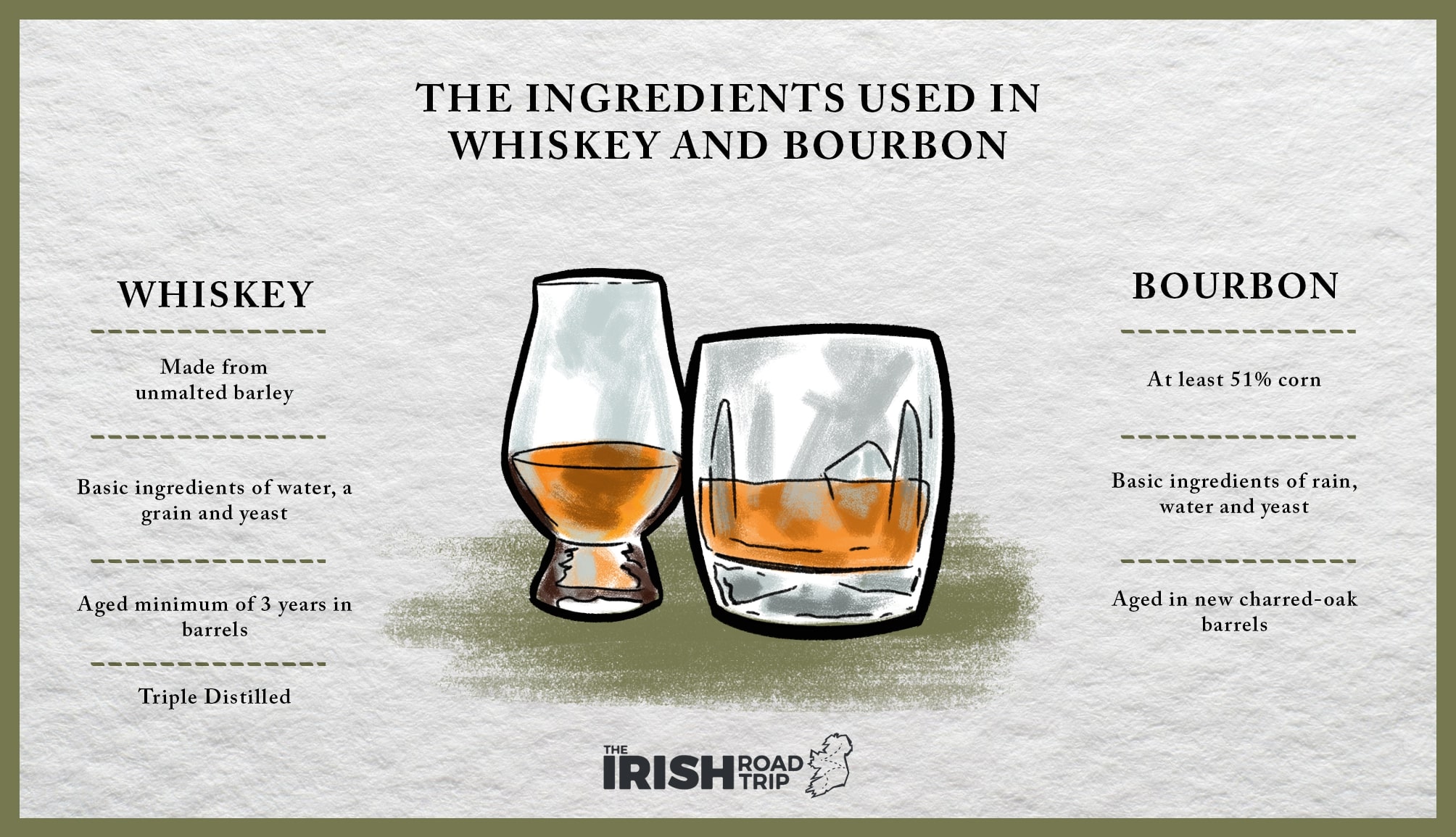
At its core, whiskey is a spirit distilled from fermented grain mash. Whether it is barley, corn, rye, or wheat, the resulting liquid is aged in wood containers. This broad definition allows for immense variety, covering everything from Scotch and Irish Whiskey to Japanese and Canadian blends. Because the “Whiskey” brand is so broad, it lacks the specific emotional resonance or quality guarantee that more niche sub-brands offer.
Strategic Segmentation: Geographic and Procedural Variations
The global spirits market relies on segmentation to help consumers navigate choices. A brand manager for an Irish Whiskey focuses on “smoothness” and triple distillation, while a Scotch brand emphasizes “peat” and “heritage.” This segmentation allows companies to target specific consumer psychographics. However, no sub-brand has managed the feat of “identity-as-quality” quite as effectively as bourbon. By narrowing the definition of what a whiskey can be, bourbon producers have successfully carved out a high-value niche that is protected by law and cherished by enthusiasts.
2. Bourbon: A Case Study in Regulatory Brand Protection
In the business world, a brand is only as strong as its ability to protect its unique selling proposition (USP). Bourbon’s USP is anchored in a strict legal framework that serves as a barrier to entry for competitors. In 1964, the U.S. Congress recognized bourbon as a “distinctive product of the United States.” This was a pivotal moment in corporate identity, transforming a beverage into a national brand asset.
The Legal Framework of Authenticity
For a spirit to carry the “Bourbon” brand on its label, it must adhere to a rigid set of criteria. These are not merely recipes; they are brand standards that ensure consistency and trust:
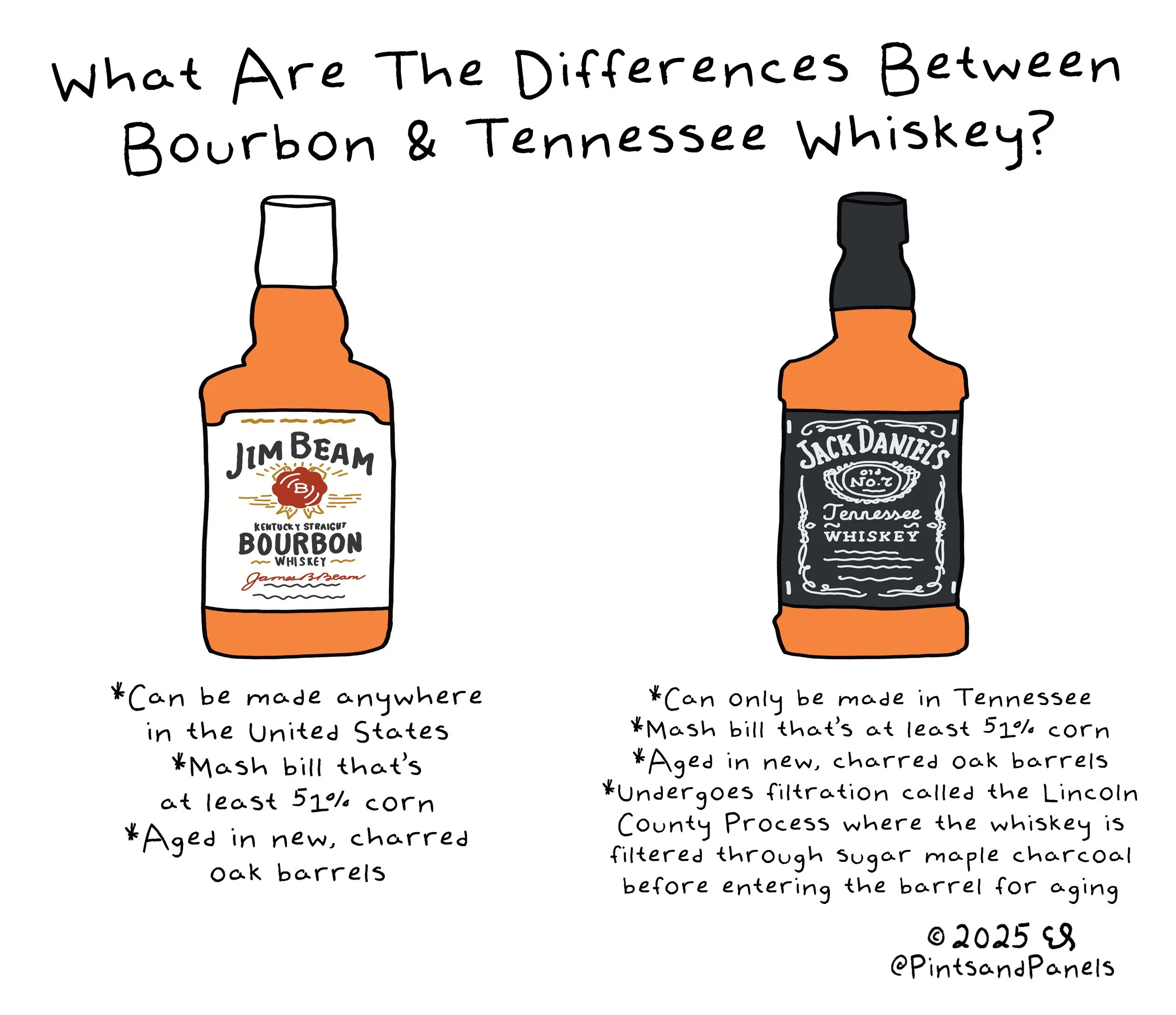
- The Grain Bill: It must be made of at least 51% corn, providing a sweeter, fuller-bodied profile that distinguishes it from the spicier notes of rye or the smokiness of Scotch.
- The Vessel: It must be aged in new, charred oak containers. This is a critical branding element, as it guarantees the deep amber color and vanilla-caramel notes that consumers associate with the bourbon brand.
- The Purity: No additives are allowed. While “whiskey” can often be colored with caramel or flavored, bourbon is a “clean” brand. If it’s in the bottle, it came from the grain, the water, and the wood.
Why “Made in America” is a Core Brand Pillar
While bourbon can technically be made anywhere in the United States, it is inextricably linked to American identity. From a brand strategy standpoint, this creates a “Country of Origin Effect.” Just as consumers associate Germany with engineering or France with luxury fashion, the global market associates America with bourbon. This geographic branding makes the product feel “authentic” and “rooted,” which are two of the most valuable traits a brand can possess in the modern era of consumerism.
3. The Marketing of Heritage and Terroir
Effective branding often relies on storytelling, and bourbon has one of the richest narratives in the beverage industry. The distinction between a generic whiskey and a bourbon is often told through the lens of “The Kentucky Heartland.”
The Narrative of the Kentucky Heartland
Approximately 95% of the world’s bourbon is produced in Kentucky. Brand managers have leveraged this to create a sense of terroir—the idea that the environment (the limestone-filtered water, the extreme temperature swings that age the barrels) is something that cannot be replicated elsewhere. By tying the product to a specific place, bourbon brands move from being a commodity to being a “destination” in a bottle. This narrative is so powerful that it has birthed the “Bourbon Trail,” a tourism machine that reinforces brand loyalty through immersive experiences.
Crafting the “Premium” Perception
The transition of bourbon from a “working man’s drink” to a luxury collectible is a triumph of marketing. By emphasizing the “Small Batch” and “Single Barrel” designations, brands like Blanton’s or Eagle Rare have used scarcity and craftsmanship as primary brand drivers. They have educated the consumer to look for the nuances between different bourbon brands, effectively moving the conversation away from price and toward “the experience of the pour.”
4. Consumer Psychology: Why the Label Matters
In branding, the label is a contract between the producer and the consumer. The word “Bourbon” acts as a shorthand for a specific set of expectations. When a consumer chooses bourbon over a generic “blended whiskey,” they are often making a psychological choice about their own identity and values.
The Value Proposition of “Straight Bourbon”
The term “Straight Bourbon” is a further refinement of the brand. To be “straight,” the spirit must be aged for at least two years. This adds a layer of “quality assurance” to the brand. In an age of instant gratification, a brand that prides itself on waiting years before a product hits the shelf communicates patience, tradition, and uncompromising standards. This “slow-brand” philosophy allows for higher price points and stronger customer retention.
Exclusivity and the Secondary Market Branding
The brand distinction between bourbon and whiskey has reached such a height that a secondary market for rare bourbons has emerged. Bottles of Pappy Van Winkle or Michter’s 20-Year-Old are not just drinks; they are Veblen goods—products for which demand increases as the price goes up because they serve as status symbols. This level of brand equity is rarely seen in the broader “whiskey” category, proving that specific categorization and rigorous standards are the keys to building a legendary brand.
5. Strategic Lessons for Modern Brand Managers
The story of bourbon vs. whiskey offers several actionable insights for professionals in brand strategy, marketing, and corporate identity. It demonstrates how to turn a commodity into a premium asset through discipline and storytelling.
Protecting Your Intellectual Property
The primary lesson is the importance of “Brand Protection.” If the standards for bourbon were relaxed, the market would be flooded with inferior products, diluting the brand’s prestige. For any business, identifying what makes your “Premium” offering unique—and then ruthlessly protecting those standards—is essential for long-term survival. Whether it is a software “Pro” tier or a luxury fashion line, the “rules” of the brand must be clear and enforceable.
Scaling Without Diluting the Brand Identity
As bourbon has grown into a multi-billion-dollar global industry, the challenge has been scaling production while maintaining the “craft” image. Modern bourbon giants have managed this by creating “sub-brands” or “orphan brands” that feel artisanal, even if they are produced by large conglomerates. This “house of brands” strategy allows a company to capture different market segments (from the budget-conscious to the high-end collector) without damaging the core identity of the flagship product.
In conclusion, the difference between bourbon and whiskey is a masterclass in the power of branding. Whiskey is the world; bourbon is a specific, curated experience within that world. By utilizing legal protections, geographic heritage, and psychological positioning, bourbon has transcended its liquid form to become a global symbol of American craftsmanship and premium quality. For brand builders in any industry, the lesson is clear: specificity creates value, and a well-protected name is the most valuable asset you can own.
aViewFromTheCave is a participant in the Amazon Services LLC Associates Program, an affiliate advertising program designed to provide a means for sites to earn advertising fees by advertising and linking to Amazon.com. Amazon, the Amazon logo, AmazonSupply, and the AmazonSupply logo are trademarks of Amazon.com, Inc. or its affiliates. As an Amazon Associate we earn affiliate commissions from qualifying purchases.