
In the high-octane world of Formula 1, drivers are more than just athletes; they are multi-million dollar personal brands. Every word spoken into a radio, every gesture made in the paddock, and every post shared on social media contributes to a complex tapestry of brand identity that involves sponsors, fans, and global corporations. Recently, the racing world was rocked by the question: “What did Yuki Tsunoda say?” Following an outburst during a qualifying session at the Austrian Grand Prix, the Japanese driver found himself at the center of a firestorm regarding the use of an ableist slur.
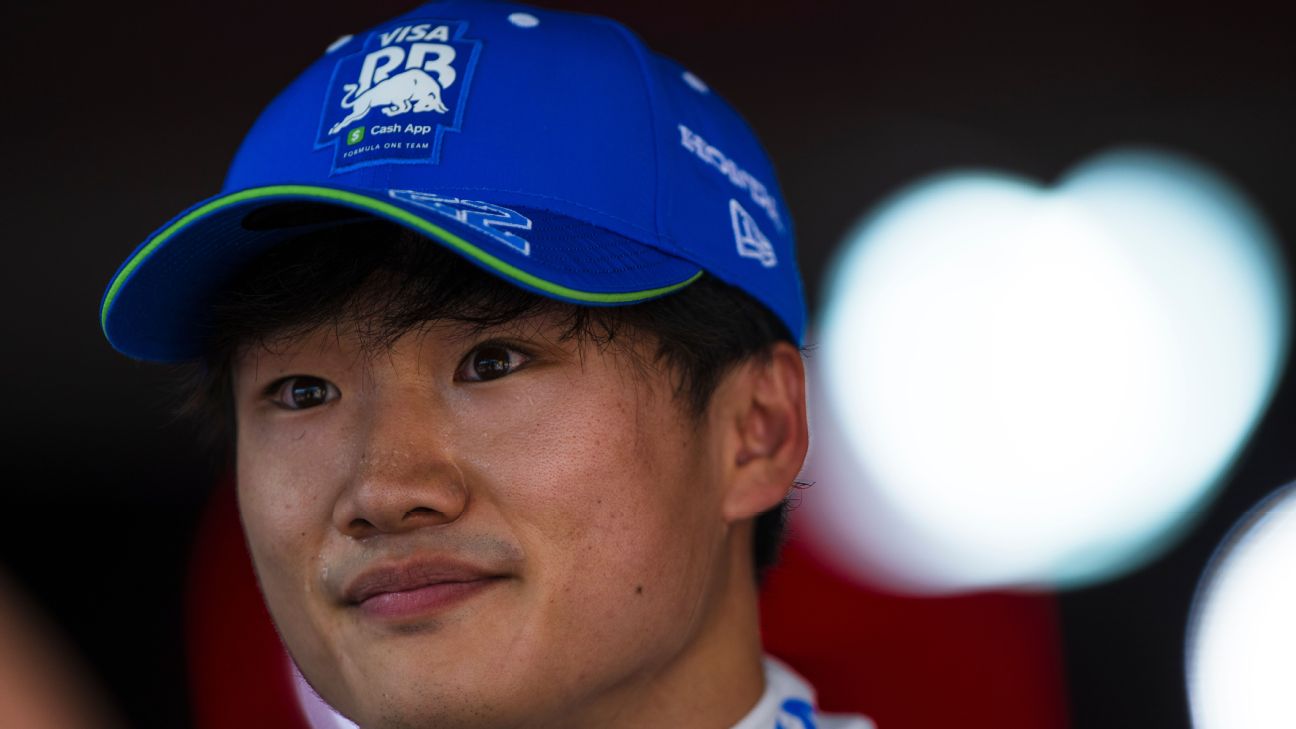
This incident serves as a critical case study in brand management. It highlights the fragile nature of personal branding in the digital age, where the line between “authentic emotion” and “brand liability” is razor-thin. For professionals in marketing, corporate identity, and personal branding, the fallout from Tsunoda’s comments provides a masterclass in how words can jeopardize years of reputation building and what it takes to navigate a crisis in the public eye.
The Power and Peril of the Micro-Moment in Personal Branding
A personal brand is often built through thousands of small, intentional actions. However, in the era of live broadcasts and constant surveillance, it can be dismantled in a single “micro-moment.” Yuki Tsunoda’s brand has historically been characterized by his “fiery” and “candid” personality—a trait that many fans initially found endearing. Yet, there is a point where “candor” crosses into “toxicity,” and that transition marks the moment a brand asset becomes a brand liability.
The Immediate Fallout: Real-Time Reputation Damage
When Tsunoda uttered an ableist slur over the team radio, the damage was instantaneous. In the context of modern brand strategy, reputation is no longer something that decays over time; it is something that can be shattered in milliseconds. Because Formula 1 is broadcast to millions, the offensive language was immediately captured, transcribed, and disseminated across social platforms.
From a brand perspective, the damage wasn’t just to Tsunoda’s image, but to the perceived inclusivity of the sport itself. Brands that align with F1, such as Oracle, Visa, and Cash App, invest heavily in appearing progressive and socially responsible. When a key figure in the ecosystem uses derogatory language, it creates “brand friction” for every associated partner.
Why Authenticity Must Be Balanced with Professionalism
The modern branding “mantra” often emphasizes being your authentic self. For Tsunoda, his brand was “the emotional driver.” However, this controversy proves that authenticity without a filter is a recipe for disaster. In personal branding, professionalism acts as the guardrail for authenticity.
When a brand’s “authenticity” begins to infringe upon the dignity of a specific demographic, it ceases to be a unique selling point (USP) and becomes a PR nightmare. The lesson here is that a personal brand must be sustainable. If your brand relies on being “volatile,” you are effectively building a house on a fault line. True brand resilience comes from a foundation of values that can withstand the heat of high-pressure environments.
Crisis Management: Analyzing the Brand Recovery Strategy
Once the words were out, the clock began ticking. In brand strategy, the “Golden Hour” refers to the immediate aftermath of a crisis where the narrative is still malleable. How Tsunoda and the RB (Racing Bulls) team handled the situation provides insight into contemporary crisis communication.
The Anatomy of a Modern Public Apology
Tsunoda’s apology was swift and direct. He took to social media to express his regret, stating that he “completely misunderstood the meaning” of the word he used. From a brand recovery standpoint, this was a calculated move. A successful brand apology must contain three elements: acknowledgment of the harm, an explanation (not an excuse), and a commitment to change.
By admitting he was not a native English speaker and had misunderstood the weight of the slur, he attempted to pivot the brand narrative from “malice” to “ignorance.” While ignorance is not a total defense, in the world of branding, it is a more “recoverable” position than intentional bigotry. It allows the brand to transition into a “learning and growth” phase, which can eventually become part of a reformed brand identity.
Accountability as a Brand Asset
The FIA (Fédération Internationale de l’Automobile) imposed a significant fine on Tsunoda, half of which was suspended provided there are no further incidents. From a branding perspective, accepting this punishment without contest was vital.
When an individual or a brand fights back against justified criticism, they often trigger the “Streisand Effect,” drawing more attention to the failure and appearing arrogant. By accepting the fine and the steward’s decision, Tsunoda’s team signaled to sponsors that the driver is coachable and accountable. In corporate identity, accountability is a powerful tool for rebuilding trust with stakeholders who may have been alienated by the initial event.
The Corporate Shadow: How Individual Actions Reflect on the Parent Brand
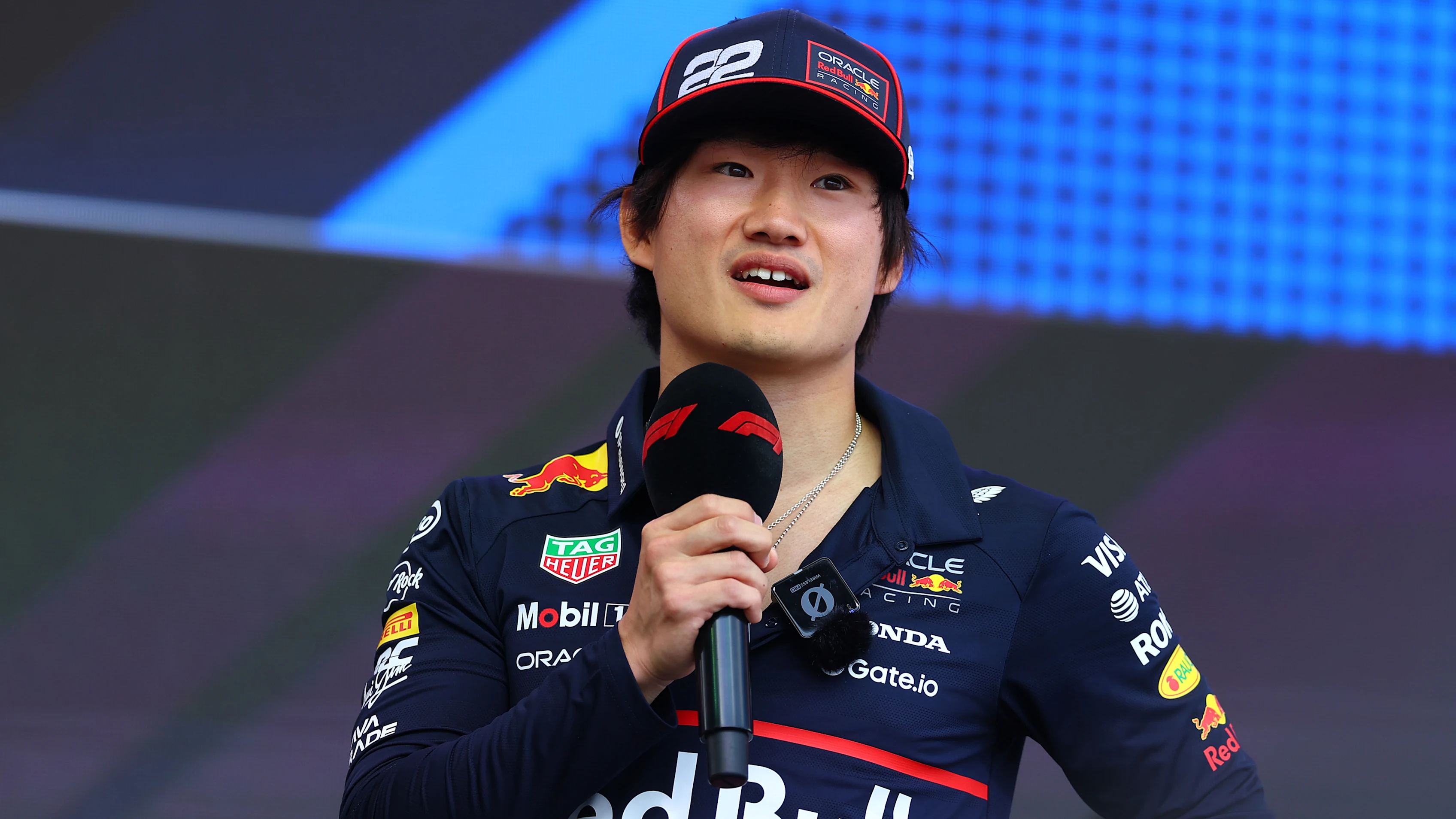
No personal brand exists in a vacuum. Yuki Tsunoda is a representative of the Red Bull family, specifically the Visa Cash App RB team. His actions cast a shadow—either positive or negative—on the multi-billion dollar entities that fund his career.
Red Bull Racing and the Standards of Global Identity
Red Bull has spent decades building a brand synonymous with “giving you wings” and pushing the limits of human potential. Their brand is edgy, yes, but it is also highly disciplined. When a driver under their umbrella uses offensive language, it creates a misalignment with the corporate identity.
Large-scale brands must manage “brand contagion.” This is the risk that the negative associations of one part of the organization (the driver) will infect the rest of the organization (the team and the energy drink company). The swift condemnation from the team was not just about ethics; it was a defensive maneuver to insulate the parent brand from the fallout. It established a clear boundary: the driver’s words do not represent the company’s values.
Navigating Cultural Sensitivities in an International Market
Formula 1 is a global sport with a massive presence in Europe, the Americas, and Asia. A brand that succeeds in this space must be culturally fluent. What might be perceived as a “mistranslation” in one market can be a “terminable offense” in another.
For Tsunoda, a Japanese driver racing for an Italian-based team owned by an Austrian company, the brand complexity is immense. This incident highlights the need for “cultural intelligence” in personal branding. For any brand operating on a global stage, understanding the historical and social weight of language is not optional; it is a prerequisite for brand safety.
Building a Resilient Brand in the Age of Constant Surveillance
The question “What did Yuki Tsunoda say?” will eventually fade from the headlines, but the impact on his brand longevity remains. To survive this, Tsunoda must move beyond mere apology and toward brand re-engineering.
From “Hot-Headed” to “Professional”: Re-engineering a Public Image
Before this incident, Tsunoda’s brand was already trending toward a need for maturity. He was known for his outbursts on the radio, which were often played for laughs in “Drive to Survive.” However, this latest event has signaled the end of the “lovable rogue” era.
To protect his brand value—and his seat in F1—Tsunoda must now consciously pivot his brand toward “disciplined professional.” This involves a change in behavior that is visible and consistent. In branding, a pivot is only successful if it is backed by a long-term change in output. For an athlete, this means fewer radio outbursts and more focus on technical excellence and community engagement.
The Long-Term Value of Brand Maturity
Investors and sponsors value stability. A “volatile” brand is a high-risk investment. By demonstrating that he can learn from this mistake, Tsunoda has the opportunity to build a more resilient, mature brand.
Brand maturity is the ability to handle pressure without compromising the values of the partners you represent. If Tsunoda can successfully navigate the next 12 to 18 months without a similar lapse in judgment, he can transform this crisis into a story of personal growth. In the world of storytelling—which is what branding ultimately is—the “redemption arc” is one of the most powerful and profitable narratives available.
Conclusion: The Final Word on Brand Integrity
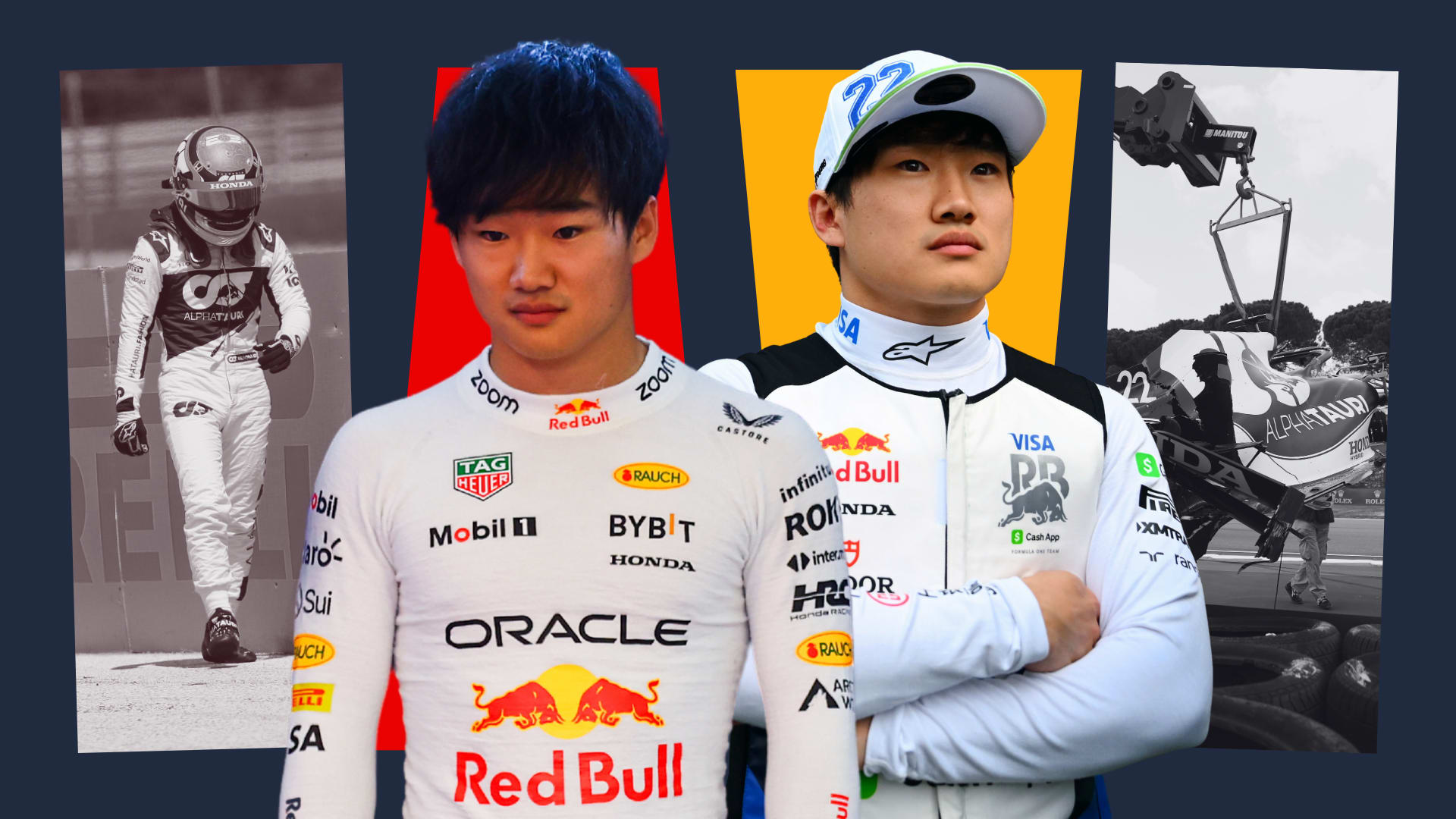
What Yuki Tsunoda said was a stark reminder that in the world of personal branding, your voice is your most potent tool—and your most dangerous liability. In a landscape where every word is recorded and analyzed, brand integrity is maintained through a constant alignment of speech, action, and values.
For professionals looking to build their own brands or manage corporate identities, the Tsunoda incident offers three clear takeaways:
- Preparedness is Key: Know your values before the crisis hits.
- Swift Accountability: Own the mistake to prevent the narrative from spiraling.
- Corporate Alignment: Ensure that the individual brand always respects the standards of the collective brand.
In the end, a brand is not what you say it is; it is how the world perceives you based on what you do and say when the pressure is at its highest. For Yuki Tsunoda, the race to rebuild his brand has only just begun.
aViewFromTheCave is a participant in the Amazon Services LLC Associates Program, an affiliate advertising program designed to provide a means for sites to earn advertising fees by advertising and linking to Amazon.com. Amazon, the Amazon logo, AmazonSupply, and the AmazonSupply logo are trademarks of Amazon.com, Inc. or its affiliates. As an Amazon Associate we earn affiliate commissions from qualifying purchases.