
The advent of modern menstrual hygiene products, particularly disposable pads and tampons, has profoundly shaped how women manage their periods. This technological and societal evolution, however, often eclipses the historical reality of menstrual management. Before the mass production and widespread availability of the products we now take for granted, women across different cultures and eras relied on a diverse array of natural materials and ingenious methods. Understanding these practices offers not just a glimpse into historical ingenuity but also highlights the significant advancements in personal hygiene technology that have become integral to contemporary life. This exploration delves into the technological underpinnings and the evolution of materials science that paved the way for modern menstrual products, framing it within the broader context of technological innovation in personal care.
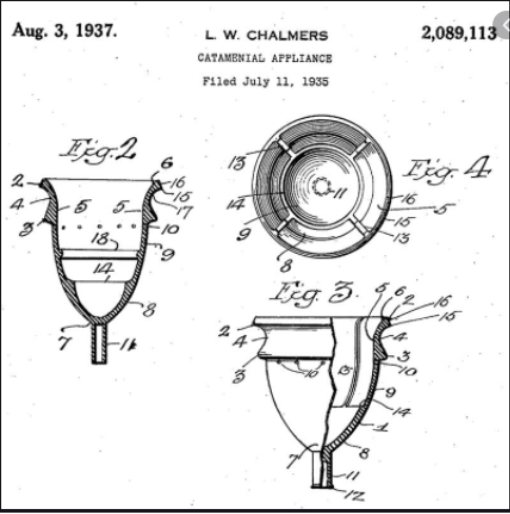
The Dawn of Ingenuity: Natural Materials and Early Adaptations
The fundamental challenge of menstruation has always been absorbency and containment. Before synthesized materials and specialized designs, women ingeniously leveraged the natural world to address this need. These early solutions were often localized, reflecting the available flora and fauna, and deeply intertwined with cultural knowledge passed down through generations. The development of rudimentary menstrual aids was not driven by industrial manufacturing but by practical necessity and observation of natural properties.
Vegetation as a Primary Resource
Across the globe, plants provided the most accessible and versatile resources for menstrual absorption. Different climates and regions offered unique botanical solutions, each with its own advantages and disadvantages.
Grasses and Mosses: The Ubiquitous Absorbents
In many temperate and grassland regions, dried grasses and mosses served as common menstrual materials. These were readily available, easy to gather, and possessed natural absorbent qualities. Women would collect soft, dried grasses, often tucking them into their undergarments or binding them with string or cloth to create a makeshift pad. Mosses, particularly sphagnum moss, were highly valued for their exceptional absorbency and natural antiseptic properties. This moss could absorb many times its weight in liquid, making it a more effective, albeit less discreet, option. The process of gathering and preparing these materials was a recurring task, emphasizing the cyclical nature of menstrual care.
Plant Fibers and Leaves: Tailored Solutions
Other plant-based materials were also employed, often chosen for their specific textures and capacities. Large, soft leaves, such as those from banana or palm trees, were sometimes used as a form of internal plug or an external wrap. These were typically pliable and could be folded or shaped to fit the body. Additionally, the fibrous inner bark of certain trees was processed into a softer material that could be used similarly to cotton or linen. These adaptations highlight an early form of material science, where women identified and utilized the inherent properties of their environment for personal well-being. The ability to process these raw materials, whether by pounding bark or drying grasses, represents a foundational aspect of ancient textile and hygiene technology.
Animal Products: Beyond Vegetation
While plants dominated, certain animal-derived materials also played a role in historical menstrual hygiene, particularly in cultures with readily available animal resources.
Animal Hides and Furs: The Durable Options
In some colder climates or nomadic societies, processed animal hides and furs were utilized. Soft, pliable leather could be fashioned into rudimentary menstrual belts or pouches. Furs, with their dense and absorbent fibers, could also offer warmth and absorption. These materials were durable and could be cleaned and reused, representing a more sustainable, though perhaps less comfortable, approach compared to single-use natural materials. The tanning and softening of hides, while a laborious process, was a significant technological achievement in ancient material processing, demonstrating an understanding of how to transform raw animal products into usable items.
The Evolution of Textile Technology and Early Reusables
As textile production advanced, so too did the sophistication of menstrual management. The ability to spin fibers into threads and weave them into fabrics opened up new possibilities for creating more comfortable, effective, and reusable menstrual products. This marked a crucial step away from purely natural, unprocessed materials towards more deliberately engineered solutions.
The Rise of Cloth: A More Refined Approach
The widespread availability of woven cloth, initially from linen and later from cotton, revolutionized menstrual hygiene. Cloth offered a softer, more comfortable, and more manageable alternative to loose grasses or bulky hides.
The ‘Moon Cloth’ and Menstrual Belts
Early forms of reusable menstrual cloths, often referred to as ‘moon cloths’ or simply rags, became common. These were typically made from absorbent cotton or linen fabric, often cut into rectangular shapes. Women would fold these cloths to achieve the desired thickness and absorbency. To secure them, menstrual belts were developed. These were essentially sashes or undergarments designed with a fastening mechanism, often featuring clips or ties, to hold the folded cloth in place. This invention represented a significant technological leap, providing a more secure and less intrusive method of managing menstruation. The design of these belts, while simple by modern standards, was a critical piece of personal technology that allowed for greater mobility and discretion.
Washing and Reuse: A Sustainable Cycle
The practicality of cloth relied heavily on the ability to wash and reuse it. This involved understanding hygiene practices of the time, including boiling water and using natural soaps to disinfect the cloths. While labor-intensive, this process was essential for maintaining hygiene and extending the lifespan of these menstrual products. The development of effective washing techniques and the understanding of germ theory, even in its nascent forms, were crucial for the continued use of reusable menstrual items. This highlights an early engagement with principles of public health and personal sanitation, driven by the need to manage a biological process.
Early Innovations in Absorbency
Beyond simple cloth, some historical practices involved layering or treating fabrics to enhance their absorbency. This could include using thicker weaves, incorporating fluffable fibers within the cloth layers, or even using materials known for their absorbent properties as inner linings. These were early attempts at material engineering, seeking to improve performance through design and combination.
Towards Modernity: The Seeds of Disposable Technology
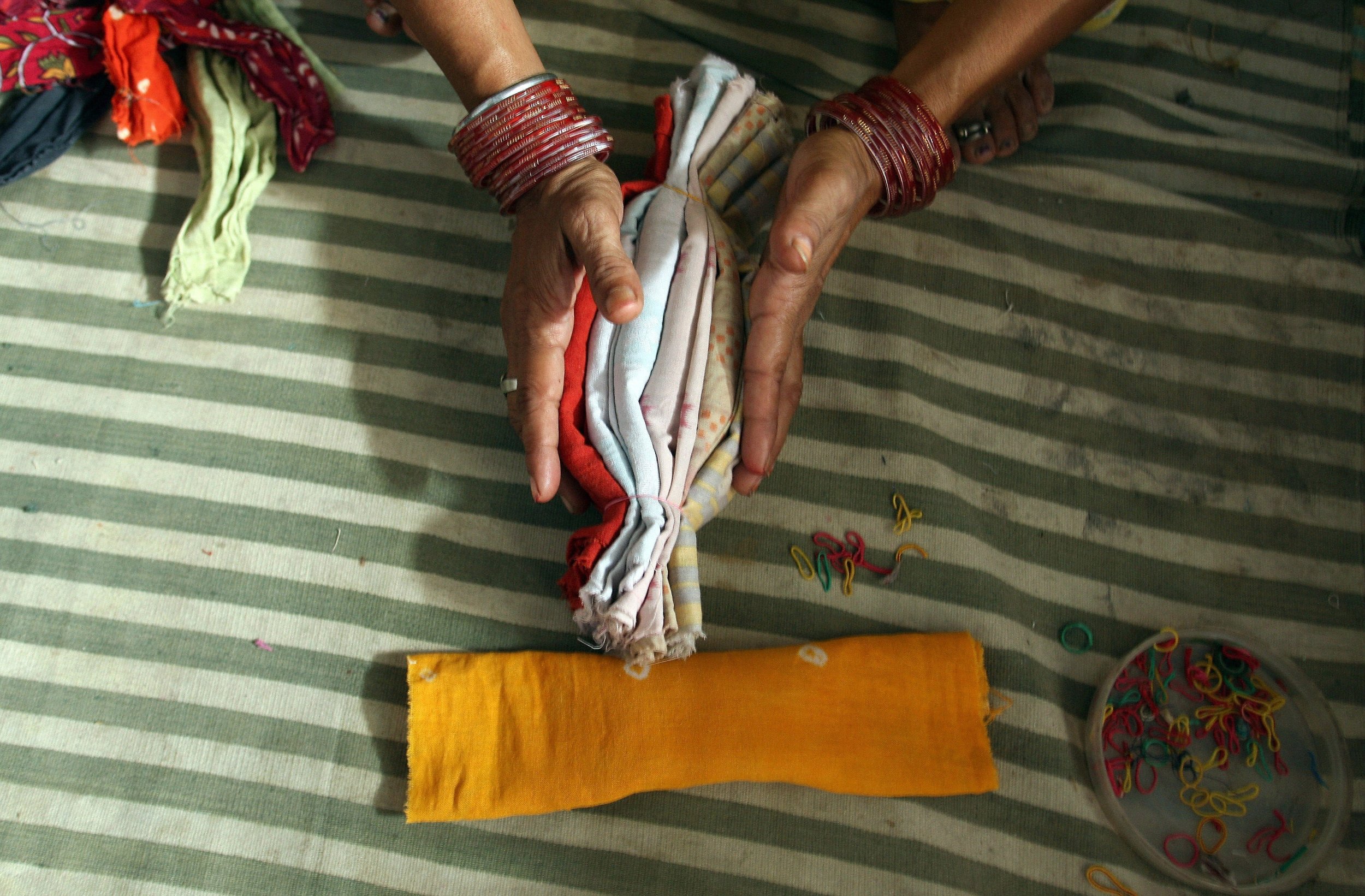
While reusable cloth products were the norm for centuries, the late 19th and early 20th centuries saw the first inklings of disposable menstrual technology. These developments were closely tied to advancements in materials science, manufacturing capabilities, and changing societal attitudes towards hygiene and convenience. The groundwork for the disposable revolution was laid by innovations that made absorbent materials more accessible and cost-effective.
The Influence of Medical Advancements and Material Science
The late 1800s witnessed significant breakthroughs in medicine and material science. The understanding of germ theory led to a greater emphasis on hygiene, and advancements in the paper and textile industries made new materials available on a large scale.
The Emergence of Cotton Wadding and Gauze
The development of processes to produce highly absorbent cotton wadding and medical gauze was pivotal. Cotton, with its natural absorbency and softness, could be processed into a fluffy, highly absorbent material. This was a far cry from simple woven cloth; it was a deliberately engineered absorbent medium. Medical gauze, a finely woven, absorbent fabric, also found applications. These materials were lighter, more absorbent, and easier to dispose of than traditional cloth.
Early Disposable Designs: Practicality Meets Innovation
The first disposable menstrual products were not the sleek, adhesive pads of today. They often resembled makeshift bandages or wound dressings. Companies began experimenting with packaging absorbent cotton wadding or gauze in a thin layer of cloth or paper, creating a pad that could be used once and then discarded. These early products were often secured with safety pins or simple ties, and their primary selling point was convenience – eliminating the need for washing. This marked a significant shift in thinking, moving from a sustainable, reusable model to one focused on single-use convenience, driven by technological advancements that made disposability feasible.
The “Sanitary Belt” Era and the Precursors to Adhesive Pads
The period leading up to the widespread adoption of disposable pads saw the refinement of the sanitary belt. These belts, often made of elasticated fabric, were designed to hold disposable absorbent pads in place. The pads themselves were typically cotton or rayon wadding wrapped in a thin layer of fabric, with no adhesive backing. Users would pin the pads to the belt. This system, while a step up from just using cloth rags, still required a garment specifically designed for menstrual management and manual attachment of the absorbent material. The evolution from simple cloth to these early disposable-in-concept products highlights a continuous drive for improved comfort, absorbency, and reduced labor in menstrual hygiene. It was this gradual build-up of material and design innovations that ultimately paved the way for the fully integrated and self-adhesive pads that would soon dominate the market.
The Technological Leap: From Concept to Consumer Product
The mid-20th century witnessed a paradigm shift in menstrual hygiene technology, primarily driven by advancements in adhesive technology and the mass production of synthetic absorbent materials. This period saw the transformation of a concept into a widely accessible and accepted consumer product, profoundly changing daily life for menstruating individuals.
The Invention of the Adhesive Strip: A Game Changer
The true revolution in disposable menstrual pads came with the integration of adhesive strips. This innovation transformed the pad from something that needed to be pinned or held in place to something that could be directly attached to underwear.
Early Adhesives and Their Limitations
Initial attempts at adhesive pads were somewhat crude. Early adhesives might have been based on rubber-based glues or other formulations that were not always reliable, could leave residue, or even irritate the skin. However, the fundamental concept of a self-adhering pad was revolutionary. It offered an unprecedented level of security and discretion, freeing women from the constraints of belts and pins. This innovation was a direct beneficiary of broader advancements in polymer chemistry and adhesive technology, which were gaining momentum during and after World War II.
The Rise of Superabsorbent Polymers (SAPs)
A subsequent, equally significant technological leap was the introduction of superabsorbent polymers (SAPs). These synthetic materials, typically sodium polyacrylate, have an extraordinary capacity to absorb and retain large quantities of liquid, far exceeding that of natural fibers like cotton.
Revolutionizing Absorbency and Slimness
SAPs enabled the creation of much slimmer, yet more absorbent, pads. This was a major breakthrough, offering improved comfort, discretion, and leak protection. The ability to lock away moisture effectively meant that pads could be thinner without compromising performance. This innovation was a direct result of intensive research and development in polymer science, a field that has continually pushed the boundaries of material capabilities. The development of SAPs is a prime example of how targeted scientific research can lead to transformative improvements in everyday products.
Mass Production and Marketing: Democratizing Access
The combination of improved materials (especially SAPs) and reliable adhesives, coupled with advancements in mass manufacturing techniques, made disposable pads affordable and accessible to a wider population.
Industrial Scale Manufacturing and Cost Reduction
The scaling up of manufacturing processes for absorbent materials and adhesive technologies significantly reduced the cost of production. This allowed companies to produce pads at a volume that met growing consumer demand, driving down prices and making disposable pads a viable option for most women. The industrialization of menstrual product manufacturing democratized access to a technology that had previously been a luxury or simply unavailable to many.
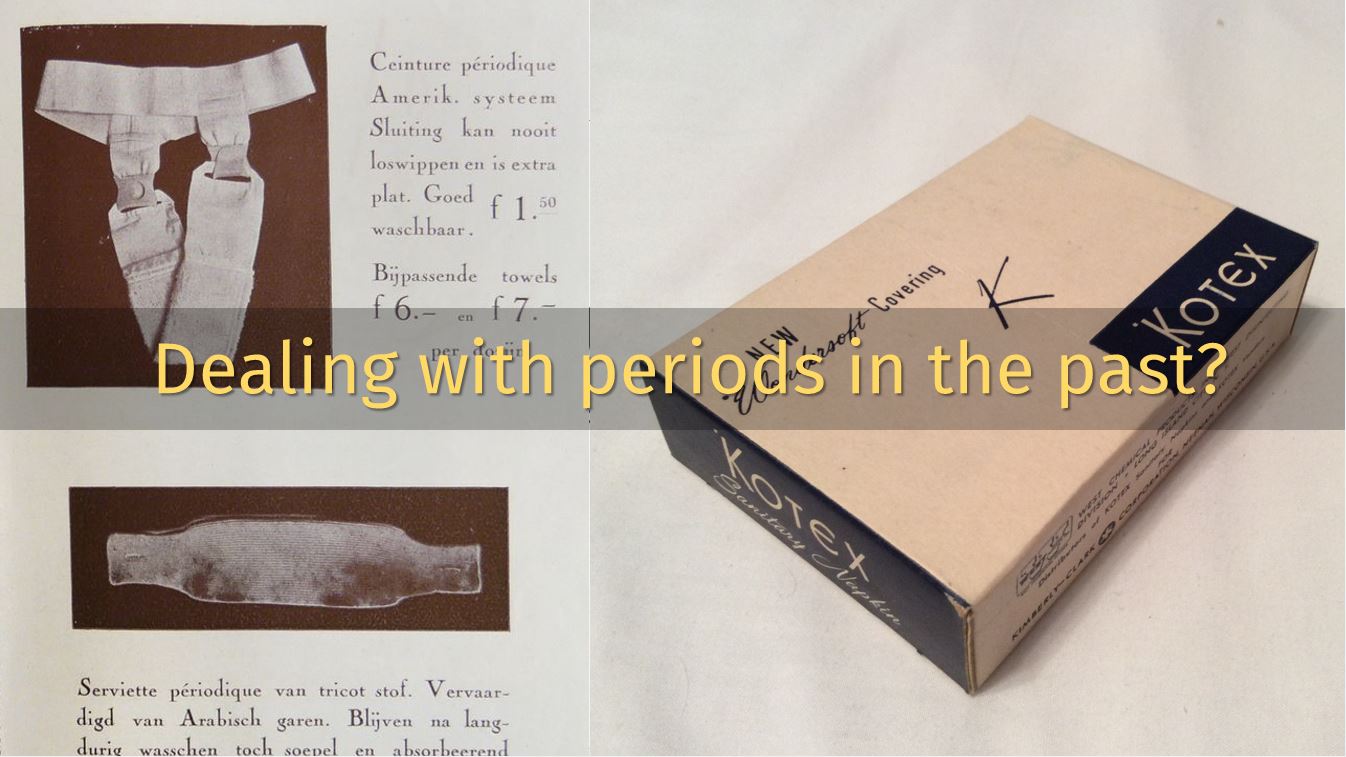
The Role of Marketing and Social Acceptance
Alongside technological advancements, marketing played a crucial role in the widespread adoption of disposable pads. Early marketing campaigns often focused on notions of cleanliness, freedom, and modern living, subtly contrasting these with older, perceived less hygienic methods. This shift in societal perception, amplified by advertising, contributed to the eventual displacement of reusable cloth methods for many. The technology was not just about the product itself, but also about how it was presented and integrated into societal norms. The successful marketing of these products represents a case study in how technological innovation can be paired with effective branding and communication strategies to achieve widespread consumer adoption.
The journey from rudimentary plant-based absorbents to the sophisticated, multi-layered disposable pads and tampons of today is a testament to human ingenuity and the relentless march of technological progress. Understanding what women did before pads offers a valuable perspective on the evolution of personal care, highlighting the crucial role of material science, manufacturing capabilities, and adhesive technology in shaping our modern experience. These advancements have not only improved comfort and hygiene but have also significantly impacted women’s daily lives, offering greater freedom and discretion in managing a natural biological process.
aViewFromTheCave is a participant in the Amazon Services LLC Associates Program, an affiliate advertising program designed to provide a means for sites to earn advertising fees by advertising and linking to Amazon.com. Amazon, the Amazon logo, AmazonSupply, and the AmazonSupply logo are trademarks of Amazon.com, Inc. or its affiliates. As an Amazon Associate we earn affiliate commissions from qualifying purchases.