
The release of Deadpool & Wolverine marked a pivotal moment in modern cinematic history, not merely as a box office triumph, but as a masterclass in brand resuscitation and legacy management. At the heart of this narrative is a singular, haunting question that drives the film’s emotional core: What did Wolverine do in his universe that earned him the title of the “worst” version of the character? From a brand strategy perspective, this plot point serves as a sophisticated mechanism to deconstruct a twenty-year-old intellectual property (IP) and rebuild it for a new era.

In the film, we learn that this specific iteration of Logan failed his world during a moment of crisis. While the X-Men were being targeted and slaughtered, Logan was absent—drowning his sorrows in a bar, paralyzed by his own internal demons. Upon returning to find his teammates dead, he spiraled into a blind rage, killing indiscriminately and ultimately tarnishing the reputation of the heroes he was supposed to lead. This backstory is not just a plot device; it is a strategic maneuver in character branding that allows Marvel to explore themes of failure, redemption, and the “anti-hero” archetype.
The Core Brand Conflict: Failure as a Catalyst for Rebranding
In the world of corporate branding, a crisis can either destroy an identity or provide the necessary friction for a total transformation. For the “Worst Wolverine,” his failure in his home universe acts as a brand reset. By stripping away the invincibility associated with the character, the filmmakers created a vulnerability that resonates with modern audiences who increasingly value authenticity over perfection.
The “Worst Wolverine”: A Case Study in Subverting Brand Expectations
For over two decades, the Wolverine brand was synonymous with resilience and ultimate heroism. To maintain interest in a legacy character, brand managers (in this case, writers and directors) must find ways to subvert expectations. By introducing a Logan who is defined by his greatest mistake rather than his greatest victory, the film effectively “rebrands” the character. This version of Wolverine carries the weight of a “failed brand” trying to find its place in a market (the Multiverse) that has moved on. The narrative focuses on the psychological toll of this failure, turning a two-dimensional action figure into a complex, tragic figure.
Shifting from Invincibility to Vulnerability
The power of the Wolverine brand has historically been his healing factor—the literal inability to be permanently damaged. However, Deadpool & Wolverine pivots the brand’s focus from physical healing to emotional recovery. In his universe, Logan’s inability to forgive himself is a “brand defect” that he must overcome. This shift is essential for brand longevity; if a character cannot evolve beyond their base traits, they become stagnant. By highlighting his failure to protect the X-Men, the narrative adds layers of “Brand Depth,” ensuring that the audience is invested in his internal journey as much as his external battles.
Building the “Logan” Brand Across Universes
The challenge of integrating Wolverine into the Marvel Cinematic Universe (MCU) was significant, particularly following the definitive conclusion of the character’s story in 2017’s Logan. From a strategic standpoint, bringing him back required a delicate balance: honoring the previous “brand equity” while introducing a new “product line.”
Preserving the Emotional Equity of the 2017 Finale
One of the primary concerns for the Marvel brand was the potential dilution of the emotional impact left by the film Logan. In that movie, the character’s death was a high-water mark for superhero storytelling. To avoid “brand cannibalization,” Deadpool & Wolverine explicitly acknowledges that the version of Logan from the 2017 film is dead. By selecting a version of Logan from a different universe—the one who failed his people—the studio preserved the integrity of the original “Brand Legacy” while opening up a new “Vertical” for storytelling.
The Multiverse as a Tool for Brand Expansion without Dilution
The Multiverse is often criticized as a confusing narrative trope, but in terms of brand strategy, it is an ingenious framework for “Brand Extensions.” It allows a company to test different versions of the same product without alienating the core customer base. By showing us glimpses of different Wolverines—from the short, comic-accurate version to the “Patch” persona—the film acts as a retrospective of the character’s brand history. However, the “Worst Wolverine” remains the primary focus because his brand narrative (the quest for redemption) provides the most compelling engagement for the “consumer” (the audience).
The Synergy of the Deadpool & Wolverine Co-Branding
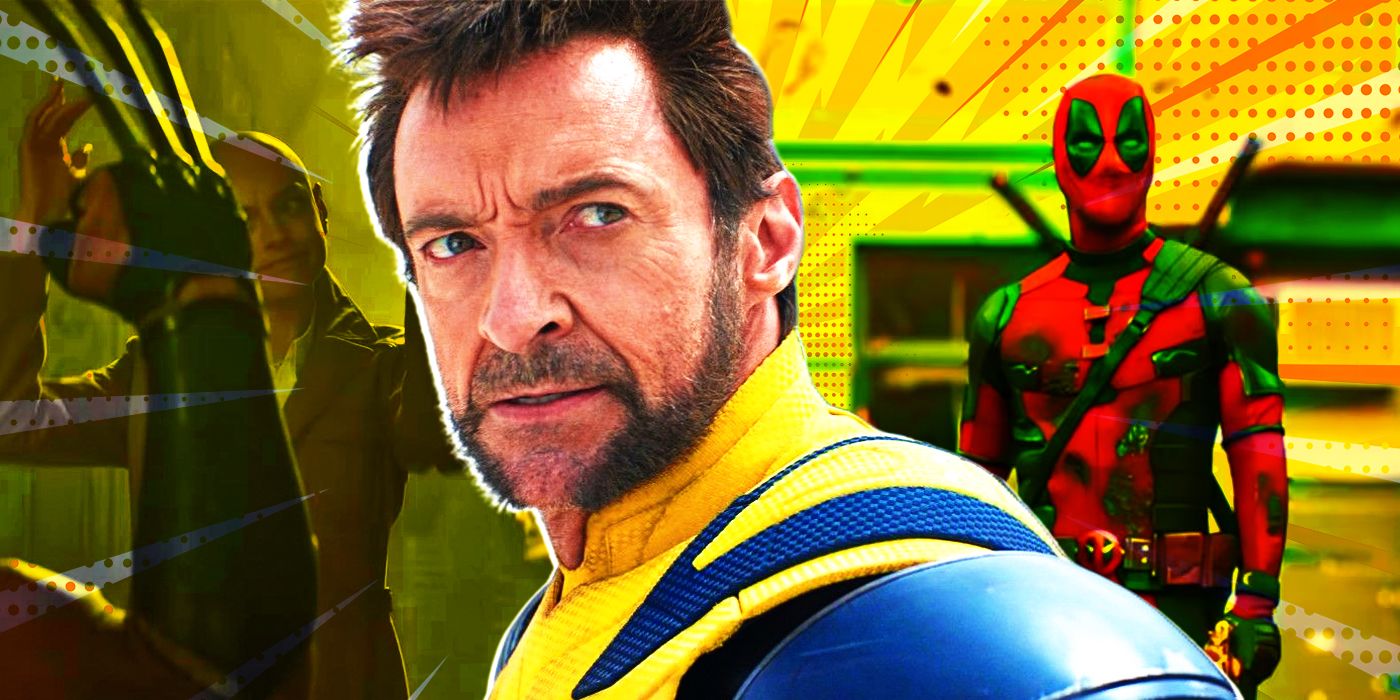
The film is a textbook example of a successful “Co-Branding” initiative. Just as Nike and Apple might collaborate on a product to capture different market segments, the pairing of Deadpool and Wolverine combines two distinct brand identities to create something greater than the sum of its parts.
Leveraging Paradoxes: The Irreverent vs. The Stoic
The Deadpool brand is built on irony, meta-commentary, and the breaking of the fourth wall. The Wolverine brand is built on grit, tragedy, and stoicism. These are “Opposing Brand Archetypes.” The genius of their partnership lies in how they challenge each other’s brand promises. Deadpool forces Wolverine to confront the absurdity of his world, while Wolverine forces Deadpool to acknowledge the weight of genuine stakes. This interaction forces the “Worst Wolverine” to move past his self-loathing, providing the necessary “Brand Growth” to move the plot forward.
Revitalizing the Marvel Cinematic Universe Corporate Identity
Following a series of lukewarm receptions to previous phases, the MCU as a “Parent Brand” needed a win. By utilizing the Wolverine brand—specifically the high-stakes narrative of his failure and redemption—Marvel successfully revitalized its corporate identity. The film proved that the MCU brand could still deliver high-quality, character-driven narratives that don’t rely solely on spectacle. The “Worst Wolverine” story provides the emotional anchor that was missing in more recent, tech-heavy entries, reminding the audience that the “Core Value Proposition” of Marvel is its characters.
Lessons in Longevity: The Hugh Jackman Personal Brand
We cannot discuss the Wolverine brand without discussing Hugh Jackman. Jackman’s personal brand is inextricably linked to the character, creating a rare synergy where the actor and the IP are viewed as a single entity.
Authenticity and Physical Commitment as Brand Assets
Jackman’s return to the role at age 55 is a testament to “Brand Consistency.” His physical transformation and commitment to the character’s intensity reinforce the brand’s promise of quality. For the “Worst Wolverine” arc to work, the audience had to believe in the character’s exhaustion and his subsequent rage. Jackman’s performance delivers on this, utilizing his own “Personal Brand Authority” to lend credence to a story about an aging hero seeking one last chance at relevance.
Managing Exit and Entry Strategies for Iconic Roles
The way Jackman has navigated his “retirement” and “un-retirement” from the role is a lesson in personal brand management. By being transparent with fans and ensuring that his return served a narrative purpose (the redemption of the “Worst Wolverine”), he avoided the “Cash-Grab” stigma. Instead, he enhanced his brand by showing a willingness to explore darker, more flawed versions of his most famous character. This strategic move ensures that his legacy remains untarnished while providing a blueprint for how other legacy actors can manage their iconic roles in the era of the Multiverse.
Conclusion: The Redemption of the “Worst” Product
Ultimately, what Wolverine did in his universe—failing his friends and letting his world fall into disrepute—served as the perfect “Brand Origin Story” for his debut in the MCU. It moved the character away from the polished, infallible hero and toward a more relatable, flawed individual.
In the world of brand strategy, the most successful brands are those that can admit fault, pivot, and find a new purpose. By the end of Deadpool & Wolverine, this version of Logan is no longer defined by his past failures but by his new role as a protector. He has successfully undergone a “Brand Rejuvenation.” For Marvel, the story serves as a reminder that even the most damaged IP can be restored to glory if the narrative is handled with care, authenticity, and a deep understanding of what the audience truly values: a story of a hero who, despite his worst mistakes, chooses to try again.
aViewFromTheCave is a participant in the Amazon Services LLC Associates Program, an affiliate advertising program designed to provide a means for sites to earn advertising fees by advertising and linking to Amazon.com. Amazon, the Amazon logo, AmazonSupply, and the AmazonSupply logo are trademarks of Amazon.com, Inc. or its affiliates. As an Amazon Associate we earn affiliate commissions from qualifying purchases.