
The question “what did the natives call America?” transcends a simple historical inquiry. In the realm of brand strategy, it serves as a profound metaphor for the enduring quest for authentic identity, an exploration of origin, and the pursuit of a name that truly resonates with the inherent spirit of a concept, product, or organization. Before a land is given a colonizer’s name, it possesses a deep, often spiritual, identity bestowed by those who understood its essence intimately. Similarly, before a brand is crafted, marketed, and widely recognized, it often holds an intrinsic identity, a “native name” whispered by its founders, its earliest adopters, or even the problem it sought to solve.

Understanding this “native name” isn’t about literal historical accuracy for a company; it’s about peeling back layers of corporate identity, marketing jargon, and strategic positioning to uncover the core truth, the initial spark, and the fundamental value proposition that gave birth to the brand. It’s about recognizing that every powerful brand, much like a ancient landscape, has an original, untainted identity that, if honored and understood, can provide an unparalleled foundation for connection, authenticity, and lasting resonance with its audience. This article delves into how brand strategists can ask and answer this metaphorical question to forge more meaningful and impactful brand narratives.
The Quest for Authentic Identity: Beyond the Given Name
Every successful brand, at its core, embodies an idea, a solution, or a passion that predates its official naming and external branding efforts. The search for “what did the natives call America” in a brand context is an endeavor to uncover this primordial identity—the raw, unfiltered truth of what the brand was before it became what it is in the market. It’s an exercise in brand archaeology, digging beneath the surface of logos, taglines, and ad campaigns to find the bedrock of its existence.
Unearthing Brand Genesis: The First Whisper
Before a company is incorporated or a product launched, there’s often a “first whisper”—an initial thought, a problem identified, a solution envisioned. This is the brand’s genesis, its conceptual Big Bang. What was the driving force behind the idea? What core need was it meant to fulfill? Who were the original dreamers, and what was their initial, unadulterated vision? These questions guide us to the brand’s original “native name”—not necessarily a literal label, but an intrinsic descriptor that captures its nascent form. For instance, before it was “Google,” it was “BackRub”—a name that precisely described its original function of analyzing backlinks. While the external name evolved, the core principle of organizing information remained. Understanding this genesis helps current brand stewards connect with the original intent and avoid diluting the brand’s fundamental purpose over time. It ensures that strategic decisions remain anchored to the core values that first brought the brand to life.
The Power of Origin Stories in Branding
The human mind is wired for stories. Our understanding of the world, our cultural heritage, and our personal identities are largely shaped by narratives. For brands, the origin story is not just a nice-to-have; it’s a vital component of authentic identity. It’s the legend of “what the natives called America”—the tale of how the land came to be named, understood, and revered by its first inhabitants. A brand’s origin story, when told compellingly and authentically, connects with audiences on an emotional level, providing context, meaning, and a sense of shared journey. It humanizes the brand, transforming it from a mere entity into a living narrative that people can relate to and believe in. Whether it’s the tale of a late-night garage innovation or a profound desire to solve a pervasive problem, these stories imbue the brand with soul and distinguish it in a crowded marketplace. They are the ancestral memories that give the brand depth and resonance.
More Than a Label: A Reflection of Core Values
A brand’s “native name” isn’t just a word; it’s a reflection of its foundational values. These are the principles that guided its creation and continue to inform its mission. In the metaphor of “America,” the native names for the land often described its features, its spirit, or its significance to the people—names like “Turtle Island” reflecting creation stories and cosmological views. Similarly, the core values of a brand are its inherent attributes, its defining characteristics that resonate without needing explicit articulation. Is the brand built on innovation, community, sustainability, or unparalleled quality? These values are the true “native name” of the brand’s character. They dictate how it behaves, how it communicates, and how it interacts with the world. Brands that genuinely embody their core values, making them integral to every touchpoint, create an authentic experience that builds trust and loyalty far more effectively than any superficial marketing campaign.
Reclaiming the Indigenous Voice in Brand Narrative
In the same way that indigenous cultures offer invaluable perspectives on living harmoniously with the land, reclaiming the “indigenous voice” in a brand’s narrative involves tapping into its most authentic, unadulterated essence. This isn’t about appropriation, but about introspection and honoring the brand’s foundational truths. It’s about ensuring that the story told to the world aligns with the story whispered in its heart.
The Resonance of Authenticity: Building Trust
In an era of ubiquitous advertising and increasing consumer skepticism, authenticity is perhaps the most valuable currency a brand can possess. Reclaiming the “indigenous voice” means stripping away the corporate veneer and speaking directly from the brand’s truth. It’s about sharing the “native name” and its meaning, fostering transparency and genuine connection. When a brand’s narrative feels authentic—when its actions match its words, and its present aligns with its past—it cultivates a deep sense of trust. Consumers are increasingly discerning, able to detect manufactured narratives versus genuine purpose. Brands that understand and articulate their original identity, their “native name,” inherently come across as more trustworthy and relatable. This authenticity isn’t a strategy; it’s an outcome of deep self-understanding.
From Moniker to Movement: Cultivating Community
When a brand successfully unearths its “native name” and communicates it with integrity, it transcends being just a product or service; it becomes a movement. The original names for places like “America” were not just labels; they were concepts, embodying history, spirituality, and collective identity for entire communities. Similarly, a brand that taps into its authentic self can inspire a loyal community of advocates who share its values and vision. This community becomes an extension of the brand itself, propelling its message organically. Think of brands with passionate fan bases – they’re not just buying a product; they’re buying into a shared ethos, a community built around a common purpose that feels inherently true and original. This transformation from a mere moniker to a powerful cultural movement is the ultimate aspiration of brand strategy, driven by an authentic voice.
Avoiding Cultural Appropriation in Brand Identity
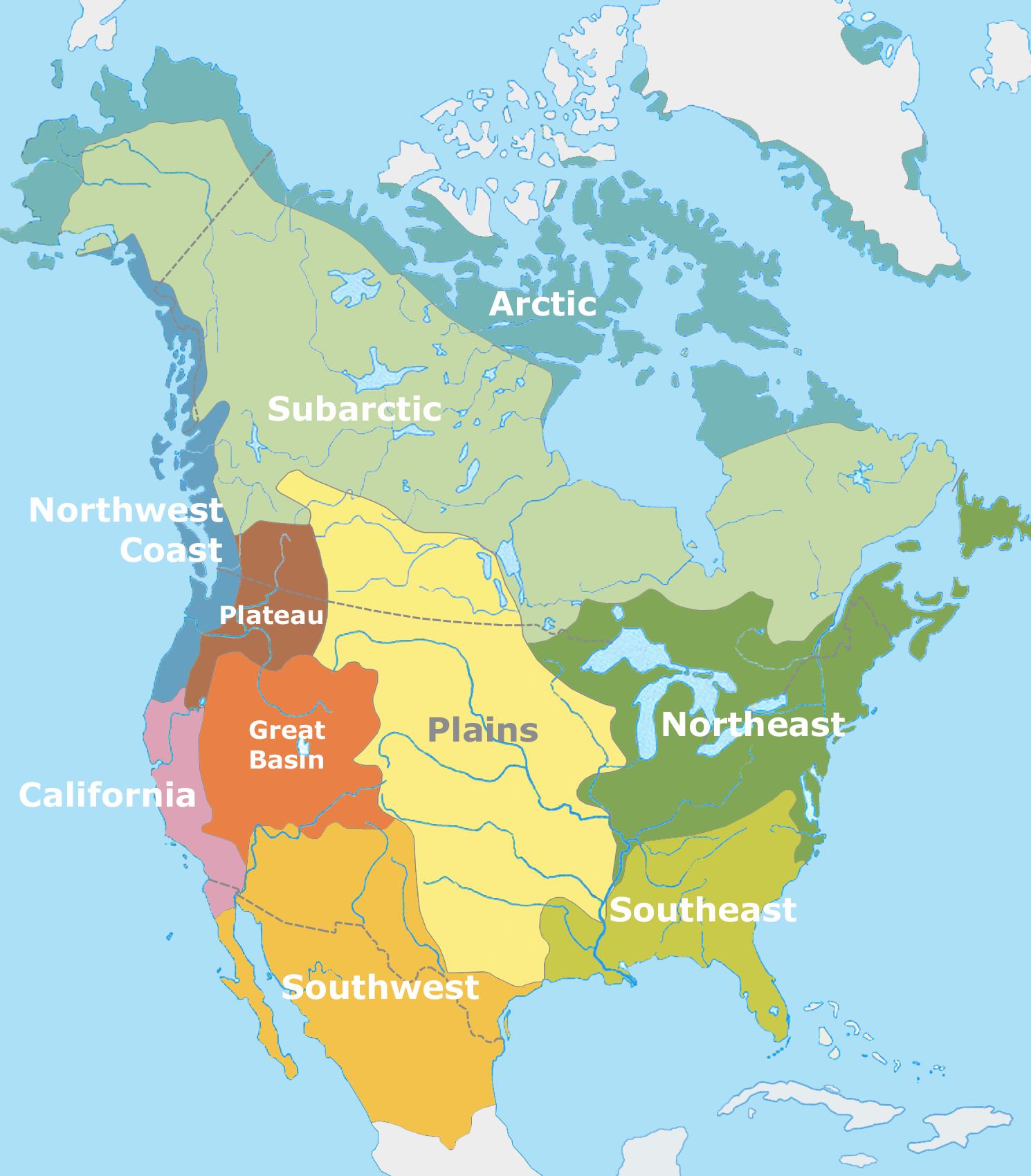
While the metaphor of “what did the natives call America” is powerful for conceptualizing brand origin, it is crucial to address the very real ethical considerations around cultural appropriation. In seeking to connect with profound historical and cultural narratives, brands must be exceedingly careful not to exploit or misrepresent indigenous cultures. The goal is introspection into the brand’s own “native name” and values, not the literal adoption of indigenous cultural elements for commercial gain. This distinction is vital. Authentic branding draws from its own deep well of purpose and identity, rather than borrowing or superficializing the rich heritage of others. Respect, research, and genuine engagement (where applicable and appropriate) are paramount if a brand ever touches upon themes that could intersect with real-world indigenous cultures, but for this article’s metaphorical purpose, the focus remains internal to the brand’s genesis.
Mapping the Brand’s “America”: Identifying Your True Landscape
Just as “America” represents a vast and diverse continent, a brand’s “America” is its operating landscape—its market, its audience, and the broader ecosystem in which it exists. Understanding “what the natives called America” in this context involves understanding how your core audience perceives, interacts with, and values your brand in its purest form, before external influences or competitor noise.
Understanding Your Core Audience as “Natives”
Who are the “natives” of your brand’s “America”? They are your earliest, most loyal customers, the evangelists who understood your brand’s value proposition without needing extensive marketing. They are the ones who intuitively grasped your “native name” and its significance. These are the individuals whose feedback, behaviors, and preferences offer invaluable insights into your brand’s authentic appeal. By deeply understanding these “natives”—their needs, their language, their values—brands can refine their message to resonate more effectively with a broader audience while staying true to their foundational appeal. This involves ethnographic research, deep listening, and fostering genuine dialogue, rather than just conducting surveys. These early adopters embody the purest form of connection with your brand.
The Unspoken Language of Your Market
Beyond explicit feedback, markets have an “unspoken language”—cultural norms, emerging trends, emotional drivers, and pain points that are often felt more than articulated. Just as indigenous names for places often encoded deep knowledge about the land, its resources, and its spiritual significance, understanding the unspoken language of your market allows a brand to connect on a deeper, more intuitive level. This involves astute observation, empathy, and predictive insight. What are the underlying anxieties or aspirations that your brand addresses? What are the subtle signals from your competitors or broader societal shifts? By understanding this unspoken language, brands can craft communications that feel inherently relevant and resonant, almost as if they are speaking directly to the soul of their market.
Adapting Brand Communication for Genuine Connection
Once the “native name” (core identity) is understood and the “America” (market landscape) is mapped, the final step is to adapt brand communication to foster genuine connection. This isn’t about changing the core identity, but about translating it into a language and form that resonates with diverse segments of the audience while maintaining integrity. It’s about showing how the brand’s “native name” is relevant to their lives. This might involve tailoring messages for different platforms, using relatable metaphors, or engaging in co-creation with community members. The goal is to build bridges between the brand’s authentic self and the audience’s needs, ensuring that every interaction strengthens the relationship and reinforces the brand’s true purpose.
Brand Legacy and the Echoes of the Past
The question “what did the natives call America” also carries implications for legacy and the long-term sustainability of identity. How does a brand ensure its foundational truths endure, even as it grows, evolves, and faces new challenges? It’s about honoring the echoes of the past to build a resilient future.
Preserving Foundational Principles Amidst Evolution
Brands, like cultures, are not static. They must evolve to remain relevant in a changing world. However, true evolution is distinct from mere trend-chasing. It involves preserving foundational principles—the “native name”—while adapting strategies and expressions. This requires clear governance around brand identity, ensuring that new initiatives, product lines, or marketing campaigns are always aligned with the brand’s core values and original purpose. When growth compromises these foundational principles, the brand risks losing its authenticity and alienating its loyal “natives.” Successful brand evolution is a delicate dance between innovation and preservation, ensuring that the brand’s true spirit remains intact regardless of its outward appearance.
The Long-Term Value of an Authentic Name
The long-term value of a brand often stems from the authenticity of its core identity. A brand that knows “what the natives called America”—its intrinsic purpose and original promise—builds equity that transcends fleeting market trends. This deep-seated authenticity fosters brand loyalty, commands premium pricing, and creates a powerful barrier to entry for competitors. It’s an investment in enduring meaning, not just ephemeral appeal. Brands rooted in their true selves develop a gravitas and trustworthiness that can withstand economic downturns, reputational challenges, and shifts in consumer preferences. They are perceived as more than just a provider of goods or services; they are seen as reliable partners, ethical entities, and cultural touchstones.
Future-Proofing Identity by Honoring Roots
Ultimately, future-proofing a brand’s identity means continually returning to its roots, to its “native name.” It means regularly asking: Are we still true to our original purpose? Is our current manifestation an honest reflection of our genesis? This reflective practice ensures that the brand remains grounded, resilient, and adaptable. By honoring its origins and continually reaffirming its core values, a brand can navigate the complexities of the future with confidence, authenticity, and a clear sense of direction. It ensures that the story it tells today is a natural, evolving continuation of the story it began, deeply rooted in its true essence, forever echoing what its “natives” truly called it.
aViewFromTheCave is a participant in the Amazon Services LLC Associates Program, an affiliate advertising program designed to provide a means for sites to earn advertising fees by advertising and linking to Amazon.com. Amazon, the Amazon logo, AmazonSupply, and the AmazonSupply logo are trademarks of Amazon.com, Inc. or its affiliates. As an Amazon Associate we earn affiliate commissions from qualifying purchases.