
The story of Cain and Abel, found in the Book of Genesis, is one of the most foundational narratives in the Abrahamic religions. It recounts the first murder, the subsequent divine judgment, and the consequences for the perpetrator. Central to this judgment is the concept of a “mark” placed upon Cain by God after he committed fratricide and was subsequently banished from the land. This mark, intended to protect him from being killed in retribution, has been a subject of intense theological, literary, and even artistic speculation for millennia. However, the precise nature and appearance of this mark remain profoundly ambiguous in the biblical text itself, leading to a wide spectrum of interpretations. This ambiguity, rather than diminishing the significance of the narrative, actually amplifies its power, inviting readers to engage with themes of sin, divine justice, human fallibility, and the enduring search for meaning in the face of unexplained phenomena.

The Ambiguity of Divine Symbolism
The biblical account in Genesis 4:15 is famously laconic: “And the Lord said unto him, Therefore whosoever slayeth Cain, vengeance shall be taken on him sevenfold. And the Lord set a mark upon Cain, lest any finding him should kill him.” The text simply states that a mark was set, but offers no visual description whatsoever. This deliberate omission is perhaps the most crucial element in understanding the enduring mystery of Cain’s mark.
The Power of the Unseen
In many ancient cultures, divine communication and intervention were often conveyed through intangible means or symbols that transcended literal representation. The absence of a specific physical descriptor for Cain’s mark can be interpreted as an intentional choice to focus on its function rather than its form. The mark’s primary purpose was protection, a divine deterrent. Its power lay in its divine origin and the fear it instilled in potential avengers, not in its aesthetic qualities. This approach aligns with a broader theological understanding where the divine is often beyond human comprehension and visual depiction. Attempts to assign a concrete visual attribute – like a specific scar, a discoloration, or a physical deformity – risk anthropomorphizing the divine and reducing a profound spiritual consequence to a mere physical symptom. The unseen, in this context, can be far more potent than the visible.
Interpretations Across Textual Traditions
While the Masoretic Text of the Hebrew Bible offers no description, other ancient Jewish traditions and commentaries have grappled with the question. The Targums, Aramaic translations and expansions of the Hebrew Bible, offer varying interpretations. Some suggest the mark was a letter of God’s name, others a crown of thorns, and still others a sign of leprosy or a burning sensation. The Samaritan Pentateuch mentions a similar mark, again without specifics. Christian tradition, influenced by these early interpretations and later theological writings, has also proposed a range of possibilities. Early Church Fathers, like Augustine, tended to view the mark more metaphorically, as a sign of guilt and separation from God. Later interpretations sometimes leaned towards more literal, though still varied, physical manifestations. The sheer diversity of these interpretations across different textual and theological lineages underscores the fact that no single, universally accepted visual representation emerged from antiquity. This, in itself, speaks volumes about the enigmatic nature of the original divine act.
The Mark as a Symbol of Exile and Divine Sovereignty
Beyond the potential physical aspects, the mark of Cain carries profound symbolic weight. It represents not only a divine punishment but also a testament to God’s ultimate control over life and death, and His ability to intervene in the human drama.
The Divine Guarantee Against Retribution
Cain, having committed a crime of unparalleled severity, was justly deserving of retribution. Yet, God, in His sovereign judgment, chose a different path. He did not revoke Cain’s life, but instead, placed a mark upon him. This mark was a divine guarantee, a public pronouncement of God’s will that Cain should not be harmed. It is a powerful illustration of divine sovereignty, demonstrating that no human act of vengeance could usurp God’s authority. Even the condemned are not beyond His purview, and His justice can manifest in ways that protect even the guilty from the unbridled passions of humanity. This aspect of the story serves as a cautionary tale about the dangers of taking justice into one’s own hands, implying that only God possesses the true and final authority to administer it.
The Weight of Unseen Consequences
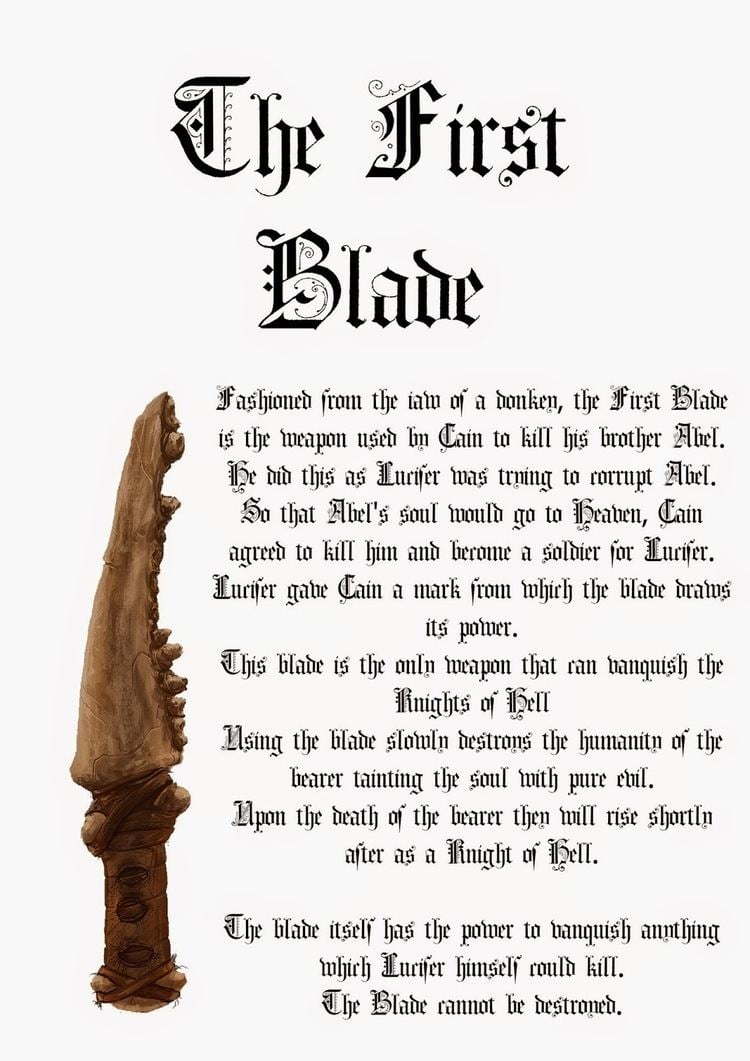
The mark, by its very nature of being unspecified, also emphasizes the profound and often unseen consequences of sin. While Cain was physically protected, he was also irrevocably marked, separated from his community and forced to wander. The mark, in this sense, became a perpetual reminder of his transgression, a spiritual and emotional burden as much as a physical one. It signifies an indelible change in Cain’s relationship with God and with humanity. The fear and shame associated with the mark, even if invisible to others, would have been a constant companion. This symbolic exile, dictated by the divine mark, highlights the internal and external ramifications of profound wrongdoing, suggesting that even in protection, there is a form of enduring separation and consequence. The mark becomes a symbol of his alienation, a constant, albeit unseen, reminder of his sin and his altered place in the world.
The Mark in Cultural and Artistic Representation
The enduring mystery of Cain’s mark has made it a recurring motif in art, literature, and popular culture. Lacking definitive description, artists and writers have been free to imbue it with their own interpretations, reflecting contemporary anxieties and theological understandings.
Literary and Artistic Adaptations: A Canvas for Imagination
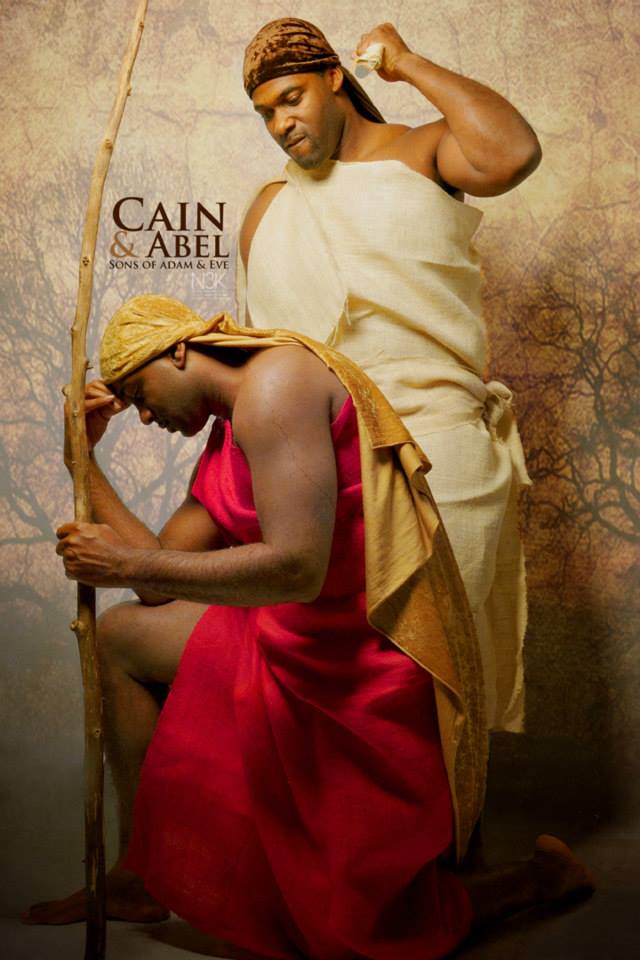
Throughout history, authors and artists have taken the enigmatic mark and given it tangible form, often reflecting the sensibilities of their own eras. Medieval illuminated manuscripts might depict Cain with a grotesque facial feature or a discolored skin tone. Later literary works have explored the mark as a brand of cowardice, a physical ailment like leprosy, or even a subtle, psychological aura of dread. Shakespeare, for instance, alludes to Cain in The Merchant of Venice and Richard III, often associating his mark with villainy and divine disapproval. In more modern interpretations, the mark might be a psychological scar, a manifestation of guilt that others can sense, or a symbolic designation of being an outcast. The lack of a fixed visual representation in the biblical text has provided fertile ground for creative interpretation, allowing the “mark” to evolve and adapt to different cultural and artistic contexts, often serving as a visual shorthand for profound sin, divine curse, or profound alienation.
The Mark as a Modern Metaphor
Beyond direct retellings, the concept of the “mark of Cain” has permeated modern discourse as a powerful metaphor. It is often invoked to describe an individual or group who is ostracized, carries a heavy burden of guilt, or is perceived as fundamentally tainted by past actions. In discussions about social outcasts, convicted criminals, or even those perceived to have made moral compromises, the phrase “mark of Cain” can be used to convey a sense of indelible shame or permanent social stigma. It speaks to the human tendency to categorize and label those who deviate from societal norms, and the lingering power of ancient narratives to articulate contemporary social dynamics. The enduring resonance of this biblical symbol highlights its capacity to encapsulate complex themes of sin, punishment, and the enduring human struggle with moral accountability, even when the original context is secularized or broadly understood.
The Enduring Significance of the Unknown
The absence of a precise description for the mark of Cain is not a flaw in the biblical narrative, but rather its strength. It allows the story to transcend the limitations of a single visual representation and resonate with a universal human experience of grappling with consequences, divine justice, and the search for meaning in the face of the unknown.
Theological and Philosophical Resonance
The ambiguity of Cain’s mark encourages contemplation on the nature of sin and punishment. Is the mark purely external, or does it represent an internal transformation? Does it serve as a divine judgment on Cain himself, or as a warning to humanity about the consequences of unchecked violence? The lack of definitive answers invites ongoing theological and philosophical discourse. It prompts us to consider the limits of human understanding when confronting the divine and the profound complexities of moral responsibility. The story, through its central enigmatic symbol, pushes us to wrestle with questions of free will, predestination, and the enduring mystery of God’s relationship with humanity.
A Testament to the Power of Narrative
Ultimately, the enduring fascination with “what the mark of Cain looked like” speaks to the profound and lasting power of narrative. Even without a visual blueprint, the story of Cain has shaped ethical frameworks, inspired countless works of art, and continues to provoke thought and discussion across generations. The mark, in its very unknowability, becomes a potent symbol of the indelible impact of profound actions and the complex ways in which divine and human justice intersect. It serves as a reminder that some of the most powerful messages are not those that are explicitly stated or visually depicted, but those that are left open to interpretation, inviting each individual to engage with the text and its profound implications on their own terms. The mark of Cain, in its enduring mystery, continues to challenge and captivate, proving that sometimes, what is not seen is far more powerful than what is.
aViewFromTheCave is a participant in the Amazon Services LLC Associates Program, an affiliate advertising program designed to provide a means for sites to earn advertising fees by advertising and linking to Amazon.com. Amazon, the Amazon logo, AmazonSupply, and the AmazonSupply logo are trademarks of Amazon.com, Inc. or its affiliates. As an Amazon Associate we earn affiliate commissions from qualifying purchases.