
The Dow Jones Industrial Average (DJIA), often simply referred to as “the Dow,” is arguably the most recognized stock market index in the world. For well over a century, its daily fluctuations have captured headlines, fueled dinner table conversations, and served as a primary gauge of the health of the U.S. stock market and, by extension, the broader economy. But beyond the headlines that scream “Dow up” or “Dow down,” what does this numerical movement truly signify for investors, economists, and the average person trying to make sense of their financial world? Understanding the Dow isn’t just about knowing its latest point change; it’s about comprehending its historical context, its composition, the forces that drive its movements, and its enduring relevance in a rapidly evolving financial landscape.
In an age where information overload is common, filtering out the noise to grasp the substance of market indicators like the Dow is crucial for informed decision-making in personal finance and investing. This article delves into the multifaceted nature of the Dow, exploring its origins, its role as an economic barometer, the factors influencing its daily performance, and how its movements can be interpreted for strategic financial planning. Whether you’re a seasoned investor, a budding day trader, or someone merely curious about the economic pulse of the nation, dissecting “what the Dow did” offers invaluable insights into the intricate dance of capital markets.
Demystifying the Dow: A Core Index Explained
To truly appreciate the significance of the Dow’s daily movements, one must first understand what it is, where it came from, and how it is constructed. Far from a mere arbitrary number, the Dow is a carefully curated index designed to reflect the performance of a specific segment of the U.S. stock market.
The Origins and Evolution of the Dow Jones Industrial Average
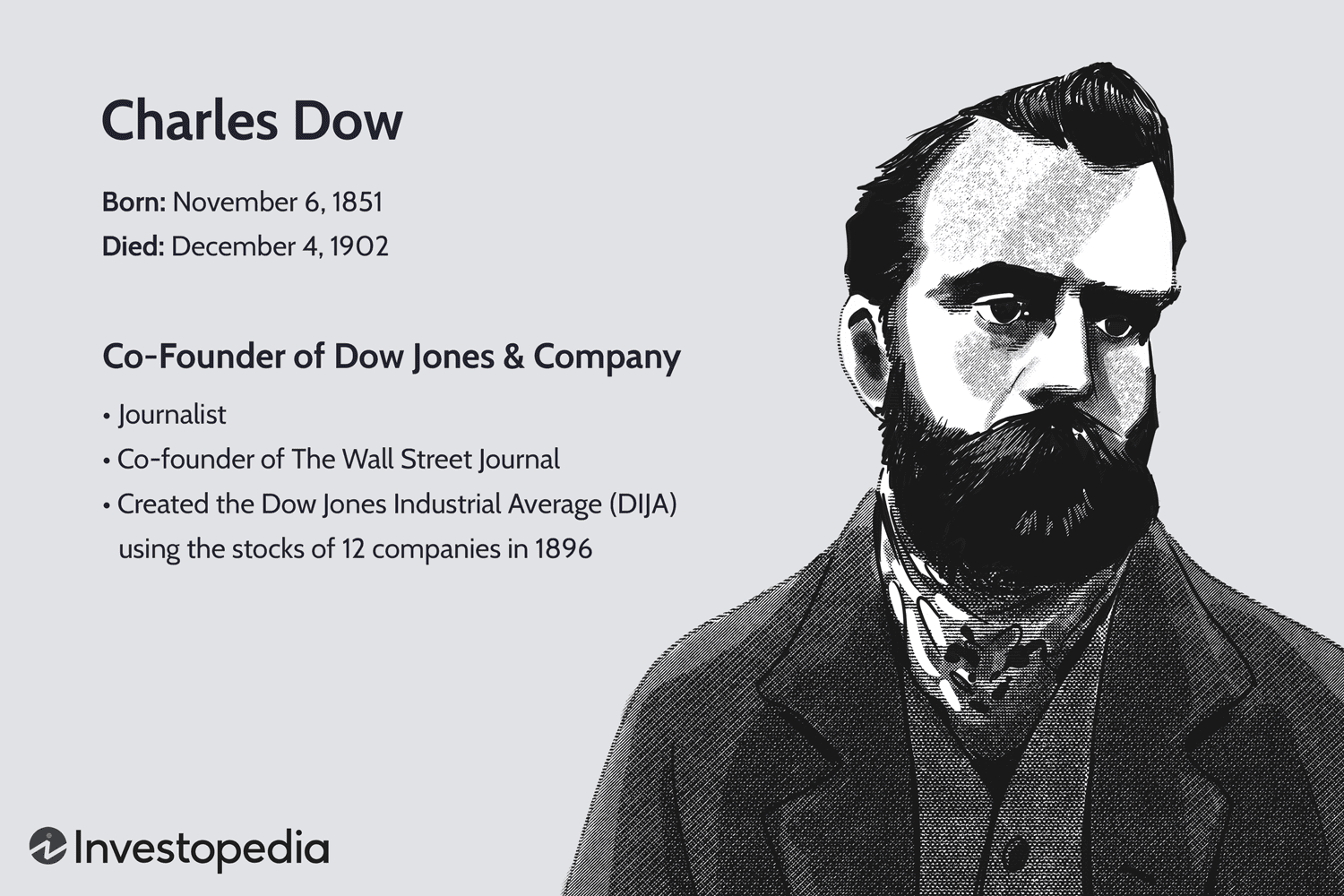
The Dow Jones Industrial Average was created in May 1896 by Charles Dow, co-founder of Dow Jones & Company and editor of The Wall Street Journal. Initially comprising just 12 predominantly industrial companies, its purpose was to provide a clear, concise snapshot of the industrial sector’s performance, which at the time was the backbone of the American economy. Early components included General Electric (the only original component to remain on the index until 2018), American Cotton Oil, Chicago Gas, and U.S. Leather. Over the decades, as the U.S. economy diversified and evolved, so too did the Dow. It expanded to 20 stocks in 1916 and finally to its current 30 stocks in 1928. This evolution reflects the changing nature of American industry, moving from heavy manufacturing to include technology, finance, retail, and healthcare giants. Each change in composition has been a strategic decision, aimed at ensuring the index remains relevant as a broad representation of leading American enterprises.
Anatomy of the Dow: Its Composition and Calculation
Today, the Dow consists of 30 large, publicly owned companies based in the United States. These are not just any companies; they are typically “blue-chip” stocks, meaning they are well-established, financially sound companies with long track records of profitability and stability. Examples include Apple, Microsoft, Coca-Cola, Boeing, McDonald’s, and Visa. Unlike many other indexes which are market-capitalization weighted (meaning companies with larger market caps have a greater influence on the index), the Dow is a price-weighted index. This means that stocks with higher share prices have a greater impact on the index’s value than stocks with lower share prices, regardless of their overall company size.
The calculation method is simple: the sum of the prices of the 30 stocks is divided by a divisor, which is adjusted for stock splits, spin-offs, and changes in the index components. This divisor ensures the historical continuity of the index’s value, preventing such corporate actions from distorting the Dow’s level. For instance, if a stock splits, its price goes down, but the divisor is adjusted so that the index value doesn’t instantly drop, reflecting a real change in market sentiment. This unique price-weighted methodology distinguishes the Dow from broader, more comprehensive market-cap weighted indexes like the S&P 500.
Beyond the Industrials: A Misleading Name?
Despite its name, the Dow Jones “Industrial” Average is no longer purely industrial. The inclusion of technology giants, financial institutions, and consumer discretionary companies highlights the shift from a manufacturing-centric economy to one driven by services, innovation, and global trade. The term “Industrial” is largely a historical artifact, and while it still includes some industrial behemoths, the index is now seen as a proxy for the broader health of leading American corporations across diverse sectors. This broad representation is precisely why its daily performance continues to capture significant attention as a barometer for investor confidence and economic outlook.
The Dow as an Economic Barometer: Why Its Movements Matter
The incessant chatter about the Dow’s daily performance stems from its perception as a crucial indicator of economic health. Investors, analysts, and policymakers keenly watch its trajectory to glean insights into the broader financial and economic landscape.
Reflecting Corporate Health and Investor Sentiment
When the Dow rises, it generally signals optimism. Investors are bidding up the prices of these 30 influential companies, suggesting confidence in their future earnings prospects and, by extension, the overall economy. A declining Dow, conversely, can reflect pessimism, fear, or uncertainty about corporate performance, economic growth, or impending market headwinds. Because the Dow’s components are leaders in their respective industries, their collective performance is often seen as a bellwether for the health of corporate America. Strong corporate earnings, robust consumer spending, and positive economic data tend to push the Dow higher, while weak reports, geopolitical instability, or rising interest rates can trigger declines. Thus, the Dow serves as a real-time sentiment meter for the collective psyche of the investment community.
Leading vs. Lagging Indicator: What the Dow Signals
The Dow’s role as an economic indicator is complex. In some respects, it can be a leading indicator, anticipating future economic conditions. Stock prices, by their nature, are forward-looking; they reflect investors’ expectations of future corporate profits and economic growth. Therefore, a sustained rally in the Dow might precede a period of economic expansion, as the market “prices in” anticipated improvements. Conversely, a prolonged decline could signal an impending economic slowdown or recession.
However, the Dow can also exhibit characteristics of a coincident or even lagging indicator, reacting to events rather than predicting them. For instance, major news events—such as unexpected economic data releases, central bank policy changes, or geopolitical crises—can trigger immediate and significant reactions in the Dow. Its movements, in such cases, reflect current realities or immediate responses rather than foresight. Understanding this dual nature is vital; while the Dow offers clues about the future, it is also highly susceptible to present-day shocks and triumphs.
Global Impact: How International Events Sway the Dow
In today’s interconnected global economy, the Dow is not solely influenced by domestic factors. Many of its 30 component companies have significant international operations and derive a substantial portion of their revenue from overseas markets. Consequently, geopolitical developments, economic shifts in major trading partners (like China or the European Union), fluctuations in global commodity prices, and international trade policies can all have a direct impact on the Dow’s performance. For example, trade tensions between the U.S. and China can depress the earnings outlook for multinational corporations, leading to a decline in their stock prices and, consequently, the Dow. Similarly, an economic boom in Europe might boost the profits of Dow components with strong European exposure, driving the index higher. This global sensitivity underscores the complexity of interpreting “what the Dow did” on any given day, as its movements are a confluence of both domestic and international forces.
Decoding Dow Movements: Factors Driving Fluctuation

The daily undulations of the Dow are not random; they are the result of a complex interplay of macroeconomic forces, corporate performance, and unforeseen events. Understanding these drivers is key to contextualizing market movements.
Macroeconomic Forces: Interest Rates, Inflation, and GDP
At the heart of the Dow’s movements are fundamental macroeconomic indicators. Interest rates, set by the Federal Reserve, are particularly influential. Higher interest rates typically increase borrowing costs for companies, which can reduce profitability and make bonds more attractive relative to stocks, often leading to a downturn in equity markets. Conversely, lower rates can stimulate economic activity and make stocks more appealing. Inflation, the rate at which prices rise, also plays a crucial role. High and persistent inflation can erode corporate profits and consumer purchasing power, generally acting as a headwind for the Dow. Gross Domestic Product (GDP) growth, the broadest measure of economic activity, is a fundamental driver; a growing economy typically translates to higher corporate earnings and a rising Dow. Conversely, signs of an economic slowdown or recession can quickly dampen investor enthusiasm.
Corporate Earnings and Sectoral Performance
While macroeconomic factors set the broader stage, the individual performance of the 30 Dow components is paramount. Quarterly earnings reports, especially whether companies meet, exceed, or miss analyst expectations, can cause significant swings in the index. Strong earnings signal healthy businesses, which translates to investor confidence and higher stock prices. Beyond individual company performance, the aggregate health of the sectors represented within the Dow also matters. For instance, if the technology sector (which includes several Dow components) is performing exceptionally well due to innovation or increased demand, it can significantly boost the overall index. Conversely, headwinds for a major sector like financials or industrials can drag the Dow down. Investors closely watch these sectoral trends to understand underlying strengths and weaknesses.
Geopolitical Events and Market Volatility
Beyond the quantifiable economic data and corporate reports, unforeseen geopolitical events can introduce significant volatility to the Dow. Wars, political instability, terrorist attacks, and major policy announcements can create uncertainty, leading investors to flee riskier assets like stocks in favor of safer havens. The COVID-19 pandemic serves as a stark recent example; its unprecedented global health and economic shock led to one of the fastest and deepest market corrections in history, demonstrating how quickly unforeseen events can reshape market sentiment and drive Dow movements. Similarly, major elections, international trade disputes, or even natural disasters can trigger knee-jerk reactions, highlighting the emotional and unpredictable aspects of market dynamics.
Strategic Investing and the Dow: Navigating Market Dynamics
For the individual investor, understanding “what the Dow did” is not merely academic; it has practical implications for personal finance and investment strategies. However, it’s crucial to view the Dow’s movements within a broader, long-term perspective.
Long-Term Trends vs. Short-Term Noise
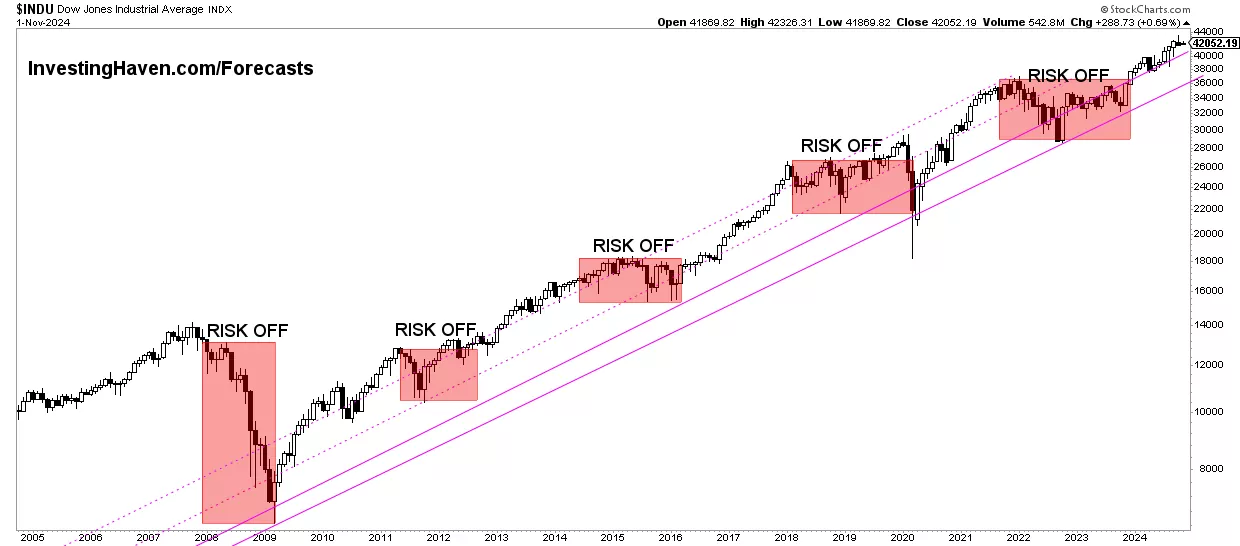
One of the most important lessons for investors is to distinguish between short-term market noise and long-term trends. Daily Dow fluctuations, driven by a myriad of immediate factors, are often inconsequential for long-term financial goals. Over decades, the Dow has demonstrated a remarkable upward trajectory, reflecting the enduring growth and resilience of the American economy. Attempting to time the market based on daily Dow movements is a notoriously difficult and often unprofitable endeavor for most individual investors. Instead, focusing on the broader economic narrative and consistent investment in diversified portfolios, regardless of daily ups and downs, typically yields better results over time. The Dow, when viewed over months and years, provides a powerful illustration of the power of compounding and the market’s long-term growth potential.
Diversification and the Role of Broad Market Indexes
While the Dow is an excellent gauge, it represents only 30 companies. For a truly diversified investment portfolio, relying solely on the Dow’s components or its overall performance as a guide is insufficient. Modern financial planning emphasizes diversification across various asset classes (stocks, bonds, real estate), geographies, and sectors to mitigate risk. Broader market indexes like the S&P 500 (which tracks 500 large U.S. companies) or global indexes provide a more comprehensive picture of market performance and are often better benchmarks for diversified equity portfolios. However, the Dow still plays a vital role as a quick, easily digestible snapshot of leading American corporate performance, offering a high-level view that complements more detailed analysis using other indexes. Investors often use it as a starting point for discussions about market direction, but rarely as the sole basis for portfolio construction.
Using Dow Insights for Personal Financial Planning
For personal financial planning, understanding the Dow’s behavior can inform strategic decisions. During periods of sustained Dow growth, it might signal an opportune time for rebalancing portfolios, perhaps by taking some profits from overperforming equity holdings and reallocating to other asset classes. Conversely, significant downturns, while unsettling, can present buying opportunities for long-term investors to acquire quality assets at reduced prices. The Dow’s movements can also provide context for economic narratives relevant to personal finance, such as job market strength or consumer confidence, which indirectly affect individual financial well-being. Keeping an eye on what the Dow “did” is therefore less about reacting to daily changes and more about integrating its insights into a disciplined, long-term financial strategy centered on personal goals and risk tolerance.
The Future of the Dow: Relevance in a Modern Market
Despite its age and unique calculation method, the Dow Jones Industrial Average remains a cornerstone of financial reporting and market analysis. However, its future relevance in an increasingly complex and technologically driven global economy is a subject of continuous discussion.
Adapting to Economic Shifts and Technological Advancements
The Dow’s enduring strength lies in its ability to adapt. Its continuous evolution, evidenced by regular changes in its components to reflect shifts in the American economy, ensures it remains a representation of leading U.S. corporations. As technology continues to disrupt industries and create new economic powerhouses, the Dow will likely continue to integrate these new leaders, ensuring its composition remains pertinent. For instance, the inclusion of companies like Salesforce in recent years reflects the growing dominance of cloud computing and software services. This flexibility is crucial for the index to maintain its status as a relevant indicator amidst rapid economic and technological transformation.
The Rise of Broader Indexes: S&P 500 and Nasdaq
In modern investing, many professionals and retail investors alike often look to broader, market-capitalization weighted indexes such as the S&P 500 or the technology-heavy Nasdaq Composite for a more comprehensive view of the market. The S&P 500, with its 500 companies representing approximately 80% of U.S. market capitalization, is widely considered a superior benchmark for the overall U.S. stock market due to its broader coverage and market-cap weighting methodology. The Nasdaq, meanwhile, has become indispensable for tracking the performance of the tech and growth sectors. While these indexes offer different perspectives, they do not diminish the Dow’s unique appeal. The Dow’s smaller number of components makes it easier to understand and track for the general public, serving as a highly accessible “headline” indicator.
Sustaining Its Legacy: A Continuous Point of Reference
Ultimately, “what did the Dow do” will likely remain a perennial question in financial discourse. Its century-plus legacy, simplicity, and focus on America’s most iconic companies ensure its continued prominence. While it may not be the most analytically robust index for portfolio construction or detailed economic modeling, its symbolic power and historical significance are undeniable. It serves as a continuous point of reference, a cultural touchstone that helps anchor public understanding of the stock market and the economy. For investors, understanding the Dow means understanding a piece of financial history and an enduring barometer of corporate America’s pulse, albeit one that should be considered alongside a suite of other, more comprehensive financial tools and indicators for robust financial decision-making. Its journey, like the economy it represents, is one of constant evolution, adapting to new challenges and opportunities while maintaining its fundamental role as a benchmark for progress and prosperity.
aViewFromTheCave is a participant in the Amazon Services LLC Associates Program, an affiliate advertising program designed to provide a means for sites to earn advertising fees by advertising and linking to Amazon.com. Amazon, the Amazon logo, AmazonSupply, and the AmazonSupply logo are trademarks of Amazon.com, Inc. or its affiliates. As an Amazon Associate we earn affiliate commissions from qualifying purchases.