
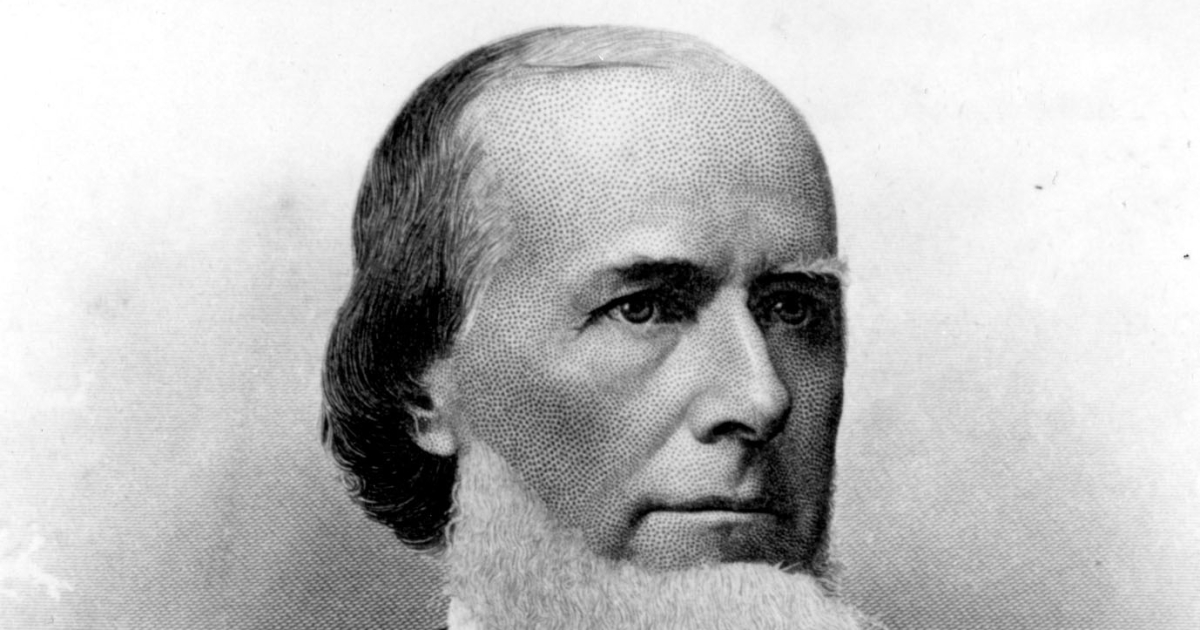
The Bourbon Triumvirate represents a seminal case study in late 19th-century political branding and corporate influence. Comprising Joseph E. Brown, Alfred H. Colquitt, and John B. Gordon, this trio dominated Georgia’s political landscape from the 1870s through the 1890s. While historical analysis often frames them through the lens of legislative policy, their enduring legacy is fundamentally one of brand strategy and the consolidation of institutional power. By aligning their personal identities with the vision of a “New South,” they effectively marketed a socio-economic platform that transformed the state’s corporate identity and solidified their own influence within the political marketplace.

The Strategy of Personal Branding and Institutional Alignment
The success of the Bourbon Triumvirate was not merely the result of political maneuvering; it was a masterclass in personal branding and corporate synergy. Each member of the Triumvirate leveraged their individual reputation—Brown as the war-time governor and railroad magnate, Colquitt as the plantation-owning aristocrat, and Gordon as the heroic Confederate general—to create a unified, authoritative brand that dominated the public consciousness.
Cultivating the “New South” Narrative
To maintain their position at the top of the state’s political hierarchy, the Triumvirate needed a narrative that appealed to both the displaced Southern aristocracy and the emerging industrial class. They branded their platform as the “New South,” a strategic pivot that moved away from the agrarian dependency of the pre-Civil War era. By advocating for industrial development, urbanization, and a modern infrastructure, they rebranded Georgia as a burgeoning hub for capital investment. This was a sophisticated marketing effort to attract Northern investors, effectively “selling” the state as a stable, pro-business climate that was open for expansion.
Symbiotic Partnerships
The Triumvirate functioned like a board of directors, ensuring that the interests of the state government were inextricably linked with private corporate interests. By moving fluidly between roles—Brown serving as Chief Justice and later U.S. Senator, while simultaneously chairing the Western and Atlantic Railroad—they normalized the integration of public office and private profit. This blurring of lines was their primary branding strategy: they represented themselves not just as politicians, but as architects of the state’s future economic prosperity.
Leveraging Corporate Identity for Economic Dominance
The Triumvirate’s tenure was characterized by a distinct approach to business finance and the implementation of what might be termed early “crony capitalism.” They understood that to exert control over the state, they had to control the flow of capital and the legislative frameworks that dictated economic participation.
The Convict Lease System as a Revenue Stream
One of the most controversial yet financially significant aspects of the Triumvirate’s influence was the implementation of the convict lease system. By leasing prisoners to private companies—including those in which the members themselves held interests—they essentially commodified labor. From a business finance perspective, this was a ruthless efficiency model designed to keep overhead costs low while maximizing output in the mining, railroad, and agricultural sectors. The Triumvirate marketed this as a way to “relieve” the state of the financial burden of maintaining prisons, while in reality, it served as a pipeline for private capital accumulation and a tool for suppressing labor competition.

Railroad Expansion and Infrastructure Monopoly
The expansion of Georgia’s railroad network was the cornerstone of the Triumvirate’s economic vision. Joseph E. Brown, in particular, utilized his proximity to state resources to ensure that railroad development prioritized his personal and corporate investments. By aligning state infrastructure projects with the interests of their corporate allies, the Triumvirate created a monopoly-like environment. This was not merely about building tracks; it was about establishing a gated community of economic power where the Triumvirate served as the gatekeepers. Their ability to direct state funds toward these private ventures remains one of the most calculated examples of utilizing government policy to bolster private business portfolios.
Marketing the Status Quo: The Political Lifecycle of the Triumvirate
In the world of political branding, the Triumvirate excelled at maintaining the status quo by marginalizing dissent through a strategy of social and economic co-option. Their hold on power relied on their ability to convince the electorate that the stability of the Triumvirate was synonymous with the stability of Georgia’s economy.
Controlling the Media and Public Discourse
The Bourbon Triumvirate understood the importance of controlling the channel. By establishing strong ties with major newspapers, they ensured that their agenda was framed as the only viable path for the state. They utilized editorial spaces to promote their accomplishments—industrial growth, the balancing of the state budget, and the stabilization of the banking sector—while effectively silencing the growing Populist movement. This was a strategic information campaign aimed at reinforcing their brand equity. They framed their opposition as radical, unstable, and dangerous to the “New South” brand, thereby protecting their market share in the political arena.
The Demise of the Brand: Market Saturation and Disruption
Every dominant brand eventually faces market saturation and the entry of disruptive forces. By the 1890s, the Bourbon Triumvirate’s brand had begun to erode under the weight of its own exclusivity. The rise of the Farmers’ Alliance and the Populist movement served as a “market disruption.” These groups identified the cracks in the Triumvirate’s narrative: the economic exploitation of the rural poor, the perceived subservience to Northern financial interests, and the inherent corruption of their symbiotic business-government model. As the Populist platform gained traction, the Triumvirate’s polished image of the “New South” began to lose its appeal. They had successfully built an industrial foundation, but in doing so, they had alienated the very constituency that provided the base for their political existence.
The Long-Term Impact on Institutional Strategy
The Bourbon Triumvirate serves as a cautionary tale in the evolution of corporate and political branding. They succeeded because they operated as a cohesive unit, identified a clear market need (economic post-war recovery), and aggressively marketed their vision of progress. They transformed the state into a vehicle for their own economic agendas, effectively institutionalizing their brand.
Analyzing the “Triumvirate” Model
From a strategy perspective, their model remains relevant as a study of how powerful entities consolidate control. The Triumvirate model is defined by three core components:
- Uniformity of Message: Ensuring that all stakeholders—from business magnates to media outlets—are aligned behind the same narrative.
- Resource Consolidation: Using legislative power to create, subsidize, or protect the industries in which the “leaders” hold personal stakes.
- Defensive Branding: Framing the status quo as a necessity and labeling any alternative, disruptive, or reformist sentiment as a threat to progress.
Final Assessment of the Brand Legacy
While the Triumvirate was successful in creating a distinct economic identity for Georgia in the post-Civil War era, their legacy is ultimately defined by the limitations of their narrow vision. By equating the health of the state with the profit margins of their corporate interests, they failed to account for long-term social equity. In the final analysis, the Bourbon Triumvirate were masterful political entrepreneurs who treated the state of Georgia as a corporate subsidiary. They proved that with a consistent brand, a controlled narrative, and a firm grasp on the levers of financial influence, it is possible to dictate the direction of an entire region. Their story remains a fundamental reference point for understanding the intersection of power, branding, and the often uncomfortable marriage of government and private enterprise.
aViewFromTheCave is a participant in the Amazon Services LLC Associates Program, an affiliate advertising program designed to provide a means for sites to earn advertising fees by advertising and linking to Amazon.com. Amazon, the Amazon logo, AmazonSupply, and the AmazonSupply logo are trademarks of Amazon.com, Inc. or its affiliates. As an Amazon Associate we earn affiliate commissions from qualifying purchases.