
The timeless narrative of the Magi’s journey to Bethlehem often evokes imagery of reverence, prophecy, and wonder. Yet, beyond the spiritual symbolism, the gifts presented—gold, frankincense, and myrrh—represent a profound economic transaction, a strategic financial contribution that held significant practical implications for the nascent Holy Family. Far from being mere tokens, these were high-value commodities in the ancient world, embodying wealth, trade, and even investment in a new future. Analyzing these gifts through a financial lens reveals insightful parallels with modern economic principles, offering a unique perspective on their enduring legacy.
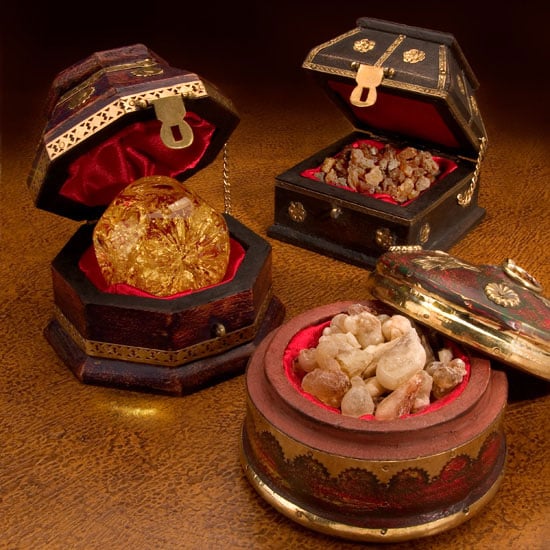
The Financial Significance of Ancient Gifts
In an era before standardized currency exchanges and global markets, specific commodities served as primary stores of wealth and mediums of trade. The Magi, likely affluent scholars or rulers from the East, did not arrive with paltry offerings but with items whose intrinsic value and economic utility were widely recognized across vast geographical and cultural divides.
Gold: The Ultimate Store of Value
Gold, perhaps the most universally recognized symbol of wealth, has held its allure for millennia. In the ancient world, it was not merely decorative; it was the ultimate fungible asset, highly liquid, resistant to corrosion, and universally accepted as a medium of exchange. For a family of humble means, receiving gold was akin to an immediate financial windfall, providing crucial capital.
The value of gold lies in its scarcity, its malleability, and its resistance to decay. As a store of value, it offered stability in unpredictable times, a portable form of wealth that could be converted into goods, services, or land anywhere the family might settle. This was particularly critical for a family facing potential displacement or, as the narrative suggests, an impending flight to Egypt. The gold would have been instrumental in funding their journey, sustenance, and re-establishment in a foreign land, acting as a veritable emergency fund or seed capital for a new life. From an investment perspective, gold represents a hedge against instability, a tangible asset whose value often appreciates during periods of geopolitical uncertainty—a characteristic that remains true even in today’s complex financial markets.
Frankincense: A Commodity of Spiritual and Economic Worth
Frankincense, a fragrant resin derived from trees in the Arabian Peninsula and East Africa, was a cornerstone of ancient trade routes, particularly along the famed Incense Route. Its value stemmed from its diverse applications, primarily in religious ceremonies as incense and as a component in perfumes and medicines. As a luxury commodity, frankincense commanded a high price due to the arduous process of harvesting, processing, and transporting it across vast distances.
In economic terms, frankincense was a high-demand, high-margin product. Its association with divine worship also gave it a cultural and spiritual premium, making it an item worthy of kings and deities. For the Holy Family, possession of frankincense represented not just wealth, but also a valuable inventory. While perhaps not as liquid as gold, it could be traded or sold for other necessities. Its value was intrinsically tied to societal demand for ritual purity and aesthetic pleasure, underscoring how specific cultural practices can drive significant economic markets. This gift highlights the concept of specialized commodities whose value is dictated by niche demand and complex supply chains—a concept mirrored in today’s markets for rare earth minerals or specialty agricultural products.
Myrrh: A High-Value Anointing Oil and Medicinal Commodity
Myrrh, another aromatic resin from related trees, shared a similar economic trajectory with frankincense. It was highly prized for its use in embalming, medicines, and as an anointing oil. Its bittersweet fragrance and antiseptic properties made it indispensable in various ancient societies, from Egypt to Rome. The demand for myrrh was consistent, particularly in funerary rites and medicinal applications, ensuring its high market value.
As a commodity, myrrh had both practical and symbolic worth. Its medicinal properties made it a valuable resource for health and wellness, while its role in embalming connected it to eternal life and the sacred. For the Holy Family, myrrh represented another significant asset. It could have been used or traded, offering flexibility. Its inclusion alongside gold and frankincense demonstrates a sophisticated understanding of diversified wealth. The Magi brought not just universal currency (gold) but also high-value, specialized commodities (frankincense and myrrh) that served different economic purposes and catered to specific market demands. This diversified portfolio minimized risk and maximized utility, echoing modern principles of asset allocation.
Strategic Investment in a New Beginning
The gifts of the Magi were more than mere presents; they were a significant financial contribution with strategic foresight. The sums involved would have fundamentally altered the immediate economic prospects of Mary, Joseph, and Jesus, providing a vital foundation for their future.
Beyond Sentiment: A Practical Financial Boost
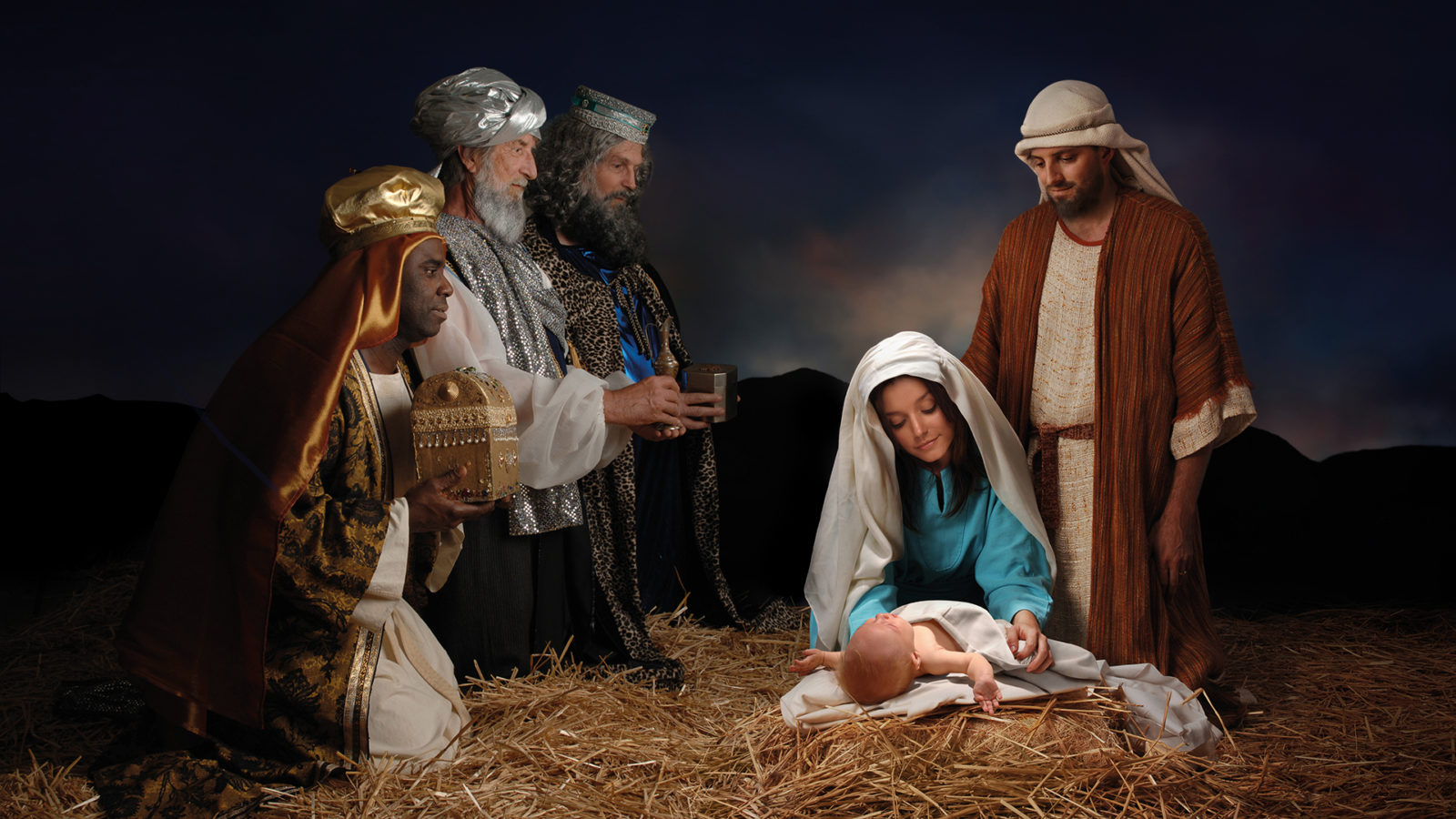
Imagine a young family, recently arrived in a foreign land, with an infant. Joseph, a carpenter, likely had limited liquid assets. The gold, frankincense, and myrrh offered an immediate and substantial financial cushion. This wasn’t just pocket change; it was capital. This capital could be used for:
- Relocation Expenses: The immediate journey to Egypt to escape Herod’s decree would have required resources for travel, shelter, and sustenance.
- Establishment Costs: Setting up a new life in Egypt, finding accommodation, and securing work would have necessitated initial investment.
- Buffer Against Uncertainty: In a volatile political climate, having readily available funds provided a crucial safety net against unforeseen circumstances, a financial resilience that many families today strive for through emergency savings.
The Magi’s act was, in essence, a venture capital investment in a new paradigm. They recognized a burgeoning potential, a future leader, and provided the necessary seed funding to ensure that potential had the material support to flourish.
Protecting Future Capital: The Role of Diversified Assets
The variety of gifts also speaks to a primitive, yet effective, form of asset diversification. Gold offered liquidity and universal acceptance. Frankincense and myrrh, while potentially less liquid than gold, held significant value in specific markets and could appreciate over time based on demand or rarity. This diversified portfolio minimized risk. If the market for one commodity fluctuated, the others provided stability.
This foresight is a cornerstone of prudent financial planning: never put all your eggs in one basket. The Magi intuitively understood that different assets perform differently under various economic conditions. Their contribution wasn’t monolithic; it was a strategically varied portfolio designed to provide maximum utility and security. For a family on the run, this diversity was not just about maximizing returns but about ensuring survival and flexibility.
The Enduring Lessons for Modern Finance
The ancient narrative, when viewed through a financial lens, offers surprisingly relevant lessons for contemporary personal and business finance.
Understanding Intrinsic Value in Investments
Just as gold, frankincense, and myrrh had inherent properties that made them valuable—scarcity, utility, durability, cultural significance—modern investors seek assets with intrinsic value. Whether it’s real estate with strong fundamentals, a business with a unique product, or a commodity with essential industrial uses, understanding what truly drives an asset’s worth beyond speculative hype is critical. The Magi’s gifts remind us that true wealth resides in things with enduring utility and demand, not just fleeting trends.
The Power of Strategic Philanthropy and Legacy
The Magi’s gifts can also be seen as an early example of strategic philanthropy or impact investing. They weren’t merely giving to the poor; they were investing in an individual they believed held immense future significance. Their substantial contribution had a direct, tangible impact on the trajectory of the Holy Family, enabling them to fulfill their destiny without being hampered by immediate financial constraints.
For modern individuals and organizations, this highlights the potential of thoughtful giving. Investing in education, healthcare, or innovative ventures can yield dividends far beyond the initial monetary outlay, creating a lasting legacy and fostering significant societal change. The Magi understood that an investment in the right individual or cause could generate exponential returns, not just financially, but in human progress and historical impact.
Anticipating Future Needs Through Wise Allocation
The ability of the gifts to fund the journey to Egypt and sustain the family underscores the importance of anticipating future financial needs and allocating resources accordingly. The Magi, whether consciously aware of the flight to Egypt or not, provided a buffer that prepared the family for unforeseen exigencies. This is the essence of financial preparedness: building an emergency fund, diversifying investments for long-term goals, and planning for major life events. The story serves as a testament to the wisdom of having accessible, valuable assets that can be leveraged during critical transitions or crises.

Valuing the Intangible: A Different Kind of ROI
While we’ve focused on the tangible financial aspects, it’s crucial to acknowledge the intangible value interwoven with these gifts. The Magi’s journey and their offerings also represent an investment in belief, hope, and the future. From a broader “return on investment” perspective, the ultimate impact of their financial support transcended mere monetary value, contributing to a narrative that has shaped civilizations and inspired billions. This reminds us that while financial acumen is vital, the greatest returns often come from investments that align with profound purpose and long-term vision, whether in personal endeavors, business ventures, or philanthropic pursuits. The gifts were not just currency; they were catalysts for a destiny that continues to yield immeasurable, if not always quantifiable, returns.
aViewFromTheCave is a participant in the Amazon Services LLC Associates Program, an affiliate advertising program designed to provide a means for sites to earn advertising fees by advertising and linking to Amazon.com. Amazon, the Amazon logo, AmazonSupply, and the AmazonSupply logo are trademarks of Amazon.com, Inc. or its affiliates. As an Amazon Associate we earn affiliate commissions from qualifying purchases.