
In the history of the music industry, few names evoke as much immediate brand recognition as Suge Knight. To the casual observer, Knight was a controversial figure entangled in the legal systems and violent rivalries of the 1990s. However, from a brand strategy perspective, what Suge Knight did was far more complex: he engineered one of the most potent, cohesive, and ultimately volatile corporate identities in modern history. By founding Death Row Records, Knight didn’t just launch a record label; he built a brand archetype that disrupted the market, redefined consumer expectations of authenticity, and showcased the extreme risks of a “reputation-first” business model.

To understand the brand of Suge Knight, one must look past the headlines and examine the strategic maneuvers that allowed a start-up label to dominate the global cultural conversation. This article explores how Knight constructed the Death Row brand, the personal branding mechanics he employed, and the strategic failures that led to the brand’s eventual dissolution.
The Architecture of Fear: Death Row Records as a Corporate Identity
Suge Knight understood a fundamental principle of branding: differentiation. In a market dominated by established East Coast labels that focused on lyricism and urban sophistication, Knight positioned Death Row Records as something entirely different—dangerous, authentic, and unapologetically West Coast.
The Visual and Sonic Aesthetic
The Death Row brand was built on a foundation of visual consistency. The logo itself—an image of a man strapped into an electric chair—served as a visceral mission statement. It signaled that this was a brand for the marginalized, the rebellious, and those who lived on the edge. This visual identity was paired with a specific sonic signature: G-Funk. By partnering with Dr. Dre, Knight ensured that the “product” had a premium, high-quality feel that contrasted with its gritty messaging. This synergy between a polished product and a raw brand identity is a classic move in high-level brand strategy, allowing a company to appeal to both the “street” and the mainstream simultaneously.
Aggressive Market Entry Strategy
Knight’s approach to market entry was a masterclass in disruption. He didn’t ask for a seat at the table; he took it. By famously “liberating” artists from other contracts and using high-profile public appearances to challenge competitors, he created a brand narrative of dominance. In the world of branding, this is known as “Challenger Brand” positioning taken to the extreme. Death Row wasn’t just a label; it was a movement that forced every other player in the industry to react to its presence.
Personal Branding: The Myth of the Untouchable Mogul
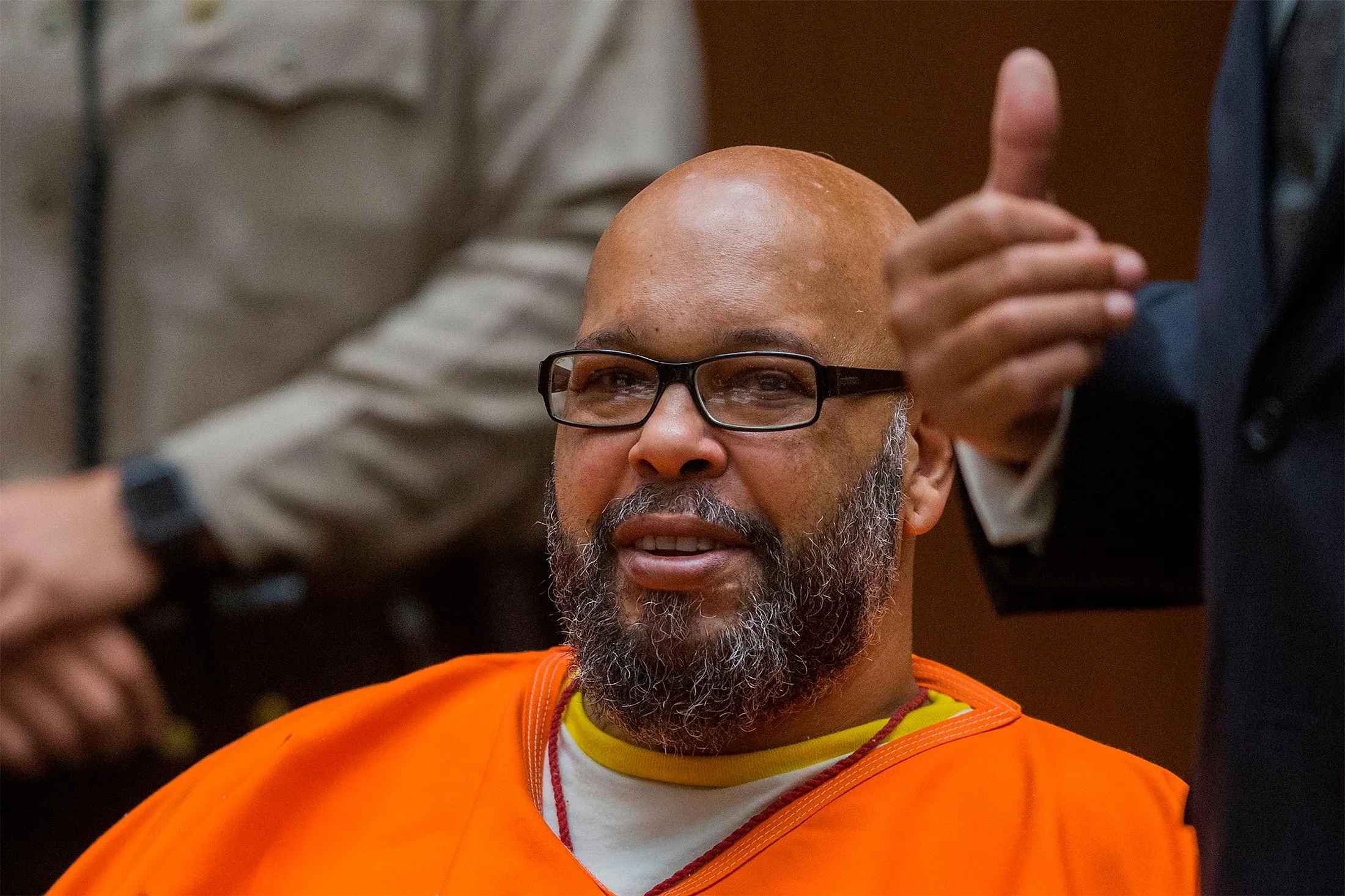
While Death Row was the corporate entity, Suge Knight himself was the primary brand ambassador. In modern marketing, we often discuss “Founder-Led Brands,” where the CEO’s personality dictates the company’s reputation. Knight was the architect of a personal brand that was synonymous with power, intimidation, and unwavering loyalty.
Authenticity and the “Street Cred” Currency
In the 1990s hip-hop market, “authenticity” was the most valuable form of brand equity. Knight cultivated a persona that suggested he was not just a businessman in a suit, but a man who lived the life described in his artists’ lyrics. What Suge Knight did was bridge the gap between the boardroom and the street. This gave the Death Row brand an “earned” reputation that competitors couldn’t buy. For consumers, buying a Death Row album wasn’t just a transaction; it was an endorsement of a lifestyle that Knight personified.
The CEO as the Face of the Product
Knight was rarely behind the scenes. Whether it was his infamous speech at the 1995 Source Awards or his constant presence in music videos, he made sure the audience knew who was in charge. This visibility served a strategic purpose: it centralized the brand’s power. If you were a fan of Snoop Dogg or Dr. Dre, you were, by extension, a constituent of Suge Knight’s empire. This centralization of identity made the brand incredibly strong in the short term, though it created significant “key man risk” for the future.
Strategic Alliances and the Power of Brand Synergy
No brand survives on the strength of its founder alone. Knight’s genius lay in his ability to curate a roster of talent that perfectly mirrored and enhanced the Death Row brand values. He understood that a brand is only as strong as its associations.
Curating a Talent Roster as Brand Assets
Knight didn’t just sign talented rappers; he signed artists who fit the “Outlaw” archetype. When he signed Tupac Shakur while the rapper was incarcerated, it was more than a talent acquisition—it was a strategic brand merger. Tupac’s poetic intensity combined with Death Row’s reputation for muscle created a cultural juggernaut. This alignment of personal and corporate brands allowed Death Row to capture a massive share of the global youth market, proving that brand synergy is a force multiplier in business.
The East Coast-West Coast Feud as a Marketing Engine
While often viewed through the lens of tragedy, the rivalry between Death Row and Bad Boy Records was, at its core, a brand war. Knight utilized the “Us vs. Them” marketing tactic to galvanize his customer base. By creating an external enemy, he strengthened internal brand loyalty. This is a common strategy in brand positioning—identifying a foil to highlight your own brand’s unique attributes. For Death Row, the foil was the “shiny suit” commercialism of the East Coast, which allowed Knight to position his brand as the “real” alternative.
The Branding Downfall: When Reputation Outpaces Sustainability
The very elements that made Death Row a dominant brand eventually led to its collapse. In brand strategy, there is a fine line between a “strong identity” and a “toxic reputation.” What Suge Knight did in the later years of his career serves as a cautionary tale for any brand that prioritizes image over infrastructure.
Risk Management and Legal Liability
A brand’s reputation is an intangible asset, but it has very real legal and financial implications. Knight’s commitment to his “tough guy” brand persona eventually manifested in behaviors that led to constant legal battles, incarcerations, and corporate instability. When the leader of a brand becomes a liability, the brand equity begins to erode. Investors, distributors, and partners—essential for long-term growth—eventually flee from high-risk associations. Death Row’s inability to transition from a “rebel” brand to a sustainable corporate entity is a classic failure in brand evolution.
Lessons for Modern Personal Branding
The rise and fall of Suge Knight offer several vital lessons for today’s entrepreneurs and brand strategists:
- Sustainability vs. Shock Value: While shock value can trigger rapid growth, it rarely sustains a brand over decades. A brand must eventually offer value beyond its controversy.
- The Danger of Over-Centralization: When a brand is entirely dependent on the persona of its founder, it cannot survive that founder’s mistakes or absence.
- The Weight of Brand Promises: Knight promised “authenticity” and “loyalty.” When internal fractures led to the departure of key assets like Dr. Dre and Snoop Dogg, the brand broke its promise to the consumer, leading to a loss of trust that it could never recover.

Conclusion: The Ghost of the Brand
Ultimately, what Suge Knight did was create a blueprint for the “Mogul” archetype that still influences the music and fashion industries today. He proved that a focused, aggressive brand identity could take over the world in a matter of months. However, he also demonstrated that without proper governance, ethical guardrails, and a transition strategy, even the most powerful brand can become a prison of its own making.
Today, the Death Row brand has been revitalized under new leadership, stripped of the volatility that Knight brought to it but still trading on the “cool factor” he helped establish. This is perhaps the ultimate testament to Knight’s branding prowess: he built an identity so strong that it survived even the total professional and personal collapse of its creator. For brand strategists, the story of Suge Knight remains a definitive study in the power of the “Outlaw” brand—and the high cost of never breaking character.
aViewFromTheCave is a participant in the Amazon Services LLC Associates Program, an affiliate advertising program designed to provide a means for sites to earn advertising fees by advertising and linking to Amazon.com. Amazon, the Amazon logo, AmazonSupply, and the AmazonSupply logo are trademarks of Amazon.com, Inc. or its affiliates. As an Amazon Associate we earn affiliate commissions from qualifying purchases.