
The Elusive Face of a Global Brand
In an era saturated with curated personal brands and meticulously crafted corporate identities, the enigma surrounding William Shakespeare’s true appearance stands as a fascinating case study in brand longevity and perception. For a figure whose literary output defines an entire epoch and whose influence spans continents and centuries, the lack of definitive, undisputed visual evidence of his face is nothing short of remarkable. Unlike modern celebrities or historical figures with abundant photographic or portraiture records, Shakespeare’s visual identity remains largely a matter of artistic interpretation, historical conjecture, and intense scholarly debate. Yet, paradoxically, this very mystery has arguably amplified his enduring brand, allowing successive generations to project their own ideals onto the Bard, making him a universally adaptable icon.
The Power of Visual Identity in Personal Branding
In contemporary personal branding, a strong, consistent visual identity is paramount. From profile pictures to brand logos, the immediate visual impression shapes how an individual or entity is perceived. It fosters recognition, builds trust, and communicates core values. For Shakespeare, a consistent visual identity was never intentionally designed. He existed before such concepts were formalized, and the available portraits emerged posthumously or under conditions that render their authenticity contentious. However, the attempt to visualize him – through engravings, paintings, and later, film and stage adaptations – became crucial for cementing his cultural standing. These visual representations, even if speculative, transformed a name into a tangible, if contested, presence, essential for any brand seeking widespread recognition and emotional connection. The very act of seeking his likeness underscores the human need to connect a personality with a face, to make an abstract genius concrete.
Why the Mystery Persists and Benefits the Brand
The primary reason for the enduring mystery is simple: the prevailing artistic and biographical practices of the late 16th and early 17th centuries. Portraiture was expensive, often reserved for royalty, the aristocracy, or the extremely wealthy. While Shakespeare achieved considerable success, his status as a playwright and actor, though elevated, may not have guaranteed multiple sittings for formal portraits that would be preserved for posterity. Furthermore, his personal life was famously private, and he seems to have evinced little concern for his public image in the way modern figures might.
However, this very lack of definitive imagery has become a unique strength for the ‘Shakespeare brand.’ It has allowed for unparalleled adaptability. His face hasn’t been fixed to a specific historical moment or aesthetic, leaving room for a universal appeal. When artists, directors, or marketing teams depict Shakespeare, they are not bound by an irrefutable photographic record. Instead, they can draw upon the various contested portraits, blend them, or create entirely new interpretations that resonate with contemporary audiences. This flexibility ensures that Shakespeare can be continually re-imagined and repackaged, maintaining his relevance across diverse cultural landscapes, a rare feat for any brand, let alone one centuries old.
Forging an Icon: Early Portraits and Their Legacy
The quest to answer “what did Shakespeare look like?” typically begins and often ends with a handful of early depictions, each with its own story, controversies, and significant impact on how the world imagines the playwright. These few images have become the foundation of his visual brand, shaping perceptions for generations, even amidst their inherent uncertainties.
The Droeshout Engraving: The ‘Official’ Face
Perhaps the most iconic and widely recognized image of Shakespeare is the engraving by Martin Droeshout, which appeared on the title page of the First Folio of Shakespeare’s plays, published posthumously in 1623. This image holds significant weight because it was approved by Shakespeare’s friends and colleagues, John Heminges and Henry Condell, who edited the Folio. Ben Jonson, a contemporary and fellow playwright, even penned a poem for the Folio attesting to its likeness: “O could he but have drawne his wit / As well in brasse, as he hath hit / His face; the Print would then surpasse / All, that was ever writ in brasse.”
Despite this endorsement, the Droeshout engraving is not without its critics. Its somewhat crude execution, stiff posture, and disproportionate features have led some to question its accuracy as a true likeness. Yet, its placement in the First Folio granted it an unparalleled authority, establishing it as the quasi-official portrait of the Bard. For centuries, this was the primary visual reference point, solidifying a somewhat stern, slightly unnatural, but undeniably recognizable face as the bedrock of Shakespeare’s visual brand. It provided an anchor for a brand that would otherwise float freely in abstract genius, giving it a tangible, albeit imperfect, form.
The Chandos Portrait: Romanticism and Debate
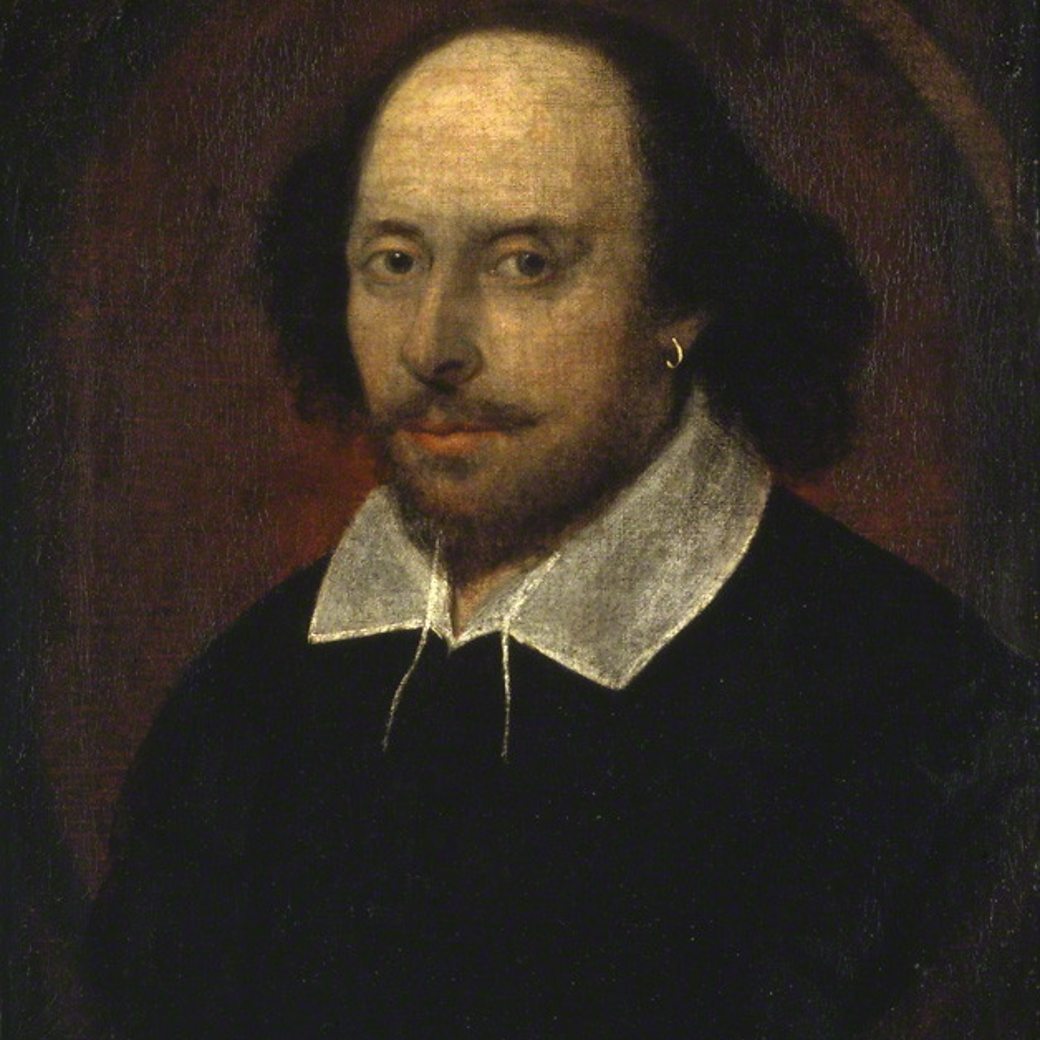
Another pivotal image is the Chandos portrait, an oil painting currently held by the National Portrait Gallery in London. Named after a former owner, the Duke of Chandos, this portrait is believed by many to be the only depiction of Shakespeare painted during his lifetime. Its origins are traced back to William Davenant, a poet and playwright who claimed Shakespeare was his godfather and inherited the portrait. The Chandos depicts a darker-haired, more romantic, and somewhat melancholic figure than the Droeshout engraving, often adorned with an earring and a slightly unkempt appearance.
The authenticity of the Chandos portrait has been rigorously debated for centuries. While its provenance offers a more direct link to Shakespeare’s lifetime, conclusive proof remains elusive. Despite the ongoing academic arguments, the Chandos portrait has exerted a profound influence on the popular imagination. Its more naturalistic, soulful depiction aligns better with the romanticized image of a tortured artistic genius, a concept that gained traction in later centuries. It provided an alternative, more humanistic face to the Droeshout’s somewhat wooden formality, allowing the “Shakespeare brand” to encompass a broader emotional range and appeal to different sensibilities.
Other Contenders and Their Authenticity
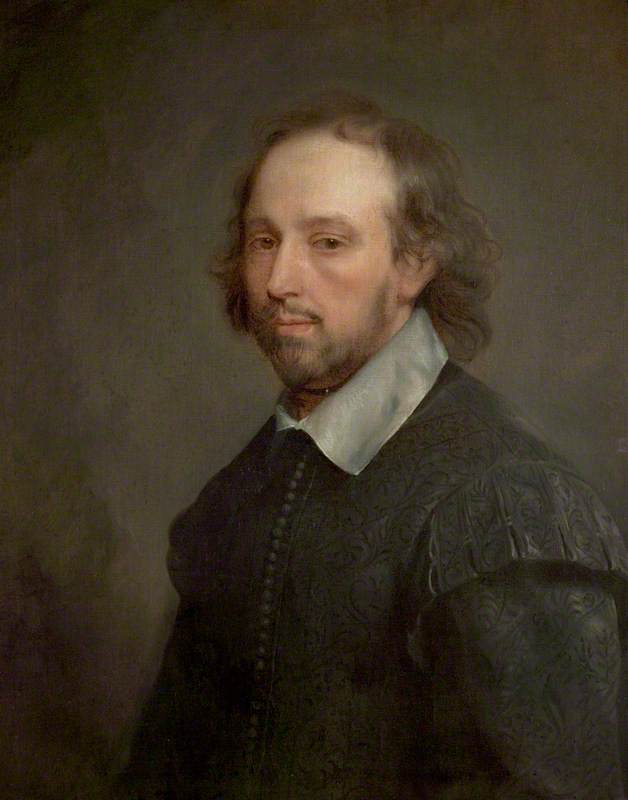
Beyond these two primary candidates, several other portraits have emerged over time, each claiming to be the true face of Shakespeare. These include the Flower portrait (now widely considered a 19th-century forgery), the Cobbe portrait (championed in recent years but also met with skepticism), and various busts and monuments. Each new discovery or re-evaluation reignites the debate, adding layers to the mystery and further illustrating the enduring fascination with Shakespeare’s persona.
From a branding perspective, the existence of multiple, often conflicting, visual representations has prevented the emergence of a single, undisputed “logo” for Shakespeare. Instead, his visual brand is a composite, a mosaic of these images, allowing for a degree of interpretive freedom that might actually enhance its timelessness. There isn’t a single “corporate standard” for his face, but rather a rich historical precedent of interpretation.
The Impact on Shakespeare’s Personal Brand
The constant discussion, speculation, and rediscovery surrounding Shakespeare’s likeness are not merely academic exercises; they profoundly shape his personal brand – how he is perceived, understood, and ultimately consumed by the public. For a figure whose personal biography is scant, his visual representation (or lack thereof) fills a critical void, transforming a literary giant into a relatable, albeit mysterious, individual.
Crafting the Persona: Beyond the Biographical
The scarcity of concrete biographical detail about Shakespeare means that his persona is heavily constructed from his works and the few historical records available. His visual identity, therefore, becomes a crucial element in this construction. The Droeshout engraving, with its serious gaze, often conveys an air of intellectual gravity, fitting for a genius. The Chandos portrait, on the other hand, hints at a more passionate, perhaps troubled artist. These visual cues inform the public’s understanding of his personality, often more powerfully than written descriptions. They contribute to the mythos, allowing people to imagine the man behind the plays, fostering a deeper, more personal connection with the ‘brand’ of Shakespeare. This imaginative engagement is vital for maintaining cultural relevance over centuries.
Visuals as Marketing and Recognition
In modern marketing, a recognizable face or logo is a powerful tool for instant recognition. While Shakespeare didn’t have a marketing team, the repeated exposure to the Droeshout and Chandos images, whether in textbooks, theater programs, or cultural exhibitions, has established them as shorthand for “Shakespeare.” They function as de facto logos, instantly bringing to mind his plays, sonnets, and towering literary achievement. When a new production advertises, or a school designs a curriculum, the inclusion of one of these recognizable images immediately signals the subject matter, leveraging the established visual brand for outreach and engagement. The visual anchors the vastness of his work, making it more accessible and identifiable.
The Role of Interpretation in Brand Longevity
The inherent ambiguity of Shakespeare’s likeness has enabled an extraordinary degree of interpretive freedom, which is a significant factor in his brand’s longevity. Unlike historical figures with clear photographic records, Shakespeare’s face can be reimagined to suit different eras and cultural contexts without feeling anachronistic. From Victorian artists depicting him as a brooding sage to modern graphic designers giving him a contemporary edge, his adaptable visual identity ensures he remains perennially relevant. This flexibility allows the “Shakespeare brand” to transcend its historical origins, constantly refreshing its appeal and speaking to new generations in their own visual language. It demonstrates how an open, rather than rigidly defined, visual identity can foster unparalleled cultural endurance.
Modern Interpretations and the Enduring Allure
In the 21st century, the question of what Shakespeare looked like continues to captivate, fueled by advances in historical research, forensic analysis, and digital technologies. These modern approaches not only seek to solve the historical puzzle but also contribute to the ongoing evolution and commercialization of the Shakespeare brand, ensuring his visual presence remains as dynamic and impactful as his literary legacy.
From Stage to Screen: Reimagining the Bard
Every cinematic adaptation, theatrical production, or documentary about Shakespeare must make a choice about his appearance. Actors playing Shakespeare, or artists creating promotional materials, often draw upon the canonical portraits but infuse them with contemporary aesthetics and interpretations. Whether it’s the more rugged, earthy portrayal in a historical drama or a highly stylized, almost abstract depiction in a modern art piece, these reinterpretations keep his visual brand fresh and relevant. The flexibility born from the original mystery allows each generation to cast their own ideal “Shakespeare,” reflecting their own values and artistic styles, effectively crowdsourcing the ongoing evolution of his visual identity. This continuous re-imagining is a powerful tool for brand engagement, inviting new audiences to connect with the familiar name in novel ways.
The Commercialization of an Image
Shakespeare’s image, regardless of its ultimate authenticity, has become a powerful commercial asset. From souvenirs sold at the Globe Theatre to book covers, apparel, and academic journals, his likeness (or an artistic representation thereof) is widely used. The Droeshout and Chandos images, in particular, are frequently repurposed, becoming symbols of literary excellence, English heritage, and high culture. This commercialization is a testament to the strength of his enduring brand. Even without a definitive photograph, the recognizable outlines and features of these historical portraits function as effective branding elements, driving merchandise sales and reinforcing his global cultural omnipresence. The very act of placing an image of “Shakespeare” on a product immediately imbues it with a sense of prestige and history, leveraging centuries of brand equity.

The Future of Shakespeare’s Visual Identity
As technology advances, new methods like forensic reconstruction from skeletal remains (if ever definitively identified) or AI-driven facial generation based on historical descriptions could potentially offer new insights into Shakespeare’s appearance. Each new discovery or technological application, however speculative, reignites public interest and scholarly debate, keeping the “what did Shakespeare look like?” question alive. This continuous engagement ensures that Shakespeare’s visual identity remains a dynamic, evolving aspect of his overall brand. Far from being a mere historical curiosity, the search for his face is an ongoing testament to the power of personal branding, demonstrating how even centuries after a person’s death, their visual representation can continue to shape their legacy, influence perception, and contribute to an unparalleled cultural footprint. The mystery isn’t a deficit; it’s a strategic advantage that fosters perpetual curiosity and keeps the Shakespeare brand eternally vibrant.
aViewFromTheCave is a participant in the Amazon Services LLC Associates Program, an affiliate advertising program designed to provide a means for sites to earn advertising fees by advertising and linking to Amazon.com. Amazon, the Amazon logo, AmazonSupply, and the AmazonSupply logo are trademarks of Amazon.com, Inc. or its affiliates. As an Amazon Associate we earn affiliate commissions from qualifying purchases.