
The U.S. financial landscape, with its intricate web of investments, companies, and market participants, demands a robust oversight mechanism to maintain integrity and protect stakeholders. At the heart of this oversight stands the U.S. Securities and Exchange Commission (SEC). Established in 1934 during the throes of the Great Depression, the SEC was born out of a critical need to restore public confidence in capital markets, shattered by widespread fraud and manipulation. More than just a bureaucratic entity, the SEC acts as a vigilant guardian, shaping the rules of engagement for virtually every entity involved in the buying and selling of securities. Its actions – whether setting new regulations, enforcing existing laws, or providing guidance – ripple through the economy, influencing investment strategies, corporate governance, and the very stability of the financial system. Understanding “what did the SEC do” is not merely an academic exercise; it’s essential for investors seeking security, businesses seeking capital, and anyone interested in the foundational principles of a fair and transparent financial market.

The Foundational Mandate: Why the SEC Exists
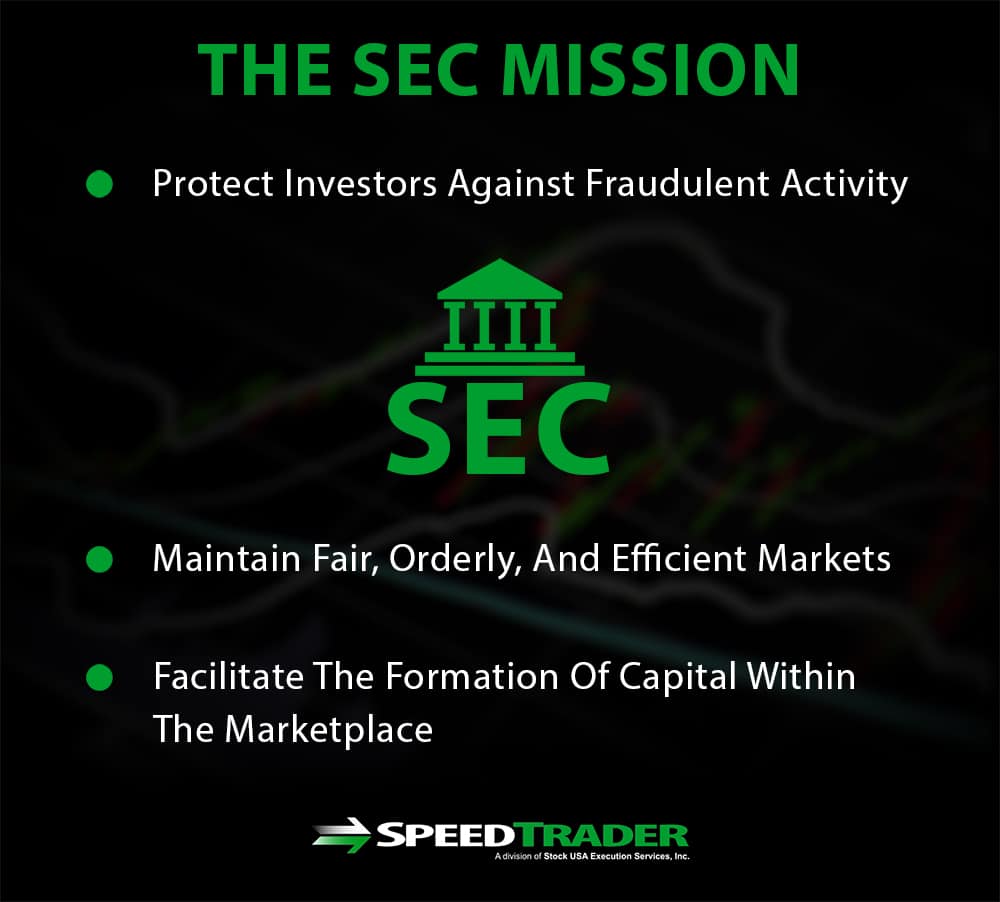
The creation of the SEC was a direct response to the market crash of 1929 and the subsequent economic downturn. Before the SEC, the securities market was largely unregulated, leading to rampant speculation, insider trading, and deceptive practices that swindled countless investors. The Securities Act of 1933 and the Securities Exchange Act of 1934 laid the legislative groundwork, establishing the SEC with a clear, tripartite mission.
Protecting the Investor
At its core, the SEC’s primary objective is to protect investors. This mandate extends to both retail individuals pooling their savings into mutual funds and sophisticated institutional investors managing vast portfolios. The SEC achieves this by compelling companies to disclose material information, preventing fraudulent activities, and ensuring that financial professionals adhere to ethical standards. Without this protection, the average person would be at a significant disadvantage, susceptible to scams, misleading information, and unfair practices that could erode their hard-earned wealth. The SEC’s enforcement division frequently brings actions against individuals and firms engaged in insider trading, Ponzi schemes, and other forms of securities fraud, sending a clear message that illicit activities will not be tolerated.
Ensuring Fair and Orderly Markets
Beyond safeguarding individual investors, the SEC is tasked with maintaining fair, orderly, and efficient markets. This means ensuring that market participants have access to timely and accurate information, that trading is conducted transparently, and that no single entity can unduly manipulate prices or control access. The SEC oversees the major securities exchanges, like the New York Stock Exchange (NYSE) and Nasdaq, as well as clearing agencies and other self-regulatory organizations. It establishes rules for trading, sets limits on certain market activities, and monitors for unusual price movements or trading patterns that might indicate manipulation. A fair and orderly market is crucial for price discovery, allowing capital to be allocated efficiently to productive enterprises and providing liquidity for investors.
Facilitating Capital Formation
While often seen as a regulator, the SEC also plays a vital role in facilitating capital formation. By setting clear rules and fostering investor confidence, it creates an environment where businesses, from nascent startups to multinational corporations, can raise capital effectively to fund their growth, innovation, and job creation. Companies need to issue stocks, bonds, and other securities to finance their operations, and investors need confidence that these offerings are legitimate and transparent. The SEC’s rigorous disclosure requirements, while sometimes perceived as burdensome, ultimately lend credibility to public offerings, encouraging investors to participate and thus driving economic expansion. A robust capital market, facilitated by the SEC, is a cornerstone of economic prosperity.
Key Functions and Regulatory Powers
To fulfill its broad mandate, the SEC wields a range of powers and undertakes several critical functions, encompassing rulemaking, enforcement, oversight, and public education. These functions are dynamic, constantly adapting to new financial products, technologies, and market behaviors.
Rulemaking and Enforcement
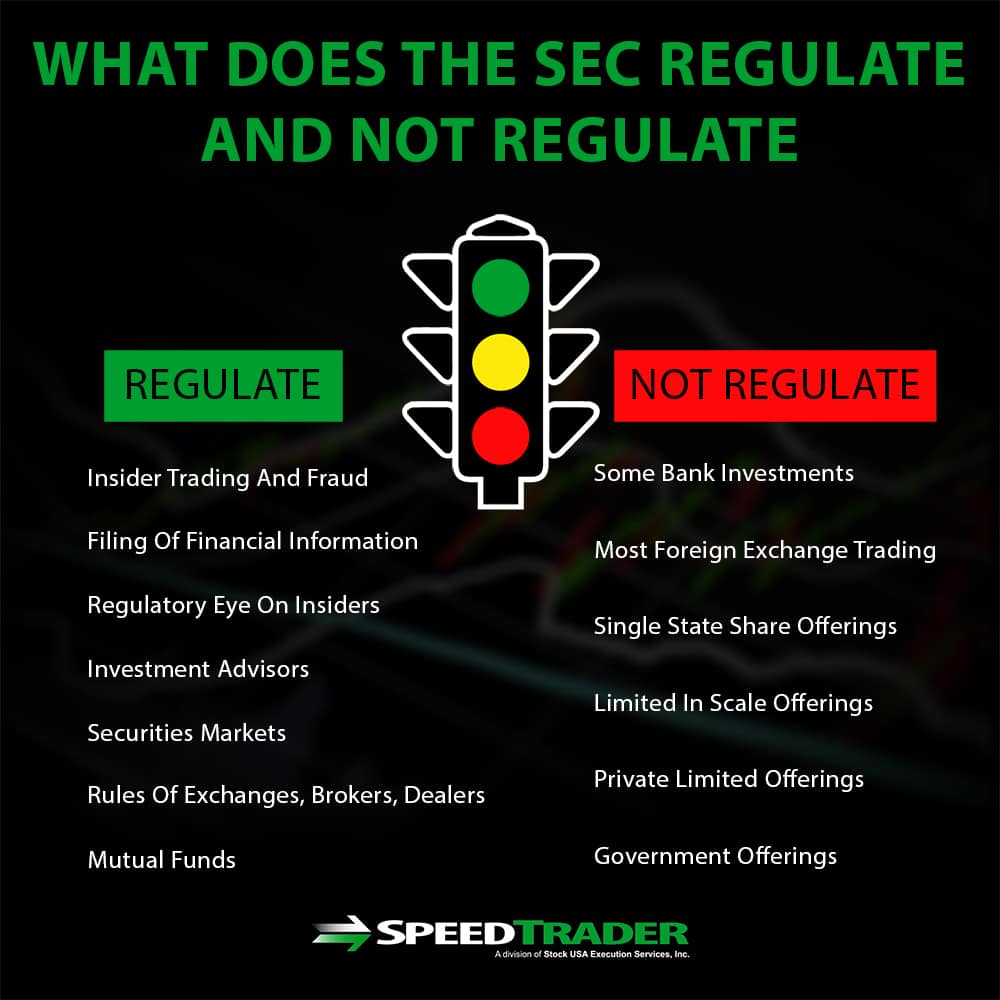
One of the SEC’s most significant powers is its ability to propose and adopt rules governing the securities industry. These rules, often stemming from new legislation (like the Dodd-Frank Act) or market developments, cover everything from how companies report their financial results to the conduct of brokers and investment advisers. Once rules are in place, the SEC’s enforcement division investigates violations, bringing civil actions against individuals and entities that contravene securities laws. These actions can result in significant penalties, disgorgement of ill-gotten gains, and bans from the securities industry. The SEC often coordinates with other regulatory bodies and law enforcement agencies, like the Department of Justice, in pursuing criminal charges.
Disclosure and Transparency
A cornerstone of investor protection is transparent and comprehensive disclosure. The SEC mandates that public companies and certain other entities provide regular, detailed information to investors. This includes annual reports (Form 10-K), quarterly reports (Form 10-Q), and current reports for significant events (Form 8-K). These filings, which are publicly available through the SEC’s EDGAR database, contain crucial financial statements, management discussions, risk factors, and other material information that investors need to make informed decisions. The principle is simple: the more information investors have, the better equipped they are to assess the value and risks of an investment.
Oversight of Market Participants
The SEC exercises direct and indirect oversight over a wide array of market participants. This includes securities exchanges, brokerage firms, mutual funds, hedge funds, investment advisers, and even bond rating agencies. It registers these entities, sets operational standards, conducts examinations, and requires them to comply with specific rules designed to protect clients and maintain market integrity. For instance, broker-dealers must adhere to suitability and best interest standards when recommending investments, and investment advisers have a fiduciary duty to act in their clients’ best interests. This extensive oversight helps prevent conflicts of interest, ensures fair dealing, and maintains a level playing field.
Investor Education
Recognizing that rules and enforcement alone are not enough, the SEC also dedicates resources to investor education. Its Office of Investor Education and Advocacy provides information and tools to help investors understand the market, identify potential fraud, and make informed choices. This includes online resources, publications, and alerts on various investment topics, from understanding mutual fund fees to recognizing red flags for Ponzi schemes. By empowering investors with knowledge, the SEC aims to equip them to protect themselves and make sound financial decisions.
Recent Actions and Areas of Focus
The financial world is in constant flux, driven by technological innovation, evolving business models, and global economic shifts. The SEC, therefore, cannot remain static; its agenda and actions must continually adapt to address emerging challenges and opportunities. In recent years, several key areas have dominated the SEC’s focus.
Tackling Emerging Technologies: Crypto and Digital Assets
The meteoric rise of cryptocurrencies and other digital assets has presented a significant regulatory challenge for the SEC. The agency has consistently emphasized that many digital tokens, particularly those offered through initial coin offerings (ICOs), are securities and thus fall under its jurisdiction. The SEC has taken numerous enforcement actions against unregistered ICOs and platforms operating without proper licenses, citing investor protection concerns due to a lack of transparency and potential for manipulation. While advocating for innovation, the SEC has stressed the importance of applying existing securities laws to this nascent asset class, with ongoing debates about appropriate regulatory frameworks for the broader crypto market, including spot Bitcoin ETFs and stablecoins.
ESG Disclosure and Climate Risk
Environmental, Social, and Governance (ESG) factors have become increasingly important to investors, who are seeking to align their investments with their values and assess long-term risks. Recognizing this, the SEC has proposed rules to enhance climate-related disclosures by public companies. These proposed rules would require registrants to provide detailed information about their climate-related risks, greenhouse gas emissions, and governance of such risks. The aim is to provide investors with consistent, comparable, and reliable information to make informed investment and voting decisions, reflecting the growing financial materiality of climate change and other ESG considerations.
Market Structure Modernization
The underlying structure of how securities are traded has undergone significant transformation with the advent of high-frequency trading, dark pools, and new order types. The SEC has been actively engaged in efforts to modernize market structure rules to ensure fairness, efficiency, and resilience. This includes reviewing rules related to best execution, payment for order flow, and the role of various market participants in facilitating trades. The goal is to ensure that technological advancements enhance, rather than detract from, market integrity and benefit all investors, particularly smaller ones.
Protecting Against Cyber Threats
As financial markets become increasingly digitized, cybersecurity has emerged as a paramount concern. The SEC has focused on improving the cybersecurity preparedness of financial firms and enhancing disclosure requirements around cyber incidents. It has brought enforcement actions against firms for failing to safeguard customer data and has proposed rules that would require public companies to disclose material cybersecurity incidents in a timelier manner and provide more granular information about their cyber risk management, strategy, and governance. This reflects the understanding that cyber threats pose significant risks to market stability and investor confidence.
The SEC’s Impact on Businesses and Investors
The far-reaching actions and regulatory framework established by the SEC have a profound and multifaceted impact on both the businesses that operate within the financial markets and the investors who participate in them. This impact extends beyond mere compliance, shaping corporate culture, investment opportunities, and market trust.
Impact on Public Companies
For public companies, SEC regulations dictate virtually every aspect of their financial life. From the meticulous process of going public (IPOs) to ongoing financial reporting, disclosure requirements, and corporate governance standards, the SEC sets the benchmark. This means companies must invest heavily in robust accounting practices, internal controls, and legal counsel to ensure compliance. While this can be costly and demanding, it also fosters a culture of transparency and accountability, which ultimately strengthens the company’s credibility and access to capital. Non-compliance can lead to severe penalties, reputational damage, and loss of investor trust, underscoring the SEC’s influence on corporate behavior.
Impact on Financial Professionals
Financial professionals, including broker-dealers, investment advisers, and their representatives, operate under a stringent regulatory umbrella designed to protect their clients. The SEC, often in conjunction with self-regulatory organizations like FINRA, establishes rules of conduct, licensing requirements, and disclosure obligations. This ensures that professionals possess the necessary qualifications, act ethically, and prioritize their clients’ interests. For instance, the SEC’s “Regulation Best Interest” rule requires broker-dealers to act in the best interest of their retail customers when making recommendations. These regulations not only safeguard investors but also elevate the professional standards of the financial services industry.
Investor Confidence and Market Integrity
Perhaps the most pervasive impact of the SEC’s work is its contribution to investor confidence and overall market integrity. By diligently pursuing fraud, ensuring fair disclosure, and overseeing market operations, the SEC creates an environment where investors can participate with a greater degree of trust. Knowing that there is a watchdog actively monitoring for misconduct helps mitigate systemic risks and encourages more individuals to invest their savings in the capital markets. This confidence is crucial for the efficient allocation of capital and the long-term health of the economy. When investors trust the market, they are more likely to participate, providing the capital necessary for businesses to innovate and grow.
Conclusion
The question “what did the SEC do?” encapsulates a vast and continuously evolving narrative of financial oversight, investor protection, and market development. Since its inception, the Securities and Exchange Commission has been an indispensable pillar of the U.S. financial system, acting as a crucial counterweight to potential abuses and ensuring the transparency necessary for healthy capital markets. Its foundational mandate – to protect investors, maintain fair markets, and facilitate capital formation – remains as relevant today as it was nearly a century ago, even as the landscape it oversees transforms at an unprecedented pace.
From vigorously enforcing securities laws against fraud and manipulation to navigating the complexities of emerging technologies like cryptocurrencies, and from championing critical disclosures on climate risk to modernizing market structures, the SEC’s actions directly influence the integrity and efficiency of the financial system. Its impact is felt by every investor seeking to grow their wealth and every business striving to access capital. As global markets become more interconnected and financial products grow more complex, the role of the SEC as a vigilant, adaptable, and forward-thinking regulator will only continue to grow in importance, safeguarding the trust that underpins the very foundation of our economic prosperity.
aViewFromTheCave is a participant in the Amazon Services LLC Associates Program, an affiliate advertising program designed to provide a means for sites to earn advertising fees by advertising and linking to Amazon.com. Amazon, the Amazon logo, AmazonSupply, and the AmazonSupply logo are trademarks of Amazon.com, Inc. or its affiliates. As an Amazon Associate we earn affiliate commissions from qualifying purchases.