
In the modern digital landscape, the line between a personal opinion and a brand-defining statement has all but vanished. For public figures, every social media interaction is a tactical move—or a strategic error—that contributes to their overall brand equity. One of the most significant examples of this volatility occurred when comedian and media personality Rosie O’Donnell directed her attention toward Barron Trump, the youngest son of Donald Trump.
From a personal branding and PR perspective, this incident provides a masterclass in the risks associated with “provocateur branding” and the complex mechanics of crisis management. By examining what was said, the context in which it was delivered, and the subsequent fallout, we can derive critical lessons for brand strategists, marketing professionals, and public figures navigating the high-stakes world of digital reputation.
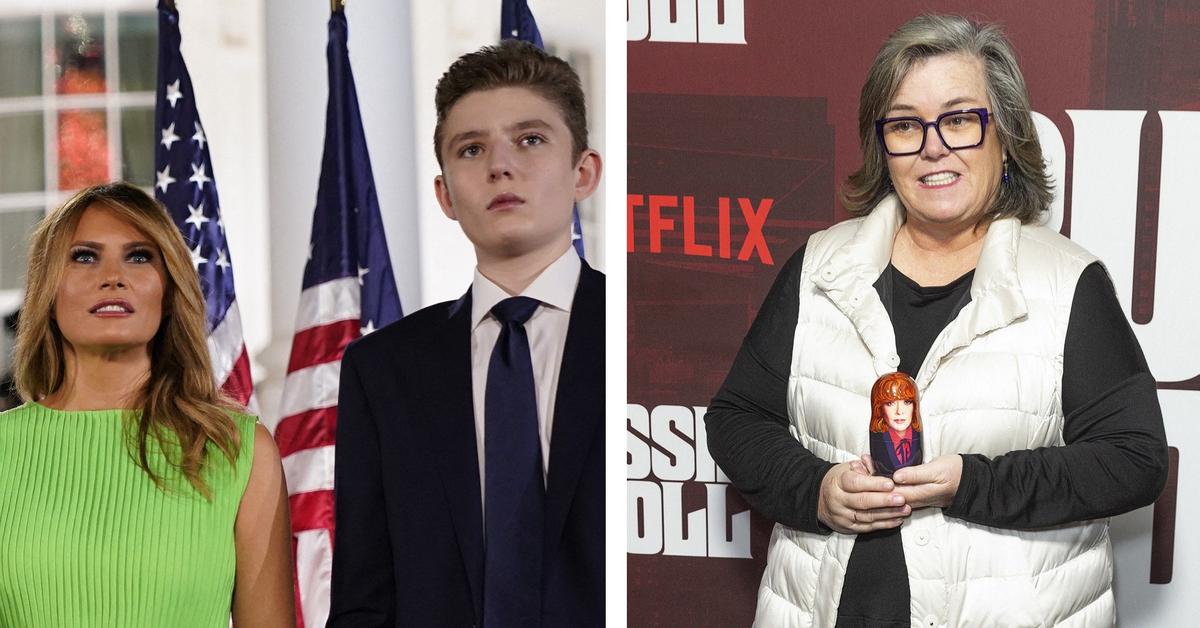
The Anatomy of a Brand Crisis: Contextualizing the Incident
To understand the branding implications, one must first look at the specific event that triggered the firestorm. In late November 2016, following the U.S. presidential election, Rosie O’Donnell shared a YouTube video on Twitter that speculated whether Barron Trump, who was ten years old at the time, was on the autism spectrum. O’Donnell captioned the video with: “Barron Trump Autistic? if so – what an amazing opportunity to help become an amazing educational moment for the autism epidemic.”
Identifying the Trigger Event as a Brand Liability
From a strategic branding standpoint, O’Donnell’s post violated several fundamental rules of public relations. While her stated intent—as she later clarified—was to raise awareness and foster a “moment for the autism epidemic” (reflecting her own experiences with her daughter’s diagnosis), the execution was a catastrophic brand failure. In the world of brand strategy, the “subject matter” often dictates the level of risk. By choosing a minor as the subject of public speculation, O’Donnell moved her personal brand into a high-risk zone that most PR experts would categorize as “unsalvageable” in the short term.
The Digital Echo Chamber and Brand Polarization
The reaction was instantaneous and polarized. O’Donnell’s brand, which had long been associated with activism, comedy, and a vocal opposition to Donald Trump, suddenly faced a backlash that transcended political lines. For a personal brand, polarization can sometimes be an asset (strengthening the loyalty of a core base), but when a brand is perceived as attacking a non-combatant—specifically a child—it risks alienating even its most devoted followers. This incident transformed O’Donnell’s brand from a “political critic” to a “target of bipartisan condemnation,” demonstrating how quickly a brand’s narrative can be wrestled away by the public.
Personal Branding Ethics in the Age of Social Media
The Rosie O’Donnell/Barron Trump incident highlights the evolving ethics of personal branding. In the past, celebrities communicated through gatekeepers—publicists, agents, and traditional media outlets. Today, the direct-to-consumer nature of social media removes those filters, placing the full weight of brand management on the individual.
Boundary Setting for Public Figures
A critical component of personal branding is “boundary setting.” Brands must decide what they stand for and, more importantly, what they will not touch. O’Donnell’s decision to engage with speculation regarding a child’s health status breached a societal and professional boundary. For brand managers, this serves as a reminder that “authenticity”—a buzzword in modern marketing—must be tempered with “discretion.” Being “real” or “raw” does not excuse a brand from the ethical obligations it has toward its audience and the subjects of its discourse.

Impact vs. Intent in Brand Messaging
In branding, intent is secondary to impact. O’Donnell later explained that her post came from a place of personal connection to the autism community. However, the market perception (the impact) was one of bullying and invasive speculation. When a brand’s message is misinterpreted on such a large scale, it indicates a failure in “brand positioning.” If the audience cannot see the benevolent intent behind a message, the brand has failed to communicate its core values effectively. This discrepancy between what a brand means and what the audience hears is where most reputation crises are born.
Damage Control and the Strategy of Brand Rehabilitation
Once the backlash reached a fever pitch, O’Donnell and her team had to engage in rapid damage control. This phase of the incident provides valuable insights into how a brand attempts to pivot after a significant misstep.
The Apology as a Strategic Pivot
O’Donnell eventually deleted the tweet and issued a public apology to Melania Trump and Barron. She stated, “I apologize to @MELANIATRUMP – i was insensitive in my RT – i am sorry for the pain i caused – it was not my intent – i am truly sorry.” From a PR perspective, this apology followed the “Three R’s” of crisis management: Regret, Responsibility, and Remedy.
However, the efficacy of a brand apology often depends on its timing and the perceived sincerity. Because the apology came after significant legal threats—reportedly from Melania Trump’s legal team—the “brand narrative” shifted from one of genuine remorse to one of legal necessity. For any brand, an apology that feels coerced is significantly less effective at restoring brand equity than one that appears proactive.
Rebuilding Trust with a Polarized Audience
Rehabilitating a brand after a high-profile controversy is a marathon, not a sprint. O’Donnell chose to step back from the specific topic, focusing instead on her broader political activism and personal life. This “strategic silence” is a common tactic in brand management. By removing the brand from the immediate cycle of controversy, the “heat” is allowed to dissipate. However, the “digital footprint” remains. In the age of Google, a brand’s past actions are always a click away, meaning that “rebuilding trust” requires a consistent, long-term commitment to a revised brand promise.
Lessons for Modern Marketers and Influencers
The O’Donnell-Trump incident is more than just a celebrity feud; it is a cautionary tale for anyone managing a brand in the 21st century. Whether you are a corporate entity, a small business owner, or a social media influencer, the principles of brand safety remain the same.
Avoiding the “Controversy Trap”
Many brands today use “outrage marketing” to garner clicks and engagement. While this can provide a short-term boost in metrics, it is often a “race to the bottom” for brand equity. O’Donnell’s brand was already highly charged; by adding a sensitive topic like a child’s health to the mix, she fell into a controversy trap that offered no strategic upside. Modern marketers must ask: “Does this engagement build long-term value, or does it merely create a temporary spike at the expense of my reputation?”
Long-term Brand Equity vs. Short-term Engagement
The most successful brands prioritize long-term equity over short-term “likes.” Rosie O’Donnell’s tweet gained massive engagement, but it damaged her brand’s “affinity” scores across multiple demographics. In brand strategy, we often measure “Net Promoter Score” (NPS)—the likelihood that someone would recommend or defend your brand. Incidents like this plummet an NPS because they make the brand “toxic” to associate with. For personal brands, this toxicity can lead to lost sponsorships, fewer media opportunities, and a diminished ability to influence public opinion in the future.

Conclusion: The Permanence of the Digital Brand
Ultimately, what Rosie O’Donnell said about Barron Trump became a permanent fixture of her personal brand’s history. It serves as a stark reminder that in the digital age, there is no “off the record.” Every post, share, and comment is a brick in the architecture of your brand. To maintain a resilient and respected brand, one must balance the desire for engagement with the necessity of ethical responsibility. The cost of a single social media post can be years of brand devaluations—a price that most strategists would agree is far too high to pay.
aViewFromTheCave is a participant in the Amazon Services LLC Associates Program, an affiliate advertising program designed to provide a means for sites to earn advertising fees by advertising and linking to Amazon.com. Amazon, the Amazon logo, AmazonSupply, and the AmazonSupply logo are trademarks of Amazon.com, Inc. or its affiliates. As an Amazon Associate we earn affiliate commissions from qualifying purchases.