
In the modern digital landscape, the distinction between a personal identity and a commercial brand has largely evaporated. For public figures, influencers, and executives, every public utterance serves as a building block—or a wrecking ball—to their professional reputation. The case of Roseanne Barr and the controversy surrounding her 2018 social media comments remains one of the most significant case studies in brand strategy and crisis management. It serves as a stark reminder that in a hyper-connected economy, brand equity is fragile, and the distance between a “comeback” and a “cancellation” is often the length of a single tweet.
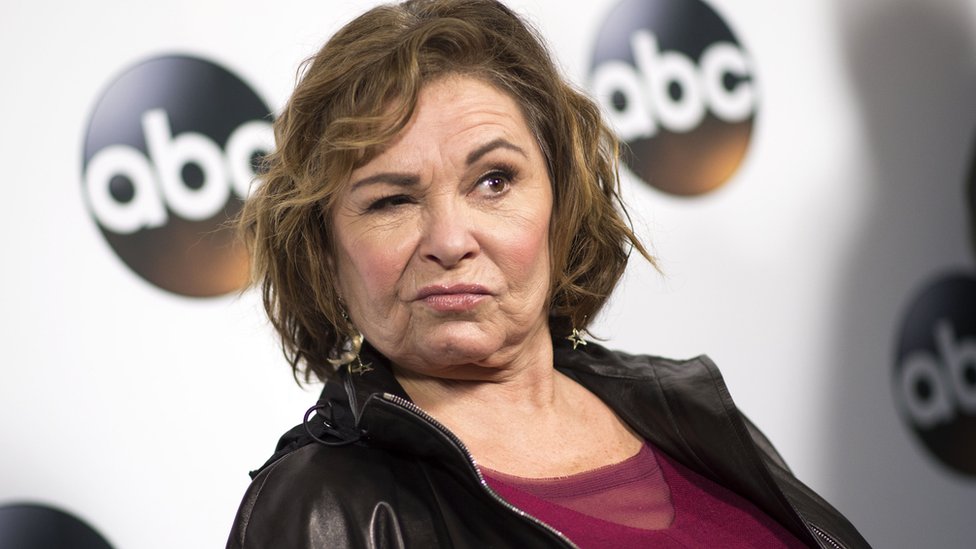
The Anatomy of a Brand Collapse: What Happened and Why It Matters
To understand the brand implications, we must first revisit the catalyst. In May 2018, Roseanne Barr, the star of the top-rated reboot of her eponymous sitcom Roseanne, posted a tweet targeting Valerie Jarrett, a former advisor to President Barack Obama. The tweet was widely condemned as racist and offensive. While Barr later apologized and claimed her comments were a result of the sedative Ambien, the damage to her personal brand—and the corporate brand of the network that hosted her—was instantaneous.
The Immediate Fallout
Within hours of the tweet, ABC (a subsidiary of Disney) took the unprecedented step of canceling the show, despite its status as the number-one sitcom on television. From a brand management perspective, this was a “scorched earth” strategy. Usually, networks attempt to mitigate damage through suspensions or public apologies. However, the severity of the brand misalignment compelled ABC to sever ties completely to protect its own corporate identity.
Brand Equity vs. Brand Liability
Roseanne Barr had spent decades building a brand as the voice of the working-class American. Her “authentic” and “unfiltered” persona was her greatest asset, leading to a highly successful career. However, the 2018 incident demonstrated the moment a brand asset transforms into a brand liability. When the “unfiltered” nature of a personal brand begins to conflict with the core values of the parent organization (Disney/ABC), the liability outweighs the revenue potential.
Corporate Identity and the Shielding of the Parent Brand
When a personal brand is under the umbrella of a major corporation, the corporation’s primary responsibility is to protect its global identity. For Disney, a company that markets itself on inclusion, family values, and wholesome entertainment, the association with Barr’s comments created “brand dissonance.”
Protecting the Disney/ABC Ecosystem
The decision to cancel Roseanne was not merely a moral one; it was a strategic business move. Advertisers are the lifeblood of network television. In the hours following the tweet, major brands began to distance themselves from the program. If ABC had kept the show on the air, they risked a broader advertiser boycott that could have bled into other properties. By acting swiftly, ABC sent a clear signal to stakeholders: the integrity of the corporate brand is more valuable than any single high-rating show.
The Strategic Pivot: The Conners
Perhaps the most fascinating brand strategy move following the incident was the creation of The Conners. This was a surgical brand extraction. The network kept the “Conner family” brand—which resonated with millions of viewers—but removed the “Roseanne” element that had become toxic. This allowed the network to retain its investment in the supporting cast and the set while distancing itself from the controversy. This is a classic example of “brand pivoting” under extreme pressure.
Personal Branding in the Digital Age: The Perils of Authenticity
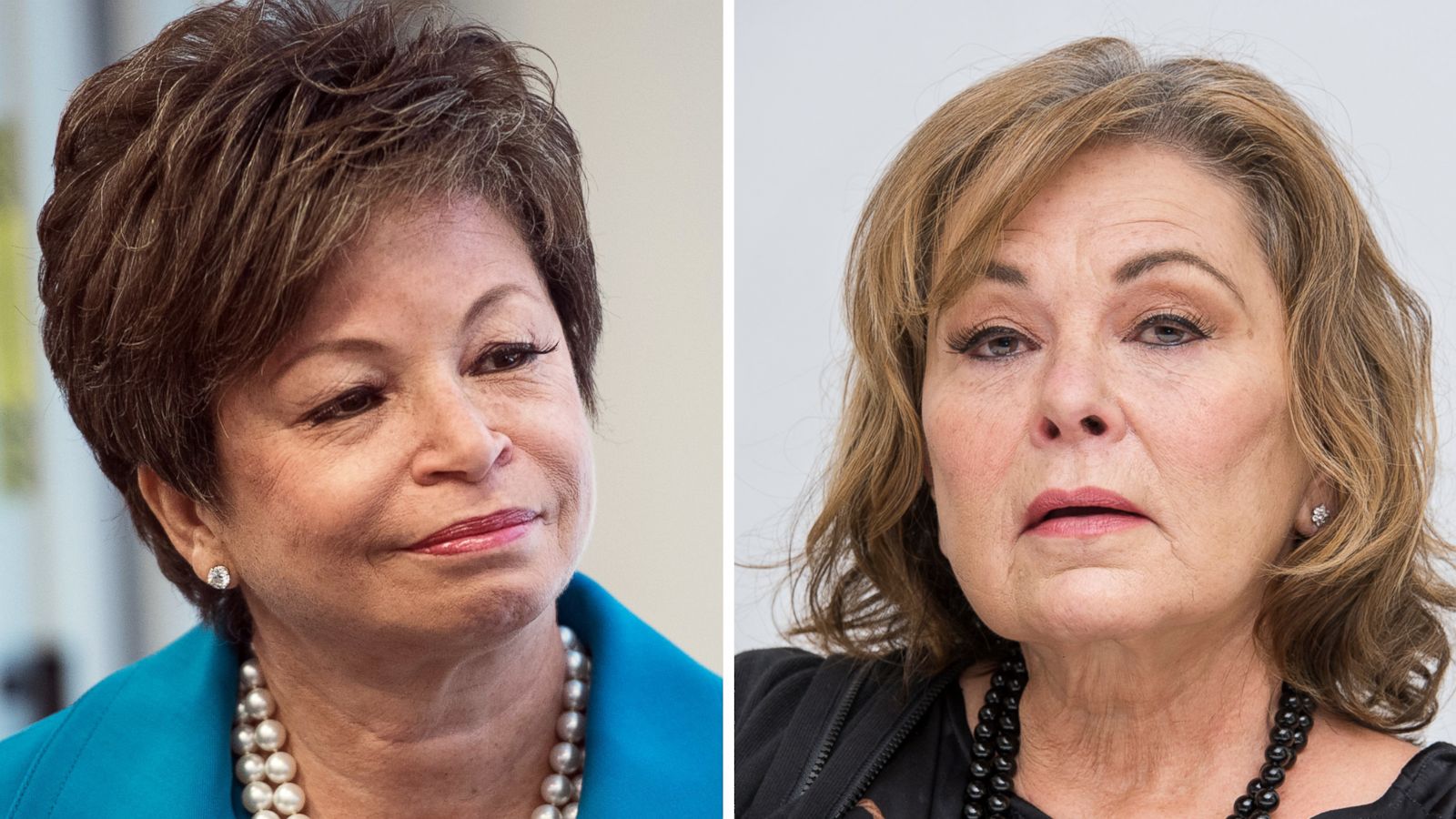
The Roseanne Barr incident highlights a fundamental tension in modern personal branding: the demand for authenticity versus the requirement for professional discipline.
The “Authenticity Trap”
Many public figures are encouraged by consultants to be “real” and “unfiltered” to build a deeper connection with their audience. This builds a high-engagement brand. However, without a set of brand guardrails, this authenticity can lead to self-destruction. In Barr’s case, her personal brand was built on being a provocateur. The challenge for any provocateur brand is knowing where the social and professional “tripwires” are.
Social Media as a Brand Megaphone
In the pre-social media era, a celebrity might make an offensive comment in a private setting or a limited interview, allowing for “spin” or controlled PR damage control. Today, social media acts as a direct, unmediated line to the public. For a brand, this is a double-edged sword. It allows for rapid growth but also ensures that a single lapse in judgment is broadcast globally in seconds, leaving no room for the traditional cooling-off period of a news cycle.
Crisis Management: Lessons for Modern Brand Stewards
The fallout of what Roseanne Barr said offers several critical lessons for anyone managing a brand, whether it is a personal brand or a corporate entity.
1. Values Alignment is Non-Negotiable
In the modern economy, consumers do not just buy products; they buy into values. If a personal brand is partnered with a corporate brand, there must be a fundamental alignment of core values. When Barr’s personal brand veered into territory that violated ABC’s corporate values, the partnership became untenable. Brand managers must conduct “value audits” regularly to ensure all representatives of the brand are in sync.
2. The Speed of Response
ABC’s response is often cited as a gold standard in crisis management for its speed. By issuing a statement and canceling the show within the same day, they prevented the story from festering. In brand crises, silence is often interpreted as complicity. A rapid, decisive action communicates strength and clarity of purpose.
3. The Irreversibility of Digital Footprints
For personal brands, the “delete” button is an illusion. Once content is posted, it becomes part of the brand’s permanent record. Long-term brand strategy requires a “think-before-you-post” mentality that many find difficult in the age of instant gratification. The financial loss to Barr—estimated in the tens of millions in lost salary and syndication royalties—is a quantifiable measure of the cost of failing to manage a digital footprint.

Conclusion: The New Frontier of Brand Responsibility
The question of “what did Roseanne Barr say” is less about the specific words and more about the consequences of brand mismanagement in a polarized, digital-first world. Her comments served as a catalyst for a massive realignment of how networks and corporations view their talent.
Today, brand strategy is no longer just about logos and taglines; it is about the constant stewardship of reputation. Whether you are a solo entrepreneur or a Fortune 500 executive, your brand is a fragile ecosystem. The Roseanne Barr case study teaches us that while building a brand takes decades, destroying it takes only 280 characters. In the intersection of personal expression and commercial enterprise, the brand that survives is the one that understands that every public act is a statement of identity—and every statement of identity carries a price tag.
aViewFromTheCave is a participant in the Amazon Services LLC Associates Program, an affiliate advertising program designed to provide a means for sites to earn advertising fees by advertising and linking to Amazon.com. Amazon, the Amazon logo, AmazonSupply, and the AmazonSupply logo are trademarks of Amazon.com, Inc. or its affiliates. As an Amazon Associate we earn affiliate commissions from qualifying purchases.