
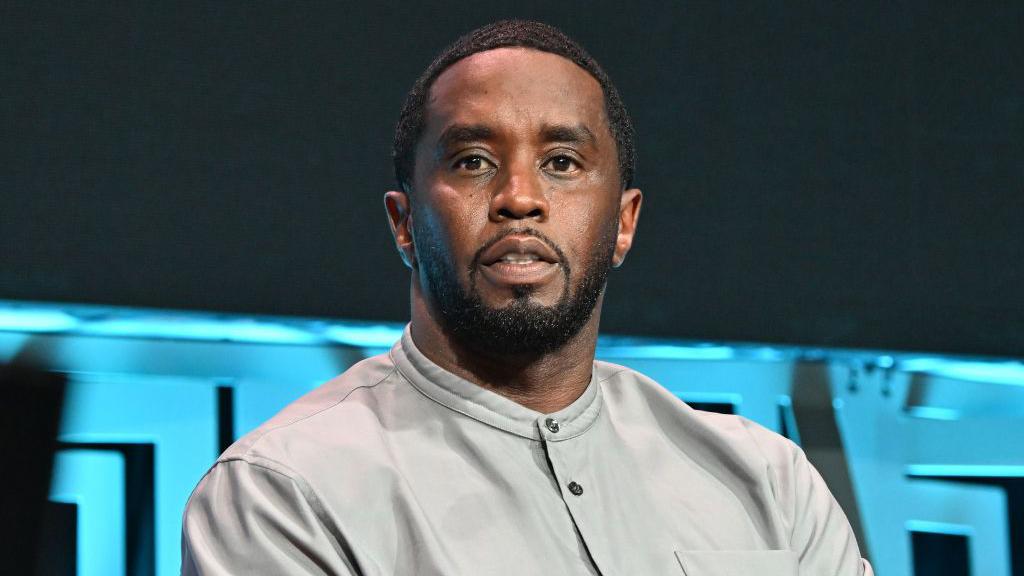
The headline “What did P. Diddy get arrested for?” immediately triggers a cascade of questions not just about the legal specifics, but profoundly about brand integrity, public perception, and the intricate art of reputation management. For a figure as globally recognized as Sean “Diddy” Combs—a mogul whose empire spans music, fashion, and media—any legal entanglement transforms instantly into a high-stakes brand crisis. This isn’t merely a matter of jurisprudence; it’s a stark case study in how personal actions, amplified by celebrity status, can send shockwaves through an entire corporate identity and personal brand built over decades. In the realm of branding, such events are not just news; they are critical junctures that test the very resilience and strategic foresight of a brand’s custodians.

The Anatomy of a High-Profile Brand Crisis
When a public figure of Diddy’s stature faces legal allegations, it doesn’t remain confined to the courtrooms; it explodes into the public sphere, creating an immediate and far-reaching brand crisis. The mechanisms through which this crisis unfolds offer invaluable lessons for any brand, regardless of its industry or scale.
When Personal Actions Intersect with Public Image
At the core of any personal brand is the individual, and their actions, both public and private, are inextricably linked to the persona they project. For celebrities and entrepreneurs who are their own brands, like Diddy, the line between personal conduct and professional identity is virtually non-existent. An arrest, even if charges are later dropped or proven false, represents a significant breach of the idealized image cultivated over years. It challenges the narrative of success, integrity, and aspiration that underpins the brand. The public, often drawn to aspirational figures, feels a sense of betrayal or disappointment, irrespective of legal guilt. This intersection means that legal challenges become reputational challenges, demanding a swift and strategic brand response.
The Amplification Effect of Celebrity
What might be a localized incident for an ordinary individual becomes a global phenomenon for a celebrity. P. Diddy’s name carries immense weight, ensuring that any news involving him is immediately picked up by traditional media outlets and aggressively disseminated across social media platforms. This amplification effect means the crisis escalates rapidly, reaching millions—if not billions—within hours. Each share, tweet, and news report adds another layer to the narrative, often shaping public opinion long before official statements or legal proceedings can offer clarity. For brand managers, this necessitates not just monitoring but actively participating in and attempting to guide the narrative across a multitude of channels, often in real-time.
Navigating Initial Shockwaves
The immediate aftermath of such news is critical. The “shockwave” period is characterized by intense media speculation, public outcry, and a scramble for information. During this time, the brand’s ability to respond strategically is paramount. This includes drafting holding statements, preparing spokespersons, and ensuring internal stakeholders are aligned. The goal is not necessarily to provide all answers immediately, but to acknowledge the situation, express commitment to cooperating, and reinforce core values. Silence or an ill-conceived response can be more damaging than the initial event itself, allowing misinformation to fester and public trust to erode further. The initial steps set the tone for the entire crisis management process.
Repercussions on the Personal Brand: Diddy’s Legacy Under Scrutiny
Beyond the immediate headlines, the long-term impact of legal troubles on a high-profile personal brand like Diddy’s is multifaceted, affecting everything from financial endorsements to the very foundation of public trust.
Endorsement Erosion and Sponsorship Scrutiny
For celebrities, a significant portion of their income and influence comes from endorsements, partnerships, and collaborations. These agreements are predicated on the celebrity’s brand image aligning with the values and aspirations of the partnering company. An arrest or severe legal allegations immediately triggers “morality clauses” in contracts, allowing brands to terminate agreements or distance themselves to protect their own reputations. P. Diddy, having cultivated a brand synonymous with luxury, success, and aspiration, would face intense scrutiny from all his corporate partners, potentially leading to financial losses and a significant blow to his commercial viability. The challenge here is not just losing current deals but the difficulty in securing new ones, as brands become wary of association with perceived risk.
Public Perception and Trust Deficit
The most invaluable asset of any personal brand is the trust and goodwill it cultivates with its audience. An arrest, especially one involving serious allegations, can shatter this trust overnight. The public’s perception of a celebrity can shift dramatically from admiration to skepticism, or even condemnation. Rebuilding this trust is an arduous and protracted process, requiring consistent, authentic efforts to demonstrate accountability and positive change. It often means re-evaluating the brand narrative, engaging in self-reflection, and making visible gestures that align with renewed values. For a brand built on charisma and aspirational messaging, a trust deficit is a critical threat to its very existence.
The Double-Edged Sword of Social Media
Social media acts as both an amplifier of crisis and a potential tool for reputation repair. While it can rapidly spread negative narratives and enable a “cancel culture” mentality, it also offers a direct conduit for the brand to communicate with its audience without the filter of traditional media. However, navigating this landscape requires extreme caution. Every post, comment, and engagement is scrutinized. An ill-timed or insincere message can backfire, further damaging credibility. Strategic use of social media during a crisis involves careful message crafting, selective engagement, and a clear understanding of public sentiment, aiming to guide conversations, correct misinformation, and gradually re-establish positive connection.
Corporate Identity in the Crosshairs: Bad Boy Entertainment’s Brand Resilience

P. Diddy is not just a personal brand; he is the face and founder of Bad Boy Entertainment and a myriad of other ventures. His legal troubles inevitably cast a shadow over his entire corporate empire, necessitating distinct strategies to protect its various components.
Decoupling and Re-coupling: Protecting Subsidiary Brands
When the face of a corporate entity is embroiled in scandal, a critical strategy is to evaluate how closely subsidiary brands are tied to the individual’s personal image. For Bad Boy Entertainment, a label with a rich history and roster of artists, the challenge would be to protect the label’s legacy and its artists from guilt by association. This might involve strategic distancing, emphasizing the collective talent and executive team, or even rebranding efforts for certain divisions. The process of “decoupling” aims to sever the perception of shared liability, while future “re-coupling” (if and when the personal brand recovers) would be a deliberate strategic choice based on careful risk assessment and market reception.
Internal Morale and Corporate Culture
A leader’s legal challenges reverberate within the organization, impacting employee morale, corporate culture, and even recruitment efforts. Employees might feel disillusioned, embarrassed, or uncertain about the company’s future. Maintaining internal communication, reinforcing the company’s mission and values, and ensuring stability for staff becomes crucial. A robust corporate culture, independent of any single individual, can act as a buffer, but leaders must demonstrate strong ethical governance and support for their teams during such turbulent times to prevent internal fracturing and loss of talent.
Stakeholder Management in Turbulent Times
Beyond employees, a corporate entity like Bad Boy Entertainment has numerous stakeholders: investors, business partners, distributors, and the broader entertainment industry. Managing these relationships during a crisis requires transparent and proactive communication. Investors will demand reassurance about financial stability and future prospects. Partners will assess their ongoing association with the company. The goal is to provide clear, consistent updates, demonstrate a commitment to ethical operations, and outline a path forward that mitigates risk and protects shared interests. This often involves engaging legal counsel, public relations experts, and financial advisors to craft a cohesive stakeholder communication strategy.
Strategic Pathways to Reputation Rehabilitation
For a brand like P. Diddy’s, surviving a crisis is one thing; truly rehabilitating its reputation and rebuilding trust is another. This is a long and intricate process that demands more than just damage control.
Transparent Communication and Accountable Leadership
In the digital age, authenticity and transparency are non-negotiable. While legal constraints often limit what can be said during ongoing proceedings, a commitment to future transparency and accountability is vital. This means addressing allegations (where legally appropriate), acknowledging the impact on stakeholders, and taking responsibility for actions. Leadership must demonstrate a willingness to learn from the situation and to make tangible changes. Cryptic statements or outright denials without credible evidence can further alienate the public and deepen distrust.
Rebuilding Trust Through Action, Not Just Words
Words alone are rarely enough to restore a tarnished reputation. True rehabilitation comes through visible, sustained action. This might involve engaging in significant philanthropic endeavors, championing social causes, or implementing new ethical guidelines within the corporate structure. For a personal brand, it could mean a period of lower profile, focusing on substantive work, and allowing actions to speak louder than any PR campaign. The key is to demonstrate a genuine commitment to positive contribution and a departure from the behaviors that led to the crisis.
The Long Game: Time, Consistency, and Authenticity
Reputation repair is not a sprint; it’s a marathon. It requires immense patience, unwavering consistency in messaging and action, and an unshakeable commitment to authenticity. There will be setbacks, renewed scrutiny, and continued skepticism. Brands must be prepared for a sustained effort over months, or even years, gradually re-earning the trust and respect that was lost. Any perceived insincerity or inconsistency can undermine years of effort, highlighting the fragile nature of public trust once it has been broken.
Lessons for Brand Custodians in the Digital Age
The P. Diddy scenario, hypothetical as it is in its specific details for this analysis, provides universal lessons for all brand custodians navigating the complexities of the digital age.
Proactive Risk Assessment and Contingency Planning
The foremost lesson is the absolute necessity of proactive risk assessment and robust contingency planning. Brands, especially those intertwined with high-profile individuals, must anticipate potential crises—legal, ethical, financial—and develop detailed response strategies before they occur. This includes identifying potential vulnerabilities, outlining communication protocols, designating crisis teams, and stress-testing response plans. A prepared brand is a resilient brand, better equipped to weather unforeseen storms.
The Enduring Power of Core Values
In the maelstrom of a crisis, a brand’s core values become its anchor. Brands that have clearly articulated, consistently demonstrated, and deeply embedded ethical values within their culture are better positioned to navigate reputational challenges. These values provide a framework for decision-making, guide communication strategies, and can act as a rallying point for internal and external stakeholders. A crisis can strip away superficial layers, revealing the true essence of a brand, making genuine core values an indispensable asset.
Brand as a Living Entity
Finally, this case underscores the understanding of a brand not as a static logo or slogan, but as a living, evolving entity. It is constantly shaped by actions, perceptions, and the prevailing cultural zeitgeist. A crisis forces a brand to adapt, to reflect, and sometimes, to fundamentally reinvent itself. Successful brand custodians recognize this dynamic nature, embracing challenges as opportunities for growth, transformation, and ultimately, the strengthening of their brand’s long-term relevance and resonance. The question “What did P. Diddy get arrested for?” ultimately transcends the individual, becoming a powerful reminder of the delicate balance required to build, maintain, and protect a brand in the public eye.
aViewFromTheCave is a participant in the Amazon Services LLC Associates Program, an affiliate advertising program designed to provide a means for sites to earn advertising fees by advertising and linking to Amazon.com. Amazon, the Amazon logo, AmazonSupply, and the AmazonSupply logo are trademarks of Amazon.com, Inc. or its affiliates. As an Amazon Associate we earn affiliate commissions from qualifying purchases.