
The teachings attributed to Muhammad, central to the foundational principles of Islam, span a comprehensive array of human existence, from personal piety and social conduct to governance and justice. Among these extensive guidelines, a significant emphasis was placed on economic principles, financial ethics, and the responsible stewardship of wealth. Far from being an afterthought, these teachings laid the groundwork for a unique financial system designed to foster economic justice, social equity, and sustainable prosperity. They addressed fundamental questions of wealth creation, distribution, and consumption, providing a holistic framework for managing finances at both individual and societal levels. This exploration delves into the financial and economic facets of these teachings, highlighting their enduring relevance to concepts of money, investment, and responsible economic engagement.
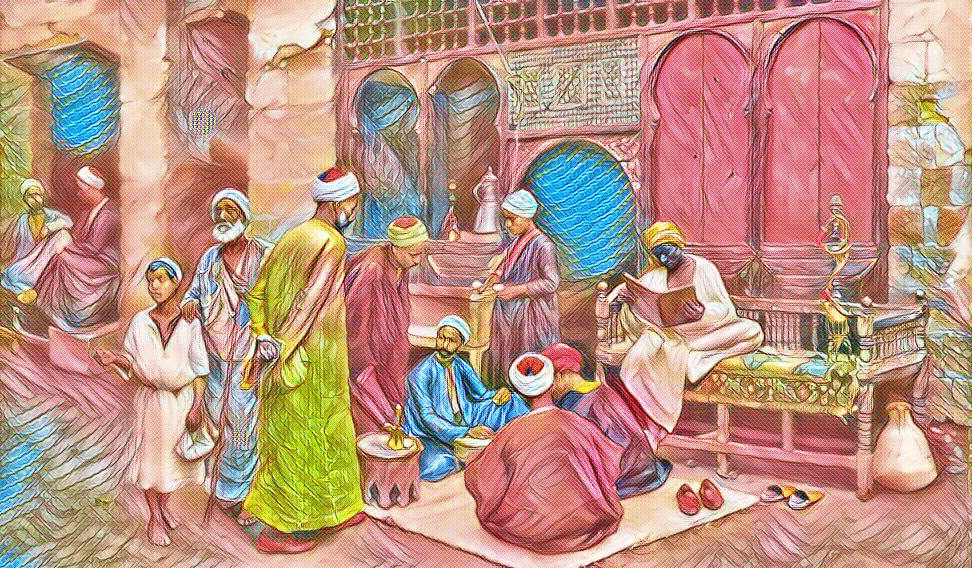
Foundations of Financial Ethics in Early Islam
The ethical framework surrounding money and economic activity was meticulously constructed in the early Islamic period, reflecting a deep concern for fairness, equity, and the well-being of all members of society. These foundational principles sought to harness economic activity for the common good, integrating financial practices with moral imperatives.
The Concept of Zakat: Wealth Redistribution as a Pillar
One of the most distinctive and impactful financial teachings is Zakat, an obligatory annual contribution calculated on various forms of wealth. Unlike voluntary charity, Zakat is a prescribed purification of wealth, a defined right of the poor and needy upon the assets of the wealthy. Typically levied at a rate of 2.5% on accumulated savings, gold, silver, business inventory, and certain agricultural products and livestock above a minimum threshold (nisab), Zakat serves multiple critical functions. Economically, it acts as a mechanism for wealth redistribution, ensuring that a portion of accumulated capital is constantly circulated back into the less affluent segments of society. This systematic transfer works to alleviate poverty, reduce economic disparities, and provide a social safety net, functioning as an early form of social welfare system. The teaching emphasizes that wealth is a trust from God, and its proper management includes fulfilling the rights of the less fortunate, thereby fostering communal responsibility and mitigating the concentration of wealth in a few hands.
Prohibition of Riba: Ethical Finance and Interest
Another cornerstone of Islamic financial ethics is the strict prohibition of Riba, commonly understood as usury or interest. This prohibition is not merely an ethical injunction but a fundamental principle that reshapes the very nature of financial transactions. The teachings explicitly condemn lending money for a predetermined, fixed return, arguing that it represents unearned income derived from the exploitation of another’s need or vulnerability. The rationale behind this prohibition is multifaceted: it seeks to prevent the creation of debt burdens that can trap individuals and businesses in cycles of indebtedness, encourages risk-sharing in economic ventures rather than guaranteed returns for lenders, and fosters genuine partnership and productive investment. Instead of interest-based loans, the teachings promote profit-and-loss sharing arrangements (such as Mudarabah and Musharakah) and ethical trade, where risk is shared between parties and returns are tied to actual economic performance. This approach encourages productive economic activity and discourages speculative or exploitative financial practices.
Economic Justice and Social Responsibility
Beyond individual financial obligations, the teachings extended to shape a broader vision of economic justice and collective social responsibility, ensuring that economic activity served the welfare of the entire community.
Encouraging Legitimate Trade and Honest Dealings
The teachings place immense value on honest and transparent trade. Earning a livelihood through legitimate business and hard work is highly commendable. Merchants were explicitly instructed to use accurate weights and measures, avoid deception, fulfill contracts, and refrain from engaging in fraudulent practices. This emphasis on integrity in commercial transactions aimed to build trust within the marketplace, ensuring fairness for both buyers and sellers. Any form of exploitation, hoarding goods to manipulate prices, or monopolistic practices designed to harm consumers or competitors, was severely condemned. The teachings promoted a vibrant economy built on mutual respect, fair competition, and ethical conduct, laying a moral groundwork for stable and prosperous markets.
Care for the Needy and Preventing Hoarding
While Zakat addresses a portion of wealth, the teachings also stress the broader principle of care for the poor and needy through voluntary charity (Sadaqah) and an overarching ethos of generosity. Wealth is viewed as a means to achieve broader societal well-being, not an end in itself for personal accumulation. The teachings strongly discourage hoarding wealth, especially essential commodities, and instead advocate for its circulation within the economy through investment, trade, and charitable giving. The underlying philosophy is that resources should be actively used to benefit society, stimulating economic activity and preventing stagnation. This promotes a collective responsibility where those with means are expected to actively contribute to the welfare of their communities, ensuring that no one is left behind and that economic benefits are shared more broadly.
Personal Finance and Stewardship
The teachings of Muhammad provided not only a framework for societal economic justice but also practical guidance for individuals on managing their personal finances, emphasizing prudence, moderation, and responsible stewardship.
Moderation, Frugality, and Avoiding Extravagance
A key theme in personal finance is the concept of wasatiyyah or moderation. The teachings strongly discourage extravagance (israf) and wasteful spending, regardless of one’s wealth. Instead, they advocate for a balanced approach to consumption, where individuals meet their needs without indulging in ostentation or excessive luxury. This principle promotes financial prudence, encourages saving for future needs, and prevents indebtedness stemming from uncontrolled spending. It also fosters a sense of gratitude and contentment, encouraging individuals to appreciate what they have rather than constantly seeking more. This emphasis on frugality and mindful consumption contributes to personal financial stability and a more sustainable lifestyle.
The Role of Work and Earning a Livelihood
Earning a lawful (halal) livelihood through honest work is highly lauded and considered an act of worship. The teachings emphasize the dignity of labor and encourage individuals to be self-sufficient and contribute productively to society rather than relying on charity, if they are capable of working. This instills a strong work ethic, promoting entrepreneurial spirit, skill development, and active participation in the economy. It aligns personal effort with the pursuit of sustenance, reinforcing the idea that financial well-being is often the fruit of diligent and ethical endeavor. The condemnation of idleness and mendicancy, when one is able to work, underscores the value placed on productive engagement.
Long-Term Financial Wisdom: Endowments and Inheritance
The teachings extended beyond immediate financial transactions to encompass long-term financial planning, wealth preservation, and intergenerational transfer, demonstrating a sophisticated understanding of enduring economic impact.
Waqf: Perpetual Charitable Endowments
A remarkable institution originating from these teachings is the Waqf, a charitable endowment typically involving property or assets dedicated in perpetuity for religious, charitable, or public utility purposes. Once established, the capital of a Waqf cannot be bought, sold, or inherited; its fruits or income, however, are continuously utilized for the designated purpose. This concept allowed for the sustainable funding of essential services such as hospitals, schools, universities, orphanages, public wells, and mosques, creating a durable financial mechanism for community development and social welfare that transcends generations. Waqf represents an innovative approach to long-term philanthropy and asset management, ensuring that wealth serves a lasting public good.

Principles of Inheritance and Estate Planning
The teachings also provided explicit and detailed rules for inheritance and estate planning, ensuring a fair and equitable distribution of wealth upon an individual’s demise. These rules specify shares for various family members, including spouses, children, and parents, aiming to prevent disputes and maintain familial harmony. Prior to distribution, the deceased’s debts must be settled, and valid bequests (up to one-third of the estate, to prevent disinheritance of legal heirs) must be fulfilled. This structured approach to wealth transfer ensures that accumulated assets contribute to the financial stability of the family and community across generations, reflecting a commitment to justice and continuity in financial matters. It minimizes ambiguity and provides a clear framework for wealth succession.
The financial and economic teachings of Muhammad represent a comprehensive framework designed to integrate ethical conduct with material prosperity. They advocate for a system where wealth is not merely accumulated but actively managed and distributed to foster economic justice, mitigate poverty, and build a cohesive, responsible society. From the mandatory redistribution through Zakat and the prohibition of exploitative interest to the encouragement of honest trade and long-term endowments, these principles collectively outline an economic model that prioritizes human welfare and moral integrity alongside financial growth.
aViewFromTheCave is a participant in the Amazon Services LLC Associates Program, an affiliate advertising program designed to provide a means for sites to earn advertising fees by advertising and linking to Amazon.com. Amazon, the Amazon logo, AmazonSupply, and the AmazonSupply logo are trademarks of Amazon.com, Inc. or its affiliates. As an Amazon Associate we earn affiliate commissions from qualifying purchases.