
In the digital age, a personal brand is more than just a reputation; it is a complex financial and social asset built on the foundation of public trust. When that foundation is fractured by ethical breaches, the resulting collapse serves as a high-stakes case study in brand management and crisis communication. The downfall of Craig Thompson, known globally as “MiniLadd,” provides a stark illustration of how a multimillion-dollar brand can disintegrate when the persona presented to the public diverges sharply from private conduct.
To understand “what MiniLadd did” through the lens of brand strategy is to examine the fragility of parasocial relationships and the uncompromising nature of modern digital accountability. This article analyzes the rise and fall of the MiniLadd brand, the failure of his crisis management strategies, and the broader implications for personal branding in the influencer economy.

The Architecture of the MiniLadd Brand
Before the controversies of 2020, MiniLadd was a cornerstone of the YouTube gaming community. His brand was not built on high-level gameplay or technical mastery, but rather on a specific “brand identity” that resonated with millions of viewers.
Building Community Through Authenticity
The MiniLadd brand was predicated on the concept of the “approachable gamer.” Unlike creators who maintained a distance from their audience, Thompson leaned into a persona that felt like a friend. This “relatability” is a potent brand tool; it creates high engagement rates and a loyal consumer base that feels a personal stake in the creator’s success. By sharing personal stories and championing mental health awareness, Thompson built significant brand equity. This equity translated into massive merchandise sales, successful international tours, and a dedicated “fanbase-as-community” model.
The Power of Multi-Platform Presence
From a strategic standpoint, the MiniLadd brand was expertly diversified. Thompson did not rely solely on YouTube’s ad revenue. He expanded into live events (the “Demonetized” tour), high-end merchandise lines, and significant philanthropic endeavors, such as his work with Thirst Project. This multi-platform approach is a textbook example of “brand scaling,” where the central identity is leveraged across different industries to create a robust financial ecosystem. However, this diversification also meant that when the brand’s core integrity was questioned, the “contagion” of the scandal spread rapidly across every vertical of his business.
The Catalyst of Deconstruction: Accountability and Crisis
In mid-2020, the MiniLadd brand faced its first existential threat. Multiple allegations surfaced regarding inappropriate interactions with underage fans. In the world of brand strategy, this is classified as a “Category A” crisis—a direct violation of the brand’s core values (safety, community, and trust).
The Allegations and Public Exposure
The initial reports did more than just damage Thompson’s reputation; they invalidated his brand’s Unique Selling Proposition (USP). Because his brand was built on being a “safe space” and a “wholesome” figure within a sometimes toxic gaming culture, the evidence of grooming and misconduct acted as a total brand negation. In corporate branding, this is akin to a health food company being found to use toxic ingredients—the core promise of the brand is revealed to be a falsehood.
The Failure of Initial Crisis Communication
When a brand faces a crisis, the first 48 hours are critical. Thompson’s response is often cited by PR experts as a masterclass in what not to do. His initial statements were perceived as defensive, evasive, and lacking in genuine accountability. In personal branding, if the “character” is the product, any sign of perceived insincerity during a crisis acts as a secondary brand failure. His eventual “apology” video was widely criticized for its tone and framing, further alienating his audience and stakeholders. Instead of mitigating the damage, his communication strategy accelerated the brand’s obsolescence by confirming the audience’s worst fears about his character.
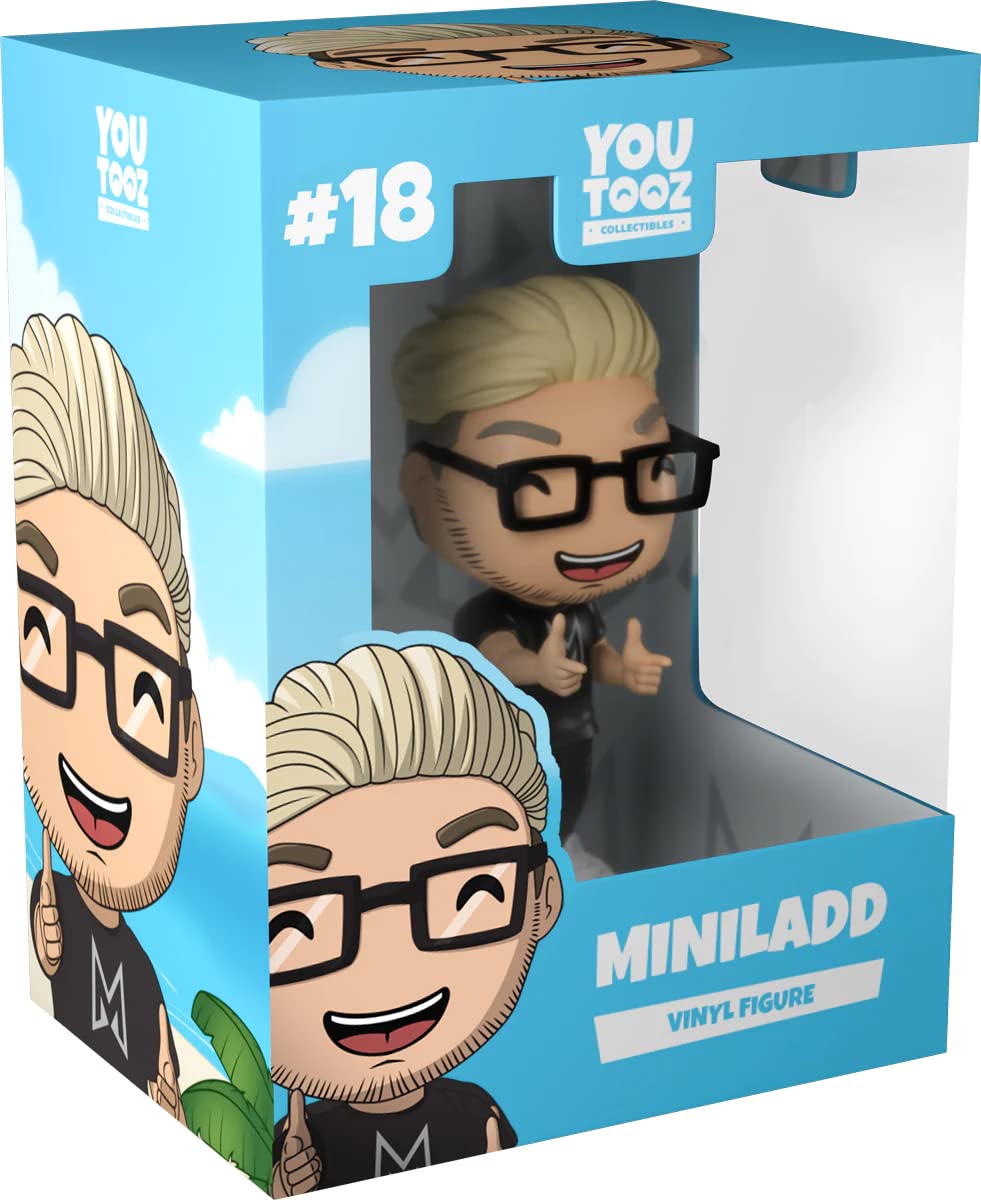
Brand Erosion and the Ripple Effect on Ecosystems
No brand exists in a vacuum. In the influencer space, “brand association” is a key driver of growth. When the MiniLadd brand became toxic, the impact was felt across the entire network of creators and corporations he was associated with.
Impact on Collaborative Networks
MiniLadd was a frequent collaborator with other massive brands, such as VanossGaming and the “Sidemen” circles. When the allegations became public, these secondary brands faced a choice: distance themselves or risk “guilt by association.” The rapid severance of ties by his former peers was a strategic move to protect their own brand health. This isolation is often the death knell for a personal brand, as it cuts off the “social proof” and discovery mechanisms that sustain long-term growth.
Corporate Severance and Sponsorship Fallout
For corporate partners like Elgato, various gaming peripherals, and charity organizations, the MiniLadd brand transitioned from an asset to a liability overnight. Modern corporations employ “morality clauses” in their contracts, allowing them to terminate partnerships immediately if a creator’s behavior reflects poorly on the parent company. The speed with which these entities scrubbed MiniLadd from their websites and marketing materials highlights the ruthless nature of corporate brand protection. Once a brand loses its “institutional trust,” the path to financial recovery becomes nearly impossible.
Strategic Takeaways for Modern Personal Branding
The story of MiniLadd serves as a cautionary tale for any entrepreneur or creator building a brand in the digital age. It highlights several fundamental shifts in how brand value is calculated and maintained.
Integrity as a Brand Core
In the past, a brand could be managed through careful PR and controlled messaging. Today, the transparency of the internet means that “Brand Identity” (what you say you are) and “Brand Image” (what people think you are) must align with “Brand Reality” (who you actually are). For MiniLadd, the gap between the marketed persona and the private individual was too wide to bridge. Strategic longevity now requires an alignment of values that transcends marketing copy.
The Permanence of the Digital Footprint
A significant factor in the MiniLadd brand collapse was the use of digital evidence—screenshots, logs, and social media archives. In brand management, this represents the “permanent record” of the digital era. A brand is no longer just its most recent campaign; it is the sum total of its historical interactions. This permanence means that historical “brand debt”—past mistakes or unethical behavior—can be called in at any time, often when the brand is at its peak valuation.
The Fragility of Parasocial Equity
The very thing that made the MiniLadd brand powerful—the deep emotional connection with fans—is what made its downfall so absolute. When a fan feels “betrayed” by a personal brand, the transition from loyal consumer to vocal detractor is swift and permanent. This “betrayal trauma” in a consumer base is much harder to heal than a simple product defect. It requires a total rebranding effort that few individuals have the psychological or financial resources to execute.

Conclusion: Rebuilding vs. Permanent Obsolescence
What did MiniLadd do? From a brand strategy perspective, he committed the ultimate error: he destroyed the “Trust Equity” that served as the sole currency of his business. While some brands can survive a scandal through a “pivot” or a “redemption arc,” such a recovery is predicated on the nature of the transgression. In cases involving ethical violations against the community itself, the brand often reaches a state of permanent obsolescence.
The legacy of the MiniLadd brand is a reminder that in the modern economy, your character is your brand. No amount of high-quality content, clever marketing, or diversified revenue streams can sustain a brand that has lost its moral authority. For creators and businesses alike, the lesson is clear: the most important asset on your balance sheet isn’t your follower count or your revenue—it is the integrity of the promise you make to your audience every day. Once that promise is broken, the brand ceases to exist, leaving behind only a case study in how quickly a digital empire can fall.
aViewFromTheCave is a participant in the Amazon Services LLC Associates Program, an affiliate advertising program designed to provide a means for sites to earn advertising fees by advertising and linking to Amazon.com. Amazon, the Amazon logo, AmazonSupply, and the AmazonSupply logo are trademarks of Amazon.com, Inc. or its affiliates. As an Amazon Associate we earn affiliate commissions from qualifying purchases.