
In the modern digital landscape, the distinction between an individual’s private thoughts and their public brand has effectively evaporated. Perhaps no case study illustrates this phenomenon more starkly than the trajectory of Kanye West, now legally known as Ye. For decades, West was heralded as a paragon of disruptive branding—a visionary who successfully navigated the worlds of music, fashion, and design. However, the question of “what did Kanye West tweet” became less about cultural commentary and more about the systematic dismantling of a multi-billion-dollar personal brand in real-time.
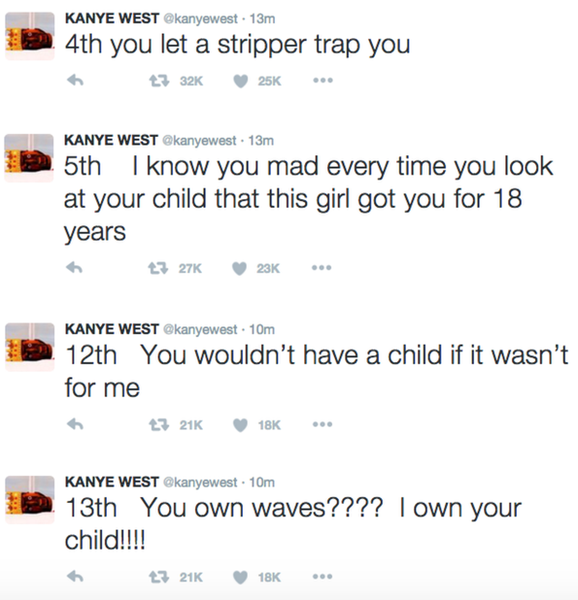
From a brand strategy perspective, West’s social media presence serves as a cautionary tale regarding the limits of authenticity, the fragility of corporate partnerships, and the irreversible nature of digital narrative shifts. This article examines the mechanics of West’s personal brand, the impact of his digital communications on brand equity, and the broader implications for celebrity-driven corporate identities.
The Architecture of a High-Risk Personal Brand
To understand the impact of West’s tweets, one must first understand the brand archetype he cultivated. For years, the “Kanye West” brand was built on the foundation of the “Outlaw” or the “Creator” archetype. These roles thrive on disruption, challenging the status quo, and maintaining a level of raw, unfiltered authenticity that resonates with a disillusioned audience.
The Power of Radical Authenticity
In the early 2010s, West’s unpredictability was his greatest brand asset. His willingness to speak his mind, regardless of the venue, created a “maverick” persona that felt genuine in an era of highly curated celebrity PR. For brands like Adidas and Nike, this authenticity translated into cultural “cool.” Consumers weren’t just buying sneakers; they were buying a piece of West’s uncompromising vision. This radical authenticity allowed him to command premium pricing and absolute loyalty from a global fanbase.
The Shift from Disruption to Liability
There is, however, a thin line between “disruptive” and “destructive.” In brand strategy, disruption is calculated; it serves a purpose to reposition a product or challenge a competitor. Destructive behavior, conversely, lacks a strategic endgame and begins to alienate the core demographic. As West’s tweets moved from aesthetic debates to inflammatory social and political commentary, the brand shifted from being a “rebel” to being a “risk.” This shift is the point where personal branding enters a crisis management phase from which many never recover.
The Twitter Megaphone: Real-Time Brand Erosion
Social media, specifically Twitter (now X), acted as an accelerant for the erosion of West’s brand equity. Unlike traditional media, where PR teams can vet statements, Twitter allows for instantaneous, unfiltered access to an audience of millions. For West, this meant that every controversial thought was broadcast globally before a mitigation strategy could even be considered.
The Mechanics of Brand Safety
In the advertising and branding world, “Brand Safety” is a paramount concern. Corporations want to ensure their products are not associated with hate speech, conspiracy theories, or volatile rhetoric. When West began tweeting content that was widely condemned as antisemitic and inflammatory, he violated the fundamental tenets of brand safety. From a strategic standpoint, he ceased to be an influencer and became a “toxic asset.”
The speed of his digital narrative was so rapid that it outpaced the ability of his partners to respond. This created a vacuum where the “Kanye West” brand was no longer defined by Yeezy sneakers or Grammy-winning music, but by the latest 280-character controversy.

The Loss of Narrative Control
A successful personal brand requires the ability to control one’s narrative. For years, West controlled his story by being the “misunderstood genius.” However, his Twitter activity in late 2022 and beyond saw him lose this control. The public discourse shifted from his creative output to his mental health and his ideological stances. In branding, once the conversation moves from the “product” (the art/fashion) to the “problem” (the behavior), the brand’s commercial viability begins to plummet.
Corporate Identity and the Risk of Association
The fallout of West’s tweets provided a masterclass in corporate crisis management and the complexities of long-term celebrity partnerships. High-profile brands such as Adidas, Balenciaga, and GAP had to weigh the enormous revenue generated by West against the potential long-term damage to their own corporate identities.
The Adidas Breakup: A Case Study in Decoupling
The partnership between Adidas and Yeezy was one of the most successful in fashion history. At its peak, Yeezy accounted for a significant percentage of Adidas’s total net income. However, the pressure from consumers, employees, and stakeholders following West’s controversial tweets became insurmountable.
From a brand strategy lens, Adidas faced a “sunk cost” dilemma. Should they retain a profitable but ethically compromised partner, or take a massive financial hit to preserve their brand integrity? Their eventual decision to terminate the partnership demonstrated that even billions of dollars in revenue are not worth the destruction of a legacy brand’s core values. This set a new precedent for how corporations handle high-risk “talent” in the digital age.
Contractual Safeguards and Moral Clauses
In the wake of the West controversy, the structure of brand-celebrity contracts has undergone a significant shift. More brands are now insisting on “morals clauses” that are more robust and easier to trigger. These clauses allow companies to sever ties immediately if a partner’s public statements—including social media activity—bring the brand into disrepute. The “Kanye West tweet” phenomenon essentially rewrote the rulebook for legal departments in the fashion and tech sectors.
Rebuilding or Rebranding: Can a Legacy Survive?
The final question for any brand strategist looking at the Kanye West case is whether a brand that has experienced such a total collapse can ever be rehabilitated. Rebranding after a crisis of this magnitude requires a total shift in behavior and a sustained period of silence or positive contribution—neither of which have been hallmarks of the West persona.
Niche vs. Mass Market Appeal
Post-Twitter controversy, the West brand has transitioned from a mass-market powerhouse to a niche, albeit still significant, entity. While there remains a segment of the population that will support him regardless of his public statements, the “prestige” element of the brand has been largely stripped away. High-end retailers and mainstream platforms have distanced themselves, forcing the brand to operate in alternative spaces. This “de-platforming” of a brand is a relatively new phenomenon and represents the ultimate penalty for digital volatility.
The Future of the “Ye” Brand Archetype
As we look toward the future, the “Ye” brand serves as a prototype for the “Unfiltered Celebrity.” We are seeing more figures attempt to bypass traditional media and speak directly to their audience, often with polarizing results. For brand managers, the lesson is clear: while authenticity is a powerful tool, it must be tempered with a commitment to the core values of the target audience. A brand that stands for everything eventually stands for nothing, and a brand that attacks its own ecosystem will eventually find itself without a home.
In conclusion, the inquiry into “what did Kanye West tweet” is not merely a matter of celebrity gossip; it is a vital exploration of the intersection between digital communication and brand survival. West demonstrated that in the 21st century, a brand takes decades to build but can be dismantled in the time it takes to hit “post.” As personal branding continues to dominate the commercial landscape, the lessons learned from the volatility of Ye will remain a cornerstone of brand strategy for years to come.
aViewFromTheCave is a participant in the Amazon Services LLC Associates Program, an affiliate advertising program designed to provide a means for sites to earn advertising fees by advertising and linking to Amazon.com. Amazon, the Amazon logo, AmazonSupply, and the AmazonSupply logo are trademarks of Amazon.com, Inc. or its affiliates. As an Amazon Associate we earn affiliate commissions from qualifying purchases.