
The teachings of Jesus of Nazareth offer profound insights into the nature of wealth, poverty, and stewardship, presenting a worldview that challenges conventional financial wisdom and urges a radical re-evaluation of priorities. While not a financial advisor in the modern sense, his pronouncements on material possessions, generosity, and the treatment of the poor provide a robust ethical framework for understanding money, its purpose, and its potential pitfalls. For anyone navigating personal finance, investing, or business ethics, understanding these foundational principles can offer a crucial lens through which to view economic decisions and societal responsibilities.

The Principle of Stewardship: Wealth as a Responsibility
Central to Jesus’ teachings is the concept that all possessions are not truly ours but are entrusted to us by a higher power. This idea of stewardship fundamentally reframes our relationship with wealth, shifting it from ownership to management. Rather than an entitlement, wealth becomes a responsibility, an asset to be managed wisely for the benefit of all, particularly the less fortunate.
Not an End in Itself: Detachment from Material Possessions
Jesus consistently warned against the dangers of accumulating wealth for its own sake. His counsel to “not store up for yourselves treasures on earth, where moths and vermin destroy, and where thieves break in and steal” (Matthew 6:19) directly challenges the notion of unlimited material accumulation as a primary life goal. This is not a call for destitution but a re-prioritization, suggesting that true security and lasting value lie beyond transient material assets. From a financial planning perspective, this encourages a focus on long-term, sustainable value creation and impact, rather than short-term gains or the hoarding of depreciating assets. It’s an encouragement to invest in enduring values — be they relationships, personal development, or communal well-being — rather than solely in perishable goods.
The Parable of the Rich Fool and True Riches
The parable of the rich fool (Luke 12:16-21) vividly illustrates the peril of a purely materialistic outlook. The man who builds larger barns to store his abundant harvest, planning for a life of ease, is condemned not for his wealth itself, but for his shortsightedness and self-centeredness. He failed to recognize his mortality and the ephemeral nature of his possessions, prioritizing accumulation over purpose and neglecting his spiritual or communal responsibilities. “You fool! This very night your life will be demanded from you. Then who will get what you have prepared for yourself?” Jesus concluded, “This is how it will be with whoever stores up things for themselves but is not rich toward God.” This parable serves as a potent reminder for contemporary financial decision-makers that wealth management must extend beyond mere asset growth to encompass ethical considerations, legacy planning, and a recognition of life’s inherent uncertainties. It implicitly asks: are our financial strategies serving our deepest values, or merely perpetuating a cycle of endless acquisition?
Generosity and Investment in “Heavenly Treasures”
Beyond cautioning against material attachment, Jesus actively promoted radical generosity as a core tenet of living a purposeful life. This generosity is often framed not merely as charity, but as a form of “investment” with eternal returns.
Giving to the Poor as a Financial Strategy
Perhaps one of the most striking aspects of Jesus’ teaching on wealth is his explicit directive to give to the poor. “Sell your possessions and give to the poor. Provide purses for yourselves that will not wear out, a treasure in heaven that will not be exhausted, where no thief comes near and no moth destroys” (Luke 12:33). This isn’t just a moral imperative; it’s presented as a superior financial strategy. The concept of “treasure in heaven” suggests an enduring return on investment that transcends earthly market fluctuations. For modern individuals engaged in personal finance, this perspective challenges traditional asset allocation models by encouraging a portion of one’s resources to be dedicated to philanthropic endeavors, not merely as an expense, but as a strategic allocation towards a more meaningful and lasting impact. It positions charitable giving as a pathway to genuine security and fulfillment, rather than simply a tax-deductible act.
The Widow’s Mite: Value Beyond Quantity
The story of the widow’s mite (Mark 12:41-44) is a powerful illustration of Jesus’ criteria for evaluating generosity. While observing wealthy individuals putting large sums into the temple treasury, he commended a poor widow who contributed only two small copper coins, explaining that “she, out of her poverty, put in everything—all she had to live on.” This anecdote underscores that the value of a financial contribution is not measured by its absolute amount, but by the sacrifice and intent behind it. For those involved in financial giving, this teaching emphasizes the importance of proportionate giving and the heart behind the donation, rather than just the dollar figure. It suggests that even small contributions, made with genuine sacrifice, hold immense value and impact. It encourages everyone, regardless of their net worth, to engage in meaningful generosity, demonstrating that financial impact is not exclusive to the wealthy.
Warning Against the Dangers of Wealth
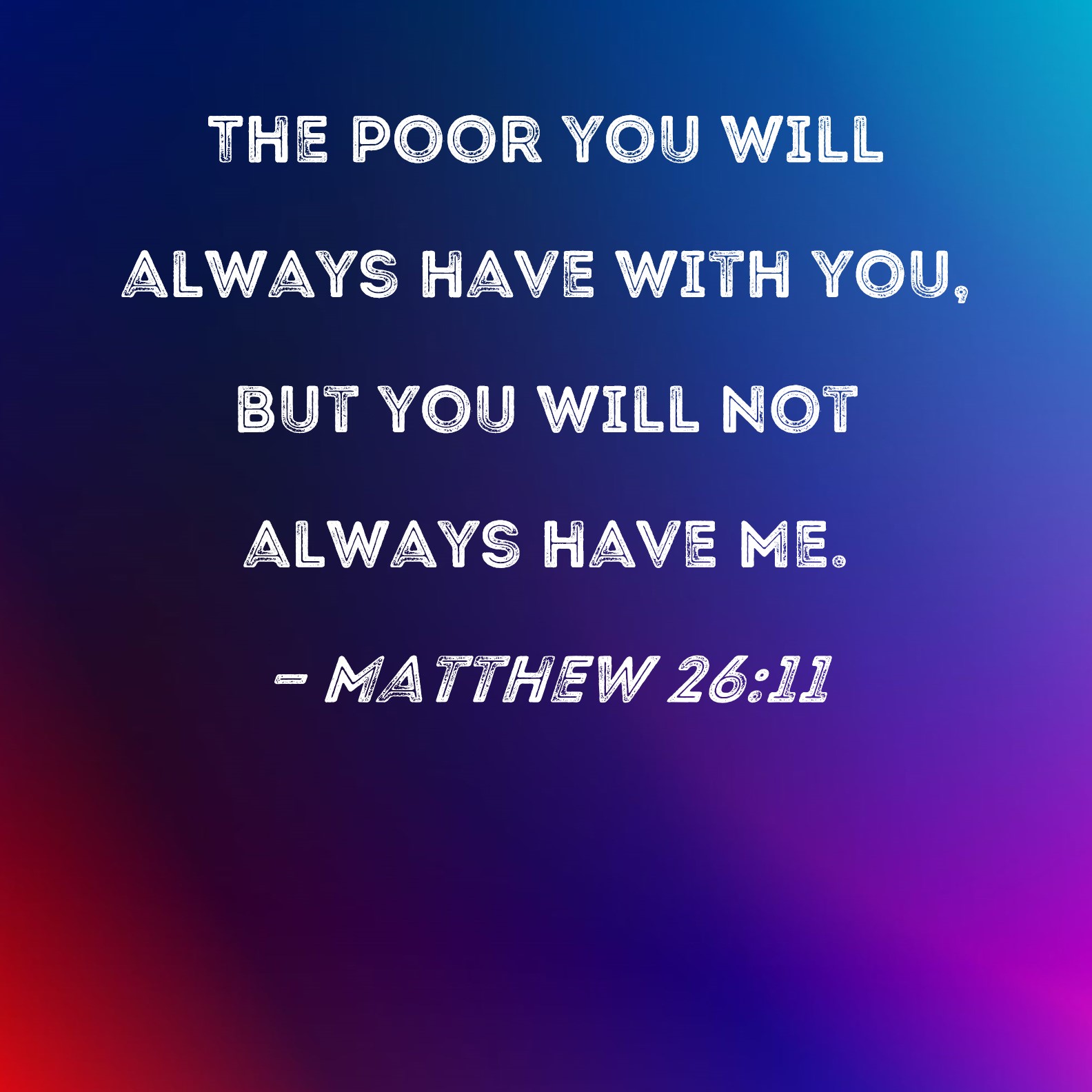
While acknowledging the practical necessity of resources, Jesus issued stern warnings about the spiritual and ethical pitfalls associated with wealth, especially when it becomes an idol or an impediment to compassion.
The Rich Young Ruler: The Cost of Attachment
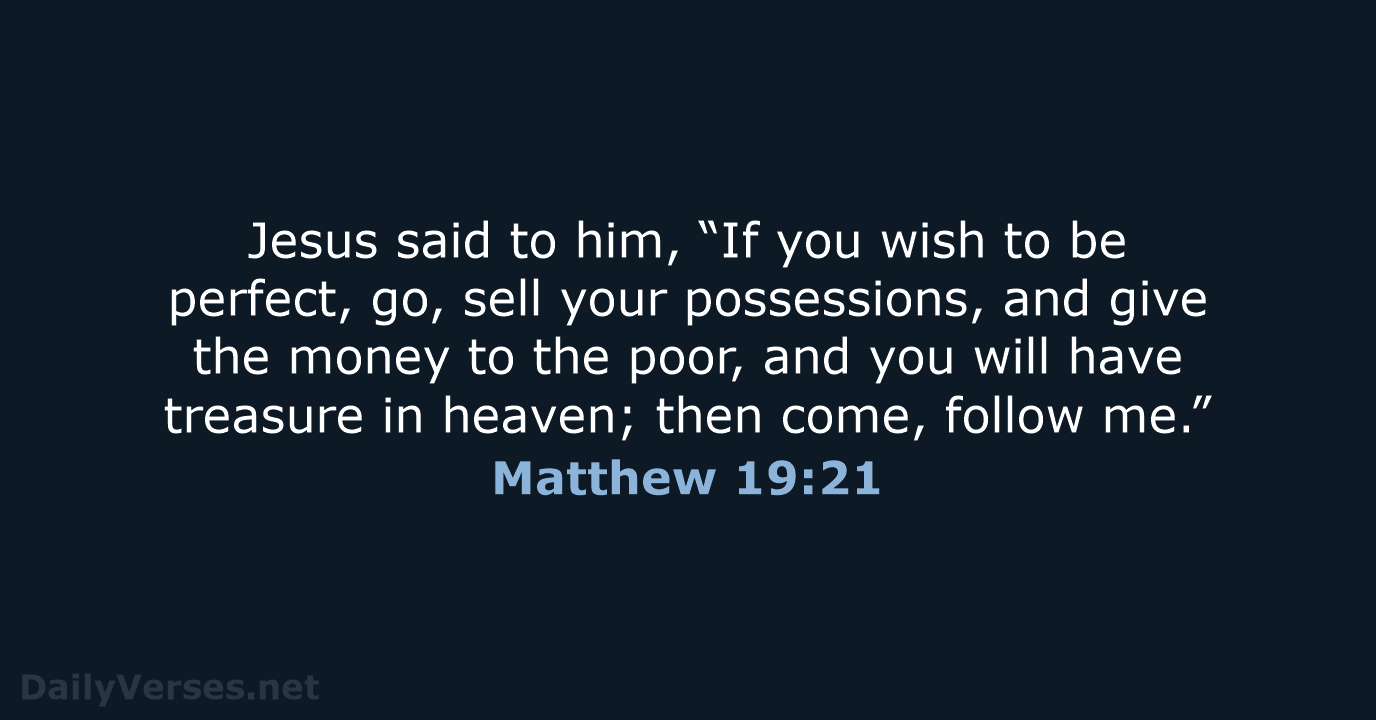
The encounter with the rich young ruler (Matthew 19:16-22) is a pivotal lesson. When asked what he must do to inherit eternal life, the young man claimed to have kept all the commandments. Jesus’ response was unexpected: “If you want to be perfect, go, sell your possessions and give to the poor, and you will have treasure in heaven. Then come, follow me.” The ruler, saddened, walked away because “he had great wealth.” This narrative highlights that for some, wealth can be an overwhelming obstacle to greater purpose or commitment. It’s not a blanket condemnation of all rich individuals but a specific challenge to those whose wealth has become an insurmountable attachment, preventing them from prioritizing ethical imperatives or community needs above personal gain. For modern business leaders and investors, this story compels an introspection into whether their financial success is hindering their capacity for altruism, ethical conduct, or a deeper engagement with societal well-being.
The Difficulty of the Wealthy Entering the Kingdom
Jesus famously stated, “It is easier for a camel to go through the eye of a needle than for someone who is rich to enter the kingdom of God” (Matthew 19:24). This hyperbolic statement shocked his disciples and continues to provoke thought. While often debated, the essence of the teaching is clear: significant wealth, if not managed with intentionality and humility, can create powerful impediments to ethical living, empathy, and a focus on non-material values. The pursuit and maintenance of wealth can lead to self-sufficiency that blinds individuals to their interdependence, fosters a sense of entitlement, or distracts from the needs of others. This serves as a critical warning for those engaged in accumulating wealth: true fulfillment and ethical alignment are not guaranteed by financial success and may even be undermined by it if priorities are misplaced. It underscores the importance of integrating strong ethical frameworks and a commitment to social responsibility within all financial endeavors.
Economic Justice and Compassion for the Vulnerable
Jesus’ teachings extend beyond individual financial choices to address broader societal implications of wealth and poverty, implicitly advocating for economic justice and robust compassion for the marginalized.
Addressing Systemic Poverty and Exploitation
While Jesus did not outline a detailed economic policy, his ministry was deeply intertwined with advocating for and ministering to the poor, the sick, and the outcast. He criticized practices that exploited the vulnerable, such as money changers in the temple (Matthew 21:12-13) or those who devoured widows’ houses (Mark 12:40). His teachings implicitly condemn systems that perpetuate poverty and create barriers for the most vulnerable. For contemporary business ethics, this translates into a call for fair labor practices, responsible investing, equitable distribution of resources, and avoiding predatory financial practices. It encourages businesses and individuals to consider the broader societal impact of their financial decisions, not just their personal bottom line, and to actively work towards creating more just economic structures.
The Call to Share Resources
The early Christian community, inspired by Jesus’ teachings, famously practiced a form of communal living where “all the believers were one in heart and mind. No one claimed that any of their possessions was their own, but they shared everything they had” (Acts 4:32). While this specific model may not be universally applicable, the underlying principle of sharing resources and ensuring no one among them was in need (Acts 4:34) remains a powerful ethical imperative. This challenges modern financial practices that often prioritize individual accumulation over collective well-being. It encourages individuals and organizations to actively seek opportunities for resource redistribution, philanthropy, and community development as integral components of a responsible financial life.
A Balanced Perspective: Diligence and Dependence
Jesus’ teachings on poverty are not a call for irresponsible financial behavior or idleness. Rather, they offer a nuanced perspective that balances human diligence with a profound trust in a larger providence.
Work Ethic and Trust
While emphasizing detachment from material anxiety, Jesus also implicitly validated a diligent work ethic. Parables like the talents (Matthew 25:14-30) reward those who prudently manage and grow their entrusted resources, rather than burying them. This suggests that productive work and wise financial management are commendable, provided they are aligned with ethical principles and a greater purpose. The balance lies in working diligently without succumbing to anxious worry about financial outcomes, trusting that essential needs will be met when one prioritizes higher values. This offers a potent lesson for today’s entrepreneurs and employees: work hard, innovate, create value, but do so with a sense of purpose beyond mere profit, and with a foundational trust that not all outcomes are solely within one’s control.
Financial Wisdom in Light of Eternal Values
Ultimately, Jesus’ discourse on poverty, wealth, and money serves as a profound framework for integrating financial wisdom with a deeper ethical and existential understanding. It encourages a financial strategy that values generosity, compassion, and long-term, non-material “treasure” over transient accumulation. It urges individuals to use their financial resources as tools for positive impact, to challenge exploitative systems, and to cultivate a mindset of stewardship rather than ownership. For anyone seeking to align their financial decisions with a meaningful life, Jesus’ teachings offer not just ethical guidance, but a challenging, yet ultimately rewarding, perspective on what true wealth truly entails.
aViewFromTheCave is a participant in the Amazon Services LLC Associates Program, an affiliate advertising program designed to provide a means for sites to earn advertising fees by advertising and linking to Amazon.com. Amazon, the Amazon logo, AmazonSupply, and the AmazonSupply logo are trademarks of Amazon.com, Inc. or its affiliates. As an Amazon Associate we earn affiliate commissions from qualifying purchases.