
In the modern era of digital marketing and personal branding, we often look to contemporary CEOs or social media influencers for guidance on how to build a lasting identity. However, one of the most powerful and enduring examples of brand strategy comes from the late 19th and early 20th centuries. Ida B. Wells-Barnett was not just a journalist and an activist; she was a master brand strategist before the term existed. She understood the power of narrative, the importance of owning one’s platform, and the necessity of a clear, unwavering mission statement.
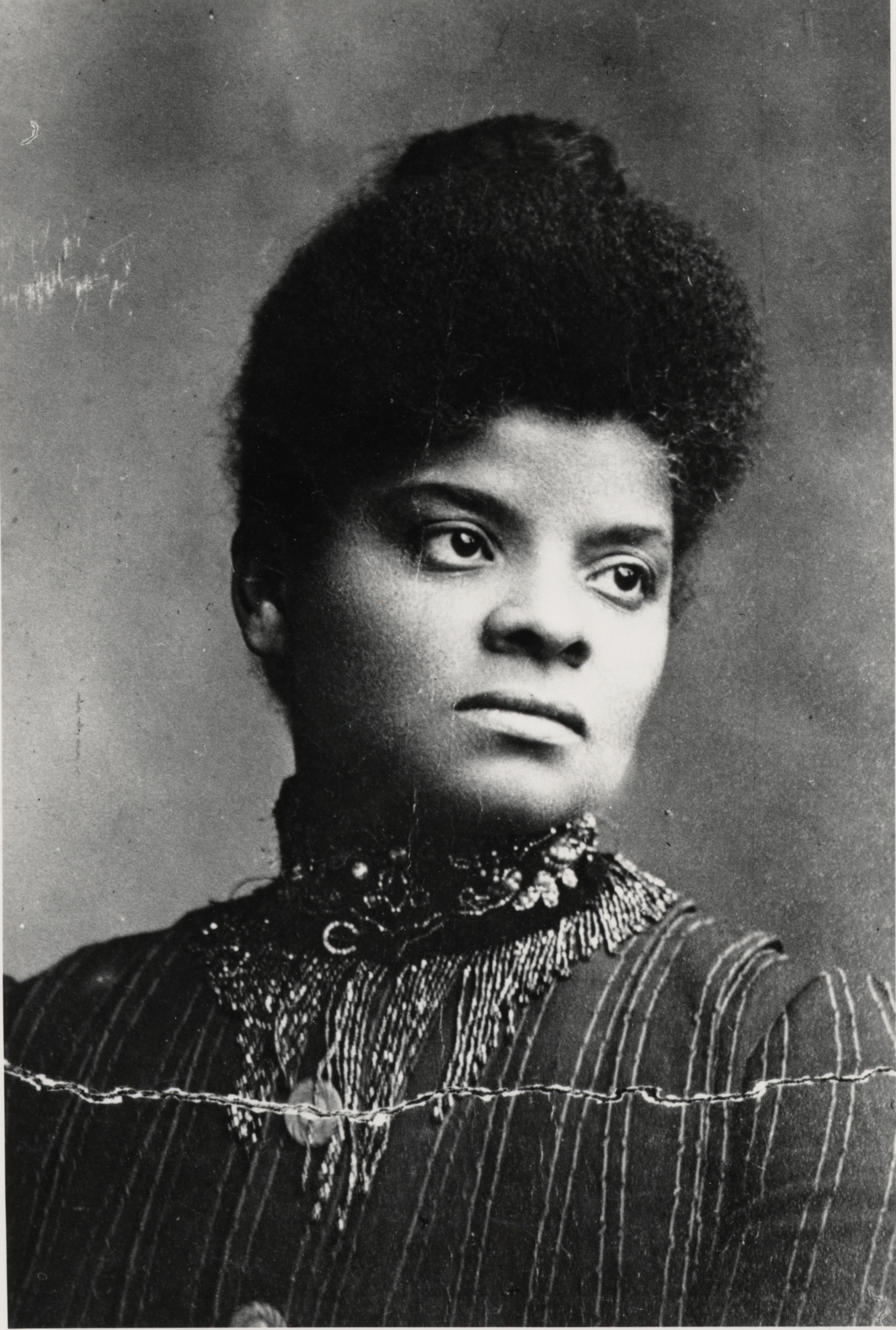
To understand the question “What did Ida B. Wells do?” from a brand perspective, we must look at how she crafted a personal brand that challenged a nation’s conscience. Her work provides a masterclass in purpose-driven branding, reputation management, and strategic communication.
The Foundation of a Personal Brand: Authenticity and Mission-Driven Identity
At the core of any successful brand is a clear mission. For Ida B. Wells, that mission was the pursuit of justice through the exposure of truth. In an era where the narrative surrounding African Americans was being systematically distorted by mainstream media, Wells established a personal brand rooted in radical authenticity.
Defining the Core Values
Wells’ brand was built on three pillars: integrity, courage, and data-driven evidence. When she began her investigative work into lynchings in the South, she didn’t rely on hearsay. She utilized what we would now call “primary source data,” conducting on-the-ground interviews and examining public records. This commitment to accuracy became her brand’s “Unique Selling Proposition” (USP). In a marketplace of misinformation, Wells positioned herself as the ultimate source of truth, creating a brand equity that was impossible to ignore.
The Power of Narrative Framing
One of the most significant things Ida B. Wells did was reframe the national narrative. Branding is, at its heart, the art of storytelling. Wells took the prevailing, harmful narratives of her time and flipped them. By documenting the economic and social motivations behind racial violence, she moved the conversation from “uncontrolled mobs” to “systemic injustice.” This strategic shift in narrative is exactly what modern brand strategists do when they seek to change the public perception of an industry or a movement.
Strategic Channel Management: Owning the Media Platform
In the world of branding, “rented land” refers to platforms you do not own—like social media. “Owned media” refers to assets like your website or email list. Ida B. Wells understood this concept perfectly. She realized that to maintain the integrity of her brand, she needed to control the means of distribution.
The Newspaper as a Brand Hub
Wells became an editor and co-owner of the Memphis Free Speech and Headlight. This was her primary brand platform. By owning the press, she ensured that her message could not be censored or diluted by outside interests. For modern brand builders, the lesson is clear: while third-party platforms are useful for reach, long-term brand stability requires a platform that you control. Wells used her newspaper to cultivate a loyal “audience”—a community of readers who looked to her for a perspective they couldn’t find anywhere else.

Brand Expansion Through Syndication
Wells did not stop at local influence. She was a pioneer in what we now call “content syndication.” She took her message to international markets, most notably traveling to the United Kingdom. By expanding her brand globally, she applied external pressure on the United States government. This is a classic example of brand scaling; she identified that her domestic “market” was resistant to her message, so she leveraged an international “market” to gain the leverage she needed at home.
Crisis Management and Resilience in Branding
A brand is truly tested during a crisis. Ida B. Wells faced the ultimate brand threat: her offices were destroyed, and her life was threatened. How she handled this crisis provides profound insights into brand resilience and reputation management.
Turning Persecution into Brand Equity
When the Memphis Free Speech offices were burned down while she was in New York, Wells did not retreat. Instead, she used the event to solidify her brand’s position. She pivoted, moving her operations to Chicago and continuing her work with even greater visibility. She effectively used the opposition’s attacks as “social proof” of her impact. In branding terms, she turned a potential failure into a compelling origin story that reinforced her commitment to her mission.
Building a Community of Advocacy
Wells understood that a brand is not just an individual; it is a community. She was instrumental in founding organizations like the National Association of Colored Women (NACW) and the National Association for the Advancement of Colored People (NAACP). By aligning her personal brand with these broader corporate identities, she ensured that her mission would outlive her. This is a strategy of “brand legacy”—creating structures and systems that maintain the brand’s values across generations.
The Modern Legacy: Lessons for Today’s Brand Strategists
The question “What did Ida B. Wells do?” is best answered by looking at the lasting impact of her communication strategy. She showed that a brand with a strong moral compass and a commitment to truth can change the world.
Purpose-Driven Branding in the 21st Century
Today, consumers increasingly demand that brands take a stand on social issues. We call this “corporate social responsibility” or “purpose-driven branding.” Ida B. Wells was the original practitioner of this. She demonstrated that a brand does not exist in a vacuum; it has a responsibility to the society in which it operates. Modern brands like Patagonia or Ben & Jerry’s follow the Wellsian model of integrating advocacy directly into the brand’s DNA.
Consistency Across Touchpoints
Whether she was writing a pamphlet, giving a speech in London, or organizing a protest in Chicago, Wells’ “brand voice” remained consistent. It was professional, authoritative, and uncompromising. For any brand, consistency is the key to building trust. Wells never deviated from her core message, and because of that, she remains one of the most trusted figures in American history.
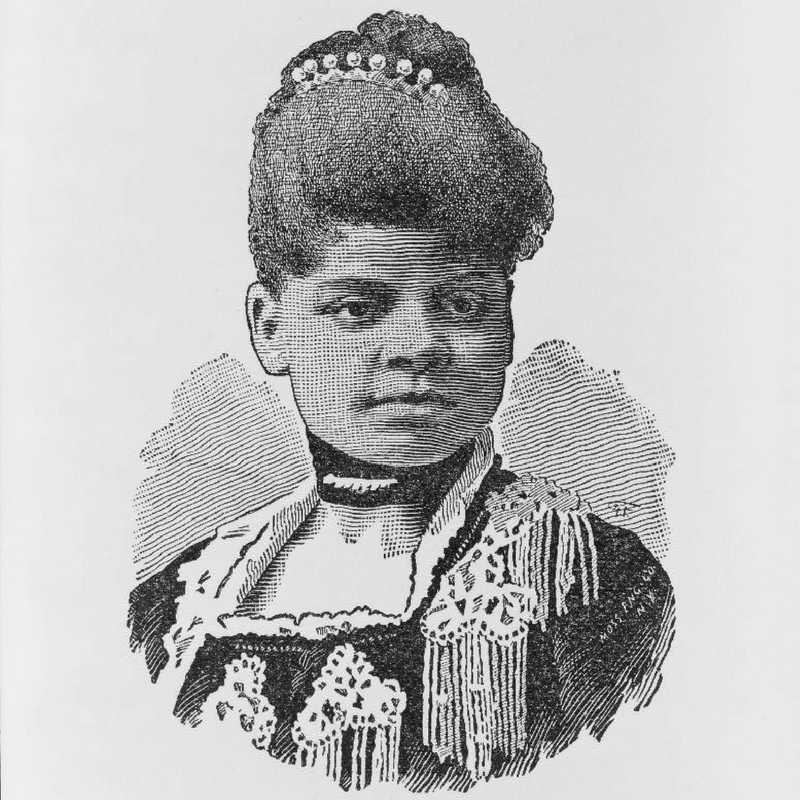
Conclusion: The Eternal Brand of Ida B. Wells
Ida B. Wells-Barnett proved that branding is not about logos or color palettes; it is about the intersection of truth and courage. She used every tool at her disposal—investigative journalism, public speaking, international networking, and organizational leadership—to build a brand that challenged the status quo and demanded a better future.
For professionals today, the legacy of Ida B. Wells serves as a reminder that the most powerful brands are those that stand for something bigger than themselves. By mastering the art of the narrative, owning her platforms, and remaining resilient in the face of crisis, she created a blueprint for impact that remains relevant over a century later. What did Ida B. Wells do? She showed us that when a brand is built on a foundation of truth, it becomes a force of nature that history cannot ignore.
aViewFromTheCave is a participant in the Amazon Services LLC Associates Program, an affiliate advertising program designed to provide a means for sites to earn advertising fees by advertising and linking to Amazon.com. Amazon, the Amazon logo, AmazonSupply, and the AmazonSupply logo are trademarks of Amazon.com, Inc. or its affiliates. As an Amazon Associate we earn affiliate commissions from qualifying purchases.