
In the hyper-accelerated world of modern pop culture, few stars have risen with the velocity and cultural impact of Chappell Roan. Known for her camp aesthetics, powerhouse vocals, and unapologetic embrace of queer identity, Roan has become a focal point of the “Midwest Princess” phenomenon. However, as her brand equity skyrocketed, so did the intensity of her audience’s demands. Recently, Roan sparked a massive industry-wide conversation regarding her boundaries, specifically addressing the “mother” archetype often projected onto female celebrities and her refusal to participate in the traditional parasocial dynamics of the music industry.
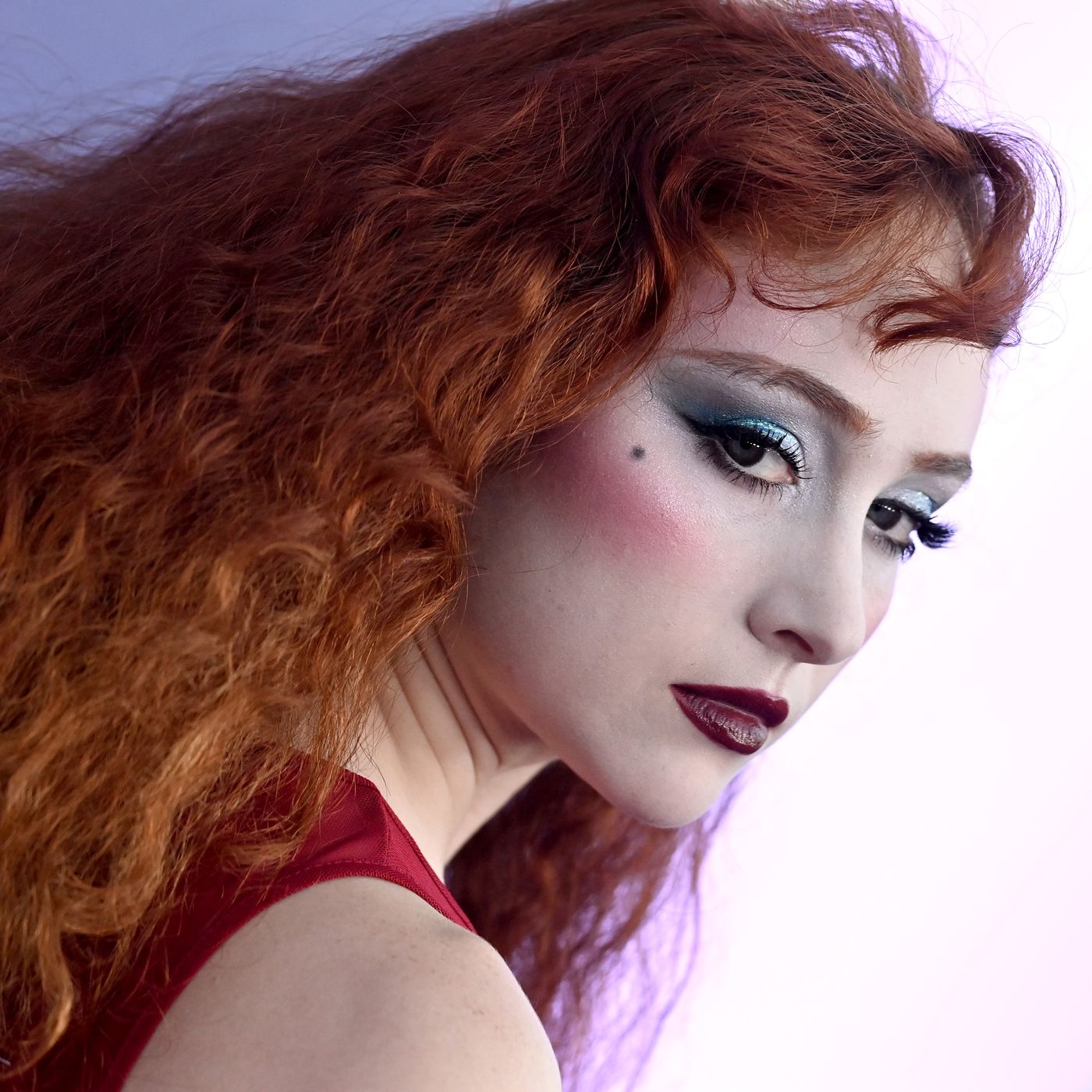
For brand strategists, marketing executives, and public relations professionals, Chappell Roan’s stance is more than just a celebrity headline; it is a foundational case study in Personal Branding 2.0. By dissecting what Roan has said about the metaphorical “motherhood” of fame and her literal personal boundaries, we can uncover a new blueprint for brand longevity in the digital age.
Redefining the ‘Mother’ Archetype: A Brand Identity Shift
In contemporary pop culture, particularly within LGBTQ+ and Gen Z circles, the term “Mother” has evolved from a biological descriptor into a high-honorific slang term. To be “Mother” is to be an icon, a protector, and a source of inspiration. However, as Chappell Roan has articulated, this brand projection carries a heavy weight that can often blur the lines between a performer’s public persona and their private humanity.
The Dangers of Archetypal Projection
When a brand is labeled as “Mother” by its consumer base, it enters a dangerous territory of perceived obligation. In traditional brand strategy, being an archetype—whether it’s the Hero, the Innocent, or the Rebel—is a way to foster deep emotional loyalty. But the “Mother” archetype in pop fandom often demands unconditional access and emotional labor. Roan’s public refusal to accept the “creepy” behaviors associated with this projection—such as fans stalking her or demanding physical contact—serves as a radical reclaiming of her brand’s narrative. She is signaling that her brand is a provider of art, not a provider of personal caretaking.
Navigating Queer Coding and Cultural Branding
Roan’s brand is deeply rooted in drag culture and queer history, where “House Mothers” play a vital role. By acknowledging her roots while simultaneously setting boundaries on how fans use that terminology to justify invasive behavior, she is performing a delicate act of brand maintenance. She is effectively saying: You can appreciate the aesthetic and the community, but you cannot commodify my personhood. This distinction is vital for any personal brand that operates within a niche community; it prevents the brand from being “eaten” by the very audience that supports it.
The Parasocial Trap: Strategic Detachment as a Growth Tool
One of the most significant challenges in modern brand management is the “parasocial relationship,” where the consumer feels a one-sided sense of intimacy with the creator. Roan has been vocal about the “non-consensual” nature of high-intensity fame. From a strategic perspective, her decision to push back against these expectations is an exercise in Strategic Detachment.
Decoupling the Person from the Product
A successful brand is typically scalable and sustainable. When a brand is entirely reliant on the constant, 24/7 availability of its founder, it risks burnout and eventual collapse. Roan’s statements about her desire for a normal life—and her refusal to be “on” for fans when she is off-stage—is an attempt to decouple the Chappell Roan product from the Kayleigh Rose Amstutz individual. This is a masterclass in protecting the “Brand Core.” By establishing that the brand exists only within the confines of the stage, the music, and the official content, she creates a premium experience that is sustainable for the long term.
The Scarcity Principle in Personal Branding
In a world of over-saturation, where every influencer and celebrity is expected to provide “Behind the Scenes” access to their every waking moment, Roan is choosing a path of selective scarcity. By saying “no” to the demands of the “mothering” fan culture, she increases the value of her “yes.” When she does appear, when she does perform, and when she does speak, the impact is magnified because it is not diluted by a constant stream of forced intimacy. This strategy builds a brand that commands respect rather than one that begs for attention.
Sustainability and the ‘Anti-Fan’ Service Model
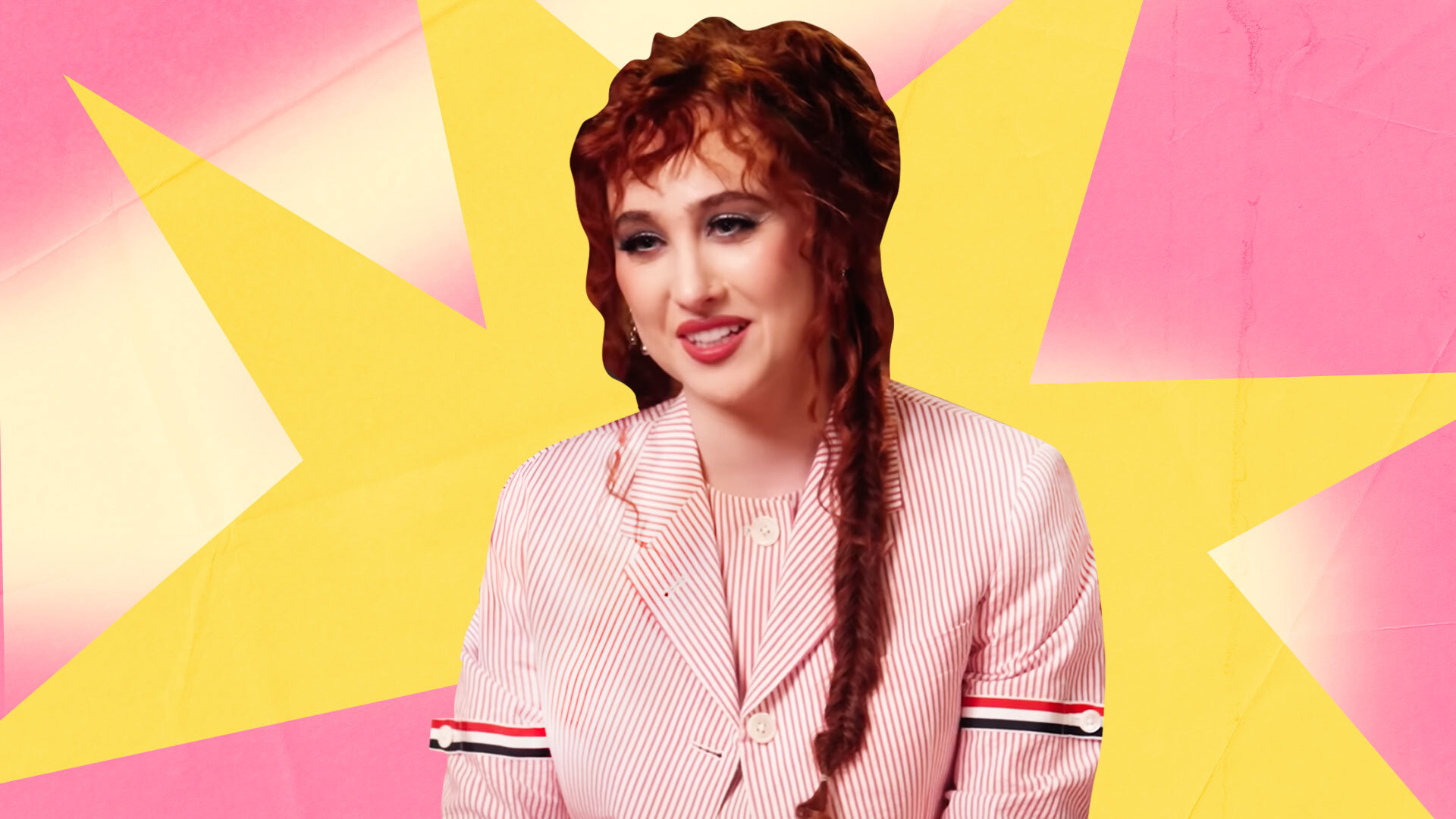
The traditional marketing playbook suggests that the customer (or fan) is always right. The logic follows that if the fans want more access, the brand should provide it to maximize engagement metrics. Chappell Roan is effectively tearing up this playbook in favor of an Anti-Fan Service Model. This model prioritizes the health of the brand entity over the immediate gratification of the consumer.
Protecting the Intellectual and Emotional Capital
A creative brand is only as strong as the creator’s ability to generate new ideas. If a creator is depleted by the emotional labor of managing a toxic fan environment, the “Intellectual Capital” of the brand suffers. Roan’s insistence on boundaries regarding her personal life and her potential future—including her thoughts on actual motherhood and a life outside the limelight—highlights her focus on longevity. She is signaling to stakeholders (labels, sponsors, and fans) that she is not a flash-in-the-pan commodity to be used up and discarded, but a long-term artistic venture.
Establishing Brand Authority Through Conflict
It is rare for a rising star to risk “alienating” their fan base by calling out bad behavior. However, this creates a unique form of brand authority. By standing her ground, Roan attracts a tier of followers who respect her agency and values. In brand strategy, this is known as “Filtering your Audience.” Not every consumer is a “good” consumer for your brand. By being vocal about what she will and will not tolerate, she filters out the volatile elements of her fandom, leaving behind a more stable, respectful, and ultimately more loyal core audience.
Implementing Roan’s Tactics in Corporate and Personal Brand Strategy
While most of us aren’t pop stars performing at Lollapalooza, the lessons from Chappell Roan’s stance on boundaries and the “motherhood” of her public persona are applicable across the professional spectrum. Whether you are a CEO, a freelance consultant, or a corporate leader, your personal brand requires the same level of rigorous boundary-setting.
The Importance of Brand Transparency
Roan didn’t just go quiet; she explained why she was setting boundaries. She used her platform to educate her audience on the human cost of their expectations. In a corporate setting, this translates to transparency regarding work-life balance and project scope. Brands that are clear about their limitations—what they can and cannot provide—actually build higher levels of trust with their clients than those that over-promise and under-deliver.
Value-Based Positioning
Roan’s brand is built on the value of authenticity. If she were to pretend to enjoy the invasive nature of her fame, her brand would become performative and dishonest. By being “uncomfortably honest,” she reinforces her core brand promise. Professional brands should identify their non-negotiable values and stick to them, even when it feels counter-intuitive to growth. A brand that stands for something, even if that “something” is its own privacy, is a brand with a backbone.
The “End Game” Strategy
Finally, Roan’s comments about the future—the idea that she might one day walk away from it all to pursue a different life—teach us about the “End Game.” Every brand should have an exit strategy or an evolution plan. By not allowing herself to be pigeonholed into the “eternal pop mother” role, she leaves the door open for her brand to evolve into something else—be it a producer, a parent, or a private citizen.

Conclusion: The New Era of the Humanized Brand
Chappell Roan’s discourse on motherhood, fame, and boundaries marks a turning point in how we view celebrity brands. We are moving away from the era of the “unreachable but always available” idol and into an era of the “humanized brand.”
What Roan has said about motherhood—both the slang version she rejects and the personal life she protects—is a reminder that the most valuable asset any brand has is the person behind it. By fiercely guarding her autonomy, she isn’t just protecting herself; she is protecting the very essence of what makes her brand “Chappell Roan” so compelling in the first place. In the world of brand strategy, the lesson is clear: The strongest brands aren’t the ones that give the audience everything they want; they are the ones that define the terms of the relationship from the very beginning.
aViewFromTheCave is a participant in the Amazon Services LLC Associates Program, an affiliate advertising program designed to provide a means for sites to earn advertising fees by advertising and linking to Amazon.com. Amazon, the Amazon logo, AmazonSupply, and the AmazonSupply logo are trademarks of Amazon.com, Inc. or its affiliates. As an Amazon Associate we earn affiliate commissions from qualifying purchases.