
The Foundations of a Collective Identity: Visual Branding in Antiquity
In the intricate tapestry of the ancient Near East and Mediterranean world, every distinct group developed a discernible collective identity, a sort of proto-“brand” that differentiated them from their neighbors. For ancient Jews, understanding “what they looked like” extends far beyond mere physical attributes; it delves into the visual components that articulated their unique communal identity, their “brand image,” in a deeply diverse cultural landscape. This visual branding was not a conscious marketing strategy in the modern sense, but an organic manifestation of religious tenets, social norms, and environmental adaptations that collectively shaped how they were perceived, both internally and externally. Their appearance, therefore, functioned as a powerful, non-verbal communication tool, signaling affiliation and cultural distinction in an era before widespread literacy or mass media.
Attire as a Brand Marker
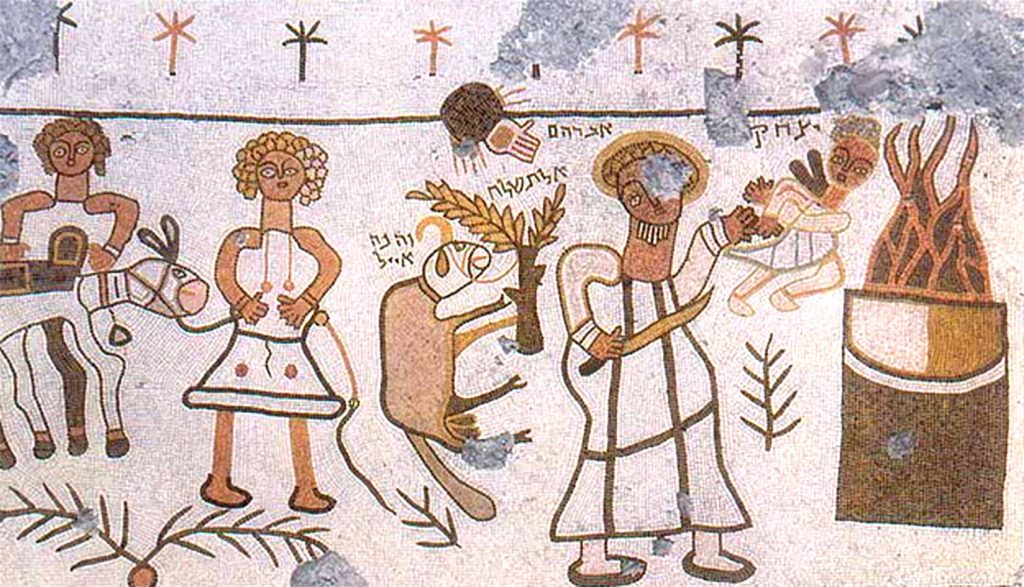
Clothing in the ancient world was rarely arbitrary; it served as a primary identifier of social status, profession, and critically, ethnic or religious affiliation. For ancient Jews, their attire contributed significantly to their visual “brand.” While sharing certain sartorial conventions with other Semitic peoples of the region—like the basic tunic and outer cloak—specific details often set them apart. The biblical injunctions regarding clothing, such as the commandment to wear tzitzit (fringes) on the corners of their garments, served as an unmistakable visual cue. These fringes, often with a blue thread, were not merely decorative but a daily, visible reminder of their covenant with God, effectively acting as a core element of their spiritual “brand identity.”
Beyond these specific religious markers, the overall modest and practical nature of Jewish clothing contrasted with the more elaborate or revealing styles of certain neighboring cultures, such as the Hellenistic Greeks or Romans, whose fashions might emphasize drapery, luxury, or physical form in different ways. This distinction in attire reinforced a communal “brand” rooted in piety and tradition, differentiating their cultural aesthetic from others. The very simplicity and distinctiveness of their garments could, therefore, convey a powerful message about their values and self-perception, a deliberate visual positioning within the crowded “marketplace” of ancient identities.
Hair and Grooming: Non-Verbal Communication
Hair and beard styles also played a pivotal role in shaping the visual “brand” of ancient Jews. In many ancient cultures, hair was imbued with symbolic meaning, reflecting status, mourning, or religious devotion. For Jewish men, the cultivation of beards was a common practice, rooted in biblical tradition, distinguishing them from cultures that favored shaving, such as the clean-shaven look often associated with Roman soldiers or Greek philosophers. The refusal to “round the corners of your heads” or “mar the corners of your beard,” as mandated in Leviticus, created a distinct grooming standard. This adherence to specific hair and beard styles served as another potent visual identifier, a consistent feature of their “personal branding” that affirmed their commitment to their heritage.
Furthermore, while women’s hair was typically covered, the styles beneath, or even the manner of veiling, could subtly convey group affiliation or social status. These collective grooming practices, mandated by tradition and community expectations, contributed to a unified visual presentation. This shared aesthetic reinforced internal cohesion and presented a recognizable “face” to the outside world, creating a consolidated external “brand image” that was both coherent and distinguishable.
External Perception and the Shaping of a ‘Brand Image’
The “brand” of ancient Jews was not solely defined by their self-perception; it was also heavily influenced by how they were perceived and “marketed” by others. In the multi-ethnic societies of antiquity, observation and interpretation by non-Jews played a significant role in shaping stereotypes and general impressions, forming an external “brand image” that sometimes diverged from the internal one. This external branding was often based on visible differences in appearance, customs, and religious practices, which were then interpreted through the lens of other cultures’ values and biases.
Roman and Greek Interpretations
Roman and Greek writers, chroniclers, and artists frequently commented on the appearance and customs of Jews. These observations, though often tinged with prejudice or misunderstanding, nevertheless contributed to the prevailing “brand image” of Jews in the broader Mediterranean world. They noted distinct practices like male circumcision, dietary laws, and Sabbath observance, which, while not directly visible in all contexts, heavily influenced the perception of Jewish physical and cultural distinctiveness. For instance, the abstention from pork, while an invisible dietary law, was a known characteristic that fed into perceptions of Jewish “otherness.”
Visual representations, such as those on Roman coins or reliefs, though scarce and often generalized, sometimes depicted figures that were understood to represent Jews, particularly in the context of military defeats. These depictions tended to focus on distinct attire, beards, or head coverings that aligned with their unique cultural practices. The Roman depiction of Jewish captives often emphasized their distinct clothing or hair as a way to visually signify the “other” and reinforce Roman dominance, effectively leveraging these visual cues to propagate a specific “brand” of defeated subject. This manipulation of visual elements by dominant powers illustrates how external entities actively shaped the “brand” of a subjugated group.
Distinguishing Features in a Diverse Mosaic
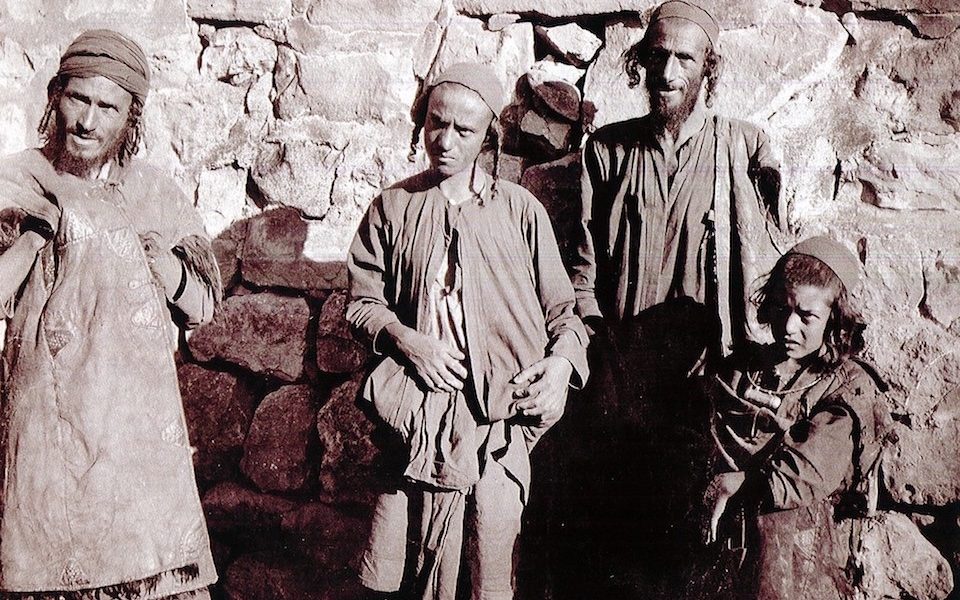
It’s crucial to acknowledge the genetic and phenotypic diversity within the ancient Jewish population, which spanned from Mesopotamia to Egypt and later, across the Roman Empire. There was no single “look” in the way one might imagine a modern, homogenous ethnicity. However, within this diversity, certain commonalities might have existed due to shared ancestry within the Levant, such as skin tones adapted to the Middle Eastern sun, and hair and eye colors prevalent in the region.
Despite this inherent diversity, the cultural markers—clothing, grooming, and adherence to specific religious practices—were so strong that they served as the primary brand differentiators. These cultural elements effectively overrode much of the individual phenotypic variation in terms of external “brand recognition.” An ancient Jew, regardless of their specific facial features, might be identifiable by their tzitzit, their uncut beard, or their particular form of head covering, which collectively conveyed their belonging to a distinct cultural entity in a manner similar to how a modern uniform conveys corporate identity.
The Influence of Environment and Lifestyle on Appearance
The physical appearance of any ancient population, including Jews, was intrinsically linked to their environment, diet, and way of life. These factors, while not chosen for “branding” purposes, naturally contributed to their overall look and, by extension, their collective identity. The ancient Jewish “brand” was thus an amalgamation of both conscious cultural choices and unconscious environmental adaptations.
Geographical Impact on Physical Traits
Living primarily in the arid and semi-arid regions of the Levant, ancient Jews, like other Semitic peoples of the region, would have developed physical characteristics suited to this environment. This typically included skin tones capable of handling strong sun exposure, ranging from olive to darker complexions. Hair would likely have been predominantly dark, eyes similarly brown or dark, features common among populations native to the Middle East. These traits, while not exclusive to Jews, formed part of the broader physical “canvas” upon which their distinct cultural “brand” was painted. The “brand” was thus grounded in a regional appearance, with cultural additions providing the distinct layers of identity.
Lifestyle and Cultural Practices as Identity Reinforcers
Beyond genetics, lifestyle played a significant role. An agrarian society, as ancient Israel largely was, meant a populace accustomed to physical labor under the sun, influencing their physique and complexion. Their dietary laws (kashrut), while not designed for physical appearance, would have contributed to a particular nutritional profile, distinct from populations consuming different staples or unrestricted foods. For instance, the absence of pork from their diet, a common food source in other ancient cultures, would have subtly differentiated their long-term health and physique from some neighbors. These collective, deeply ingrained practices fostered a lifestyle that, when combined with their religious and sartorial expressions, contributed to a comprehensive visual and cultural “brand.” Their physical appearance became a natural extension of their way of life, intertwining environment, culture, and identity into a recognizable whole.
Reconstructing the Visual Brand: Challenges and Interpretations
Reconstructing the precise visual “brand” of ancient Jews presents significant challenges due to the scarcity of direct visual evidence. Unlike ancient Egypt or Rome, where monumental art offers abundant depictions of everyday life, explicit visual representations of ordinary ancient Jews created by Jews themselves are rare. This necessitates a careful, multi-faceted approach to interpret what they looked like, piecing together fragments from diverse sources and always filtering them through a “branding” lens.
Textual Clues and Artistic Renderings
The primary sources for understanding ancient Jewish appearance often come from texts: biblical descriptions, rabbinic literature, and accounts from Hellenistic and Roman writers. These texts provide clues about clothing, grooming, and social customs that indirectly inform our understanding of their visual “brand.” For example, descriptions of priestly vestments in the Torah offer detailed insights into specific, highly branded ceremonial attire. Similarly, mentions of specific hairstyles or the importance of modesty contribute to building a textual picture of their intended “brand image.”
Archaeological findings, such as textile fragments or personal artifacts like combs and cosmetic tools, also offer material evidence, though rarely complete ensembles. Artistic renderings from non-Jewish sources, like Roman reliefs depicting Jewish captives, offer external perspectives. While potentially biased, these external visual interpretations serve as crucial data points for understanding how others perceived the Jewish “brand.” By cross-referencing these varied sources, scholars attempt to piece together a coherent picture of the diverse visual cues that constituted the “brand” of ancient Jews.
The Dynamic Nature of Ancient “Branding”
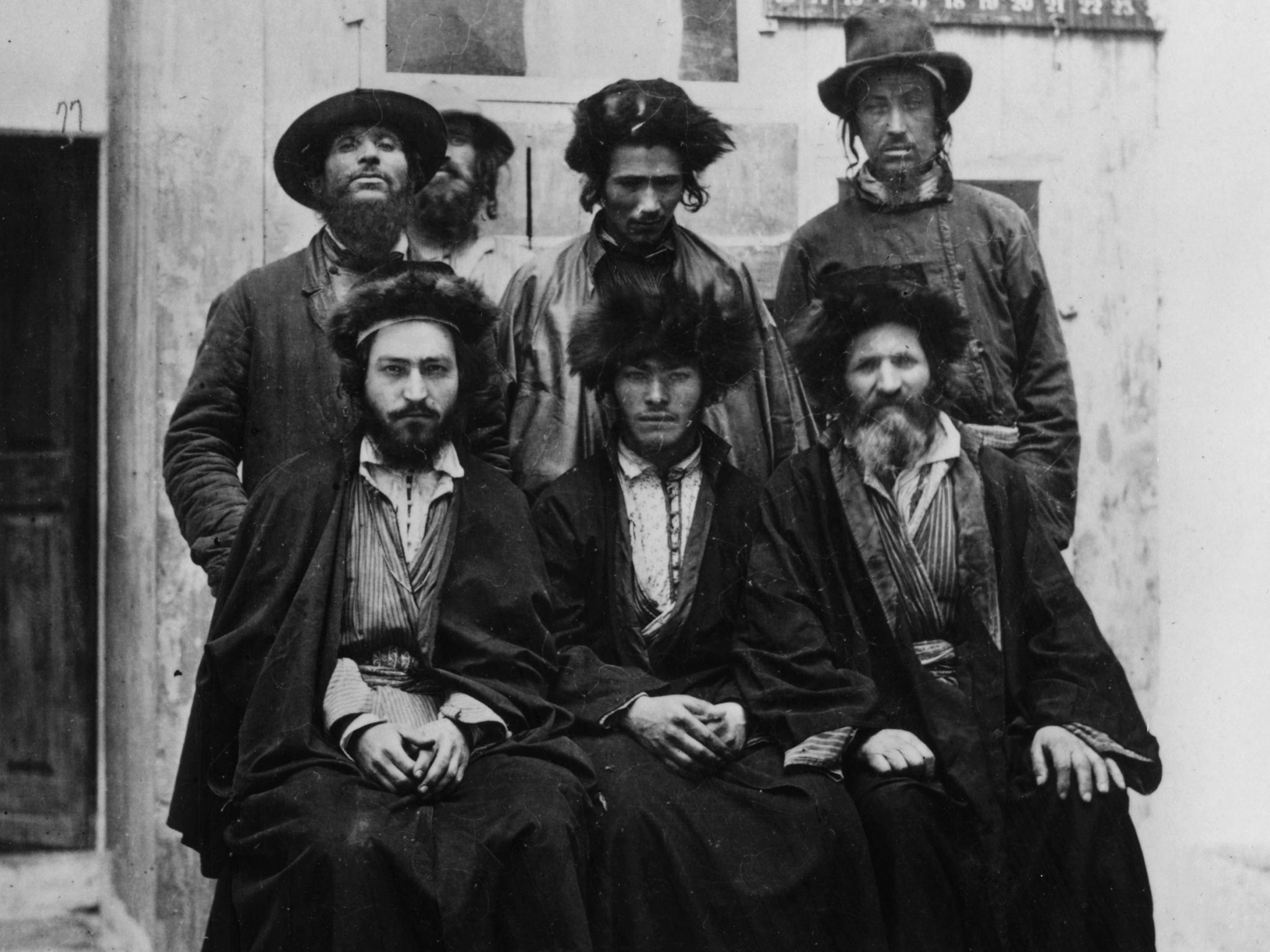
It is crucial to recognize that the “brand” of ancient Jews was not static. Just as modern brands evolve, the appearance and self-identification of Jewish people changed across different historical periods and geographical locations. The “look” of a Jew in biblical Judea might differ from one in Hellenistic Alexandria or Roman Galilee. Exposure to different cultures led to varying degrees of assimilation or adaptation in dress and customs, influencing their visual “brand” over time. For example, during Hellenistic periods, some Jews adopted Greek fashion, creating a hybridized visual identity, while others vehemently maintained traditional appearances. This dynamic tension between tradition and adaptation demonstrates the evolving nature of their collective “branding,” reflecting ongoing dialogues about identity and cultural integrity. Understanding “what ancient Jews looked like” is therefore an exploration of a multifaceted, evolving cultural “brand” shaped by faith, tradition, environment, and interaction with the wider world.
aViewFromTheCave is a participant in the Amazon Services LLC Associates Program, an affiliate advertising program designed to provide a means for sites to earn advertising fees by advertising and linking to Amazon.com. Amazon, the Amazon logo, AmazonSupply, and the AmazonSupply logo are trademarks of Amazon.com, Inc. or its affiliates. As an Amazon Associate we earn affiliate commissions from qualifying purchases.