
Amazon, often perceived primarily as an e-commerce giant, has quietly (and sometimes not so quietly) established itself as one of the most significant technological innovators of the 21st century. Far beyond merely selling goods online, the company has fundamentally reshaped industries, introduced entirely new paradigms of computing, and driven advancements in artificial intelligence, logistics, and digital services that permeate our daily lives. From cloud infrastructure that powers a vast swathe of the internet to voice assistants that have become household fixtures, Amazon’s actions have consistently pushed the boundaries of what technology can achieve, impacting businesses and consumers alike on a global scale. This exploration delves into the specific technological feats and initiatives undertaken by Amazon, illuminating how its relentless pursuit of innovation has cemented its position as a true titan of the tech world.
The Cloud Computing Revolution: Amazon Web Services (AWS)
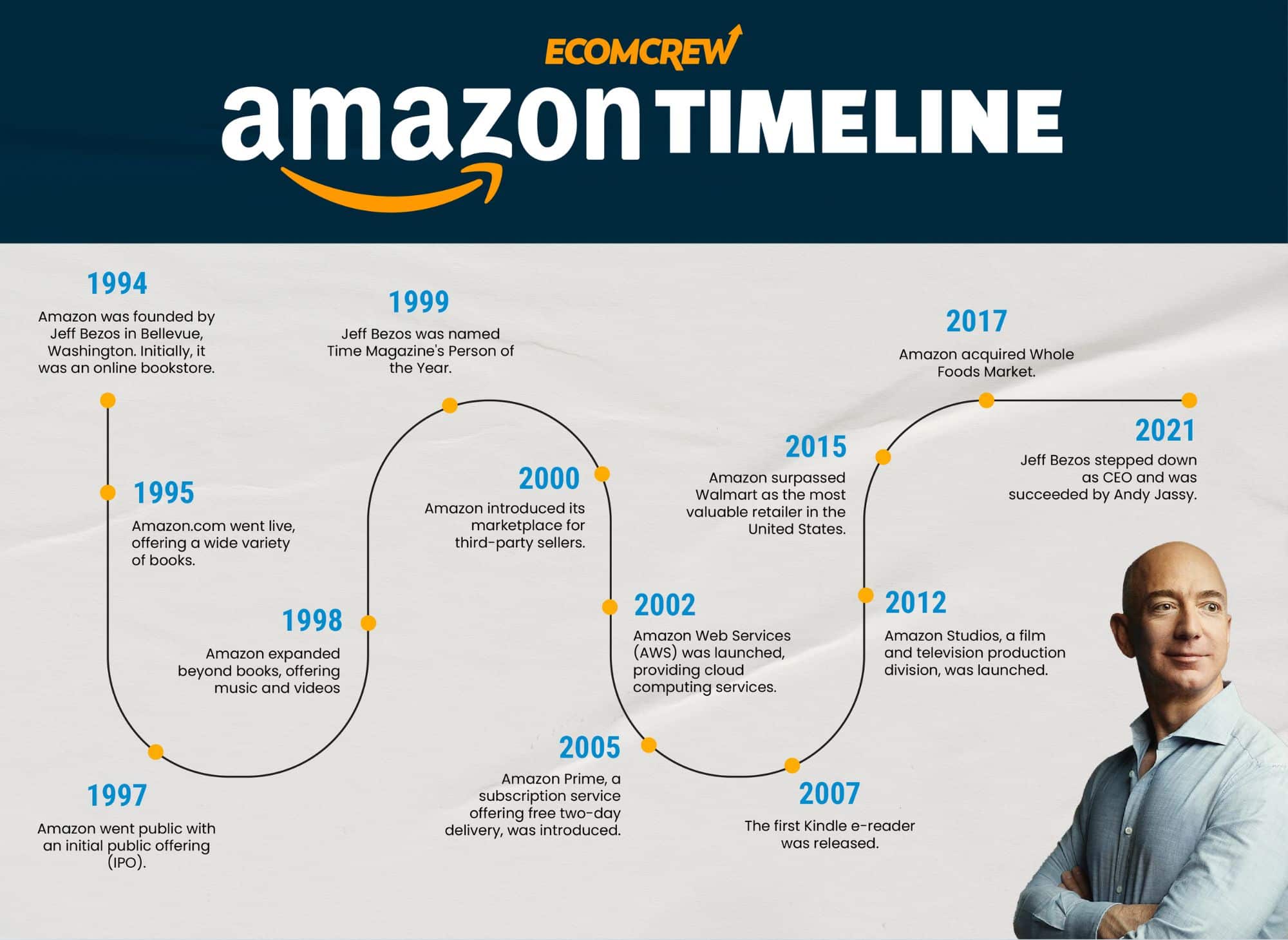
Perhaps Amazon’s most profound and far-reaching technological contribution lies in the realm of cloud computing. What began as an internal solution to manage its own rapidly scaling e-commerce operations evolved into Amazon Web Services (AWS), a standalone powerhouse that has democratized access to enterprise-grade computing resources and irrevocably changed how businesses build and deploy technology.
Genesis and Growth: From Internal Need to Global Dominance
In the early 2000s, Amazon faced significant challenges in scaling its e-commerce infrastructure to meet ever-growing customer demand. Its engineering teams spent considerable effort building and managing the underlying computing, storage, and database systems. Recognizing the inefficiencies and the potential for a standardized, on-demand service, Amazon developed an internal utility computing platform. The pivotal moment came when executives realized the external market potential of this robust, scalable infrastructure. Launched officially in 2006 with simple storage (S3) and compute (EC2) services, AWS was revolutionary. It allowed businesses, from startups to large enterprises, to rent computing resources as needed, paying only for what they used, rather than investing heavily in physical hardware and data centers. This “pay-as-you-go” model drastically lowered the barrier to entry for digital businesses and fostered unprecedented agility. Over the past nearly two decades, AWS has exploded into a comprehensive suite of over 200 services, including databases, networking, analytics, machine learning, and IoT, becoming the undisputed global leader in cloud infrastructure. Its growth has been staggering, consistently generating substantial profits and serving as the backbone for countless applications, websites, and digital services worldwide.
Democratizing IT and Fueling Innovation Ecosystems
The impact of AWS extends far beyond its financial success. By abstracting away the complexities and capital expenditure of IT infrastructure, Amazon effectively democratized enterprise technology. Startups with limited budgets could now access the same powerful computing resources as Fortune 500 companies, enabling them to build, scale, and innovate at an unprecedented pace. This shift leveled the playing field, fostering a vibrant ecosystem of innovation. Developers could provision servers in minutes, experiment with new ideas without massive upfront investment, and scale their applications globally with ease. This agility led to faster product development cycles, more efficient resource allocation, and a significant acceleration of digital transformation across virtually every industry. AWS became the engine room for many of the most successful digital ventures of the last decade, proving that foundational technological infrastructure could be a product in itself, not just a cost center.
The Ever-Expanding AWS Portfolio: Edge, Serverless, and Specialized AI
Amazon’s commitment to technological leadership within AWS has led to continuous expansion and innovation. Beyond core compute and storage, AWS has pioneered services in areas like serverless computing (AWS Lambda), allowing developers to run code without provisioning or managing servers, further simplifying development. It has pushed into edge computing with services like AWS Wavelength and Outposts, bringing cloud capabilities closer to data sources and users, reducing latency for critical applications. Crucially, AWS has become a hotbed for artificial intelligence and machine learning services, offering powerful tools like Amazon SageMaker for building and deploying ML models, Rekognition for image and video analysis, and Transcribe for speech-to-text. These specialized services allow businesses without deep AI expertise to integrate sophisticated machine learning capabilities into their products, further solidifying Amazon’s role as an enabler of cutting-edge technology.
Pioneering AI and Voice Interfaces: The Alexa Phenomenon
Beyond the cloud, Amazon has been at the forefront of bringing artificial intelligence into the mainstream consumer consciousness, primarily through its development of the Alexa voice assistant and the Echo family of smart speakers. This initiative marked a bold leap into ambient computing, fundamentally altering how many people interact with technology in their homes.
Introducing a New Paradigm for Human-Computer Interaction
In 2014, Amazon unveiled Alexa, an intelligent personal assistant, alongside its Echo smart speaker. This move was revolutionary. While virtual assistants existed on smartphones, Alexa represented a dedicated, always-on, voice-first interface for the home. It wasn’t just about answering questions; it was about controlling smart devices, playing music, setting alarms, and accessing information purely through natural language commands. Amazon invested heavily in natural language processing (NLP), speech recognition, and artificial intelligence to make Alexa responsive and intuitive. This marked a significant shift from graphical user interfaces (GUIs) to conversational interfaces, demonstrating a powerful new way for humans and computers to interact, unburdened by screens or keyboards. Amazon’s vision was clear: make technology disappear into the background, accessible only when needed, and controllable with the most natural human input—voice.
Building the Smart Home Ecosystem and Third-Party Integrations
The success of Alexa wasn’t solely dependent on its internal capabilities; Amazon strategically opened up the platform to third-party developers through the Alexa Skills Kit (ASK). This allowed external companies and individual developers to create “skills” – voice-activated applications – that extended Alexa’s functionality. This open ecosystem approach rapidly expanded Alexa’s utility, allowing it to control a vast array of smart home devices from different manufacturers, order food, hail rides, and access a multitude of information services. Amazon also integrated Alexa into its own growing range of devices, from Fire TV sticks to Kindle tablets, and even partnered with car manufacturers to bring Alexa into vehicles. This expansive integration strategy transformed Alexa from a novelty gadget into a central hub for smart home management and a ubiquitous voice interface across various contexts, demonstrating Amazon’s prowess in building and nurturing a comprehensive technological ecosystem.
The Future of Ambient Computing and Contextual AI

Amazon’s commitment to Alexa and voice AI continues to evolve, pushing towards a future of “ambient computing.” This vision suggests that technology should be contextually aware, anticipatory, and seamlessly integrated into the environment, responding to user needs before they are explicitly articulated. Advances in far-field voice recognition, personalized AI models, and multimodal interfaces (combining voice with screens and gestures) are key areas of Amazon’s ongoing development. Furthermore, efforts to make Alexa more proactive, understanding user routines and preferences, and capable of more complex, multi-turn conversations highlight Amazon’s ambition to create a truly intelligent and intuitive digital companion. This ongoing technological push positions Amazon at the forefront of defining the next generation of human-computer interaction, moving towards an era where technology is less about explicit commands and more about intelligent assistance.
Reshaping E-commerce Infrastructure and Logistics
While AWS and Alexa represent Amazon’s expansion into new technological frontiers, the company has simultaneously revolutionized its core e-commerce business through relentless innovation in infrastructure and logistics. Amazon didn’t just move retail online; it rebuilt the entire backend, from inventory management to delivery, using cutting-edge technology.
Optimizing the Customer Journey: Personalization and Convenience
Amazon’s initial innovation was simply making books available online. Its ongoing technological evolution has been focused on perfecting the customer journey. This includes sophisticated recommendation engines, powered by machine learning algorithms, that analyze vast amounts of customer data to suggest products, enhancing discoverability and increasing sales. The one-click ordering system, patented early on, exemplified Amazon’s pursuit of ultimate convenience. Furthermore, A/B testing and continuous optimization of its website and mobile app interfaces are core to its development strategy, ensuring a seamless and intuitive shopping experience. These advancements, while often invisible to the end-user, rely on complex technological stacks designed to personalize, simplify, and expedite the purchasing process, setting new industry standards for online retail.
Advanced Robotics and Automation in Fulfillment Centers
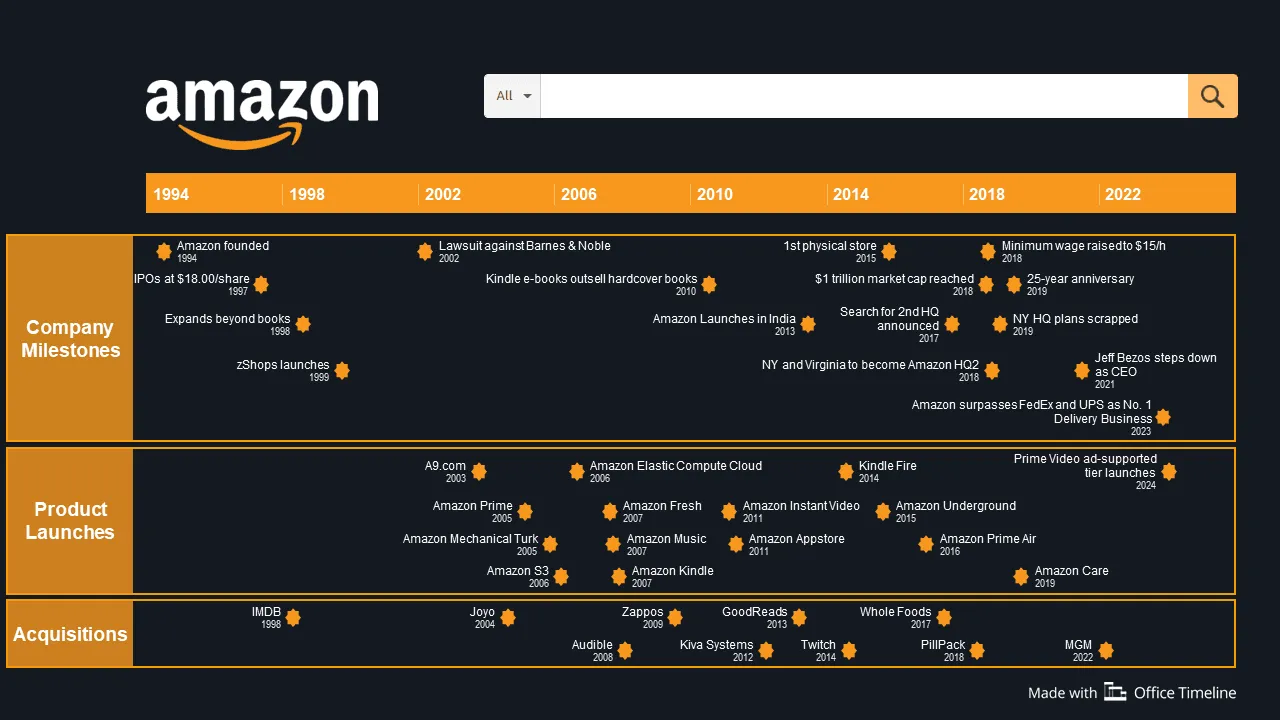
Behind the seamless online experience lies a vast network of highly automated fulfillment centers, a testament to Amazon’s technological prowess in robotics and operational efficiency. Amazon invested heavily in robotics, most notably through its 2012 acquisition of Kiva Systems (now Amazon Robotics). These intelligent robots navigate warehouse floors, retrieving shelves of products and bringing them to human workers for packaging, dramatically increasing storage density and processing speed. Beyond Kiva, Amazon deploys an array of robotic arms, vision systems, and autonomous vehicles to sort, package, and move goods. These technological advancements are critical for handling the sheer volume and variety of products, enabling faster processing times, reducing errors, and ultimately supporting Amazon’s promise of rapid delivery. The ongoing development in this area pushes the boundaries of human-robot collaboration and intelligent automation in industrial settings.
Innovating Last-Mile Delivery: Drones and Beyond
The final frontier of e-commerce technology is often the “last mile” – getting the product from the local distribution center to the customer’s doorstep. Amazon has invested significantly in innovating this crucial stage. Its logistics network, Amazon Logistics, leverages sophisticated routing algorithms, GPS tracking, and real-time data analysis to optimize delivery routes and schedules. Beyond traditional methods, Amazon has aggressively pursued futuristic delivery solutions. Its Prime Air initiative, focused on drone delivery, has been in development for years, with successful trials demonstrating the viability of autonomous aerial vehicles for small package delivery. Additionally, Amazon has experimented with robotic sidewalk delivery devices (Scout) and various smart locker systems, all aimed at increasing delivery speed, efficiency, and customer convenience. These efforts showcase Amazon’s commitment to leveraging advanced robotics, AI, and autonomous systems to overcome the complex challenges of urban and suburban logistics.
Hardware Innovation and Ecosystem Expansion
Amazon’s strategy extends beyond software and services; it has consistently invested in developing its own hardware, not merely as products, but as crucial gateways to its broader technological ecosystems and services. This vertical integration allows Amazon to control the end-to-end user experience and deepen its relationship with customers.
The Kindle’s Digital Content Revolution
One of Amazon’s earliest and most impactful hardware ventures was the Kindle e-reader, launched in 2007. The Kindle wasn’t just another gadget; it was a technological device designed to revolutionize how people consumed books. By focusing on a paper-like e-ink display, long battery life, and seamless integration with Amazon’s vast digital bookstore (Whispersync technology for instant downloads), the Kindle made reading digital books a genuinely enjoyable and convenient experience. It fundamentally shifted the publishing industry, accelerating the transition from physical to digital books and establishing Amazon as a dominant player in digital content distribution. The Kindle demonstrated Amazon’s ability to identify an underserved market, apply targeted technology, and create an entirely new product category that served as a direct conduit to its digital content offerings.
Fire Devices: Bridging Content and User Experience
Building on the success of the Kindle, Amazon expanded its hardware portfolio with the Fire tablet and Fire TV devices. The Fire tablets, while competing in a crowded market, differentiated themselves by offering deeply integrated access to Amazon’s content ecosystem: Prime Video, Kindle books, Amazon Music, and its app store. These devices were priced competitively, often below manufacturing cost, as a strategic move to drive engagement with Amazon’s profitable services. Similarly, Fire TV sticks and cubes transformed traditional televisions into smart entertainment hubs, offering a vast array of streaming services with a strong emphasis on Prime Video and voice control via Alexa. These devices exemplify Amazon’s technological approach to hardware: they are not just standalone products but thoughtfully designed portals that enhance the accessibility and consumption of Amazon’s growing suite of digital services and content.
Strategic Integration: Hardware as a Gateway to Services
The common thread running through all of Amazon’s hardware endeavors, from the Echo to the Ring smart doorbells, is their role as strategic gateways. Each device is engineered to seamlessly connect users to Amazon’s services, whether it’s cloud computing through AWS-powered backend, voice AI through Alexa, or digital content and e-commerce. This integration creates a powerful ecosystem effect. Owning an Echo makes subscribing to Amazon Music more appealing; a Fire TV stick makes Prime Video more accessible. Amazon’s technological innovation in hardware is therefore not just about creating new gadgets, but about crafting integrated experiences that deepen customer loyalty, reinforce its brand presence in the home, and provide additional touchpoints for its core services, showcasing a holistic approach to technological product development and market penetration.
In summary, Amazon’s journey from an online bookseller to a multi-faceted tech powerhouse is a testament to its relentless pursuit of innovation. Through AWS, it democratized advanced computing; with Alexa, it redefined human-computer interaction; in logistics, it leveraged robotics and AI to perfect e-commerce; and with its diverse hardware, it built gateways to its expansive digital ecosystems. Amazon’s actions have not only shaped the technological landscape but have also profoundly influenced how businesses operate and how consumers engage with the digital world. Its continued investment in research and development, coupled with a culture of experimentation, ensures that Amazon remains a pivotal force in architecting the future of technology.
aViewFromTheCave is a participant in the Amazon Services LLC Associates Program, an affiliate advertising program designed to provide a means for sites to earn advertising fees by advertising and linking to Amazon.com. Amazon, the Amazon logo, AmazonSupply, and the AmazonSupply logo are trademarks of Amazon.com, Inc. or its affiliates. As an Amazon Associate we earn affiliate commissions from qualifying purchases.