
Skin tone, a visually captivating and incredibly diverse aspect of human biology, has fascinated scientists and individuals for centuries. From the lightest to the deepest hues, the spectrum of human skin color is a testament to our evolutionary journey and genetic heritage. While the fundamental biological mechanisms have been largely understood, the advent of cutting-edge technology has revolutionized our ability to precisely analyze, predict, and even ethically influence the factors that determine skin tone. This article delves into the technological innovations currently shaping our understanding of skin tone, exploring how advancements in genomics, artificial intelligence, digital imaging, and wearable devices are shedding new light on this complex trait, all while addressing the critical need for inclusive and unbiased technological application.
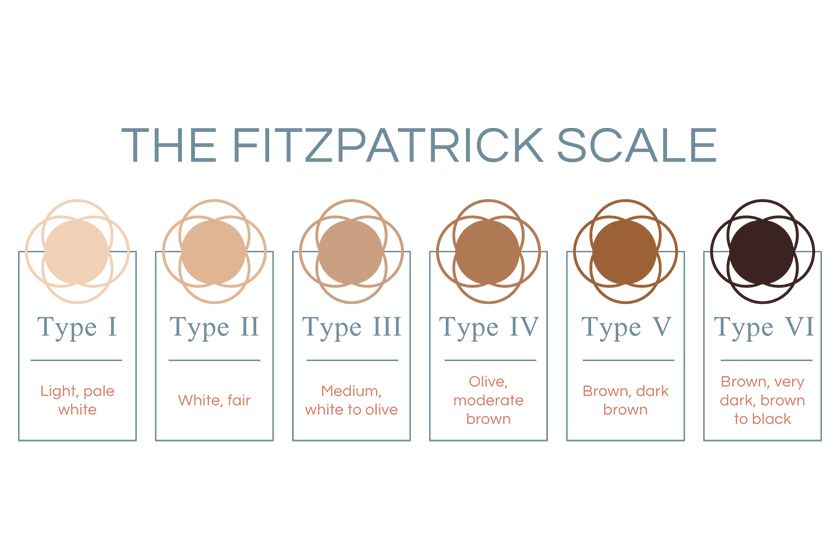
The Genetic Blueprint: DNA and Algorithmic Analysis
At the core of skin tone determination lies our genetic code. Melanin, the pigment responsible for skin color, is produced by specialized cells called melanocytes, and the quantity and type of melanin (eumelanin, which is black/brown, and pheomelanin, which is red/yellow) are largely controlled by a combination of genes. Technology, particularly in the realm of genomics and bioinformatics, has become indispensable in unraveling this intricate genetic blueprint.
Unraveling Melanin Pathways with Genomics
Genomic sequencing technologies have dramatically advanced our ability to identify the specific genes and genetic variations (polymorphisms) that influence melanin production and distribution. Technologies like next-generation sequencing (NGS) can quickly and cost-effectively sequence entire human genomes or specific gene panels, providing a wealth of data on genes such as MC1R, TYR, OCA2, and SLC24A5, all known to play significant roles in determining skin, hair, and eye color.
Bioinformatics, a field that merges biology with computer science, then takes this raw genetic data and applies sophisticated algorithms to identify patterns and correlations. Machine learning models are trained on vast datasets of genetic information linked to observed skin tones, allowing researchers to pinpoint specific genetic markers that predict an individual’s propensity for a certain skin phenotype. This not only deepens our scientific understanding but also has implications for personalized medicine and dermatological treatments. By understanding an individual’s genetic predisposition, clinicians can offer more tailored advice regarding sun protection, skin aging, and the risk of certain skin conditions.
Predictive Analytics in Personalized Skincare
The intersection of genomics and predictive analytics has opened new avenues for personalized skincare. Companies are leveraging genetic data, collected via at-home DNA kits or clinical tests, to offer highly customized skincare recommendations. Algorithms analyze an individual’s genetic profile to identify predispositions related to melanin production, collagen degradation, antioxidant capacity, and sensitivity to environmental factors like UV radiation.
For instance, if genetic analysis reveals a lower propensity for eumelanin production, indicating a lighter skin tone with higher susceptibility to sun damage, the algorithms can recommend specific sunscreens, antioxidants, and skincare ingredients. Conversely, individuals with genetic markers for higher melanin production might receive recommendations for products targeting hyperpigmentation or uneven tone. This approach moves beyond generic advice, offering a scientific, data-driven basis for product selection and routine optimization, ultimately aiming for more effective and sustainable skin health outcomes tailored to an individual’s unique genetic makeup.
Digital Dermatology: AI and Imaging Innovations
Beyond genetics, the visible manifestation of skin tone is a critical area where technology is making significant strides. Digital dermatology, powered by artificial intelligence (AI) and advanced imaging techniques, is transforming how we diagnose, monitor, and treat skin conditions related to pigmentation.
AI-Powered Skin Analysis for Diagnostics
AI, particularly through machine learning and deep learning algorithms, is revolutionizing dermatological diagnostics. Specialized AI tools can analyze high-resolution images of the skin, identifying subtle variations in color, texture, and lesion morphology that might be imperceptible to the human eye. For instance, AI algorithms can be trained on millions of images of various skin conditions, including melanoma, psoriasis, and eczema, across a wide range of skin tones.
When applied to skin tone analysis, AI can accurately measure melanin levels, identify areas of hyperpigmentation or hypopigmentation, and track changes over time. This capability is invaluable for early detection of skin cancers, monitoring the efficacy of pigment-altering treatments, and assessing overall skin health. The precision and consistency of AI-driven analysis often surpass human capabilities, providing objective data that supports clinical decisions and enhances patient care, especially in regions with limited access to specialized dermatologists.
High-Resolution Imaging for Pigmentation Mapping
Advanced imaging technologies provide the visual data that fuels AI algorithms. Spectrophotometers, dermoscopes, and multispectral imaging systems capture detailed information about skin tone beyond what a standard camera can see. Spectrophotometers measure the intensity of light reflected at different wavelengths, allowing for precise quantification of melanin and hemoglobin (which also influences skin tone through blood flow).
Dermoscopes, which provide magnified views of the skin, combined with digital capture, allow dermatologists to examine pigmented lesions with unprecedented detail. Multispectral imaging can differentiate between superficial and deeper pigmentation, providing crucial insights into the origin and nature of various skin discolorations. These technologies create detailed “pigmentation maps” of the skin, offering a quantitative and objective basis for understanding the nuances of an individual’s skin tone, tracking its evolution, and evaluating the impact of environmental factors or therapeutic interventions.
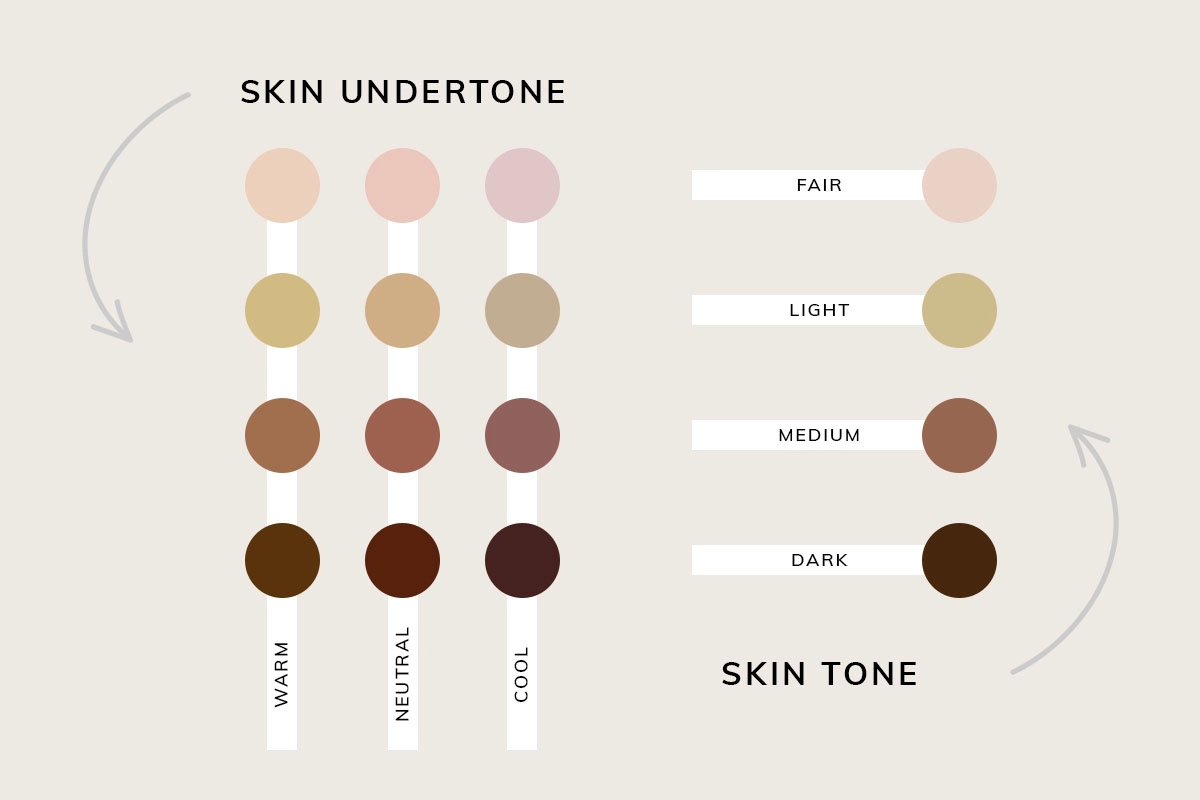
Wearable Tech and Environmental Monitoring
Skin tone is not static; it responds dynamically to environmental factors, most notably sunlight exposure. Wearable technology has emerged as a powerful tool for individuals to monitor these interactions in real-time and take proactive steps to protect their skin.
UV Sensors and Real-time Skin Protection
One of the most significant environmental determinants of skin tone is ultraviolet (UV) radiation from the sun. Excessive UV exposure leads to increased melanin production (tanning) and can cause sun damage, premature aging, and increase the risk of skin cancer. Wearable UV sensors, often integrated into smartwatches, patches, or dedicated devices, provide real-time monitoring of UV exposure.
These smart gadgets use light sensors to measure the intensity of UV radiation and, based on an individual’s pre-programmed skin type (which correlates to melanin content), calculate their cumulative exposure and advise when to seek shade, reapply sunscreen, or cover up. Some advanced sensors can even assess the current SPF effectiveness of applied sunscreen. By providing actionable insights, these technologies empower individuals to manage their sun exposure more effectively, reducing the risks associated with harmful UV rays and helping maintain healthier skin, regardless of their natural skin tone.
Smart Devices for Tracking Skin Health Changes
Beyond UV, a range of smart devices is being developed to track other parameters influencing skin health and tone. These include devices that measure skin hydration, oiliness, and even elasticity. Some advanced prototypes are exploring ways to non-invasively monitor subtle changes in pigmentation that could indicate the onset of certain dermatological conditions or the effectiveness of treatments.
These devices often connect to smartphone apps, creating a personal skin health diary that trends data over time. This longitudinal tracking allows users and their dermatologists to identify patterns, understand triggers for skin issues, and make informed decisions about skincare routines. While still an evolving field, the potential for personalized, proactive skin health management through integrated smart devices is immense, offering unprecedented control and insight into the factors that shape our skin tone and overall dermatological well-being.
Inclusive Tech: Representing Diverse Skin Tones
As technology becomes more deeply integrated into our understanding and interaction with skin tone, the imperative for inclusivity and accuracy in representing the full spectrum of human complexions has never been greater. Technology has a critical role to play in bridging historical gaps in representation.
Color Science and Calibration in Digital Media
Historically, many imaging and display technologies were developed with a bias towards lighter skin tones, leading to inaccurate representation of darker complexions. This “Shirley Card” effect, where color calibration was optimized for a limited range of skin tones, is slowly being rectified through advancements in color science and digital calibration. Modern camera sensors, display technologies, and color management systems are being engineered to capture and reproduce a much wider gamut of skin tones with greater fidelity.
Companies are investing in research to develop more sophisticated algorithms for color correction that don’t flatten or misrepresent melanin-rich skin. This is crucial for industries ranging from fashion and beauty advertising to film and photography, ensuring that digital media accurately reflects the true diversity of human skin. The goal is to move beyond a “one-size-fits-all” approach to color, embracing the nuances of every complexion to create a more authentic and inclusive visual experience.
AI Bias in Computer Vision and Mitigation Strategies
While AI offers powerful analytical capabilities, it is inherently reliant on the data it’s trained on. If training datasets are biased, lacking sufficient representation of diverse skin tones, the AI models will perpetuate and even amplify those biases. This can manifest in computer vision systems that struggle to accurately identify faces with darker skin tones, leading to issues in facial recognition, biometric security, and even medical diagnostic tools.
Addressing this requires conscious effort and technological solutions. Developers are now prioritizing the creation of massive, diverse datasets that are rigorously balanced across all skin tones, genders, and ethnicities. Techniques like “adversarial debiasing” and “fairness-aware machine learning” are being developed to identify and reduce bias in AI models. Furthermore, algorithmic transparency and accountability are becoming paramount, demanding that AI systems be auditable for fairness. The ethical imperative is clear: technology designed to understand and interact with human features must be equitable and perform reliably for everyone, regardless of their skin tone.
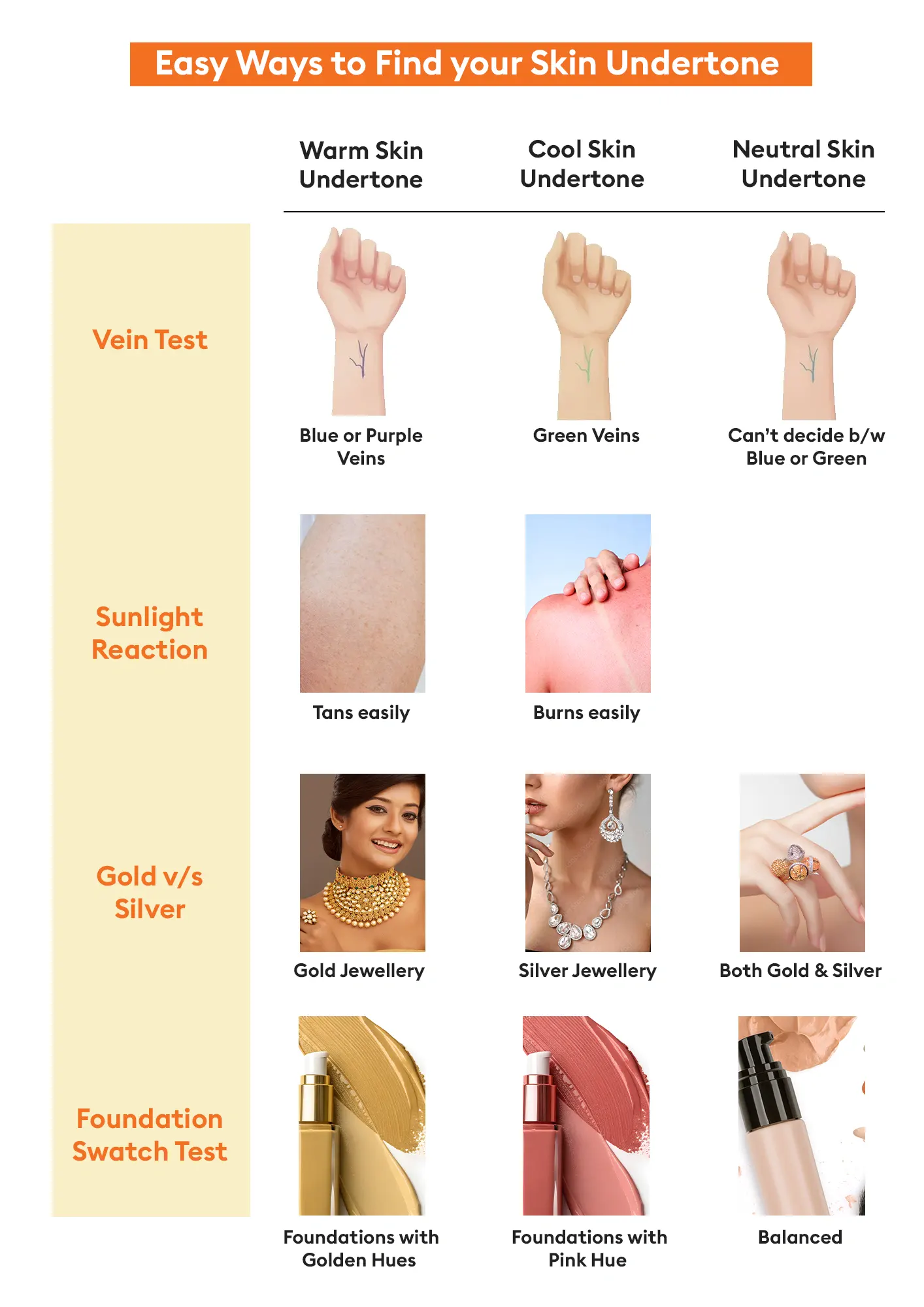
The Future of Skin Tone Understanding Through Technology
The journey to fully understand what determines skin tone is a perpetual one, continuously enriched by technological innovation. From the microscopic precision of genomic analysis to the macroscopic scale of environmental monitoring via wearables, technology is providing unprecedented tools to demystify this complex trait. The future promises even more integrated systems where genetic predispositions, environmental exposures, and real-time physiological responses are all factored into a holistic understanding of an individual’s skin tone and health.
Moreover, the ongoing dialogue around inclusivity and ethical AI ensures that these technological advancements serve all of humanity. As we continue to refine our tools and expand our datasets, we move towards a future where technology not only deciphers the science of skin tone but also celebrates its rich diversity, offering personalized care, accurate representation, and equitable access to the benefits of dermatological insight for everyone. The question of “what determines skin tone” is no longer just a biological inquiry but a technological challenge, pushing the boundaries of innovation to understand ourselves better.
aViewFromTheCave is a participant in the Amazon Services LLC Associates Program, an affiliate advertising program designed to provide a means for sites to earn advertising fees by advertising and linking to Amazon.com. Amazon, the Amazon logo, AmazonSupply, and the AmazonSupply logo are trademarks of Amazon.com, Inc. or its affiliates. As an Amazon Associate we earn affiliate commissions from qualifying purchases.