
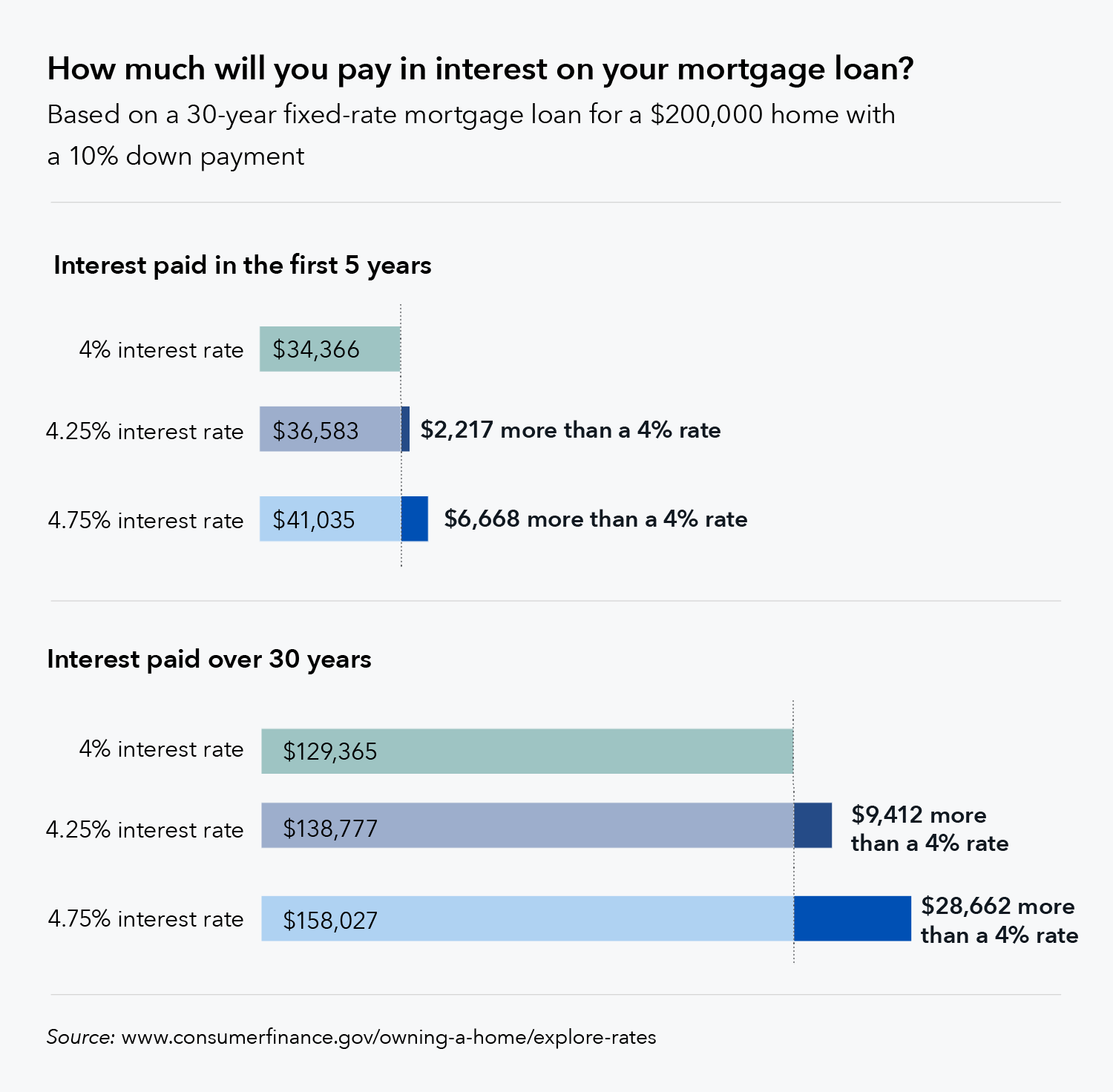
For most homeowners and prospective buyers, the mortgage interest rate is the single most important number in their financial lives. A difference of just one percentage point can translate into hundreds of dollars in monthly payments and tens of thousands of dollars in interest over the life of a thirty-year loan. However, mortgage rates are not arbitrary figures pulled from thin air by local bank managers. Instead, they are the result of a complex interplay between global economic forces, government policy, and individual financial profiles. Understanding what determines these rates is essential for anyone looking to navigate the real estate market effectively.
The Macroeconomic Landscape: How the Federal Reserve and Inflation Set the Stage
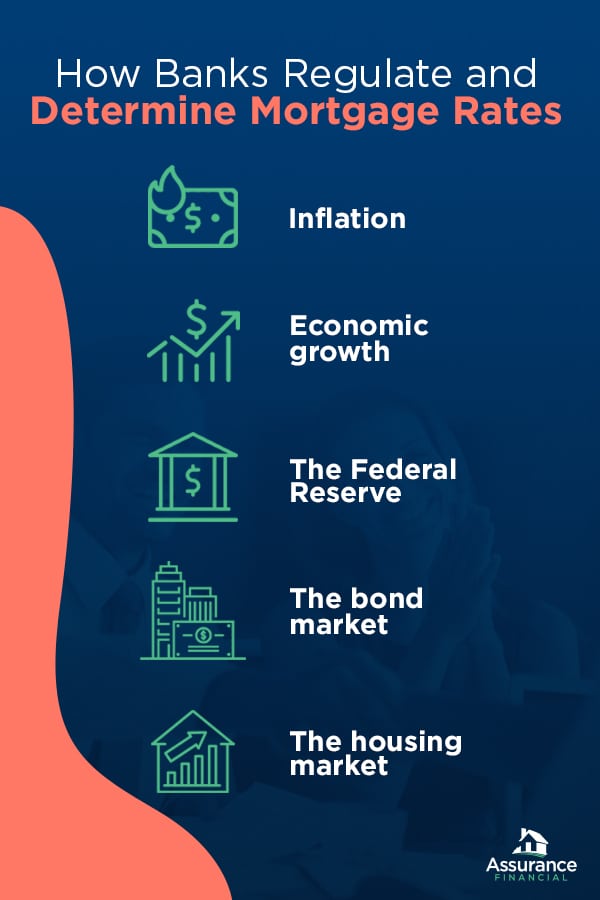
While individual lenders have some discretion, the baseline for mortgage rates is established by broad economic conditions. The most significant of these are the actions of the Federal Reserve and the prevailing rate of inflation.
The Role of the Federal Reserve and the Federal Funds Rate
A common misconception is that the Federal Reserve directly sets mortgage rates. In reality, the Fed sets the “federal funds rate,” which is the interest rate at which commercial banks borrow and lend to one another overnight. While this does not directly dictate what a homebuyer pays, it creates a “ripple effect” throughout the economy. When the Fed raises the federal funds rate to combat inflation, it becomes more expensive for banks to borrow money. To maintain their profit margins, banks pass these costs on to consumers by raising interest rates on various products, including credit cards, auto loans, and mortgages.
Inflationary Pressure and Purchasing Power
Inflation is perhaps the most persistent enemy of low mortgage rates. Lenders are essentially investors who are “buying” your promise to pay back a loan over time. If a lender issues a thirty-year fixed-rate mortgage at 4%, but inflation rises to 5%, the lender is effectively losing purchasing power every year. To protect themselves against the eroding value of future dollars, lenders demand higher interest rates when inflation expectations are high. When the Consumer Price Index (CPI) shows a steady upward trend, mortgage rates almost inevitably follow.
The 10-Year Treasury Yield Connection
If you want to track mortgage rates in real-time, the best indicator is not the stock market, but the 10-year Treasury yield. Mortgages are often bundled together and sold as Mortgage-Backed Securities (MBS) on the secondary market. Investors who buy these securities view them as alternatives to 10-year Treasury bonds because the average mortgage is paid off or refinanced within seven to ten years. Therefore, when the yield on the 10-year Treasury goes up, mortgage rates typically rise in tandem to remain competitive for investors’ capital.
Individual Financial Health: The Personal Factors Influencing Your Quote
While the macroeconomy sets the “floor” for interest rates, your personal financial profile determines how much of a “risk premium” the lender will add to that base rate. Lenders use several key metrics to gauge the likelihood that a borrower will default on their loan.
Credit Scores: The Ultimate Risk Indicator
Your credit score is the primary tool lenders use to assess risk. Borrowers with “Excellent” credit scores (usually 760 and above) are offered the lowest possible rates because they have a proven track record of managing debt responsibly. Conversely, borrowers with scores in the “Fair” or “Poor” range (below 620) are seen as high-risk. To compensate for the higher probability of default, lenders charge these borrowers a significantly higher interest rate. Over thirty years, a borrower with a 640 credit score might pay $100,000 more in interest than a borrower with an 800 score for the exact same house.
Debt-to-Income Ratio (DTI)
The Debt-to-Income ratio is a calculation of your monthly debt payments divided by your gross monthly income. Lenders use this to ensure you aren’t “over-leveraged.” If a large portion of your income is already committed to student loans, car payments, and credit cards, a lender may view you as a riskier bet, even if your credit score is high. While most programs have a hard cap on DTI (often around 43% to 50%), staying below 36% generally qualifies you for the most competitive pricing.
Employment History and Income Stability
Lenders prioritize stability. They want to see that you have a consistent stream of income to cover mortgage payments for the foreseeable future. Generally, lenders look for at least two years of steady employment in the same field. Self-employed individuals or those with fluctuating commission-based income may face higher rates or stricter scrutiny because their income is perceived as less predictable.
Property and Loan Specifics: How Transaction Details Impact Rates

The specific details of the loan and the property itself also play a major role in the final rate offer. Not all loans are created equal, and some represent more risk to the lender than others.
Loan-to-Value Ratio (LTV) and Down Payments
The Loan-to-Value ratio represents the amount of the loan compared to the appraised value of the home. A borrower who puts down 20% has an LTV of 80%. This borrower has “skin in the game,” making them less likely to walk away from the property if prices dip. For lenders, a higher down payment equals lower risk. If you put down only 3.5% or 5%, you will likely face a higher interest rate and the added cost of Private Mortgage Insurance (PMI), which protects the lender in case of default.
Loan Type: Conventional vs. Government-Backed
The type of loan product you choose has a built-in rate structure.
-
Conventional Loans: These are not insured by the government and typically offer the best rates to those with high credit scores and large down payments.
-
FHA Loans: Insured by the Federal Housing Administration, these are designed for borrowers with lower credit scores. While their base rates are often lower than conventional rates, the mandatory mortgage insurance premiums can make them more expensive overall.
-
VA Loans: Available to veterans and active-duty service members, these often feature the lowest rates on the market because they are backed by the Department of Veterans Affairs.
Occupancy Status: Primary Residence vs. Investment Property
Lenders offer the best rates for primary residences because people are highly motivated to keep their own homes. If a borrower faces financial hardship, they will likely stop paying for their vacation home or rental property before they stop paying for the roof over their head. Consequently, interest rates for investment properties and second homes are usually 0.50% to 1.00% higher than for primary residences.
Market Dynamics and Secondary Markets
The mortgage market functions like any other market—it is driven by supply and demand. The price of a mortgage is influenced by how much money is available to be lent and how much investors are willing to pay for mortgage debt.
Mortgage-Backed Securities (MBS)
As mentioned earlier, most mortgages are sold on the secondary market as Mortgage-Backed Securities. Institutional investors, such as pension funds, insurance companies, and foreign governments, buy these securities for their steady income. When there is high demand for MBS, lenders can offer lower interest rates to consumers because they know they can easily sell the loan for a profit. If demand for MBS drops—perhaps because investors are worried about the housing market or because they can get better returns elsewhere—lenders must raise rates to make the securities more attractive to buyers.
Lender Competition and Overhead Costs
Mortgage rates also vary by lender. Large retail banks, credit unions, and independent mortgage brokers all have different overhead costs and profit margin requirements. A small credit union may offer lower rates as a member benefit, while a large national bank might have higher rates but offer more robust digital tools. Shopping around and getting multiple Loan Estimates is one of the few ways a borrower can directly influence the rate they receive, as lenders may compete for your business by “price matching” a competitor’s offer.
Navigating the Rate Environment: Strategies for Borrowers
While you cannot control the Federal Reserve or global inflation, you can use several strategies to optimize the rate you are offered within the current market environment.
The Impact of Points and Credits
Borrowers often have the option to “buy down” their interest rate using discount points. One point typically costs 1% of the loan amount and reduces the interest rate by approximately 0.25%. This is essentially “prepaid interest.” If you plan to stay in the home for a long time (usually more than seven years), paying for points can save you a significant amount of money. Conversely, “lender credits” allow the lender to cover your closing costs in exchange for a higher interest rate—a strategy useful for those who are cash-poor at the time of purchase but have high income.
Lock-In Periods and Market Timing
Because mortgage rates can change daily (and sometimes hourly), lenders offer “rate locks.” A rate lock guarantees a specific interest rate for a set period, usually 30, 45, or 60 days, while your loan is being processed. If rates rise while you are under contract, your rate remains protected. However, if rates drop significantly, you may need a “float-down” provision to take advantage of the lower rate.
In conclusion, mortgage interest rates are the product of a delicate balance between the global economy and your personal financial history. By maintaining a strong credit profile, saving for a substantial down payment, and keeping a close eye on inflationary trends and Treasury yields, you can position yourself to secure the most favorable terms possible. While you can’t dictate the market, understanding the levers that move it allows you to make informed, strategic decisions about your most significant financial commitment.
aViewFromTheCave is a participant in the Amazon Services LLC Associates Program, an affiliate advertising program designed to provide a means for sites to earn advertising fees by advertising and linking to Amazon.com. Amazon, the Amazon logo, AmazonSupply, and the AmazonSupply logo are trademarks of Amazon.com, Inc. or its affiliates. As an Amazon Associate we earn affiliate commissions from qualifying purchases.