
The world of investing can often feel like navigating a complex labyrinth. At the heart of this labyrinth lies the stock market, a dynamic arena where the value of companies is constantly being assessed and re-assessed. The fundamental question for any investor, from the seasoned professional to the curious beginner, is: what determines a stock’s price? While it might seem like a simple numerical fluctuation, a stock’s price is a sophisticated reflection of a multitude of factors, deeply intertwined with the core pillars of business success and investor sentiment. Understanding these determinants is crucial for anyone looking to make informed decisions in the realms of tech, brand building, and smart financial management.
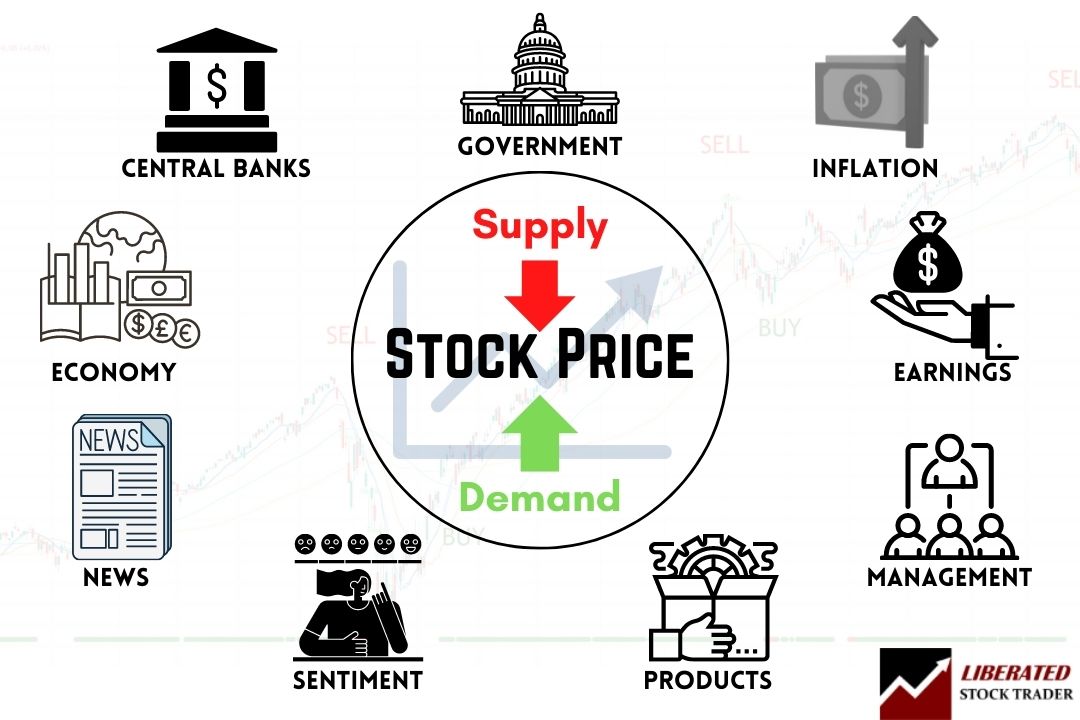
The Interplay of Supply and Demand: The Most Fundamental Driver
At its most basic, a stock’s price is governed by the timeless economic principle of supply and demand. Imagine a marketplace where shares of a company are the goods being bought and sold. When more investors want to buy a particular stock (demand) than there are shares available for sale (supply), the price will naturally rise. Conversely, if more shareholders want to sell their stock than there are buyers eager to purchase it, the price will fall. This constant push and pull between buyers and sellers, driven by a myriad of underlying factors, creates the daily price movements we observe.
However, supply and demand don’t exist in a vacuum. They are the outcome of deeper forces at play, forces that are intimately connected to the health and future prospects of the company itself, as well as the broader economic and industry landscape.
Understanding the Supply Side
The supply of a stock can be influenced by several factors. The most direct determinant is the total number of shares a company has issued, known as its outstanding shares. If a company decides to issue more shares, for instance, through a secondary offering to raise capital, this increases the supply, potentially putting downward pressure on the price if demand doesn’t keep pace. Conversely, if a company buys back its own shares (a share buyback), it reduces the supply, which can lead to an increase in price.
Beyond the sheer number of shares, the liquidity of a stock also plays a role. Highly liquid stocks, meaning those with a large number of shares traded daily, generally have a more stable supply dynamic, making it easier to buy or sell without significantly impacting the price. Illiquid stocks, on the other hand, can experience more volatile price swings due to smaller trading volumes.
The Driving Force of Demand
The demand for a stock is far more complex and is influenced by a spectrum of considerations, many of which are directly related to the three key pillars of the website: Tech, Brand, and Money.
Investor Sentiment and Expectations
Perhaps the most potent, yet often intangible, driver of demand is investor sentiment. This encompasses the collective optimism or pessimism of investors towards a particular company, its industry, or the broader market. Positive sentiment, fueled by good news, strong earnings reports, or promising future outlooks, can significantly boost demand. Conversely, negative sentiment, stemming from disappointing results, scandals, or economic downturns, can lead to a sharp decline in demand.
Expectations for future performance are paramount. Investors are not just buying a piece of a company today; they are investing in its future profitability and growth. If investors believe a company is poised for significant growth, innovation, or market dominance, they will be more willing to buy its stock, driving up demand and price. This is where the “Tech” and “Brand” aspects become particularly influential.
How Technology and Innovation Shape Stock Value
In today’s rapidly evolving world, technology is no longer just a sector; it’s a fundamental force shaping every industry and, consequently, every stock’s potential. Companies that are at the forefront of technological innovation, or that effectively leverage cutting-edge tech, often command higher valuations.
The Impact of Technological Trends
Technology trends like Artificial Intelligence (AI), cloud computing, cybersecurity, the Internet of Things (IoT), and advancements in biotechnology, are creating new markets and disrupting old ones. Companies that are leading in these areas, developing groundbreaking AI tools, innovative software, or revolutionary gadgets, are seen as having significant growth potential. This potential translates directly into increased investor interest and demand for their stock.
For example, a company developing a novel AI algorithm that significantly improves efficiency in a major industry is likely to attract considerable investor attention. Similarly, a software company with a highly sought-after app or a robust suite of productivity tools can see its stock price surge as its user base and revenue grow.
Innovation and Competitive Advantage
A company’s ability to consistently innovate is a key determinant of its long-term success and, therefore, its stock price. Companies that invest heavily in research and development (R&D) and have a pipeline of new products or services are viewed favorably by investors. This innovative edge creates a competitive advantage, making it harder for rivals to catch up and ensuring the company’s sustained profitability.
Reviews and tutorials of new technologies and products also play a role, albeit indirectly. Positive reviews and widespread adoption of a company’s tech offerings can signal strong market acceptance and future revenue streams, boosting investor confidence and demand.
Digital Security and Future-Proofing
In an increasingly digital world, digital security is not just an operational concern but a critical factor in maintaining trust and reputation. Companies that demonstrate robust cybersecurity measures and can protect themselves and their customers from breaches are seen as more stable and reliable. A significant security breach can have devastating consequences for a company’s reputation and, consequently, its stock price. Therefore, strong digital security practices can contribute to a more stable and potentially higher stock valuation.
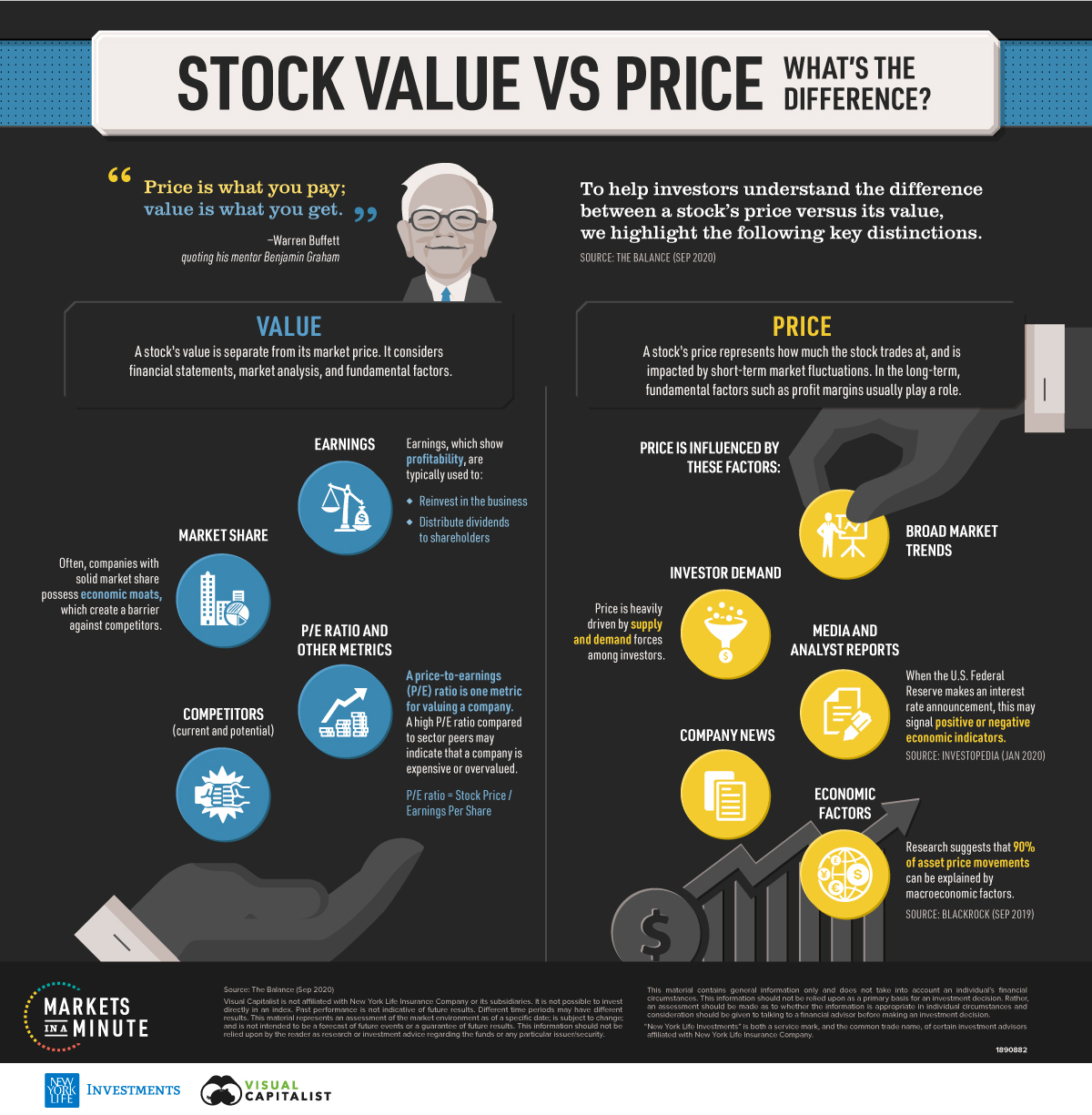
The Power of Brand and Reputation
Beyond technological prowess, a company’s brand is a powerful asset that can significantly influence its stock price. A strong, recognizable, and trusted brand can command premium pricing, foster customer loyalty, and create a moat against competitors.
Brand Strategy and Corporate Identity
A well-defined brand strategy is essential for articulating a company’s value proposition and connecting with its target audience. This encompasses not just the visual elements of design, but also the company’s core values, mission, and the emotional connection it fosters with consumers. A strong corporate identity that resonates with customers and stakeholders can lead to increased demand for its products and services, indirectly boosting its stock.
Case studies that highlight successful brand campaigns, innovative marketing strategies, or positive customer experiences can provide tangible evidence of a brand’s strength and its impact on business outcomes. Investors look for companies with a proven ability to build and leverage their brand effectively.
Marketing and Customer Perception
Effective marketing is crucial for communicating a brand’s message and reaching its audience. Successful marketing campaigns can increase brand awareness, drive sales, and cultivate a positive perception of the company. This positive perception translates into higher demand for the company’s stock.
Conversely, negative publicity, product recalls, or ethical controversies can severely damage a company’s reputation and lead to a sharp decline in its stock price. The adage “a good name is worth more than riches” holds true in the stock market. Companies with a strong, positive reputation are often seen as less risky investments, attracting a broader base of investors.
Financial Performance and Investor Confidence
Ultimately, the intrinsic value of a company is derived from its ability to generate profits and grow its earnings. Financial performance is a direct and powerful determinant of a stock’s price.
Earnings and Profitability
The most closely watched metric for determining a stock’s price is its earnings per share (EPS). This represents the portion of a company’s profit allocated to each outstanding share of common stock. Consistent growth in EPS signals a healthy and expanding business, which typically leads to an increase in stock price. Conversely, declining EPS or earnings misses can trigger a sell-off.
Profitability margins, such as gross profit margin, operating profit margin, and net profit margin, provide insights into how efficiently a company converts revenue into profit. Higher margins generally indicate a stronger financial position and a more attractive investment.
Revenue Growth and Market Share
Beyond current profitability, investors also look at revenue growth. Companies that are consistently increasing their sales are demonstrating their ability to capture market demand and expand their business. Strong revenue growth, especially when outpacing competitors, is a positive indicator for future earnings and stock appreciation.
Market share, the percentage of a total market that a company controls, is another important factor. Companies with increasing market share often have a competitive advantage and are well-positioned for long-term growth.
Financial Health and Debt Levels
A company’s financial health is assessed by examining its balance sheet, including its assets, liabilities, and equity. A strong balance sheet with manageable debt levels indicates financial stability and a lower risk profile for investors. High levels of debt can be a red flag, as it increases the company’s financial obligations and can make it more vulnerable during economic downturns.
Dividend Policy and Shareholder Returns
For some investors, the prospect of receiving dividends, a portion of a company’s profits paid out to shareholders, is a significant factor. Companies with a consistent history of paying and increasing dividends can attract income-focused investors, contributing to stable demand for their stock. The way a company chooses to return value to shareholders, whether through dividends or share buybacks, influences investor perception and can impact the stock price.
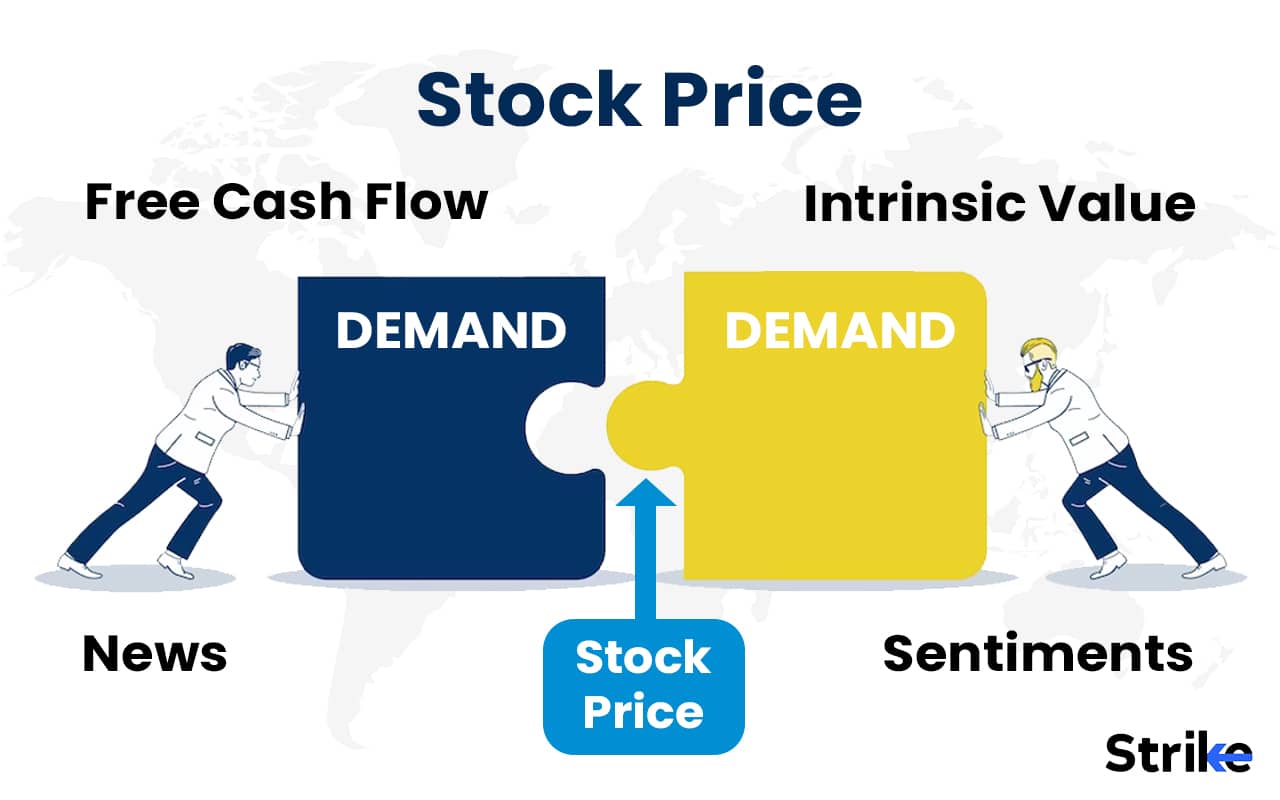
Conclusion: A Multifaceted Valuation
In conclusion, what determines a stock’s price is not a single, simple answer. It is a complex and dynamic interplay of economic principles, technological innovation, brand strength, and financial performance. Investors are constantly evaluating companies based on their current fundamentals, their future potential, and the broader economic environment.
The tech sector’s rapid advancements offer both immense opportunities and significant risks. A company’s ability to harness new technologies, innovate, and maintain a secure digital presence is paramount. The power of a strong brand and a positive reputation, nurtured through effective marketing and design, creates customer loyalty and market resilience. And underpinning it all is solid financial performance, demonstrating a company’s ability to generate profits, manage its resources wisely, and provide returns to its shareholders.
By understanding how these diverse elements – from cutting-edge AI tools and compelling brand narratives to robust financial statements and smart investing strategies – converge, individuals can gain a more comprehensive grasp of the forces that shape the value of a stock and navigate the exciting, yet often unpredictable, world of the stock market.
aViewFromTheCave is a participant in the Amazon Services LLC Associates Program, an affiliate advertising program designed to provide a means for sites to earn advertising fees by advertising and linking to Amazon.com. Amazon, the Amazon logo, AmazonSupply, and the AmazonSupply logo are trademarks of Amazon.com, Inc. or its affiliates. As an Amazon Associate we earn affiliate commissions from qualifying purchases.