
The modern dental hygienist is no longer defined solely by the traditional tools of the trade—the scaler, the polisher, and the mirror. While manual dexterity remains the bedrock of the profession, a seismic shift toward digitalization is redefining what a dental hygienist does and how they deliver care. In the current landscape, the “what” of dental hygiene is increasingly intertwined with advanced technology, ranging from artificial intelligence to sophisticated intraoral imaging.
As the dental industry moves toward a more integrated, data-driven model, the hygienist has emerged as the primary operator of high-tech diagnostic and preventive tools. This evolution is not merely about convenience; it is about precision, early intervention, and the optimization of patient outcomes through digital innovation.

The Integration of Artificial Intelligence in Clinical Practice
Artificial Intelligence (AI) has transitioned from a futuristic concept to a practical, everyday utility in the dental hygiene operatory. For a dental hygienist, AI serves as a “second set of eyes,” providing an objective analysis of clinical data that enhances diagnostic accuracy.
AI-Assisted Periodontal Assessment and Radiographic Analysis
One of the most significant technological leaps for hygienists is the implementation of AI software designed to interpret radiographs in real-time. Tools like Pearl and Overjet use computer vision algorithms to detect bone loss, calculus deposits, and dental caries with a level of consistency that human observation alone may struggle to maintain over a long clinical day.
For the hygienist, this tech simplifies the process of “reading” a bitewing or periapical X-ray. The software highlights areas of concern, allowing the hygienist to point out specific pathologies to the patient and the dentist. This reduces the margin of error and ensures that early signs of periodontal disease—often the primary focus of the hygienist—are caught before they require invasive intervention.
Predictive Analytics for Patient Risk Stratification
Beyond image analysis, AI-driven practice management software is now capable of predictive analytics. By synthesizing a patient’s medical history, genetic predispositions, and past clinical data, these tools can assign a “risk score” for conditions like gingivitis or systemic-linked oral inflammation. This allows the dental hygienist to customize the frequency of visits and the specific technological interventions needed for each individual, moving away from a “one size fits all” cleaning model to a precision-tech approach.
Advanced Intraoral Scanning and Digital Impressions
The days of messy, uncomfortable alginate impressions are rapidly coming to an end. The modern dental hygienist is now a master of intraoral scanning, a technology that has revolutionized both the patient experience and the clinical workflow.
Transitioning from Analog to Digital Workflows
Intraoral scanners, such as the iTero or 3Shape TRIOS, allow hygienists to create highly accurate 3D models of a patient’s mouth within minutes. This technology is a cornerstone of the modern “what” in dental hygiene. By capturing thousands of images and stitching them into a digital map, the hygienist provides the dentist with a perfect foundation for restorative work, orthodontics, or night guards.
From a tech perspective, these scanners eliminate the distortions common in physical molds. For the hygienist, the digital workflow means instant feedback; if a scan is missing a contact point, the software alerts them immediately, allowing for a quick correction while the patient is still in the chair.
Enhancing Patient Education through 3D Visualization
One of the most powerful applications of scanning technology is its role in patient communication. Many scanners now include “time-lapse” features that allow the hygienist to show the patient how their teeth have shifted, worn down (attrition), or how their gingiva has receded over several years.
Seeing a 3D, high-definition visualization of their own mouth on a screen is far more impactful for a patient than looking at a blurry X-ray. This tech-driven visual aid empowers the dental hygienist to drive treatment acceptance by providing undeniable evidence of the patient’s oral health trajectory.
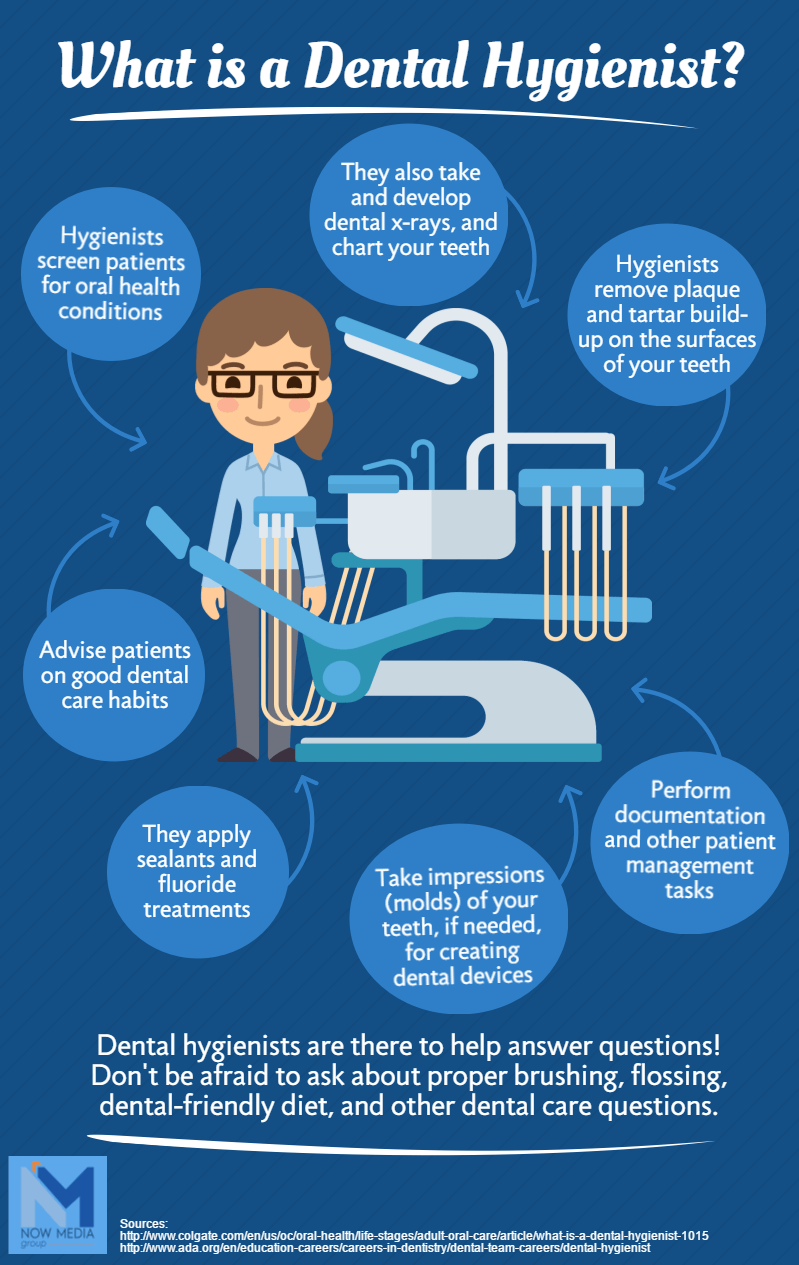
Teledentistry and Remote Patient Monitoring
The definition of the dental hygiene workspace is expanding beyond the four walls of the clinic. Teledentistry and remote monitoring technologies are allowing hygienists to maintain a continuum of care that was previously impossible.
Expanding Access to Care via Virtual Consultations
Teledentistry platforms enable dental hygienists to conduct preliminary screenings and follow-up appointments via secure video links. This is particularly transformative for public health hygienists working in rural areas or for those monitoring patients with mobility issues.
Through specialized software, a hygienist can review high-resolution photos uploaded by the patient, provide oral hygiene instructions (OHI) virtually, and determine if an in-person emergency visit is necessary. This “triage” technology maximizes the efficiency of the physical office and ensures that chair time is reserved for procedures that require hands-on intervention.
Wearable Tech and Smart Home Oral Care Integration
The “Internet of Things” (IoT) has entered the bathroom through smart toothbrushes and wearable sensors. Many of these devices sync with apps that the dental hygienist can monitor. If a patient is struggling with plaque control, the hygienist can review the data from the patient’s smart brush—tracking pressure, duration, and surface coverage.
This data-sharing creates a collaborative tech ecosystem. Instead of relying on a patient’s subjective memory of their brushing habits, the hygienist can look at hard data and provide technical adjustments to the patient’s home care routine. This level of remote monitoring represents a massive shift in how preventive care is managed.
Modern Practice Management and Data Security
As the dental hygienist becomes a primary user of digital tools, they also become a critical link in the chain of data management and digital security. The “what” of the profession now includes navigating complex software ecosystems and protecting sensitive patient information.
Streamlining Workflow with Cloud-Based Software
The shift from paper charts to cloud-based Practice Management Systems (PMS) like Dentrix Ascend or Curve Dental has streamlined the hygienist’s daily routine. These platforms integrate everything from periodontal charting and digital X-rays to patient text-messaging systems.
For the tech-savvy hygienist, these systems allow for seamless collaboration. A hygienist can update a “pocket depth” chart, which is instantly accessible to a specialist across the city or a dentist in the next room. The automation of clinical notes through voice-to-text technology and standardized digital templates also reduces the administrative burden, allowing the hygienist to focus more on the technological delivery of care.
Safeguarding Patient Privacy in a Digital Age
With the increase in digital data comes the increased responsibility of cybersecurity. The dental hygienist must be well-versed in HIPAA-compliant communication and the secure handling of Electronic Health Records (EHR).
In a world where ransomware attacks on healthcare providers are on the rise, the dental hygienist plays a role in maintaining digital hygiene. This includes understanding the importance of encrypted emails when sending patient scans to labs, utilizing multi-factor authentication for software access, and ensuring that digital workstations are secure. This technical literacy is now a non-negotiable component of the profession.
Conclusion: The Future of the Hybrid Professional
The answer to “what dental hygienist” is no longer a simple one. Today’s dental hygienist is a hybrid professional: part clinical expert, part data analyst, and part technology specialist. By embracing AI, 3D imaging, teledentistry, and secure digital workflows, the hygienist is moving the needle from reactive treatment to proactive, technology-led prevention.
As these technologies continue to advance—with the potential for 3D-printed chairside restorations and even more sophisticated AI diagnostic tools on the horizon—the role of the hygienist will only become more central to the tech-integrated dental office. For those entering the field or looking to advance within it, mastery of these digital tools is the key to providing the highest standard of modern oral care.
aViewFromTheCave is a participant in the Amazon Services LLC Associates Program, an affiliate advertising program designed to provide a means for sites to earn advertising fees by advertising and linking to Amazon.com. Amazon, the Amazon logo, AmazonSupply, and the AmazonSupply logo are trademarks of Amazon.com, Inc. or its affiliates. As an Amazon Associate we earn affiliate commissions from qualifying purchases.