
The question “what degree is a business degree” often arises from a common misconception that “business” is a singular, monolithic field of study. In reality, a “business degree” is not a single qualification but rather a vast and multifaceted category encompassing a wide array of specialized disciplines, academic levels, and career pathways. It’s a foundational educational pursuit that equips individuals with the knowledge, skills, and strategic thinking necessary to navigate the complex world of commerce, management, and enterprise. From understanding financial markets to crafting compelling brand narratives and leveraging cutting-edge technology, a business degree provides a comprehensive toolkit for success in virtually any industry.
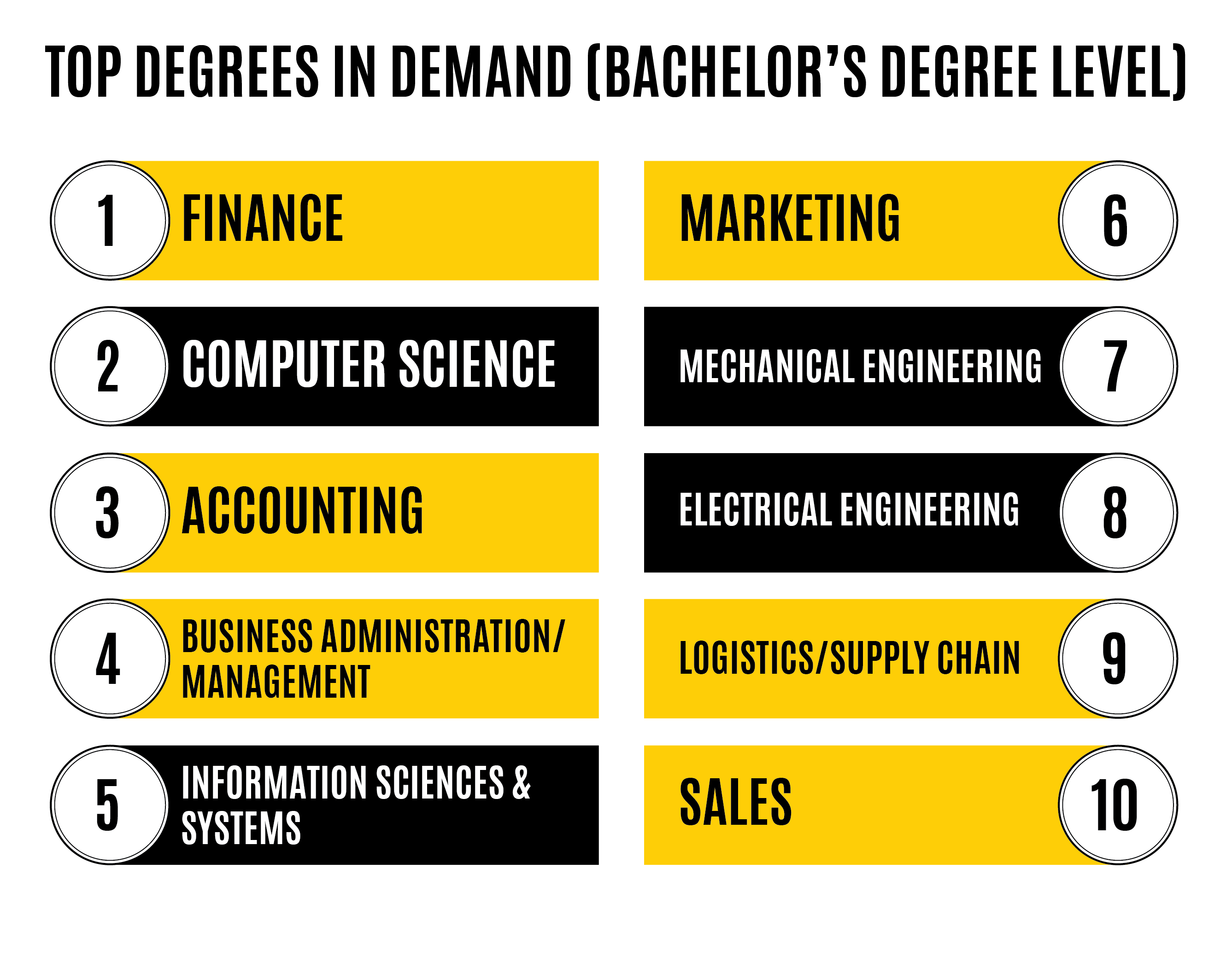
At its core, a business degree is designed to cultivate an understanding of how organizations function, interact with their environments, and create value. It teaches students to analyze problems, make informed decisions, manage resources effectively, and lead teams towards common goals. However, the specific focus and depth of this education vary dramatically depending on the chosen specialization and the academic level, making the landscape of business degrees incredibly rich and diverse.
The Broad Spectrum of Business Degrees
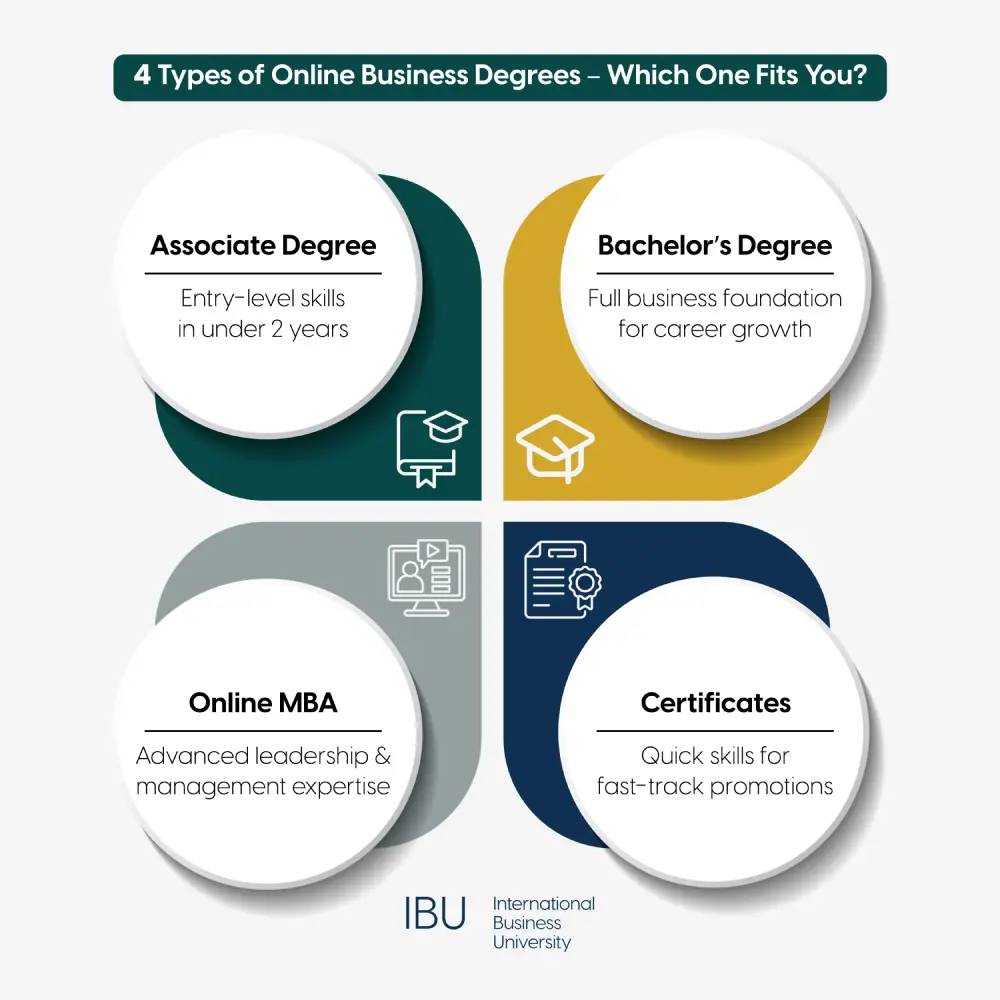
To truly grasp “what a business degree is,” one must first appreciate its broad academic spectrum, ranging from foundational undergraduate programs to highly specialized graduate qualifications. Each level and specialization serves a distinct purpose, preparing graduates for different roles and responsibilities within the business world.
Undergraduate Business Degrees: Building the Foundation
For many, the journey into business education begins with an undergraduate degree. These programs provide a comprehensive overview of core business functions and principles, laying the groundwork for further specialization or immediate entry into entry-level professional roles.
- Bachelor of Business Administration (BBA): This is perhaps the most common and versatile undergraduate business degree. A BBA program offers a broad-based curriculum covering essential areas such as accounting, finance, marketing, management, operations, and economics. It’s designed to give students a holistic understanding of how different business functions interconnect and contribute to an organization’s overall success. Graduates often enter roles in general management, sales, human resources, or as business analysts.
- Bachelor of Science in Business Administration (BSBA): Similar to a BBA, a BSBA often carries a stronger emphasis on quantitative methods, analytics, and a more rigorous, scientific approach to business problems. It might include more advanced coursework in statistics, data modeling, and economic theory, appealing to students interested in roles requiring strong analytical skills, such as financial analysis or business intelligence.
- Bachelor of Arts (BA) in Business/Management: While less common than the BBA or BSBA, some institutions offer a BA with a business focus. These programs typically integrate business studies with a broader liberal arts education, emphasizing critical thinking, communication, and humanities. They might be suitable for students looking to combine business acumen with interests in fields like international relations, communications, or public policy.
Graduate Business Degrees: Specialization and Leadership
For those seeking to advance their careers, change industries, or gain specialized expertise, graduate-level business degrees offer intensive and focused programs.
- Master of Business Administration (MBA): The MBA is arguably the most recognized graduate business degree. It’s a generalist program designed to develop leaders and managers with a comprehensive understanding of all aspects of business. MBA curricula typically cover advanced topics in finance, marketing, strategy, operations, leadership, and often include case studies, consulting projects, and global immersion experiences. MBAs are pursued by professionals looking to move into senior management roles, entrepreneurship, or strategic consulting.
- Master’s in Specialized Business Fields: Beyond the general MBA, numerous master’s degrees offer deep specialization in particular business functions. Examples include:
- Master of Science in Finance (MSF): Focuses intensely on financial theory, investment management, corporate finance, and financial markets.
- Master of Science in Marketing (MSM): Delves into market research, consumer behavior, digital marketing, brand management, and marketing analytics.
- Master of Science in Business Analytics (MSBA): Concentrates on data analysis, statistical modeling, machine learning, and using data to drive business decisions.
- Master of Science in Information Systems (MSIS): Bridges the gap between business and technology, focusing on IT strategy, system analysis, and technology management.
- Master of Human Resources (MHR): Concentrates on talent acquisition, employee relations, compensation and benefits, and organizational development.
Specialized Business Disciplines
Within these degree structures, students can further specialize in a multitude of disciplines, each offering unique insights and career paths. These specializations form the backbone of a modern business education, allowing individuals to tailor their studies to their specific interests and professional aspirations. Some of the most prominent areas include:
- Finance: Deals with money, banking, credit, investments, and assets. Professionals work in corporate finance, investment banking, wealth management, and financial planning.
- Marketing: Focuses on understanding consumer needs, developing products, pricing strategies, promotion, and distribution. It encompasses digital marketing, brand management, market research, and sales.
- Management: Concerned with the planning, organizing, leading, and controlling of an organization’s resources. Specializations include organizational behavior, human resources, project management, and strategic management.
- Accounting: Involves recording, classifying, summarizing, and interpreting financial transactions. Essential for financial reporting, auditing, and tax compliance.
- Operations Management/Supply Chain Management: Focuses on optimizing the production process, managing logistics, inventory, and supply chains to ensure efficiency and cost-effectiveness.
- Entrepreneurship: Teaches the skills and mindset required to start, grow, and manage new businesses, often emphasizing innovation, venture creation, and small business management.
- Business Analytics/Information Systems: Integrates business strategy with technology and data science, focusing on extracting insights from data and managing information technology infrastructure.
Core Components of a Business Education: More Than Just Numbers
While often associated with numbers and spreadsheets, a business degree is fundamentally about understanding complex systems and human behavior. It’s a dynamic field that synthesizes knowledge from economics, psychology, sociology, and even art to create a comprehensive framework for success. The modern business curriculum is meticulously designed to cultivate not just technical proficiency but also strategic thinking, ethical reasoning, and adaptability—skills that are increasingly vital in a rapidly evolving global economy.
Mastering the Language of Money: Finance and Economics
At the heart of any business endeavor lies the concept of value and its financial representation. A business degree rigorously trains students in the principles of finance and economics, providing them with the tools to understand, manage, and grow capital.
- Personal Finance and Investment: While often focused on corporate finance, many business degrees touch upon personal finance, equipping students with essential knowledge about budgeting, saving, and investing for their own futures. Understanding concepts like compound interest, risk assessment, and diversification isn’t just for Wall Street; it’s fundamental to individual financial well-being. This knowledge empowers graduates to leverage side hustles and online income opportunities more effectively, understanding the financial implications and potential returns.
- Corporate Finance and Financial Tools: For organizations, finance is about making strategic decisions regarding capital allocation, fundraising, and risk management. Students learn to analyze financial statements, value companies, manage portfolios, and assess investment opportunities. They become proficient in using various financial tools and software for modeling, forecasting, and reporting, which are crucial for navigating complex markets and ensuring fiscal health. This includes understanding the role of FinTech in revolutionizing traditional banking and investment.
Building and Communicating Value: Marketing and Branding
In a competitive marketplace, simply having a great product or service is not enough; it must be effectively communicated and positioned in the minds of consumers. Marketing and branding are the disciplines that bridge the gap between product and customer, creating desire and loyalty.
- Brand Strategy and Corporate Identity: A business degree delves deep into how brands are built, maintained, and evolved. Students learn to craft compelling brand narratives, define unique selling propositions, and develop robust corporate identities that resonate with target audiences. This includes understanding market research, consumer psychology, and competitive analysis to position a brand effectively.
- Digital Marketing and Reputation Management: In the digital age, marketing has transformed. Business students are trained in digital marketing strategies, including SEO, social media marketing, content marketing, and online advertising. They learn how to leverage digital platforms to reach customers, build communities, and manage online reputation, understanding that a strong online presence is paramount for brand longevity and customer trust. The principles of personal branding are also emphasized, helping graduates articulate their unique value proposition in the job market and build professional networks.
Leading and Innovating: Management and Operations
Beyond numbers and narratives, a business degree imparts the critical skills needed to lead teams, optimize processes, and drive innovation within organizations. Management and operations are about turning strategy into execution, ensuring efficiency and effectiveness.
- Strategic Management and Organizational Behavior: Students learn how to formulate and implement business strategies, align organizational goals with market realities, and manage change. They study organizational behavior to understand group dynamics, motivation, and leadership styles, preparing them to build high-performing teams.
- Productivity and Process Optimization: Operations management teaches students how to design, manage, and improve the processes that produce goods and services. This includes supply chain logistics, quality control, resource allocation, and project management. The goal is to maximize productivity, reduce waste, and deliver value efficiently, directly impacting an organization’s profitability and competitive advantage.
The Modern Business Degree: Adapting to a Digital World
The advent of the digital age has profoundly reshaped the business landscape, making technology not just a tool but an integral component of strategy and operations. A modern business degree must therefore be inherently forward-looking, integrating technological fluency and an understanding of digital transformation into its core curriculum.
Integrating Technology and Data Analytics
The ability to leverage technology and interpret data is no longer an optional skill but a fundamental requirement for business professionals. Modern business degrees place a strong emphasis on these areas.
- AI Tools and Software Proficiency: Business programs now increasingly incorporate training in various software applications and AI tools that drive efficiency and decision-making. This includes enterprise resource planning (ERP) systems, customer relationship management (CRM) software, project management tools, and business intelligence (BI) platforms. Students learn how AI-powered analytics can uncover trends, automate processes, and personalize customer experiences, giving them a competitive edge.
- Data-Driven Decision Making: A key focus is on teaching students how to collect, analyze, and interpret large datasets to inform strategic decisions. This involves coursework in statistics, predictive modeling, machine learning concepts, and data visualization. Graduates emerge with the ability to translate complex data into actionable insights, moving beyond gut feelings to evidence-based strategies.
Digital Security and Ethical Considerations
With the increasing reliance on technology comes the heightened risk of cyber threats and the imperative for ethical data handling. A comprehensive business education now includes an awareness of digital security and the ethical implications of technology.
- Cybersecurity Awareness: While not training cybersecurity specialists, business degrees emphasize the importance of understanding common digital security threats, data privacy regulations (like GDPR or CCPA), and best practices for protecting organizational assets and customer information. This knowledge is crucial for risk management and ensuring business continuity in an interconnected world.
- Ethical AI and Data Governance: As AI tools become more prevalent, business professionals must grapple with the ethical considerations surrounding their use, including bias in algorithms, data privacy, and the societal impact of automation. Modern curricula prepare students to navigate these complex ethical landscapes and implement responsible technology governance.
Entrepreneurship and the Gig Economy
The digital revolution has democratized entrepreneurship, making it easier than ever for individuals to start businesses and pursue online income streams. Business degrees increasingly cater to this entrepreneurial spirit.
- Online Income and Side Hustles: Beyond traditional corporate roles, business degrees provide a strong foundation for launching and managing online businesses or engaging in the gig economy. Students learn about digital marketing strategies, e-commerce platforms, financial management for startups, and legal aspects of launching a venture. This empowers them to identify opportunities for online income, develop viable business models, and execute them effectively.
- Innovation and Business Models: Entrepreneurship programs within business degrees foster an innovation mindset, teaching students how to identify market gaps, develop disruptive business models, and secure funding. They explore how technology can facilitate rapid prototyping, market entry, and global scalability, preparing them to be job creators rather than just job seekers.
Beyond the Classroom: Practical Skills and Future Relevance
A business degree is not merely about accumulating theoretical knowledge; it’s about developing a suite of practical skills that are highly valued in the professional world. The relevance of this education extends far beyond the academic years, serving as a dynamic foundation for lifelong learning and career advancement.
Developing Essential Soft Skills
While technical skills are important, employers consistently rank soft skills as crucial for success. Business programs are designed to cultivate these interpersonal and cognitive abilities.
- Communication and Collaboration: Through presentations, group projects, and case studies, students refine their written and verbal communication skills, learning to articulate ideas clearly and persuasively. They also develop teamwork and collaboration skills, essential for working effectively in diverse organizational settings.
- Critical Thinking and Problem-Solving: Business education challenges students to analyze complex situations, identify underlying problems, and develop innovative solutions. This sharpens their critical thinking abilities, enabling them to navigate ambiguity and make sound judgments under pressure.
- Leadership and Adaptability: Programs often include leadership training, fostering the ability to motivate teams, delegate effectively, and inspire others. Moreover, the dynamic nature of business studies instills a sense of adaptability, preparing graduates to embrace change and continuously learn new skills in an ever-evolving market.
Career Paths and Personal Branding
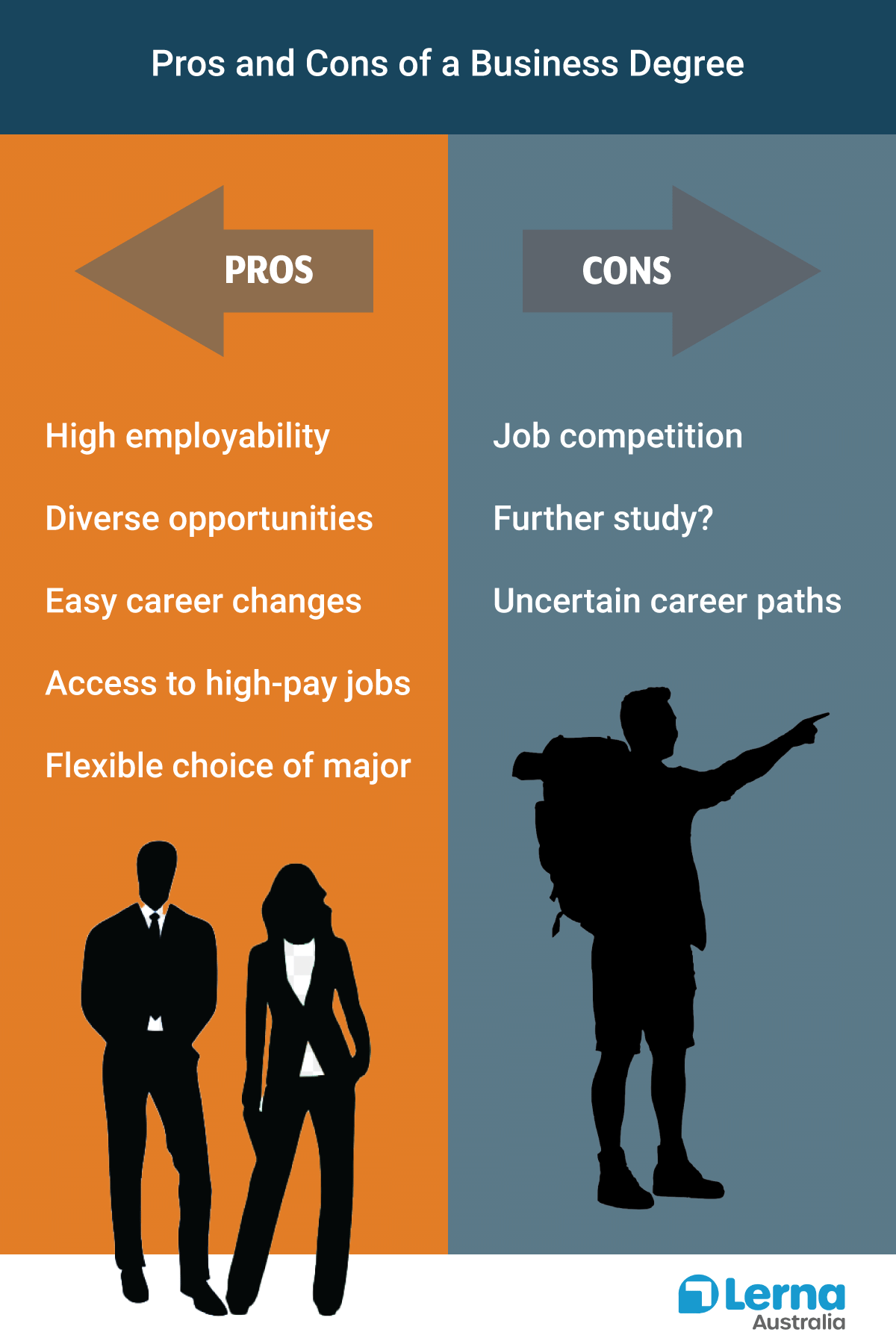
A business degree opens doors to an incredibly diverse range of career paths across virtually every industry, from finance and marketing to tech and non-profits. The skills acquired are highly transferable, allowing graduates to pivot and adapt throughout their careers.
- Diverse Career Opportunities: Whether it’s becoming a financial analyst on Wall Street, a marketing manager for a global brand, a human resources specialist at a tech giant, or launching one’s own startup, a business degree provides the foundational knowledge for a multitude of roles. The generalist nature of a BBA or MBA, coupled with specialized master’s degrees, allows for immense flexibility in career choice.
- Importance of Personal Branding: In a competitive job market, understanding and cultivating one’s personal brand is as crucial as understanding corporate identity. Business degrees often incorporate elements of personal branding, teaching students how to craft a compelling professional narrative, leverage networking, and effectively market their skills and experiences to potential employers or clients. This includes utilizing digital platforms like LinkedIn for professional presence and thought leadership.
Continuous Learning in a Dynamic Landscape
The business world is in constant flux, driven by technological innovation, shifting consumer behaviors, and global economic forces. A business degree instills the importance of continuous learning and professional development. Graduates are equipped with the analytical frameworks to understand emerging trends in technology, such as new AI applications or cybersecurity threats, and to adapt brand strategies to evolving digital platforms. They learn to stay abreast of financial regulations, investment opportunities, and new online income models. This commitment to lifelong learning ensures that the value of a business degree extends far beyond graduation, empowering individuals to remain relevant, adaptable, and successful throughout their professional lives.
In conclusion, “what degree is a business degree” is not a question with a single answer but rather an invitation to explore a rich tapestry of academic programs and specialized fields. From foundational undergraduate degrees to advanced graduate qualifications, business education provides a robust framework for understanding and operating in the commercial world. It’s an education that transcends mere technical skills, fostering critical thinking, ethical leadership, and a deep appreciation for the interplay of money, brand, and technology in driving organizational success. By integrating core principles with modern necessities like data analytics, digital security, and an entrepreneurial mindset, a business degree prepares individuals not just for jobs, but for dynamic and impactful careers in the global economy.
aViewFromTheCave is a participant in the Amazon Services LLC Associates Program, an affiliate advertising program designed to provide a means for sites to earn advertising fees by advertising and linking to Amazon.com. Amazon, the Amazon logo, AmazonSupply, and the AmazonSupply logo are trademarks of Amazon.com, Inc. or its affiliates. As an Amazon Associate we earn affiliate commissions from qualifying purchases.