
In the relentless march of technological progress, we often marvel at the pace of innovation, the dazzling array of new tools, and the ever-expanding capabilities of our digital world. Yet, amidst this whirlwind of creation, a fundamental question emerges, echoing a query from the biological sciences but profoundly relevant to technology: What defines a species? Not of flora or fauna, but of artificial intelligence, software applications, hardware generations, or even business models within the digital realm. What are the core characteristics that delineate one significant technological advancement from another, granting it a distinct identity, evolutionary path, and ultimate purpose?
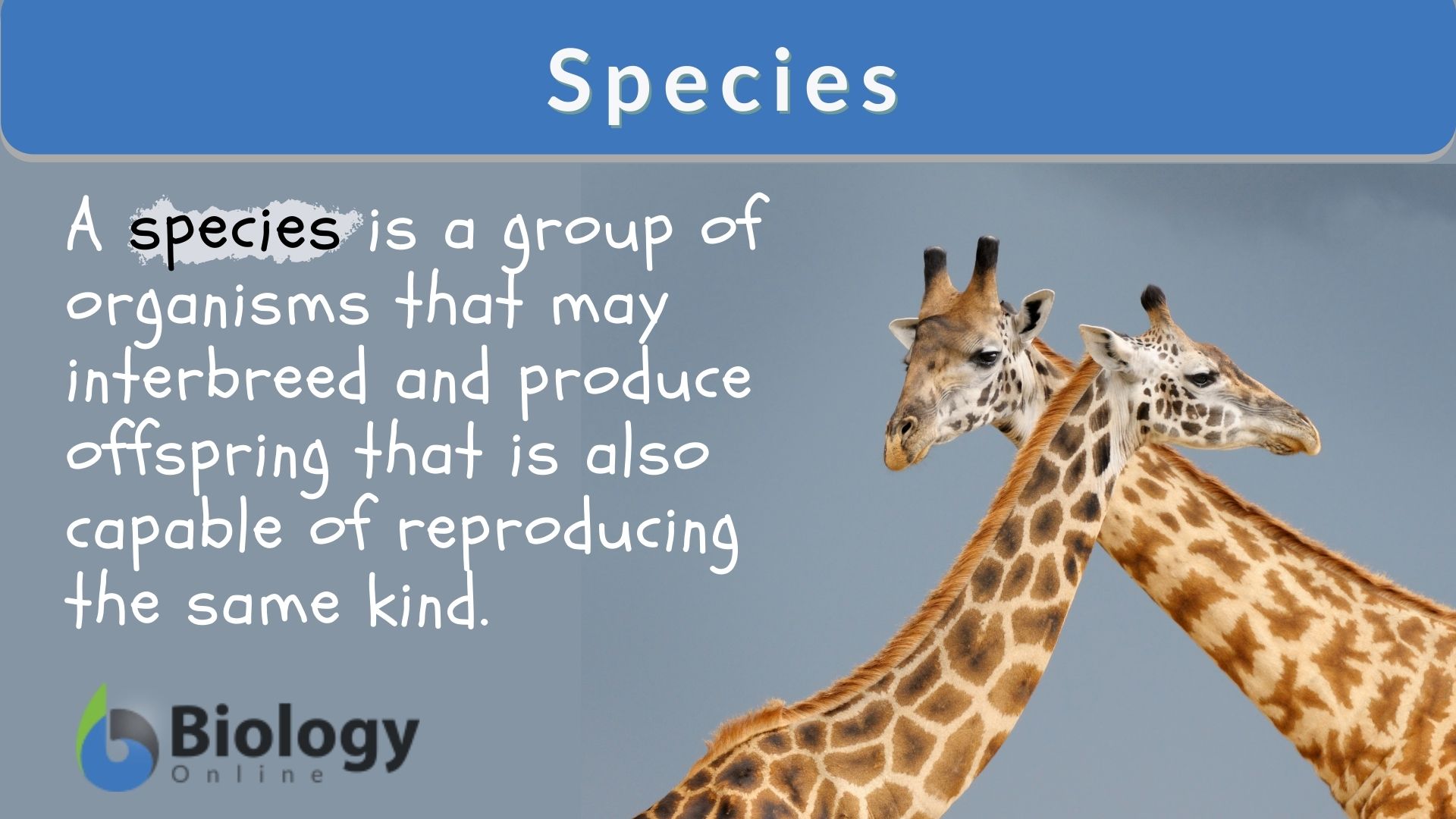
This isn’t merely an academic exercise in taxonomy; understanding what defines a technological “species” provides a critical framework for identifying emerging trends, predicting future developments, and making strategic decisions in an ecosystem often characterized by rapid mutation and intense competition. It allows us to move beyond superficial feature lists and delve into the fundamental architecture, operational principles, and adaptive capacities that truly distinguish one innovation from its peers or predecessors.
The Digital Ecosystem’s Taxonomy: Classifying Tech “Species”
Just as biologists classify organisms into kingdoms, phyla, and species, the technology landscape demands a structured approach to understand its diverse inhabitants. A technological “species” isn’t merely a new product; it represents a distinct class of solution, a novel approach to a problem, or a fundamental shift in capability. Identifying these species requires looking beyond surface-level features to grasp their core design principles, operational paradigms, and the problems they intrinsically address.
Core Genetic Code: Architectural Principles
At the heart of any technological species lies its “genetic code” – its fundamental architectural principles. For software, this might be its underlying algorithm, programming paradigm (e.g., object-oriented vs. functional), or its distributed nature. For hardware, it’s the chip architecture (RISC vs. CISC), processing methodology (CPU vs. GPU vs. NPU), or the underlying material science. This core design dictates a species’ inherent strengths, limitations, and potential for evolution. For instance, cloud-native applications represent a distinct species from monolithic on-premise software due to their distributed, scalable, and resilient architecture, fundamentally altering how they are built, deployed, and managed. Similarly, a quantum computer, with its reliance on superposition and entanglement, is an entirely different species from classical binary computers, not just a faster version.
Niche Adaptation: Problem-Solving Domains
Another defining characteristic is the specific “niche” a technological species occupies – the particular set of problems it is uniquely designed to solve. A spreadsheet application (e.g., Excel) occupies a niche focused on tabular data manipulation and calculation, while a sophisticated Customer Relationship Management (CRM) system (e.g., Salesforce) is a species designed for managing customer interactions and sales pipelines. Both are software, but their problem domains and operational models are vastly different. When AI emerged, initial species focused on narrow tasks like image recognition or natural language processing. Now, we see the emergence of generative AI, a new species adept at creating original content, occupying a different niche from analytical AI, which focuses on pattern detection and prediction. Understanding these niches helps in appreciating the unique value proposition and the boundaries of each species.
Reproductive Strategies: Deployment and Scalability
How a technological species “reproduces” and disseminates itself is also a defining trait. Some species thrive through open-source collaboration, spreading virally and adapting through community contributions. Others are proprietary, requiring licensed deployment and controlled updates. The shift from software installed on individual machines to Software-as-a-Service (SaaS) delivered via the cloud marked a significant evolutionary leap, defining a new species based on its deployment model, scalability, and subscription-based revenue. Edge computing devices, designed for localized processing and minimal latency, represent a species with a distinct “reproductive strategy” compared to centralized cloud data centers, optimizing for different environmental conditions and access requirements.
Evolutionary Pressures: How New Tech Species Emerge
The emergence of new technological species is not random; it’s a direct response to a complex interplay of evolutionary pressures. These forces, much like natural selection, drive innovation, favor certain traits, and push the boundaries of what’s possible, leading to the birth of entirely new classes of digital entities.
Environmental Shifts: Market Demands and Societal Needs
The most potent evolutionary pressure comes from changes in the “environment” – shifting market demands, evolving user expectations, and pressing societal needs. The rise of mobile computing, driven by a desire for ubiquitous access and convenience, birthed an entirely new species of applications optimized for small screens, touch interfaces, and intermittent connectivity. Similarly, the growing concern over data privacy and security has spurred the development of privacy-enhancing technologies (PETs), a species focused on protecting sensitive information through methods like homomorphic encryption or differential privacy. Global pandemics accelerated the evolution of remote collaboration tools and telehealth platforms, forcing rapid adaptation and the emergence of more robust, user-friendly versions of existing species, or even entirely new ones with specialized features.
Resource Availability: Computational Power and Data
The availability of critical resources acts as a powerful catalyst for new species. The exponential growth in computational power (Moore’s Law) and the explosion of data (Big Data) have been fundamental drivers for the current AI renaissance. Without massive datasets to train on and sufficient processing power to crunch them, sophisticated machine learning models simply could not exist. This abundance of resources allowed species like deep neural networks and large language models (LLMs) to emerge and flourish, previously only theoretical concepts. Cloud computing, by democratizing access to vast computational resources, has lowered the barrier to entry for countless startups, fostering an explosion of diverse software species that leverage scalable infrastructure.
Predation and Competition: The Race for Supremacy
In the tech jungle, “predation” and competition are fierce. The emergence of a superior solution often threatens the existence of older, less efficient species. This pressure drives continuous innovation and adaptation. A groundbreaking startup introducing a more efficient algorithm or a more intuitive user experience can quickly challenge established players. This intense competition compels companies to constantly evolve their offerings, leading to incremental improvements within existing species or the deliberate creation of entirely new ones to gain a competitive edge. The constant race for better performance, lower cost, and enhanced user experience fuels a relentless cycle of innovation, where only the fittest, most adaptable species survive and thrive.
Adaptation and Niche: Survival Strategies for Digital Species

Once a new technological species emerges, its survival hinges on its ability to adapt and carve out a distinct niche within the crowded digital ecosystem. Adaptation isn’t just about evolving; it’s about specializing, forming symbiotic relationships, and sometimes, even mimicking other successful species.
Specialization and Feature Set Diversification
Successful tech species often thrive by specializing and developing unique feature sets that cater to specific user segments or problem variations. While general-purpose operating systems like Windows or macOS serve broad audiences, specialized OS species for embedded systems (e.g., RTOS for IoT devices) or gaming consoles represent deep adaptations to specific functional requirements and performance demands. A generic database management system might adapt by offering specialized features for graph databases, time-series data, or in-memory processing, thus creating distinct sub-species optimized for particular data structures or analytical needs. This diversification allows different species to coexist by not directly competing for the same exact set of resources or users.
Symbiotic Relationships and Ecosystem Integration
Few technological species exist in isolation. Many thrive by forming symbiotic relationships with other species, integrating into broader ecosystems to enhance their functionality and reach. An API (Application Programming Interface) is the biological equivalent of a symbiotic relationship, allowing different software species to communicate and exchange data, forming complex interoperable networks. A mobile app (one species) might leverage cloud storage (another species), authentication services (a third species), and payment gateways (yet another species) to deliver a comprehensive user experience. This ability to integrate seamlessly with other tools and platforms becomes a critical survival trait, enabling a species to gain strength and relevance far beyond its individual capabilities. The rise of platform ecosystems, where a core technology enables a multitude of complementary applications and services, exemplifies this symbiotic evolution, with each component contributing to the overall vitality of the collective.
Mimicry and Convergent Evolution
Sometimes, technological species evolve similar traits independently, a phenomenon known as convergent evolution. For example, many different messaging apps (WhatsApp, Telegram, Signal) have independently developed features like end-to-end encryption, group chats, and multimedia sharing, because these features are essential for success in that particular niche. Similarly, the drive towards user-friendly interfaces has led to similar design patterns and interaction models across vastly different applications and platforms. This “mimicry” isn’t about direct copying but rather a natural convergence towards optimal solutions for common challenges. It indicates a powerful evolutionary pressure shaping multiple species towards similar, effective forms. Conversely, some species adopt “mimicry” to present familiar interfaces or functionalities, easing user adoption while innovating under the hood, effectively blending into an existing landscape while introducing novel capabilities.
Hybridization and Convergent Evolution: The Blurring Lines
The digital world is not static; it’s a dynamic melting pot where distinct technological species frequently interbreed, merge, and independently develop similar traits. This hybridization and convergent evolution lead to increasingly complex and powerful composite entities, blurring the lines of traditional classification and giving rise to entirely new forms of innovation.
The Rise of Hybrid Species: Blending Technologies
Hybridization occurs when distinct technological species merge to form a new, more robust entity that inherits capabilities from its parent forms. Consider the convergence of hardware and software in the IoT (Internet of Things) space. A smart home device is no longer just a piece of hardware; it’s a hybrid species incorporating embedded software, cloud connectivity, and AI algorithms for sensing and decision-making. Similarly, the integration of AI capabilities directly into traditional software applications (e.g., AI-powered analytics in business intelligence tools, generative AI in content creation platforms) creates hybrid species that are neither pure AI nor pure traditional software, but a potent blend of both. These hybrids often possess a unique adaptive advantage, capable of addressing multi-faceted problems that single-species solutions could not.
Convergent Evolution: Independent Paths to Similar Solutions
Convergent evolution, as seen in biology, also manifests profoundly in technology. Different companies or research groups, often working independently, arrive at strikingly similar solutions to common problems due to shared environmental pressures and underlying technological constraints. For example, multiple cloud providers (AWS, Azure, GCP) have independently developed analogous services for serverless computing, container orchestration, and machine learning platforms. While their implementations may differ in detail, the core functionalities and architectural patterns converge because these solutions represent optimal adaptations to the demands of scalable, resilient, and cost-effective cloud infrastructure. This phenomenon highlights fundamental principles at play, driving diverse species towards similar advantageous forms. Another example is the independent development of various blockchain technologies, all aiming for decentralized ledger systems but with distinct consensus mechanisms and network architectures.
Extinction and Legacy: The Lifecycle of Tech Species
Even the most dominant technological species are not immortal. The digital realm is a graveyard of once-promising innovations that failed to adapt, were outcompeted, or simply became obsolete. Understanding the factors leading to “extinction” and the lasting “legacy” of these species provides invaluable lessons for future development.
Factors Leading to Extinction: Obsolescence and Inflexibility
Technological extinction often results from a combination of factors. Obsolescence is a primary killer: newer, more efficient, or more user-friendly species emerge, making older ones redundant. Think of dial-up internet, floppy disks, or even older programming languages that struggle to keep up with modern paradigms. Another major factor is inflexibility. Species designed with rigid architectures or proprietary lock-ins often struggle to adapt to changing standards, integrate with new ecosystems, or pivot to novel use cases. The inability to evolve, embrace new paradigms, or secure an ongoing niche seals their fate. Poor product-market fit, security vulnerabilities that cannot be adequately patched, or the failure to attract a community of developers or users can also lead to a rapid decline.

Lasting Legacy: Innovation and Foundational Impact
Even in extinction, many technological species leave a profound “legacy.” Their contributions, insights, and even their failures often become foundational knowledge upon which new species are built. The concepts of object-oriented programming, pioneered by Simula and Smalltalk, continue to influence modern languages even if those original languages are less prevalent. Early search engines, though primitive by today’s standards, laid the groundwork for the complex algorithms that power Google. The lessons learned from the rise and fall of particular hardware architectures or software platforms inform the design choices of their successors. In many cases, technologies are not truly extinct but rather absorbed and integrated into newer, more complex forms, existing as a foundational component rather than a standalone species. This continuous cycle of birth, adaptation, and eventual integration or obsolescence underscores the dynamic and ever-evolving nature of the digital world.
Understanding what defines a technological “species” is more than an abstract exercise; it’s a critical lens through which to perceive, analyze, and strategically navigate the digital age. By recognizing their distinct characteristics, evolutionary paths, and survival mechanisms, we gain deeper insights into the forces shaping our technological future, allowing us to better anticipate the next great innovation and understand the fate of those that came before.
aViewFromTheCave is a participant in the Amazon Services LLC Associates Program, an affiliate advertising program designed to provide a means for sites to earn advertising fees by advertising and linking to Amazon.com. Amazon, the Amazon logo, AmazonSupply, and the AmazonSupply logo are trademarks of Amazon.com, Inc. or its affiliates. As an Amazon Associate we earn affiliate commissions from qualifying purchases.