
For anyone who dreams of exploring new horizons without draining their bank account, the question of when to book flights and, more specifically, what days are cheapest to fly, is paramount. In the realm of personal finance and savvy travel planning, understanding airline pricing strategies can translate into significant savings. While there’s no magic bullet that guarantees the absolute lowest fare every single time, a wealth of data and industry insights point towards predictable patterns that can empower travelers to make more financially astute decisions. This article delves into the intricacies of flight pricing, identifies the most wallet-friendly days for travel, and offers comprehensive strategies to maximize your savings on airfare, ensuring your travel budget stretches further.
The Science Behind Flight Pricing: Why Day Matters
Airline tickets are a prime example of dynamic pricing in action, a sophisticated economic model where prices fluctuate continuously based on real-time market demand, supply, competition, and a myriad of other variables. This isn’t just arbitrary; it’s a carefully orchestrated system designed to maximize airline revenue. For the financially conscious traveler, grasping this underlying “science” is the first step towards unlocking cheaper flights. Airlines don’t just set a price and stick to it; they constantly adjust fares, often multiple times a day, to fill seats at the highest possible price point.
Understanding Airline Revenue Management
At the heart of flight pricing is a discipline known as revenue management. Airlines employ complex algorithms and data analytics to predict passenger demand for specific routes, dates, and even times of day. These systems analyze historical booking data, current booking trends, competitor pricing, seasonal demand, and even external factors like holidays or major events. Based on these predictions, they allocate seats into various fare classes, each with its own price. As demand for a particular flight increases, or as the departure date approaches, the cheaper fare classes sell out, and the system automatically moves to higher-priced classes, making the remaining tickets more expensive. This continuous optimization is why a seat on the same plane can cost vastly different amounts depending on when it was purchased and for what specific travel day. For instance, a flight that is largely empty might see prices drop in the hopes of filling seats, while a nearly full flight will command premium prices for the last remaining tickets. This relentless pursuit of optimal revenue means that the traveler who understands these mechanics can often position themselves to capitalize on less popular times or days.
The Impact of Business vs. Leisure Travel
A significant factor influencing flight prices on different days of the week is the distinction between business and leisure travelers. Business travelers typically fly during the work week, often departing on Mondays and returning on Thursdays or Fridays. Their travel plans are frequently non-negotiable, driven by corporate schedules, and are often booked closer to the departure date. This segment is generally less price-sensitive because companies bear the cost, leading airlines to price these peak business travel days (especially early and late in the work week) at a premium.
Leisure travelers, on the other hand, often prefer to fly over weekends, departing on a Friday and returning on a Sunday, maximizing their time off from work. While leisure travelers are highly price-sensitive, the sheer volume of demand for weekend travel, particularly on Sundays, drives prices up for these days. Airlines recognize these distinct travel patterns and adjust their pricing strategies accordingly, creating clear peaks and troughs in demand that directly correlate with the days of the week. Therefore, days that are less popular for both business and leisure travel tend to offer more attractive pricing, providing a direct avenue for financial savings for the savvy traveler.
Unveiling the Cheapest Days to Depart and Return
The core question for budget-conscious travelers revolves around identifying the specific days of the week that consistently offer lower airfares. While there can always be exceptions, historical data and airline pricing strategies reveal a consistent pattern, largely dictated by the demand dynamics discussed above. Pinpointing these “golden days” is crucial for maximizing your travel budget.
The Golden Days: Tuesday, Wednesday, and Saturday
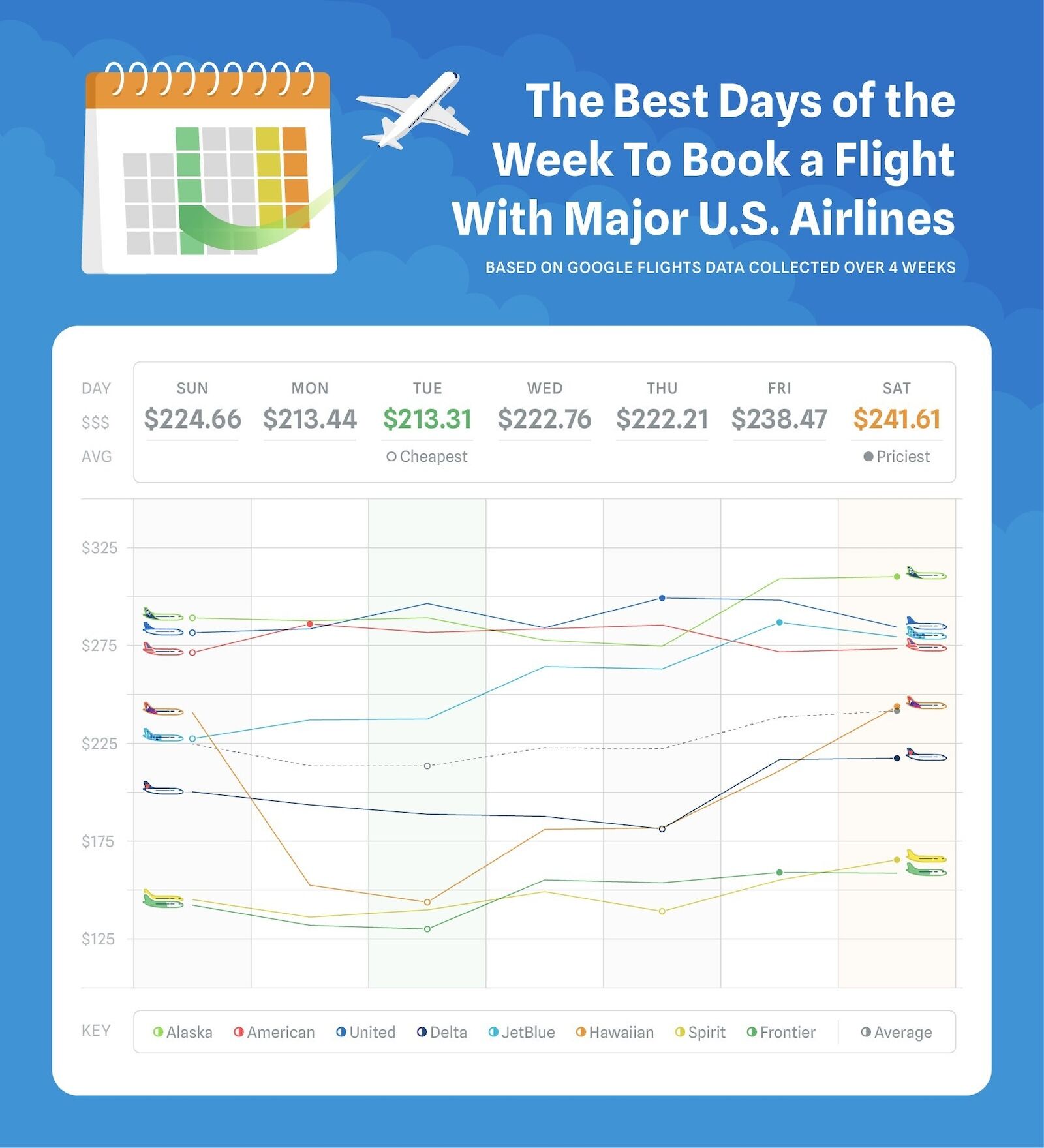
When it comes to securing the cheapest flights, Tuesday often emerges as the front-runner. The rationale is multifaceted: by Tuesday morning, the Monday rush of business travelers has subsided, and leisure travelers haven’t yet begun their weekend trips. Airlines, having assessed the demand for the preceding weekend and early week, often release new deals or adjust prices downwards on Tuesdays to stimulate bookings. They may also match competitors’ price drops, making it an ideal day for price hunting.
Wednesday closely follows Tuesday as a generally inexpensive day to fly. Sitting squarely in the middle of the week, it avoids the high demand of weekend departures and returns, as well as the initial business travel surge. Flights on Wednesdays typically see lower passenger volumes, giving airlines less leverage to charge premium prices.
Saturday can be a surprisingly affordable day for both departure and return, especially compared to Sunday. While it’s part of the weekend, it often falls outside the typical “return home” pattern for most leisure travelers, who prefer to maximize their weekend by returning on Sunday. Business travelers are also largely absent on Saturdays. This dip in demand makes Saturday an excellent option for travelers with flexible itineraries, particularly those planning one-week trips that start and end on a Saturday. Opting for a Saturday departure or return can often shave a noticeable amount off the total ticket price.
Days to Approach with Caution: Friday and Sunday
Conversely, Friday and Sunday are almost universally the most expensive days to fly. Fridays mark the beginning of weekend leisure travel for many, leading to a significant spike in demand. Business travelers also often fly home on Fridays, adding to the congestion and driving prices sky-high. Airlines capitalize on this predictable surge in traffic by pricing Friday flights at a premium.
Sunday holds the unfortunate distinction of being the most consistently expensive day to fly. It is the peak return day for leisure travelers completing their weekend getaways or longer trips. The overwhelming demand from passengers eager to get home before the start of the work week allows airlines to command top dollar. Booking flights that either depart or return on a Sunday will almost certainly result in a higher fare, making it a day to avoid if financial savings are a priority.
Monday: A Mixed Bag
Monday presents a more nuanced pricing scenario. Early morning flights on Monday are typically very expensive due to the high volume of business travelers commuting for the work week. However, as the day progresses, and into the late afternoon or evening, prices can sometimes drop slightly compared to peak morning times, though rarely to the levels seen mid-week. For those with flexibility, flying later on a Monday might be slightly more economical than flying first thing, but it still generally remains more expensive than Tuesday or Wednesday.
Beyond the Day of the Week: Holistic Flight Savings Strategies
While understanding the cheapest days to fly is a powerful financial tool, it’s merely one piece of a larger puzzle. A truly comprehensive approach to saving money on airfare involves adopting a holistic strategy that incorporates timing, flexibility, technology, and an awareness of external factors. Integrating these additional techniques with your knowledge of daily pricing patterns will maximize your potential for significant savings.
The Best Time to Book

Just as the day of travel matters, so too does the day you actually book your flight. Conventional wisdom, supported by data, suggests a “sweet spot” for purchasing tickets. For domestic flights, this often falls between 1 to 3 months out from your departure date. For international travel, the window expands to 2 to 8 months in advance. Booking too early (e.g., more than six months out for domestic) might mean missing out on future sales or price drops as airlines adjust their schedules and fare buckets. Conversely, booking last-minute (within 2-3 weeks of departure) is almost always a costly mistake, as airlines assume these are urgent, non-negotiable trips and price them accordingly. The goal is to hit that optimal window where airlines are balancing the desire to fill seats with the potential for higher last-minute fares.
Flexibility is Your Financial Friend
In the world of flight savings, flexibility is perhaps the most powerful financial asset a traveler can possess. Being able to adjust your travel dates by even a single day can result in hundreds of dollars in savings. If your schedule permits, always check prices for a day or two before and after your ideal travel dates. This simple act of comparison shopping across adjacent days often reveals significantly cheaper options, particularly for departing or returning on a Tuesday, Wednesday, or Saturday instead of a Friday or Sunday.
Furthermore, flexibility can extend to your choice of airports. If there’s another major airport within a reasonable driving distance, compare fares. Flying into or out of a smaller, less congested airport or a secondary hub can sometimes yield lower prices, even when factoring in ground transportation costs. Lastly, consider the time of day you fly. Red-eye flights (late-night departures) or very early morning flights often have lower demand and thus lower prices, though they might require a bit more stamina.
Leveraging Technology and Tools
In the digital age, a plethora of online tools exists to aid in the quest for cheap flights.
- Flight Comparison Websites: Platforms like Google Flights, Skyscanner, Kayak, and Expedia allow you to compare prices across multiple airlines and online travel agencies simultaneously. They often have features like flexible date searches (“explore destinations” or “cheapest month”) that can highlight unexpected deals.
- Price Alerts and Tracking: Many of these sites offer price alert services. Once you’ve identified a desired route, set up an alert to be notified via email when the price drops. This eliminates the need for constant manual checking and ensures you can act quickly when a good deal emerges.
- Incognito Mode/Clearing Cookies: While the impact is often debated, some travelers believe that clearing browser cookies or searching in incognito mode can prevent airlines or booking sites from “remembering” your searches and potentially displaying higher prices. While airlines deny this direct manipulation, it costs nothing to try and may offer peace of mind.
- VPNs: For highly specific international routes, changing your virtual location via a VPN to a country where the currency is weaker or where the airline has its base can occasionally show different pricing, though this is less common for standard flight searches.
The Impact of Seasonality and Events
Beyond the day of the week, the time of year and any major events significantly influence flight prices. Avoiding peak travel seasons – such as summer holidays, Christmas, New Year’s, Easter, or major sporting events and festivals – is a fundamental financial strategy. Airlines know demand will be sky-high during these periods and price accordingly.
Instead, target “shoulder seasons” – the periods just before or after peak season. For example, late spring or early autumn in many regions offers pleasant weather, fewer crowds, and noticeably cheaper flights and accommodation than the summer months. Being aware of local holidays or school breaks at your destination can also help you sidestep unexpected price surges. Planning your travel around these less popular but equally enjoyable times is a classic example of smart budgeting.
Common Misconceptions and Advanced Tips
Navigating the complexities of airline pricing means dispelling myths and embracing more sophisticated strategies. While the general rules about cheapest days hold true, there are nuances and advanced tactics that can further enhance your savings. Understanding these can prevent costly errors and open new avenues for economical travel.
The “Tuesday at 3 PM” Myth Debunked (and its grain of truth)
One of the most enduring myths in flight booking lore is the specificity of “Tuesday at 3 PM” (or a similar precise time) as the cheapest moment to book. While Tuesday is consistently one of the best days to find deals, the exact hour is largely an urban legend. Airlines constantly adjust prices, and while they might release new fare buckets or match competitors’ prices more frequently on a Tuesday (due to lower demand and ongoing revenue management cycles), there’s no fixed hour that guarantees the lowest fare.
The “grain of truth” lies in the general principle: on days with lower demand, airlines have a greater incentive to offer competitive pricing. So, while you don’t need to hover over your refresh button at a precise minute on Tuesday, actively searching and comparing fares throughout Tuesday and Wednesday is a sound financial practice. Focus on the day, not the minute.
Connecting Flights vs. Direct Flights
For many travelers, the allure of a direct flight is strong – convenience, speed, and less chance of delays. However, direct flights almost invariably come with a higher price tag. Connecting flights are often significantly cheaper, sometimes saving hundreds of dollars, especially on international routes. This is because direct flights cater to those willing to pay a premium for convenience, while connecting flights utilize less popular routes or less desirable times.
When considering connecting flights, a financial evaluation is key. Weigh the monetary savings against the added travel time, potential layover stress, and increased risk of missed connections (though airlines are typically responsible for re-routing in such cases). For budget travelers, particularly those without strict time constraints, opting for a connection can be a very effective way to cut down on airfare costs, freeing up money for experiences at your destination.
Consider Budget Airlines (with caveats)
Budget airlines (or low-cost carriers) have revolutionized travel by offering incredibly low base fares. Companies like Ryanair, EasyJet, Spirit, Frontier, and Allegiant often provide the cheapest way to get from point A to point B. However, the financial benefit of budget airlines comes with crucial caveats that budget-conscious travelers must understand. Their low base fares often do not include “extras” that are standard on full-service carriers. These can include:
- Baggage fees: Both checked and carry-on bags often incur significant additional costs.
- Seat selection: Want to pick your seat? That’s extra.
- In-flight amenities: Food, drinks, and entertainment are rarely complimentary.
- Printing boarding passes: Some budget airlines charge if you don’t check-in online and print your own.
Before booking, meticulously calculate the true cost of a budget airline ticket by adding up all potential fees. Sometimes, after factoring in all the “extras,” a full-service carrier’s ticket might end up being comparable or even cheaper, while offering a more comfortable experience. Budget airlines are a fantastic financial choice when you can travel light, are flexible with seating, and don’t require in-flight amenities.

Loyalty Programs and Credit Card Rewards
For frequent travelers, leveraging loyalty programs and travel credit card rewards can be a game-changer for flight savings.
- Airline Loyalty Programs: Joining an airline’s frequent flyer program is free and allows you to accrue miles or points with every flight. These points can then be redeemed for free flights, upgrades, or discounts. Even if you don’t fly one airline exclusively, consolidating your travel where possible can accelerate your earning.
- Travel Credit Cards: Many credit cards offer substantial sign-up bonuses in points or miles, ongoing rewards for travel-related spending, and perks like free checked bags, lounge access, or priority boarding. Used strategically, these cards can significantly offset flight costs or even cover entire trips. However, this strategy requires responsible financial management to avoid interest charges that would negate any travel benefits.
By combining the knowledge of optimal travel days with these advanced financial strategies, travelers can transform the seemingly complex task of booking flights into an art form of savvy saving.
In conclusion, while the allure of spontaneous travel is strong, a financially prudent approach to booking flights requires a strategic mindset. The consistent data points to Tuesday, Wednesday, and Saturday as the champions of affordability for departures and returns, largely due to lower demand from both business and leisure travelers. Conversely, Friday and Sunday should generally be avoided if cost-saving is your primary objective. Beyond the specific day, remember that flexibility in your travel dates and airports, booking within the optimal window (1-3 months domestic, 2-8 months international), and leveraging technology for price tracking are equally vital. By integrating these insights into your travel planning, you empower yourself to make smarter financial decisions, ensuring your next adventure is not only memorable but also remarkably light on your wallet. Embrace these strategies, and embark on your next journey with confidence and extra cash in your pocket.
aViewFromTheCave is a participant in the Amazon Services LLC Associates Program, an affiliate advertising program designed to provide a means for sites to earn advertising fees by advertising and linking to Amazon.com. Amazon, the Amazon logo, AmazonSupply, and the AmazonSupply logo are trademarks of Amazon.com, Inc. or its affiliates. As an Amazon Associate we earn affiliate commissions from qualifying purchases.