
Understanding the operating schedule of stock exchanges is a fundamental piece of knowledge for any investor, from the novice to the seasoned professional. While the idea of markets being open five days a week, Monday through Friday, is a generally accepted norm, the reality is punctuated by a series of planned closures and occasional unforeseen interruptions. These closures, primarily in observance of national holidays, are critical for traders to factor into their investment strategies, impacting everything from trade execution to settlement cycles and market liquidity.
Understanding Market Holidays: A Global Perspective
Stock exchanges, much like banks and other financial institutions, observe a specific calendar of holidays when they remain closed for trading. These closures are not arbitrary; they are deeply rooted in historical, cultural, and operational necessities.
Why Do Exchanges Close?
The primary reasons for stock exchange closures revolve around several key factors:
- National and Federal Holidays: The most common reason for closures is the observance of national holidays, which are typically also bank holidays. These days commemorate significant historical events, religious observances, or national celebrations, providing a uniform day off for a large portion of the workforce, including those in the financial sector.
- Operational Necessity: While technology has automated much of trading, critical back-office operations, settlement processes, and regulatory oversight still involve human input. Closing on holidays allows for essential maintenance, system upgrades, and provides a break for the vast network of professionals who support the markets.
- Regulatory Compliance: Financial market regulations often align with broader economic and banking schedules, necessitating closures on days when core financial infrastructure is also dormant.
- Historical Precedent: Many market holidays have been observed for decades, becoming entrenched traditions within the financial community.
Major Market Jurisdictions
While this article will primarily focus on the US stock market, it’s important to recognize that every major global market—be it the London Stock Exchange, the Tokyo Stock Exchange, the Euronext exchanges, or others—has its own unique set of closure dates. These can sometimes overlap (like Christmas Day) but often reflect local national holidays, meaning a market could be open when another major market is closed, creating interesting dynamics for international investors and global portfolio managers.
A Deep Dive into US Stock Market Closures
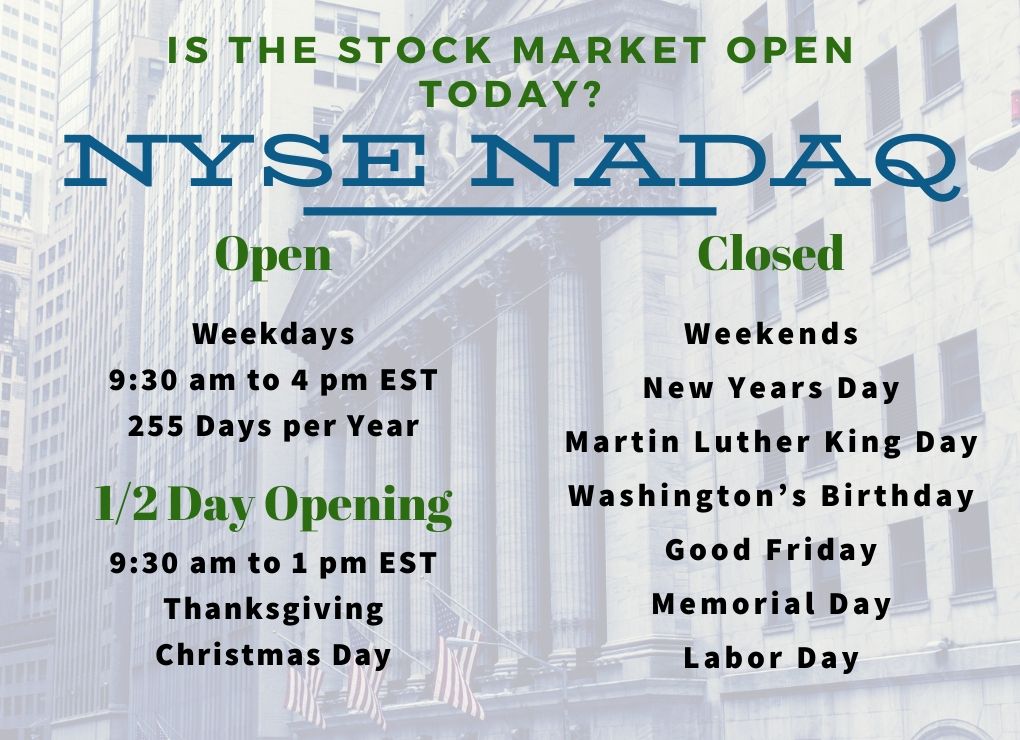
The New York Stock Exchange (NYSE) and NASDAQ, the two largest stock exchanges in the United States, typically observe the same set of federal holidays. These closures apply to regular trading hours, though pre-market and after-hours trading can sometimes be affected differently or may cease operations sooner.
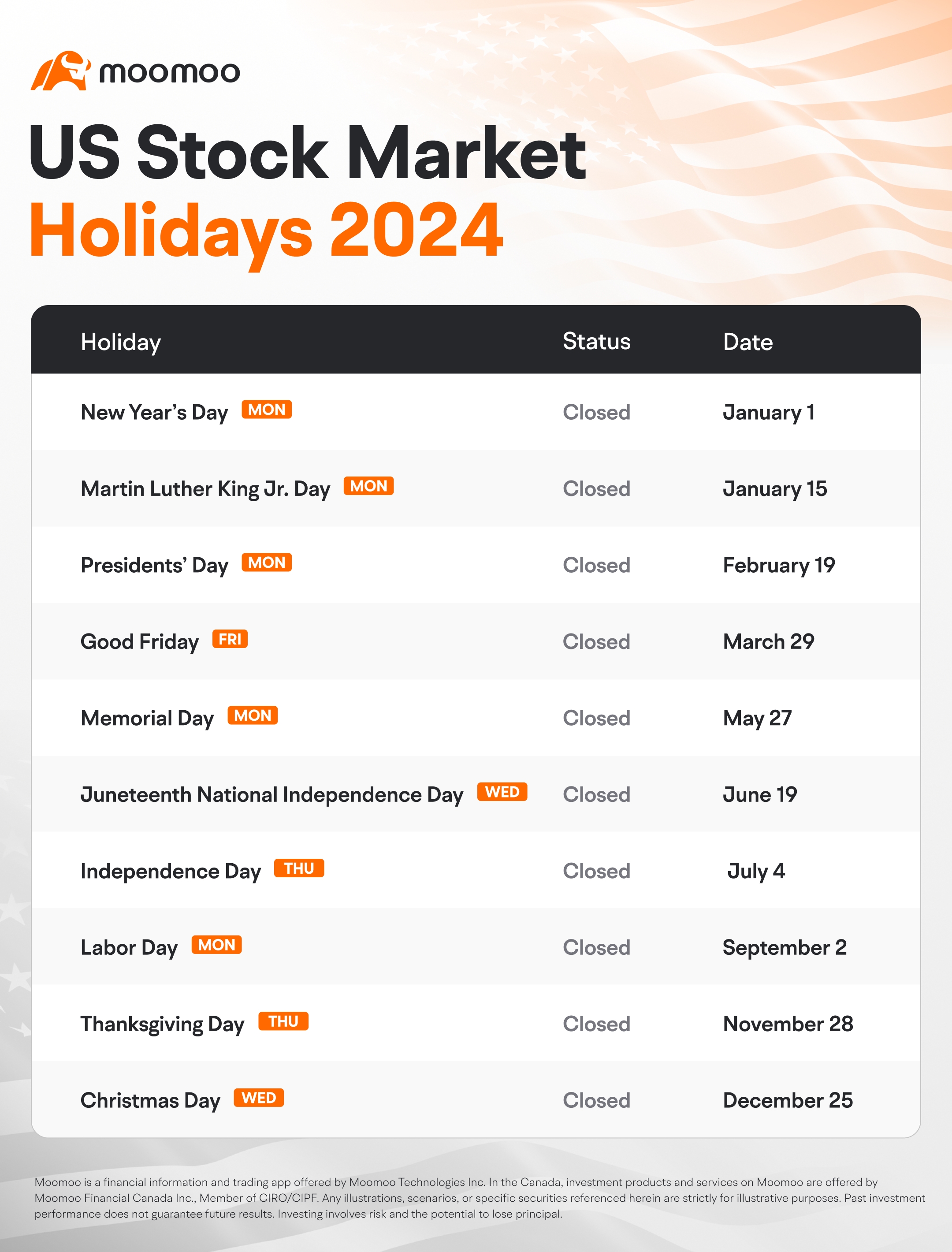
Here is a breakdown of the standard US stock market holidays:
New Year’s Day
- Date: January 1st
- Significance: Marks the beginning of the new calendar year. If January 1st falls on a Saturday, the market observes the holiday on the preceding Friday, December 31st. If it falls on a Sunday, the market observes it on the following Monday, January 2nd. This “weekend rule” applies to many fixed-date holidays.
Martin Luther King, Jr. Day
- Date: Third Monday in January
- Significance: Honors the life and legacy of civil rights leader Martin Luther King, Jr. This holiday was first observed by the NYSE in 1998, a testament to evolving national recognition.
Washington’s Birthday (Presidents’ Day)
- Date: Third Monday in February
- Significance: Officially designated as Washington’s Birthday, though commonly known as Presidents’ Day, it honors all US presidents. It’s a federal holiday observed by banks and government offices.
Good Friday
- Date: Varies annually (Friday before Easter Sunday)
- Significance: A Christian religious holiday commemorating the crucifixion of Jesus. This is notable as it’s one of the few religious holidays observed by the secular US stock market, reflecting its historical roots. Many European markets also close on Good Friday and often on Easter Monday.
Memorial Day
- Date: Last Monday in May
- Significance: Commemorates US military personnel who died while serving in the armed forces. It traditionally marks the unofficial start of summer in the United States.
Juneteenth National Independence Day
- Date: June 19th
- Significance: Commemorates the emancipation of enslaved African Americans. It became a federal holiday in 2021, and consequently, the stock markets began observing it as a holiday from 2022 onwards, marking a significant addition to the closure calendar.
Independence Day
- Date: July 4th
- Significance: Celebrates the adoption of the Declaration of Independence. Similar to New Year’s Day, if July 4th falls on a weekend, the market observes it on the closest weekday (Friday if Saturday, Monday if Sunday).
Labor Day
- Date: First Monday in September
- Significance: Honors the American labor movement and the contributions of workers to the nation’s strength and prosperity. It traditionally marks the unofficial end of summer.
Thanksgiving Day
- Date: Fourth Thursday in November
- Significance: A national holiday for giving thanks, unique to the US. The market is fully closed on Thanksgiving Day.
Christmas Day
- Date: December 25th
- Significance: A globally observed Christian holiday celebrating the birth of Jesus. Like New Year’s Day and Independence Day, the “weekend rule” applies if December 25th falls on a Saturday or Sunday. Additionally, it’s common for the market to close early (often at 1:00 PM ET) on Christmas Eve if it falls on a weekday.
Beyond Federal Holidays: Other Closure Scenarios
While federal holidays account for the vast majority of planned market closures, investors should be aware of other circumstances that can lead to altered trading hours or unforeseen halts.
Early Closures
It is a common practice for US exchanges to have early closing times (e.g., 1:00 PM ET) on certain days, typically the day before a major holiday like Independence Day, Christmas Eve (when it falls on a weekday), or the day after Thanksgiving (Black Friday). These early closures are often referred to as “half-days” and can significantly impact trading volumes and liquidity.
Emergency Closures
Extremely rare but historically documented, emergency situations can lead to unexpected full-day or multi-day market closures. These can include:
- Natural Disasters: Severe weather events (e.g., hurricanes, blizzards) that prevent essential personnel from reaching their workplaces or disrupt critical infrastructure.
- National Emergencies/Tragedies: Events of national significance or tragedy can lead to closures out of respect or for security reasons. A notable example was the multi-day closure following the September 11, 2001, terrorist attacks.
- Technical Glitches: While usually leading to trading halts for specific issues, severe and widespread technical failures within the exchange’s systems or critical third-party infrastructure could theoretically lead to a full closure, though this is actively avoided and managed with extensive contingency plans.
Weekend Closures
While not typically listed as “closures” in the same vein as holidays, it’s crucial to remember that stock exchanges operate on a Monday-to-Friday schedule. Saturday and Sunday are standard non-trading days globally, representing the most consistent and predictable “closed” periods for the markets.
The Impact of Market Closures on Investors
Market closures are more than just days off; they have tangible implications for trading strategies, portfolio management, and financial planning.
Planning Around Holidays
- Order Execution: Orders placed on a holiday or weekend will not be executed until the market reopens. This can be critical if there are significant global events or news releases while the market is closed, potentially leading to “gap” openings (when the opening price is significantly different from the previous day’s close).
- Settlement Cycles: Stock trades typically settle in two business days (T+2). Market holidays extend this cycle. For example, a trade executed on the Friday before a Monday holiday would not settle until Wednesday, rather than Tuesday. This affects cash availability for subsequent trades or withdrawals.
- Liquidity: On days preceding early closures or major holidays, trading volumes can sometimes be lower as institutional investors adjust their positions, potentially affecting price discovery and the ease of executing large orders without significant price impact.
- Options and Futures: Derivatives markets, such as options and futures, also observe these holidays, and their expiration cycles are carefully calculated around trading days. Holders of expiring contracts must be particularly aware of holiday schedules.
Global Market Influence
For investors with international portfolios or those tracking global economic trends, a closure in one major market doesn’t mean a standstill everywhere. A US holiday might see European or Asian markets actively trading, influencing pre-market indications when the US market eventually reopens. Conversely, a holiday in China or Japan could impact specific sectors or globally traded instruments even if US markets are open.
Staying Informed: Key Resources for Investors
Proactive investors rely on reliable sources to stay abreast of market schedules and avoid unexpected interruptions to their trading plans.
Official Exchange Calendars
The most authoritative sources are the official websites of the exchanges themselves. Both the New York Stock Exchange (NYSE) and NASDAQ publish annual holiday schedules well in advance, detailing full and early closures.
Financial News Outlets
Reputable financial news providers (e.g., Bloomberg, Reuters, The Wall Street Journal, CNBC) consistently report on upcoming market holidays and any potential changes to trading hours. Subscribing to their newsletters or regularly checking their financial news sections is an excellent practice.
Brokerage Platforms
Most online brokerage platforms integrate market holiday information directly into their interfaces, often displaying alerts or modifying their calendars to reflect non-trading days. This can be particularly helpful for setting up orders and managing account liquidity.
Developing a Personal Market Calendar
For active traders and investors, maintaining a personal market calendar that highlights these key dates, not just for their primary market but potentially for other relevant global markets, can be a valuable tool for strategic planning and risk management. Being informed about when the stock exchange is closed is not merely about convenience; it’s a fundamental aspect of navigating the financial markets effectively and making timely, well-considered investment decisions.
aViewFromTheCave is a participant in the Amazon Services LLC Associates Program, an affiliate advertising program designed to provide a means for sites to earn advertising fees by advertising and linking to Amazon.com. Amazon, the Amazon logo, AmazonSupply, and the AmazonSupply logo are trademarks of Amazon.com, Inc. or its affiliates. As an Amazon Associate we earn affiliate commissions from qualifying purchases.