
The question of “what days are you most fertile?” is a deeply personal and significant one for many. While traditionally approached with biological understanding and meticulous tracking, in today’s interconnected and data-driven world, we can leverage a fascinating intersection of technology, strategic branding, and even financial planning to optimize our understanding and approach to fertility. This article explores how these seemingly disparate fields can converge to offer a more comprehensive and empowered perspective on maximizing your chances of conception.
Understanding Your Fertile Window: The Biological Foundation
At its core, fertility is a biological process. Understanding the fundamental science is the crucial first step.
The Menstrual Cycle: A Complex Dance of Hormones
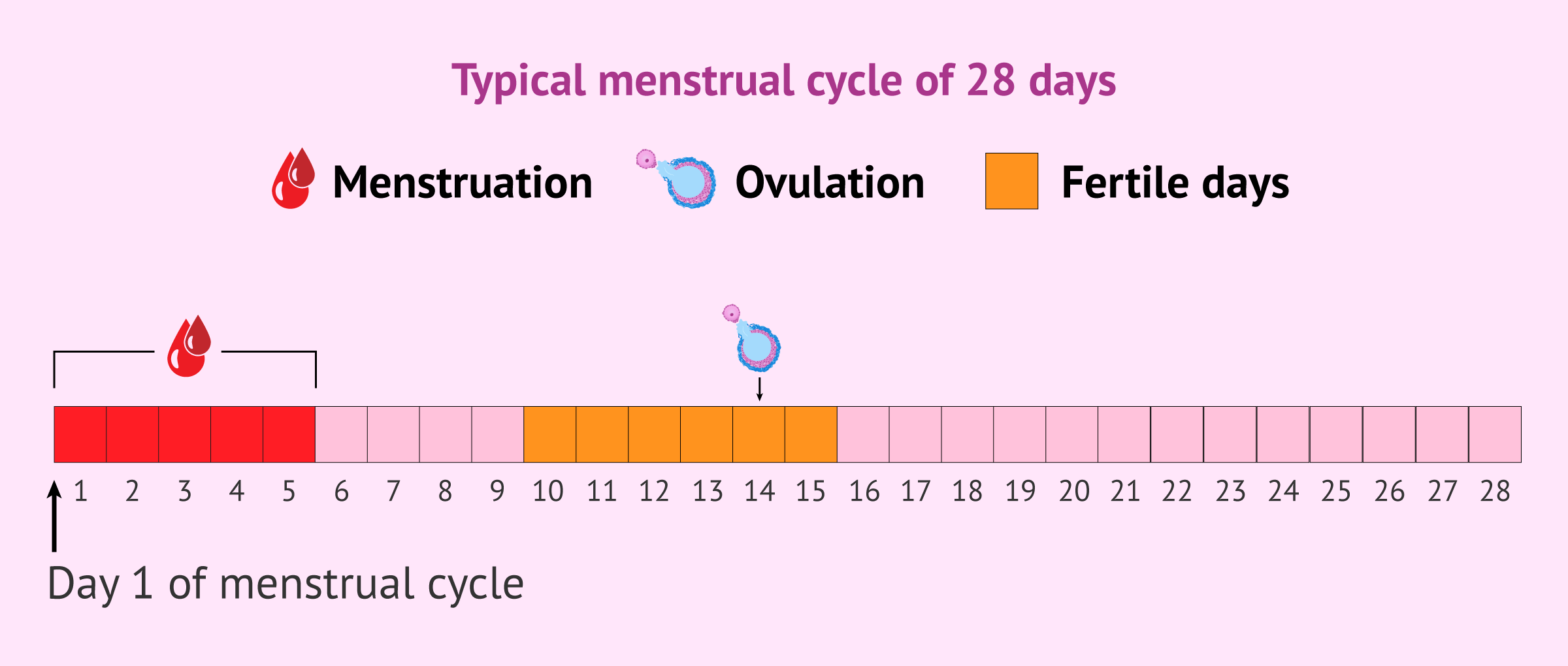
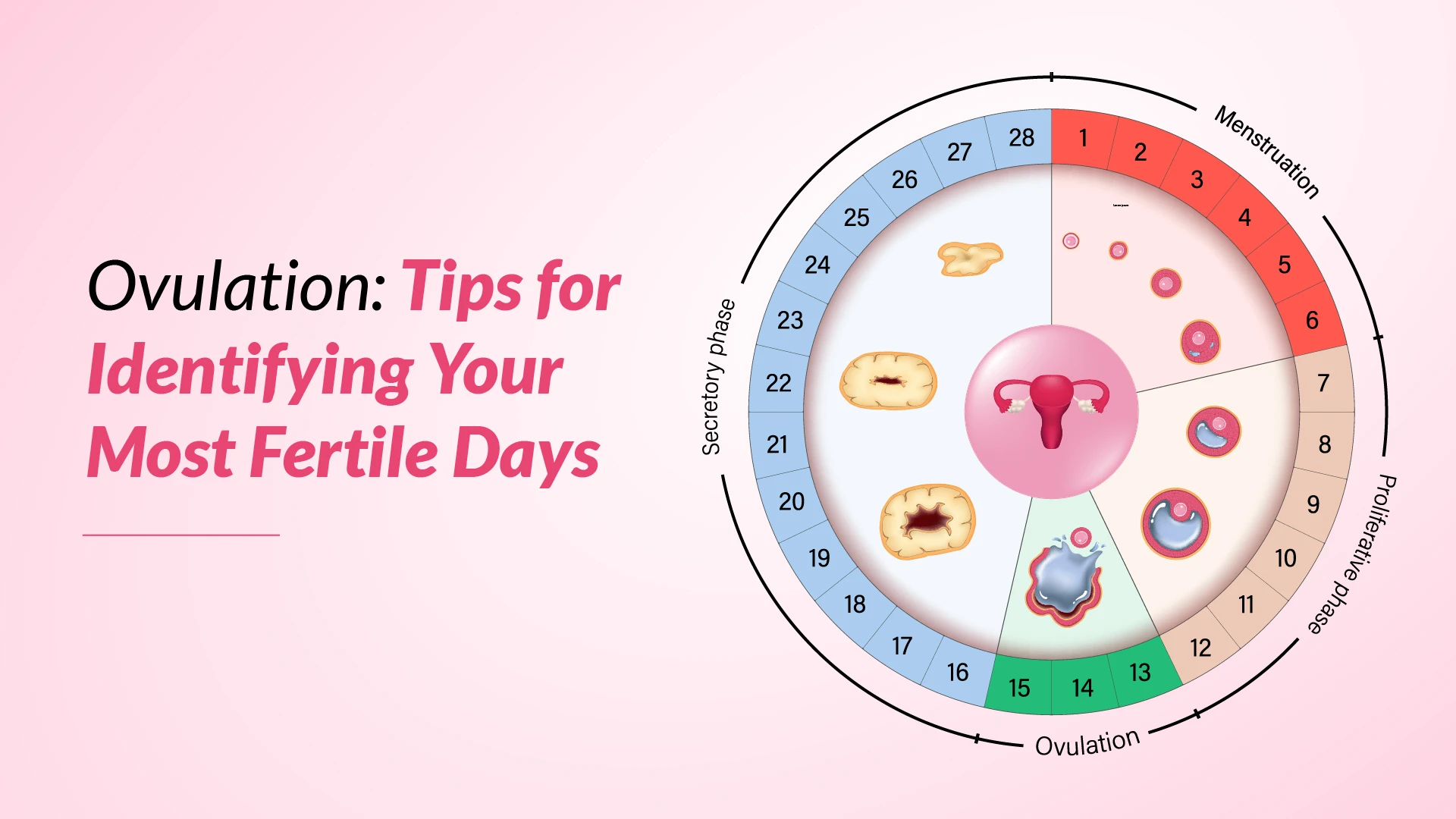
The female menstrual cycle, typically lasting around 28 days, is a sophisticated hormonal ballet orchestrated by the brain and ovaries. Key hormones like Follicle-Stimulating Hormone (FSH), Luteinizing Hormone (LH), estrogen, and progesterone play pivotal roles.
- Follicular Phase: This phase begins on the first day of menstruation and lasts until ovulation. FSH stimulates the development of ovarian follicles, each containing an egg. As these follicles grow, they produce estrogen, which thickens the uterine lining in preparation for a potential pregnancy.
- Ovulation: This is the pivotal event where a mature egg is released from the ovary. The surge in LH triggers ovulation, which typically occurs around 14 days before the start of the next period. The egg is viable for fertilization for only about 12-24 hours after release.
- Luteal Phase: After ovulation, the ruptured follicle transforms into the corpus luteum, which produces progesterone. This hormone further prepares the uterine lining for implantation. If fertilization doesn’t occur, the corpus luteum degenerates, leading to a drop in hormone levels and menstruation.
Sperm Viability: A Wider Window of Opportunity
While the egg is a fleeting presence, sperm has a significantly longer lifespan within the female reproductive tract. Sperm can survive for up to five days under optimal conditions. This means that intercourse before ovulation can still lead to pregnancy.
Defining the Fertile Window: The Crucial Days
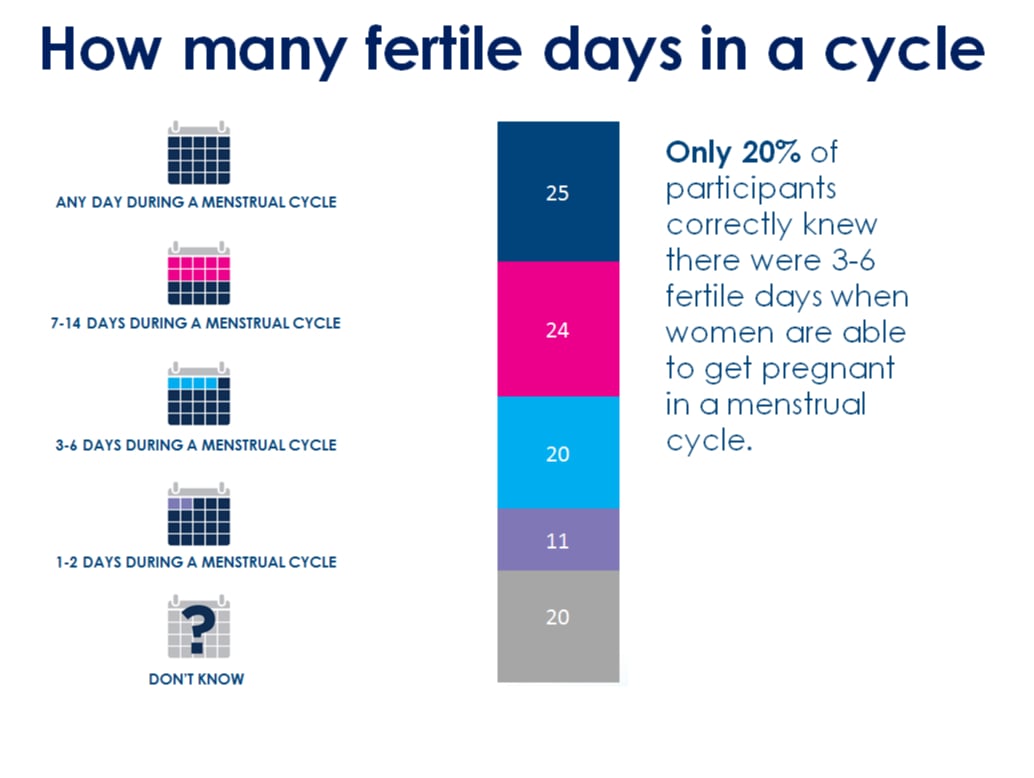
Combining the lifespan of sperm and the viability of the egg, the “fertile window” is generally considered to be the six days leading up to and including ovulation. However, the most fertile days are typically the two to three days immediately preceding ovulation. This is because sperm will be present and waiting when the egg is released.
Leveraging Technology for Precision Fertility Tracking
The advent of sophisticated technology has revolutionized how we approach fertility tracking, moving beyond guesswork and manual methods.
Smart Devices and Apps: Your Digital Fertility Companion
The market is now brimming with innovative tech solutions designed to simplify and enhance fertility awareness.
Wearable Devices: Continuous and Passive Monitoring
Wearable fertility trackers, often in the form of rings, patches, or wristbands, continuously monitor key physiological indicators. These devices can track:
- Basal Body Temperature (BBT): A slight, but measurable, rise in BBT often occurs after ovulation due to the increase in progesterone. Consistent nightly monitoring can reveal these subtle temperature shifts.
- Heart Rate Variability (HRV): Changes in HRV can sometimes correlate with hormonal fluctuations related to the menstrual cycle.
- Respiratory Rate: Similar to HRV, respiratory rate can also exhibit subtle patterns influenced by hormonal cycles.
- Sleep Quality and Duration: Sleep patterns can be affected by hormonal changes, and tracking this data can provide additional insights.
These wearables sync wirelessly with smartphone apps, aggregating the data and presenting it in easy-to-understand graphs and charts. Many apps also incorporate algorithms that learn your individual cycle patterns over time, providing increasingly accurate predictions of your fertile window.
Ovulation Predictor Kits (OPKs): Pinpointing the LH Surge
OPKs are home urine tests that detect the surge in Luteinizing Hormone (LH) that precedes ovulation. This surge typically occurs 24-36 hours before the egg is released. Using OPKs daily in the days leading up to your suspected ovulation can provide a highly accurate indicator of when the fertile window is opening.
Fertility Monitors: Advanced Insights and Personalized Guidance
Beyond simple OPKs, advanced fertility monitors offer a more comprehensive approach. Some devices, like those that analyze urine for both LH and estrogen, can identify a wider fertile window, not just the immediate pre-ovulatory period. Others may even incorporate cervical mucus analysis or sync with other data inputs for a holistic view.
AI-Powered Fertility Apps: Predictive Power and Personalized Recommendations
The integration of Artificial Intelligence (AI) into fertility apps takes tracking to a new level. These apps:
- Analyze Complex Data Sets: AI can process the vast amounts of data collected from wearables, OPKs, and user-inputted information (like cervical mucus changes or menstrual cycle regularity) to identify subtle patterns that might be missed by the human eye.
- Offer Personalized Predictions: Instead of generic predictions, AI can tailor fertile window estimates to your unique physiological responses, becoming more accurate with each cycle of data.
- Provide Proactive Guidance: Some AI-powered apps can offer personalized advice on when to time intercourse, suggest lifestyle adjustments, or even flag potential irregularities that warrant a discussion with a healthcare professional.
- Integrate with Other Health Data: Future iterations might integrate with broader health platforms, considering factors like diet, exercise, and stress levels to provide even more nuanced fertility insights.
Digital Security and Privacy: Protecting Your Sensitive Data
As we embrace these digital fertility tools, it’s crucial to address the critical aspect of digital security and privacy.
- Understanding Data Usage: Be aware of how the companies behind these apps and devices collect, store, and use your sensitive health data. Read privacy policies carefully.
- Secure Account Practices: Use strong, unique passwords for your fertility apps and enable two-factor authentication where available.
- Regular Software Updates: Keep your apps and device firmware updated to ensure you benefit from the latest security patches.
- Consider Data Anonymization: If the option exists, choose settings that allow for data anonymization where possible.
- Be Mindful of Third-Party Integrations: If you connect your fertility app to other health platforms, understand the data sharing protocols involved.
Branding Your Fertility Journey: Communication and Self-Advocacy
While not a direct biological factor, approaching your fertility journey with a “brand” mindset can significantly impact your experience, communication, and overall success.
Personal Branding: Owning Your Narrative
Think of yourself as the brand. Your fertility journey is a critical chapter, and how you communicate about it, both to yourself and to your partner, is paramount.
Clear and Consistent Communication with Your Partner
- Shared Goals: Ensure you and your partner are on the same page regarding your fertility goals and timelines. This shared vision is the bedrock of your “brand” as a couple trying to conceive.
- Open Dialogue: Create a safe space for open and honest conversations about your experiences, emotions, and any challenges you might be facing. This transparency strengthens your partnership.
- Shared Responsibility: Fertility is a shared journey. Communicate about who is tracking what, who is responsible for scheduling appointments, and how you’ll support each other.
Self-Advocacy with Healthcare Professionals
- Preparedness: Just as a brand prepares for a product launch or marketing campaign, you should prepare for your doctor’s appointments. Bring your tracked data, any questions you have, and your concerns.
- Concise Messaging: Clearly articulate your goals and what you’ve observed. Highlight key data points from your fertility tracking.
- Active Listening: Listen attentively to your doctor’s advice and don’t hesitate to ask for clarification.
- Building Trust: Developing a strong, trusting relationship with your healthcare provider is essential. They are your partners in this journey.
Corporate Identity (for Fertility Services/Clinics): Building Trust and Expertise
For those operating in the fertility space, building a strong corporate identity is vital for attracting and retaining clients. This involves:
- Clear Value Proposition: What makes your service or clinic unique? Is it cutting-edge technology, compassionate care, specialized expertise, or a specific success rate?
- Consistent Messaging: Ensure all your marketing materials, website, and patient interactions convey a consistent and trustworthy image.
- Testimonials and Case Studies: Real-life success stories are powerful branding tools that build credibility and hope.
- Professional Design: From your logo to your website, a well-designed and professional aesthetic instills confidence.
- Ethical Practices: Upholding the highest ethical standards is non-negotiable and forms the core of your reputation.
Financial Planning for Fertility: Investing in Your Future
The pursuit of parenthood can come with significant financial considerations. Strategic financial planning can alleviate stress and allow you to focus on what truly matters.
Understanding Fertility Treatment Costs
Fertility treatments, from IVF to IUI, can be expensive. Understanding these costs upfront is crucial.
- Insurance Coverage: Investigate what your health insurance policy covers regarding fertility services. This can vary significantly.
- Out-of-Pocket Expenses: Be prepared for deductibles, co-pays, and services not covered by insurance.
- Medication Costs: Fertility medications can represent a substantial portion of treatment expenses.
- Procedure Fees: IVF cycles, IUI procedures, and other interventions have their own associated costs.
Building a Fertility Fund: Strategic Saving and Investment
Treating your fertility journey as a long-term investment requires a proactive financial approach.
Personal Finance Strategies:
- Budgeting: Create a dedicated budget for fertility expenses. This involves identifying areas where you can save to allocate more funds towards your goal.
- Saving Accounts: Open a dedicated savings account specifically for fertility expenses. Automate regular contributions to ensure consistent progress.
- Emergency Funds: Maintain a separate emergency fund to avoid dipping into your fertility savings for unexpected life events.
Online Income and Side Hustles: Accelerating Your Savings
- Leveraging Skills: Consider offering freelance services or starting a small online business based on your existing skills. This can provide an additional income stream to boost your fertility fund.
- Monetizing Hobbies: Turn your passions into income-generating activities.
- Smart Investing (with caution): For longer-term goals, consider investing a portion of your savings in low-risk, diversified investment vehicles. However, prioritize liquidity for immediate fertility needs. Always consult with a financial advisor before making investment decisions, especially when dealing with funds earmarked for critical life events.
Financial Tools and Resources: Smart Management
Several financial tools can aid in your fertility planning:
- Budgeting Apps: Utilize personal finance apps to track your income and expenses, helping you identify savings opportunities.
- Investment Platforms: Explore online brokerage accounts for accessible investment options, but again, prioritize your fertility fund’s liquidity.
- Fertility Financing Options: Some fertility clinics partner with financial institutions to offer specialized loans or payment plans for treatment costs. Research these options carefully.
- Tax Advantages: Inquire with your tax advisor about any potential tax deductions or credits related to fertility treatments.
Conclusion: A Holistic Approach to Maximizing Your Fertile Window
The question of “what days are you most fertile” is no longer solely a matter of biological timing. By embracing the power of technology for precise tracking, adopting a mindful “brand” approach to communication and self-advocacy, and implementing strategic financial planning, you can approach your fertility journey with a heightened sense of control, empowerment, and optimism. Understanding the interplay of these fields allows for a more informed, less stressful, and ultimately, more successful pursuit of parenthood.
aViewFromTheCave is a participant in the Amazon Services LLC Associates Program, an affiliate advertising program designed to provide a means for sites to earn advertising fees by advertising and linking to Amazon.com. Amazon, the Amazon logo, AmazonSupply, and the AmazonSupply logo are trademarks of Amazon.com, Inc. or its affiliates. As an Amazon Associate we earn affiliate commissions from qualifying purchases.