
Understanding the operating hours of financial markets is fundamental for any investor, whether a seasoned professional or a curious beginner. While the concept might seem straightforward, the intricacies of trading schedules, holidays, and extended sessions reveal a sophisticated ecosystem designed to balance liquidity, fairness, and investor access. Primarily, the major stock exchanges in the United States, such as the New York Stock Exchange (NYSE) and the NASDAQ, adhere to a consistent five-day trading week, but a deeper dive uncovers critical nuances that influence investment strategies and market behavior.
The Standard Trading Week: Five Days of Opportunity
The backbone of equity trading in the U.S. revolves around a regular business week, offering investors consistent opportunities to buy and sell securities. This predictable schedule underpins market stability and allows participants to plan their financial activities with certainty.
Weekday Trading Hours: NYSE and NASDAQ
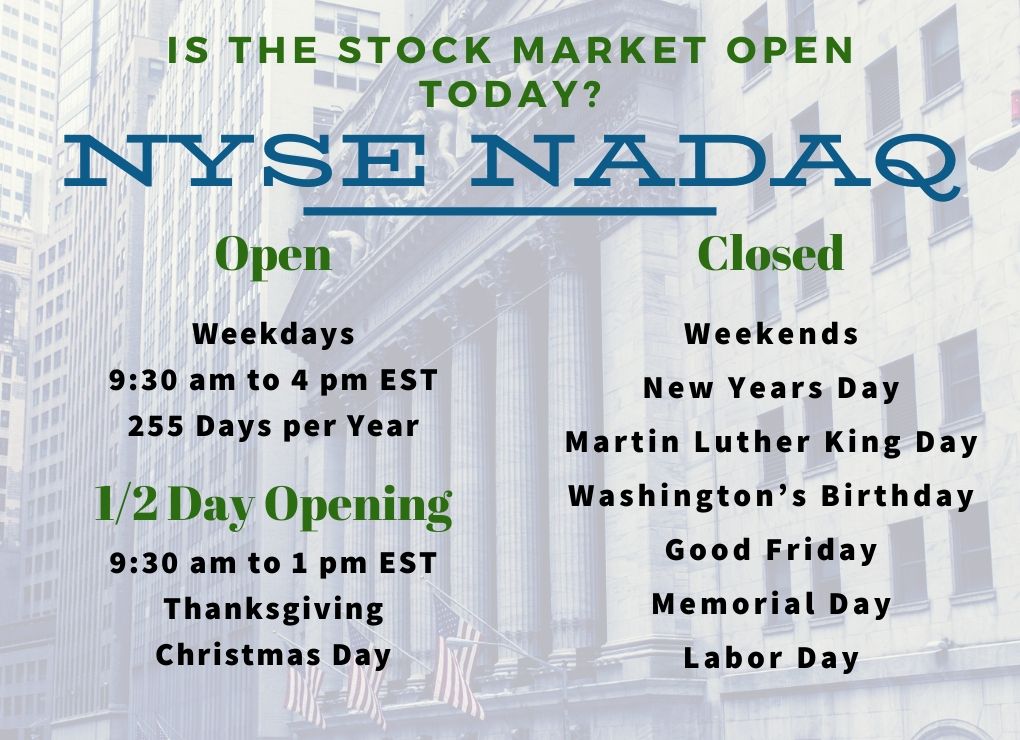
For most retail and institutional investors, the primary trading day runs from Monday through Friday. The NYSE and NASDAQ, which together account for the vast majority of U.S. stock market activity, operate during specific hours:
- Opening Bell: 9:30 AM Eastern Time (ET)
- Closing Bell: 4:00 PM Eastern Time (ET)
These fixed hours ensure that all participants have a level playing field, with prices reflecting a broad consensus of supply and demand during active trading. The half-hour before the opening bell and the half-hour after the closing bell are often periods of significant activity, as traders react to overnight news or prepare for the next day’s session.
Why Weekends Are Off-Limits: Understanding Market Mechanics
The stock market closes for the weekend for several practical and historical reasons. Firstly, physical exchanges historically required time for clearing and settlement processes, which were manually intensive. While technology has automated much of this, the tradition of a weekend closure persists. More importantly, weekends provide a crucial pause for investors and analysts to digest news, company earnings, economic data, and global events without the pressure of immediate trading. This allows for more considered decisions rather than impulsive reactions, contributing to more rational market behavior when trading resumes on Monday. It also allows time for regulatory updates, system maintenance, and strategic planning without disrupting active trading.
The Rationale Behind Fixed Hours
Fixed trading hours are not arbitrary; they serve several vital functions. They concentrate liquidity, meaning that a high volume of buyers and sellers are active at the same time, which facilitates efficient price discovery and tighter bid-ask spreads. This concentration ensures that orders can be executed quickly and at fair prices. Without fixed hours, liquidity would be fragmented, leading to wider spreads, increased volatility, and potentially less equitable market access. Furthermore, established hours simplify regulatory oversight and allow financial institutions to staff their operations effectively, ensuring that crucial support and compliance functions are available when the market is live.
Navigating Market Holidays and Early Closures
While the five-day work week is standard, investors must be aware of federal holidays and special events that cause market closures or shortened trading days. These exceptions are critical for planning trades, managing portfolios, and anticipating potential market movements.
Federal Holidays That Shut Down the Market
The U.S. stock markets observe a number of federal holidays, during which all trading ceases. These typically include:
- New Year’s Day: January 1
- Martin Luther King, Jr. Day: Third Monday in January
- Presidents’ Day (Washington’s Birthday): Third Monday in February
- Good Friday: The Friday before Easter
- Memorial Day: Last Monday in May
- Juneteenth National Independence Day: June 19
- Independence Day: July 4
- Labor Day: First Monday in September
- Thanksgiving Day: Fourth Thursday in November
- Christmas Day: December 25
If a holiday falls on a weekend, the market typically observes it on the nearest weekday (e.g., if Christmas falls on a Saturday, the market may close the preceding Friday). It’s imperative for investors to consult the official holiday schedules published by the NYSE and NASDAQ at the beginning of each year to avoid surprises.
Understanding Early Closures
In addition to full-day closures, the market sometimes operates on a shortened schedule, usually closing at 1:00 PM ET. These early closures often occur on the day before or after certain holidays. Common examples include:
- The day before Independence Day (if it falls on a weekday)
- The Friday after Thanksgiving (Black Friday)
- Christmas Eve (if it falls on a weekday)
These shortened sessions still represent active trading periods but with reduced volume and often increased volatility due to fewer participants. Investors should be particularly cautious during these times, as thinner markets can exaggerate price swings.
Impact of Holidays on Trading Volume and Volatility
Market holidays and early closures have a discernible impact on trading dynamics. Leading up to a long weekend or holiday, trading volume often decreases as participants close out positions or reduce exposure. This lower liquidity can sometimes lead to increased volatility, as even small orders can have a larger effect on prices. Conversely, the first trading day after a holiday can see a surge in activity as investors react to accumulated news and events, potentially leading to gap openings or significant price movements. Understanding these patterns can inform trading strategies, such as avoiding large positions just before a long weekend or being prepared for increased activity immediately afterward.
Beyond Standard Hours: Exploring Extended Trading
While the 9:30 AM to 4:00 PM ET window defines the “regular” trading day, the stock market offers avenues for investors to trade outside these hours through pre-market and after-hours sessions. These extended periods cater to individuals who need to react quickly to news or prefer more flexible trading times, but they come with their own set of considerations.
Pre-Market Trading: Seizing Early Information
Pre-market trading typically begins as early as 4:00 AM ET and extends until the regular market open at 9:30 AM ET. This period allows investors to react to overnight news, earnings reports released before the market opens, or developments in global markets. For example, if a major company announces stellar earnings results at 7:00 AM ET, investors can begin trading its stock in the pre-market, often leading to significant price movements before the opening bell.
After-Hours Trading: Reacting to Late News
After-hours trading commences immediately after the regular market close at 4:00 PM ET and can continue until 8:00 PM ET. This session is crucial for reacting to news that breaks after the closing bell, such as late-day earnings announcements, economic data releases, or geopolitical events. Similar to pre-market, after-hours trading provides a mechanism for price discovery in response to new information outside of standard hours.
The Risks and Rewards of Extended Sessions
While extended trading offers flexibility and the chance to capitalize on immediate news, it carries elevated risks:
- Lower Liquidity: Fewer participants trade during these hours, leading to lower trading volumes. This can result in wider bid-ask spreads, making it more expensive to enter or exit positions, and larger price swings from smaller orders.
- Increased Volatility: Thinner markets are more susceptible to sharp price movements, potentially leading to unfavorable execution prices.
- Professional Dominance: Institutional traders and sophisticated algorithms often dominate extended hours, potentially disadvantaging retail investors who may lack the same tools or access to real-time information.
- Price Discrepancy: The prices established during pre-market or after-hours might not reflect the prices when the regular market opens, potentially leading to gaps or reversals.
Despite these risks, the reward lies in the ability to react instantaneously to information, potentially securing advantageous prices before the wider market reacts.
Electronic Communication Networks (ECNs) and Dark Pools
Extended-hours trading is facilitated primarily through Electronic Communication Networks (ECNs) rather than traditional exchange floors. ECNs are automated systems that match buy and sell orders electronically. Some of these are considered “dark pools,” which are private forums for trading securities that are not accessible to the public. While ECNs and dark pools increase trading efficiency, their opacity can make price discovery less transparent during extended hours, contributing to some of the risks mentioned above.
Global Markets: A 24/5 Perspective?
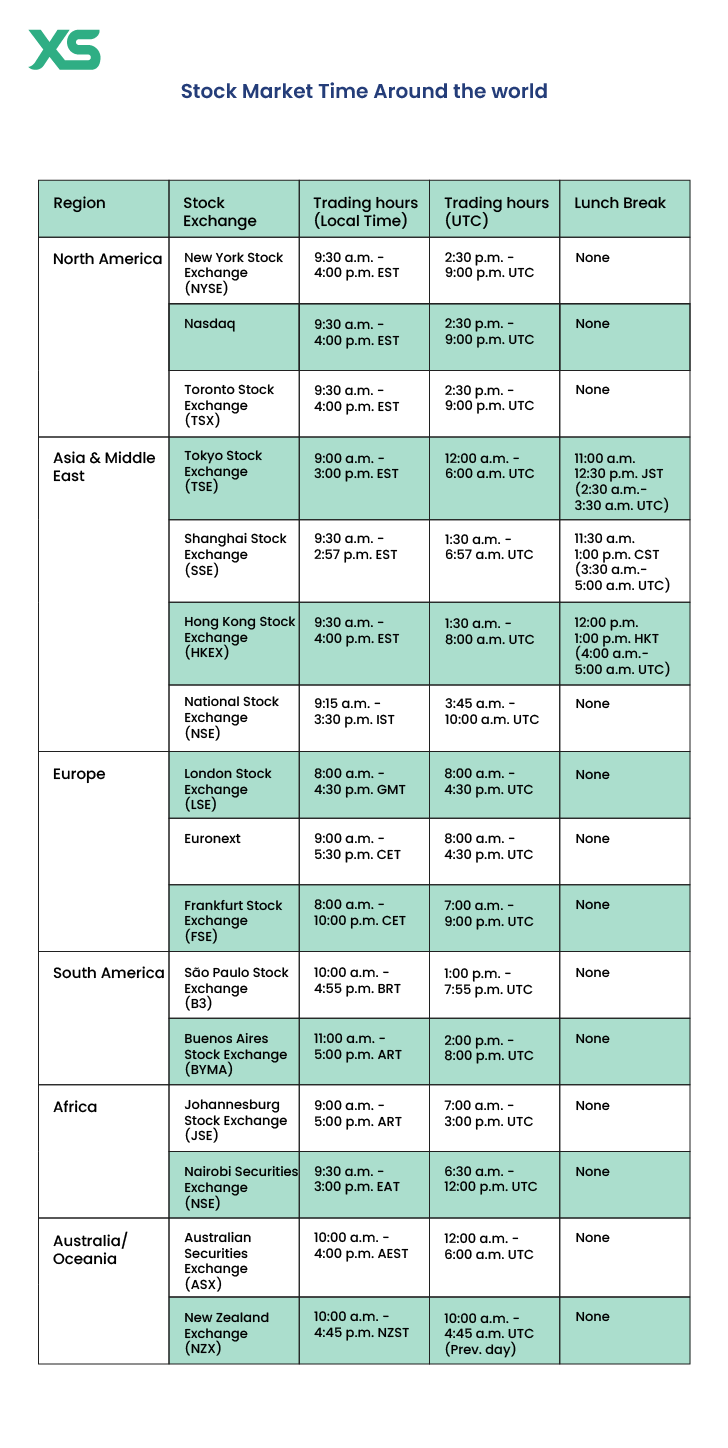
While U.S. markets adhere to their specific weekday schedules, the global financial landscape offers a near 24-hour trading environment when considering different exchanges around the world. For international investors or those with global portfolios, understanding this interconnectedness is key.
The Interconnectedness of World Exchanges
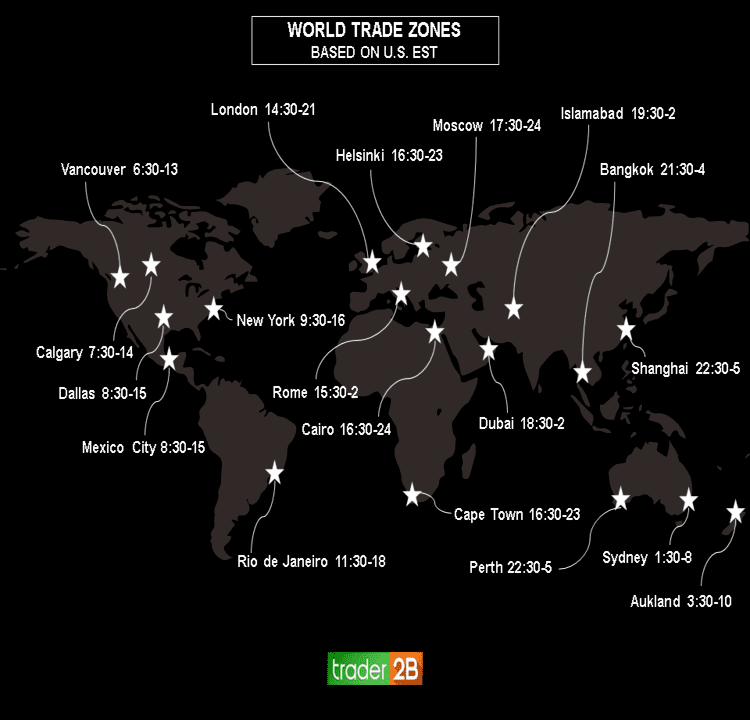
As one market closes, another is often opening. Major financial centers like London, Tokyo, Hong Kong, and Sydney operate on different time zones. This allows for a continuous flow of trading activity around the globe, meaning that news and economic events in one region can ripple through markets as they open in subsequent time zones. For instance, Asian markets often react to U.S. closing data, European markets then react to Asian closing data and unfolding European news, and U.S. markets react to both Asian and European developments.
Time Zones and Trading Overlap
The sequential opening and closing of global exchanges create periods of overlap where multiple major markets are active simultaneously. For example, there’s often an overlap between the end of the European trading day and the beginning of the U.S. trading day, creating a highly liquid period for international equities and currency markets. This continuous cycle means that while no single stock market is open 24/7, the collective global market offers almost uninterrupted trading opportunities throughout the traditional business week.
Practical Implications for International Investors
For investors with interests spanning multiple countries, the 24/5 nature of global markets requires constant vigilance. Economic reports, geopolitical events, and company announcements from different regions can impact portfolios at any time. This necessitates tools for monitoring global news feeds, understanding currency exchange rates, and potentially utilizing brokers who offer access to multiple international exchanges or extended-hours trading on U.S. markets that reflect global sentiment.
Strategic Considerations for Investors
Navigating the stock market effectively requires not only understanding when it’s open but also how to leverage that knowledge strategically. Proactive planning around market schedules can enhance decision-making and risk management.
Planning Around Market Closures
Astute investors regularly consult the market holiday calendar and incorporate it into their trading plans. Knowing when the market will be closed allows for:
- Risk Management: Reducing exposure before a long weekend to avoid unexpected news impacts.
- Liquidity Management: Ensuring sufficient funds are available for upcoming trades or withdrawals, as settlement cycles can be extended by holidays.
- Strategic Entry/Exit: Planning to enter or exit positions before or after periods of anticipated low liquidity or high volatility.
Monitoring Economic Calendars
Beyond market open and close times, investors should actively monitor economic calendars, which list scheduled releases of economic data (e.g., inflation reports, unemployment figures, GDP growth) and central bank announcements. These events can significantly influence market direction, and their timing relative to market hours is crucial. For instance, a key inflation report released before the market opens on a Monday might set the tone for the entire trading week.
The Importance of Diversification Across Time
For those actively managing a portfolio, particularly with international exposure, understanding global market hours can inform a strategy of “diversification across time.” This involves considering how different segments of your portfolio might react during various global trading sessions. While not directly trading on foreign exchanges, being aware of global sentiment as it unfolds can provide an early indication of how U.S. markets might react upon opening. Ultimately, the more informed an investor is about the rhythm and nuances of market operating hours, the better equipped they are to make timely and well-considered financial decisions.
aViewFromTheCave is a participant in the Amazon Services LLC Associates Program, an affiliate advertising program designed to provide a means for sites to earn advertising fees by advertising and linking to Amazon.com. Amazon, the Amazon logo, AmazonSupply, and the AmazonSupply logo are trademarks of Amazon.com, Inc. or its affiliates. As an Amazon Associate we earn affiliate commissions from qualifying purchases.