
The Bank of America Chicago Marathon is more than a test of physical endurance; it is a massive financial engine that powers the city’s economy every autumn. Traditionally held on the second Sunday of October, the race represents a critical date on the fiscal calendar for the City of Chicago, local business owners, and savvy entrepreneurs. For the 2024 season, the race is scheduled for October 13, and for 2025, it will fall on October 12. Understanding the timing of this event is essential for anyone looking to capitalize on the hundreds of millions of dollars that flow into the region over a single 48-hour period.
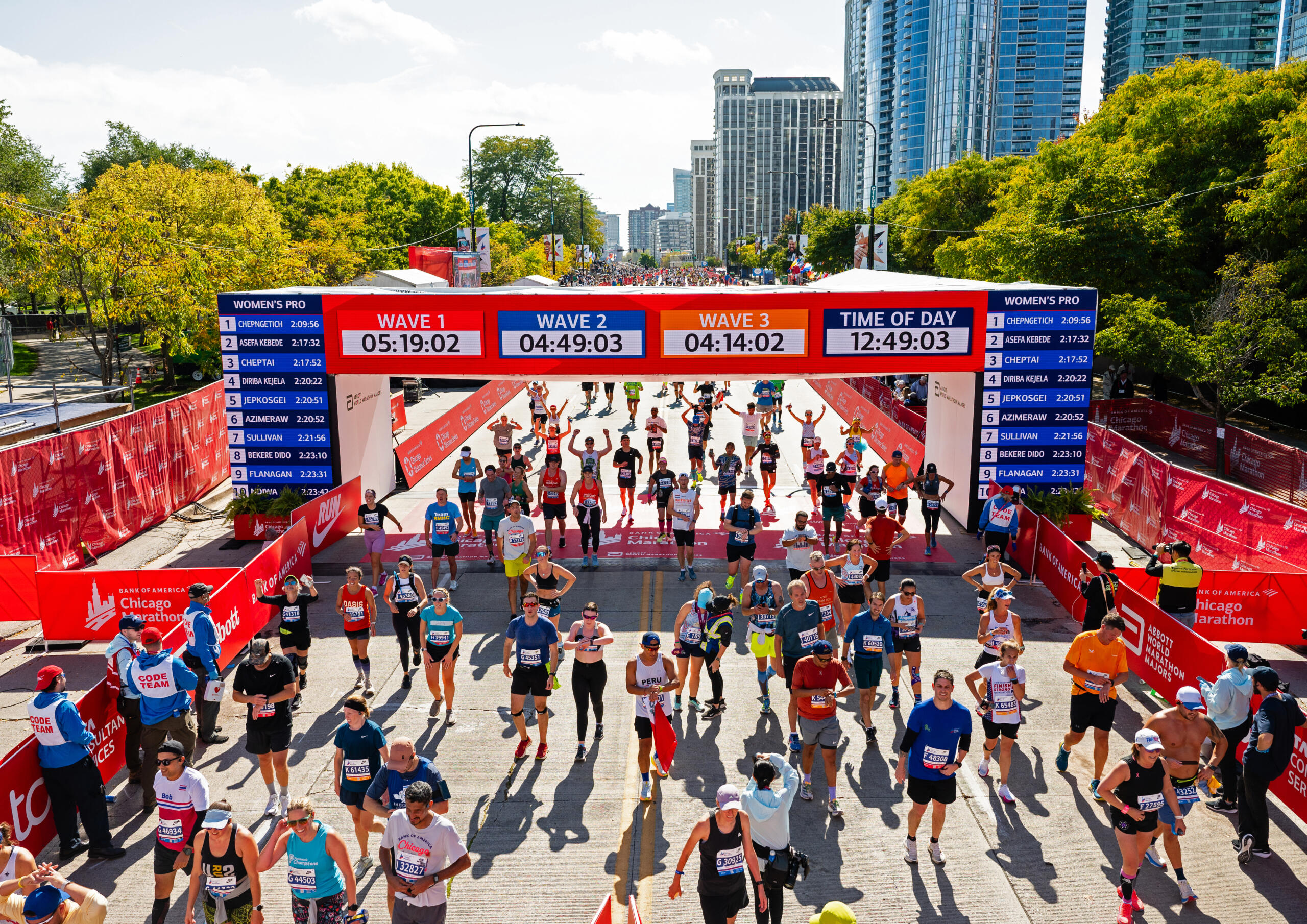
From a personal finance and business strategy perspective, the “day” of the marathon is the culmination of a week-long economic surge. It represents a peak in consumer spending, a windfall for the hospitality sector, and a prime opportunity for gig economy workers to maximize their earnings. To look at the Chicago Marathon through a financial lens is to see one of the most successful urban revenue models in the world.
Mark Your Financial Calendar: The Direct Economic Surge of Marathon Sunday
The Chicago Marathon is a cornerstone of the city’s tourism and economic development strategy. When people ask “what day is the Chicago marathon,” they are often looking for a logistics answer, but for the city’s budget office, that date represents a significant influx of tax revenue and direct spending.
The $400 Million Impact
Recent economic impact studies suggest that the Chicago Marathon generates over $400 million for the local economy. This figure encompasses direct spending by more than 50,000 runners and an estimated 1.7 million spectators. The financial “day” of the marathon actually begins several days prior, as participants arrive for the Health & Fitness Expo at McCormick Place. This leads to a massive spike in retail sales, particularly in the sporting goods and wellness sectors.
Hospitality and the Tourism Tax Windfall
For the hospitality industry, marathon weekend is often the most profitable weekend of the year, rivaling major conventions and music festivals like Lollapalooza. Hotel occupancy rates in the Loop and surrounding neighborhoods frequently exceed 95%. This surge allows hotels to implement dynamic pricing, often doubling or tripling standard room rates.
Furthermore, the city benefits from the “bottleneck effect” of the marathon’s date. Because the race takes place on a Sunday, visitors typically stay for a minimum of three nights (Friday through Monday). This translates to millions in hotel occupancy taxes, which are redirected into the city’s general fund to support infrastructure and public services. For investors in the hospitality REITs (Real Estate Investment Trusts) with heavy Chicago exposure, this specific Sunday is a key performance indicator for Q4 earnings.
The Side Hustle Sprint: Maximizing Income During Race Week
For local residents and small business owners, the day of the Chicago Marathon provides a unique window to generate significant side income. The concentrated influx of high-net-worth individuals—many of whom travel internationally to participate in one of the “World Marathon Majors”—creates a high-demand environment for various services.
Short-Term Rental Strategies
One of the most lucrative side hustles during marathon weekend is short-term property rentals. Homeowners in neighborhoods along the route—such as Lincoln Park, Old Town, and the Near South Side—can command premium prices on platforms like Airbnb and VRBO. Successful hosts often implement “event-based pricing” strategies, setting their rates 200% higher than their usual October average.
To maximize ROI, savvy hosts offer “marathon packages” that include carbohydrate-heavy snack packs, late checkout options for post-race recovery, and maps of the transit system to help spectators reach the finish line. This level of service allows residents to turn a single weekend into a month’s worth of mortgage payments.
Niche Gig Economy Opportunities
Beyond housing, the gig economy thrives on race day. Private transport services, specialized sports massage therapy, and even professional “cheer squads” or “sign-makers” have emerged as viable micro-businesses.
-
Transportation: With several major streets closed, demand for rideshare services outside the “frozen zone” skyrockets. Drivers who understand the race route and street closure schedule can optimize their routes to complete more trips per hour, taking advantage of surge pricing.
-
Photography and Content Creation: With the rise of the “personal brand,” many runners are willing to pay for high-quality, professional photos and videos of their journey. Independent photographers often set up at specific mile markers to capture content for athletes who want more than the standard bib-tag photos provided by the race organizers.

The Cost of Participation: A Personal Finance Breakdown for Athletes
From the perspective of the participant, the “day” of the Chicago Marathon is the end of a long-term financial investment. Running a major marathon involves significant capital outlay, and understanding the costs is vital for maintaining a healthy personal budget.
Budgeting for the Entry Fee and Gear
The entry fee for the Chicago Marathon is approximately $230 for U.S. residents and $240 for international participants. However, this is only the tip of the iceberg. A runner’s “balance sheet” for the event often includes:
-
Footwear and Apparel: High-performance carbon-plated running shoes can cost $250 or more and typically need to be replaced every 300–400 miles.
-
Training and Nutrition: Specialized gels, electrolytes, and physical therapy sessions can add up to $500–$1,000 over a 16-week training cycle.
-
Travel and Lodging: For out-of-town runners, the total cost of the weekend can easily exceed $2,000 when factoring in flights, meals, and premium hotel rates.
For many, this is a discretionary expense that requires months of saving. However, many runners view this as an investment in their “human capital”—the long-term health benefits of training for a marathon can lead to lower healthcare costs and increased productivity over time.
The Financial Benefits of Corporate Wellness
Interestingly, many corporations now sponsor their employees’ participation in the Chicago Marathon as part of a broader corporate wellness strategy. From a business finance perspective, companies find that the ROI on race fees is positive when weighed against reduced insurance premiums and improved employee retention. Some firms even offer “performance bonuses” or charitable matching for employees who complete the race, integrating the marathon into the company’s internal brand and culture.
Corporate Strategy and Global Branding: Why Banks Invest in the Run
The marathon’s title sponsorship by Bank of America is a masterclass in brand strategy and corporate financial positioning. The bank’s involvement is not merely philanthropic; it is a calculated marketing move designed to associate the brand with resilience, community, and global prestige.
The Bank of America Sponsorship Model
Bank of America uses the marathon to engage with a demographic that is highly attractive from a wealth management perspective. The average marathon runner tends to have a higher-than-average household income and a disciplined approach to goal-setting—qualities that align perfectly with the bank’s target client profile for investment and mortgage products. By owning the “day” of the marathon, the bank secures millions of impressions and reinforces its status as a pillar of the Chicago business community.
Scaling Local Businesses to Global Audiences
The marathon also serves as a massive trade show for the “running economy.” Local businesses that secure spots at the Health & Fitness Expo gain access to a global audience. For a small Chicago-based apparel brand or a local health-food startup, the day of the marathon is a “launchpad” event. The volume of sales and the data collected during the expo can provide the capital and market validation necessary to scale a business to a national level.
Furthermore, the marathon is part of the Abbott World Marathon Majors (AWMM), a series of the six largest and most renowned marathons in the world (Tokyo, Boston, London, Berlin, Chicago, and New York). This membership places Chicago in a specific “financial tier” of global cities. It attracts international capital and high-spending tourists who are pursuing the “Six Star Finisher” medal—a goal that requires significant international travel and spend.
Conclusion: The Marathon as a Recurring Revenue Event
When we ask what day the Chicago marathon is, we are identifying a date that triggers a complex chain of financial transactions. It is a day when the city’s infrastructure is tested, but also a day when its coffers are filled. For the individual runner, it is a day of personal achievement that comes at a calculated financial cost. For the local entrepreneur, it is a day of unprecedented opportunity to capture the “tourist dollar.”
The Chicago Marathon proves that sport and finance are inextricably linked. By understanding the timing and the economic magnitude of the event, stakeholders—from the casual spectator to the high-level corporate sponsor—can better navigate the fiscal landscape of the Windy City. Whether you are budgeting for your entry fee, planning a side hustle, or analyzing the city’s tourism revenue, the second Sunday in October remains one of the most important dates on the economic calendar.
aViewFromTheCave is a participant in the Amazon Services LLC Associates Program, an affiliate advertising program designed to provide a means for sites to earn advertising fees by advertising and linking to Amazon.com. Amazon, the Amazon logo, AmazonSupply, and the AmazonSupply logo are trademarks of Amazon.com, Inc. or its affiliates. As an Amazon Associate we earn affiliate commissions from qualifying purchases.