
For budget-conscious travelers, the quest to find the most affordable airfare is an ongoing challenge, particularly when flying with major carriers like American Airlines. The common wisdom, often passed down through word-of-mouth or anecdotal evidence, suggests specific days of the week are inherently cheaper for booking flights. However, the modern airline pricing landscape is far more complex than simple calendar rules. This article delves into the financial intricacies of airline pricing, dissecting common myths and offering concrete, money-saving strategies to help you secure the best deal on American Airlines flights, anchoring firmly within the realm of personal finance and smart spending.
Unpacking the Economics of Airline Pricing: More Than Just a Day
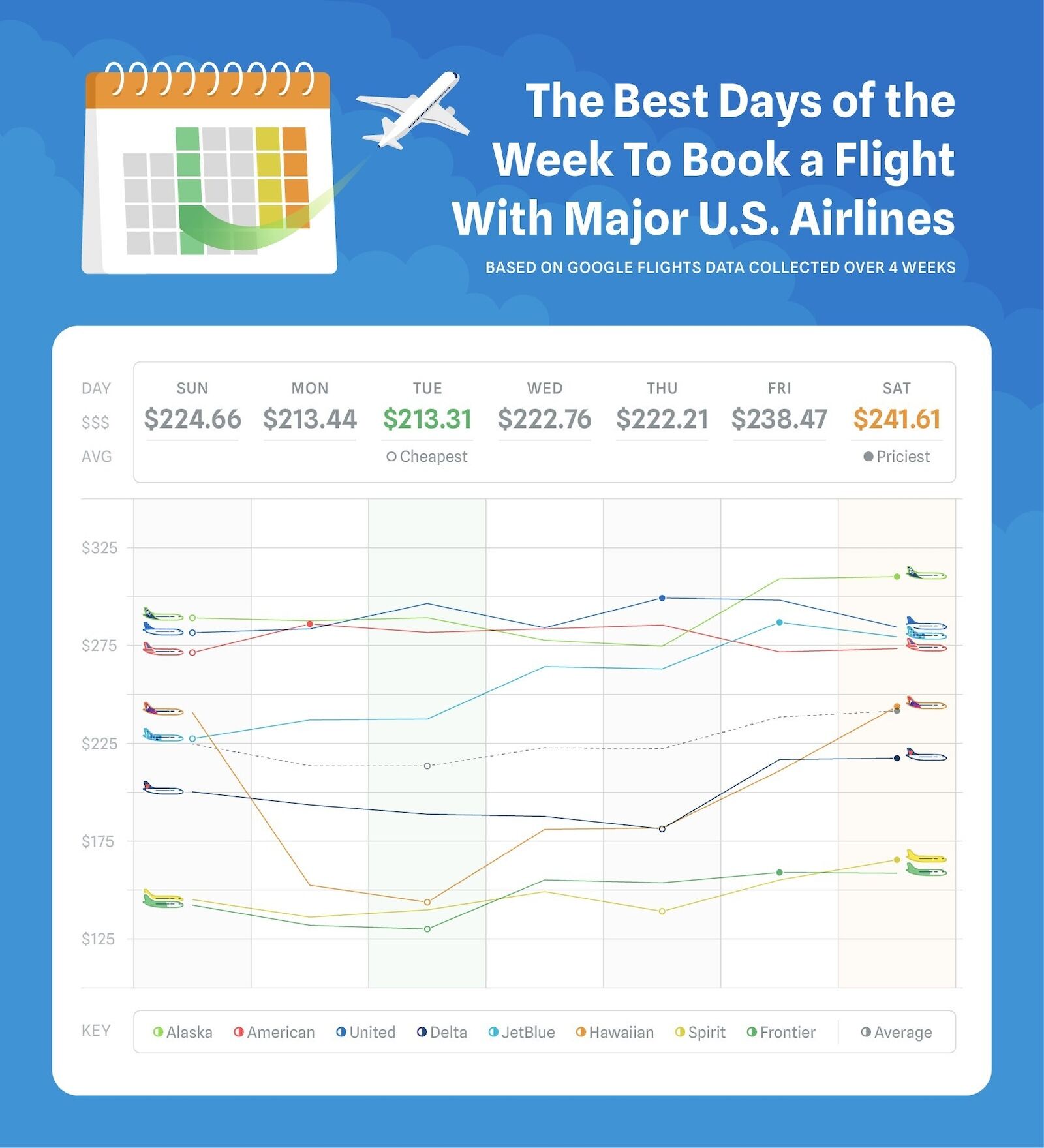
The belief that a single “cheapest day” exists to book flights is largely an outdated concept, a relic from a less sophisticated era of airline revenue management. Today, American Airlines, like its competitors, employs highly advanced algorithms that dynamically adjust prices multiple times a day based on a myriad of financial and market factors. Understanding these underlying economic drivers is crucial for any financially savvy traveler.
The Algorithm’s Invisible Hand: Dynamic Pricing and Revenue Management
At the heart of modern airline pricing is a sophisticated field known as revenue management. American Airlines invests heavily in complex algorithms and machine learning models designed to maximize profitability. These systems analyze vast datasets, including:
- Demand Forecasting: Predicting the number of passengers for a given route and date. This isn’t just about historical data; it includes real-time searches, competitor pricing, and even news events. High demand on a specific route will inevitably lead to higher prices.
- Capacity Management: How many seats are left on a particular flight. As a flight fills up, the remaining seats become more expensive due to scarcity, reflecting a classic supply-and-demand dynamic.
- Competitor Pricing: American Airlines’ algorithms constantly monitor the pricing of rival airlines on similar routes. If a competitor drops their price, American Airlines may adjust its own fares to remain competitive, or conversely, if they identify a market where they have less competition, they might increase prices.
- Historical Data: Past booking trends for specific routes, seasons, and days of the week are still influential, helping algorithms identify patterns of peak and off-peak travel demand.
- Customer Segmentation: While less direct, algorithms can sometimes infer a customer’s willingness to pay based on their search patterns (e.g., business vs. leisure traveler), though direct discrimination based on personal data for pricing is often regulated.
From a financial perspective, this means prices are in constant flux. What might be cheap one hour could be significantly more expensive the next, regardless of the day of the week. Therefore, rather than focusing on a specific booking day, a more effective financial strategy involves understanding when these algorithms tend to offer lower prices due to lower demand or increased competition.
The Impact of Demand and Seasonality on Your Wallet
One of the most significant financial factors influencing American Airlines fares is demand, which is heavily dictated by seasonality and holidays. From a personal finance standpoint, avoiding peak travel periods is arguably the single most effective way to save money on flights.
- Peak Seasons: Summer holidays, Thanksgiving, Christmas, New Year’s, and Spring Break are notoriously expensive due to high demand. Families, students, and holiday travelers all converge, driving prices sky-high. Flying during these times means paying a premium.
- Off-Peak Seasons: Generally, the shoulder seasons (spring and fall, outside of major holidays) tend to offer more financially attractive fares. January, February (excluding President’s Day), late August, September, and early December (before the holiday rush) often see lower demand, leading to more competitive pricing.
- Day of the Week for Travel: While the booking day might be less impactful, the day you actually fly is crucial. Mid-week flights (Tuesday, Wednesday, Thursday) are almost always cheaper than weekend flights (Friday, Saturday, Sunday) because business travelers typically fly Monday morning and Friday evening, and leisure travelers prefer weekend departures. This directly translates to lower operational costs for the airline on less popular days, which can be passed on as savings.
- Time of Day for Travel: Early morning (before 8 AM) and late-night (after 9 PM) flights often come with a lower price tag. While inconvenient for some, these times are less desirable, resulting in lower demand and, consequently, lower fares for the financially flexible traveler.
Debunking the “Magic Day” Myth: When Flexibility Outweighs Fixed Rules
The persistent myth of a single “cheapest day” to book flights—often cited as Tuesday or Wednesday—stems from a time when airlines manually loaded new sales or matched competitor prices once a week. In today’s automated world, this is rarely the case. While you might occasionally find a good deal on a Tuesday, it’s not because Tuesday itself possesses some inherent magical financial quality.
The Tuesday Myth and Its Diminishing Returns
The “Tuesday Myth” originated from the practice of airlines releasing sales on Monday evenings, leading competitors to match those prices by Tuesday morning. While this did create a window for cheaper bookings in the past, today’s dynamic pricing systems react instantly. A price drop on a Monday evening can be matched within minutes by competitors, and American Airlines’ own system will adjust in real-time.
Instead of waiting for a specific day, the financial savvy lies in understanding that price fluctuations are continuous. Good deals can appear at any time and disappear just as quickly. The focus shifts from when to book to how to monitor and react.
The “Sweet Spot” for Booking: A Financial Planning Guideline
While there’s no single cheapest day, there is a generally accepted “sweet spot” for booking flights in advance that tends to yield the best financial results for American Airlines and most major carriers. This window allows airlines to fill seats without resorting to last-minute price gouging or desperate discount selling.
- Domestic Flights: For domestic travel within the U.S., the ideal window is typically 1 to 3 months (30 to 90 days) prior to departure. Booking too early (e.g., 6+ months out) often means paying higher initial prices as airlines test the market. Booking too late (e.g., within 2 weeks) almost guarantees higher fares as airlines cater to last-minute business travelers or those with urgent travel needs, who are less price-sensitive.
- International Flights: For international journeys, the window extends slightly, typically 3 to 6 months (90 to 180 days) in advance. International routes involve more complex logistics, higher operating costs, and different demand patterns, necessitating a longer lead time for optimal pricing.
These are general guidelines, of course. Flexibility on your exact travel dates, airport of departure, and destination can still unearth better deals even outside these windows, but for a standard financial planning approach, these timelines are a good starting point.
The Financial Power of Flexibility
For travelers prioritizing savings above all else, flexibility is your greatest financial asset.
- Flexible Dates: Being able to shift your departure or return by even a day or two can unlock significantly lower fares. Use American Airlines’ flexible date search tools or aggregators that show a calendar view of prices.
- Flexible Airports: If you live near multiple airports, check fares from each. Sometimes, flying into or out of a smaller, less popular airport a short drive away can save hundreds of dollars, even after accounting for ground transportation costs.
- Flexible Destinations: If your goal is simply to travel cheaply, consider using “everywhere” search options on flight aggregators. You might discover an unexpected and affordable destination that fits your budget.
Smart Strategies for Finding American Airlines Deals: A Personal Finance Toolkit
Given the dynamic pricing environment, a proactive and strategic approach is far more effective than hoping for a “magic day.” Here’s a toolkit of financial strategies to help you secure the best American Airlines fares.

Leverage Price Comparison Tools and Price Alerts
In the digital age, technology is your ally in personal finance.
- Flight Aggregators: Websites like Google Flights, Skyscanner, Kayak, and Expedia allow you to compare prices across multiple airlines, including American Airlines. These tools often have features like flexible date calendars and price prediction insights.
- Price Alerts: Sign up for price alerts from these aggregators or directly from American Airlines. You’ll receive email notifications when the fare for a specific route drops, allowing you to act quickly on a good deal before it disappears. This automates the process of continuous monitoring.
- American Airlines’ Own Website: While aggregators are useful for comparison, always check American Airlines’ official website directly before booking. Sometimes, they offer exclusive deals or fares that don’t appear on third-party sites, or they might match a competitor’s price you found elsewhere.
The Incognito Mode and Cookie Clearing Tactic
There’s anecdotal evidence that airlines and travel sites may sometimes track your search history via cookies and potentially display higher prices for routes you’ve repeatedly searched. While the direct financial impact is debated and not universally proven for all airlines, it’s a simple, free financial precaution to take:
- Use Incognito/Private Browsing: When searching for flights, open an incognito or private browsing window. This prevents websites from storing cookies and potentially seeing your past search behavior.
- Clear Browser Cookies: Regularly clear your browser’s cookies and cache, especially if you’re doing extensive flight research.
Consider Connecting Flights and Alternative Airports
Direct flights are convenient, but they often come with a premium price tag. From a financial perspective, a layover can be your friend.
- Connecting Flights: Search for flights with one or more layovers. While it adds travel time, it can significantly reduce the overall fare, particularly for longer international routes.
- Fly into Smaller Airports: If your destination has multiple airports, investigate flying into a smaller, less central one. For example, instead of flying directly into a major hub like LAX, consider Burbank (BUR) or Long Beach (LGB) if it’s geographically feasible. The savings on the flight can often outweigh the cost of ground transport.
Fly During Less Popular Times
Reiterating the financial benefits of avoiding peak demand:
- Mid-Week Travel: Aim for departures and returns on Tuesdays, Wednesdays, or Thursdays.
- Early Morning/Late Night: Be willing to take the earliest or latest flights of the day.
- Shoulder Seasons: Plan your vacations for spring or fall, avoiding summer and major holidays.
- Holidays Themselves: If you must travel for a holiday, consider flying on the actual holiday itself (e.g., Christmas Day or Thanksgiving Day). These days are often less busy, and fares can sometimes be lower than the days immediately surrounding them, as most people prefer to travel before the holiday.
Beyond Booking Day: Additional Money-Saving Tips for American Airlines
Saving money on your American Airlines trip doesn’t stop once you’ve booked the flight. There are further financial considerations that can impact your total travel budget.
Maximize Loyalty Programs and Co-Branded Credit Cards
For frequent American Airlines flyers, their AAdvantage loyalty program and co-branded credit cards can be significant financial assets.
- AAdvantage Miles: Enroll in AAdvantage and ensure you earn miles on every flight. These miles can be redeemed for future flights, upgrades, or other travel perks, effectively reducing your future travel expenses.
- Elite Status: If you fly enough to achieve elite status, you unlock benefits like free checked bags, priority boarding, complimentary upgrades, and waived change fees – all of which translate to tangible financial savings.
- Co-branded Credit Cards: American Airlines partners with various banks (e.g., Citi, Barclays) for co-branded credit cards. These cards often offer:
- Sign-up bonuses of tens of thousands of AAdvantage miles.
- Free checked bags for the cardholder and companions.
- Priority boarding.
- Annual travel credits or companion certificates.
- Accelerated earning of miles on American Airlines purchases.
The annual fee for these cards can often be offset by the value of the benefits, making them a wise financial choice for regular American Airlines customers.
Avoid Unnecessary Fees: Pack Light and Plan Ahead
An often-overlooked area of travel finance is the accumulation of ancillary fees.
- Baggage Fees: American Airlines charges for checked bags on most domestic economy fares (unless you have elite status or a co-branded credit card). If possible, travel with just a carry-on and personal item to avoid these costs. Understand their baggage policy thoroughly before you pack.
- Seat Selection Fees: Basic Economy fares often do not allow free seat selection. While you’ll be assigned a seat at check-in, if you absolutely need a specific seat (e.g., aisle, window, or together with family), you might pay a fee. Factor this into your budget if it’s a necessity.
- In-flight Purchases: Avoid expensive in-flight snacks, drinks, or Wi-Fi by bringing your own provisions or planning to disconnect. These small purchases can add up quickly.
Monitor for Price Drops Post-Booking (Fare Difference)
Even after booking, keep an eye on the price of your ticket. If the fare drops significantly, American Airlines might offer a credit or refund for the difference, though this is less common with non-refundable economy tickets and often requires the fare to drop by a substantial amount (and may incur a change fee). Some third-party tools can monitor this for you. While not guaranteed, it’s a financial practice worth noting, especially if you booked a flexible fare.

Conclusion: A Strategic Approach to American Airlines Fares
The question of “what day is the cheapest to book American Airlines” no longer has a simple, direct answer. The modern airline industry operates on dynamic pricing models where algorithms, demand, and competition dictate fares minute-by-minute, not day-by-day.
From a financial planning perspective, the most effective strategy isn’t about pinpointing a mythical “magic day,” but rather adopting a holistic approach centered on flexibility, vigilance, and understanding market dynamics. By strategically planning your travel dates, utilizing price comparison tools, being open to alternative airports, and leveraging loyalty programs, you empower yourself to consistently find and secure the most financially advantageous American Airlines fares. In the complex world of air travel pricing, smart money management and a proactive approach will always be your best allies in achieving significant savings.
aViewFromTheCave is a participant in the Amazon Services LLC Associates Program, an affiliate advertising program designed to provide a means for sites to earn advertising fees by advertising and linking to Amazon.com. Amazon, the Amazon logo, AmazonSupply, and the AmazonSupply logo are trademarks of Amazon.com, Inc. or its affiliates. As an Amazon Associate we earn affiliate commissions from qualifying purchases.