
In the quest for affordable travel, few questions are as enduring and hotly debated as “what day is it cheaper to buy airline tickets?” For decades, anecdotes and widespread beliefs have guided aspiring travelers, often pointing to a specific day of the week as the holy grail for flight deals. However, in the sophisticated, data-driven world of modern airline pricing, the answer is far more nuanced than a simple calendar date. This article delves into the economics behind airline ticketing, dispelling myths and offering concrete financial strategies to secure the best possible value for your travel budget.
The Myth and Reality of the “Cheapest Day”
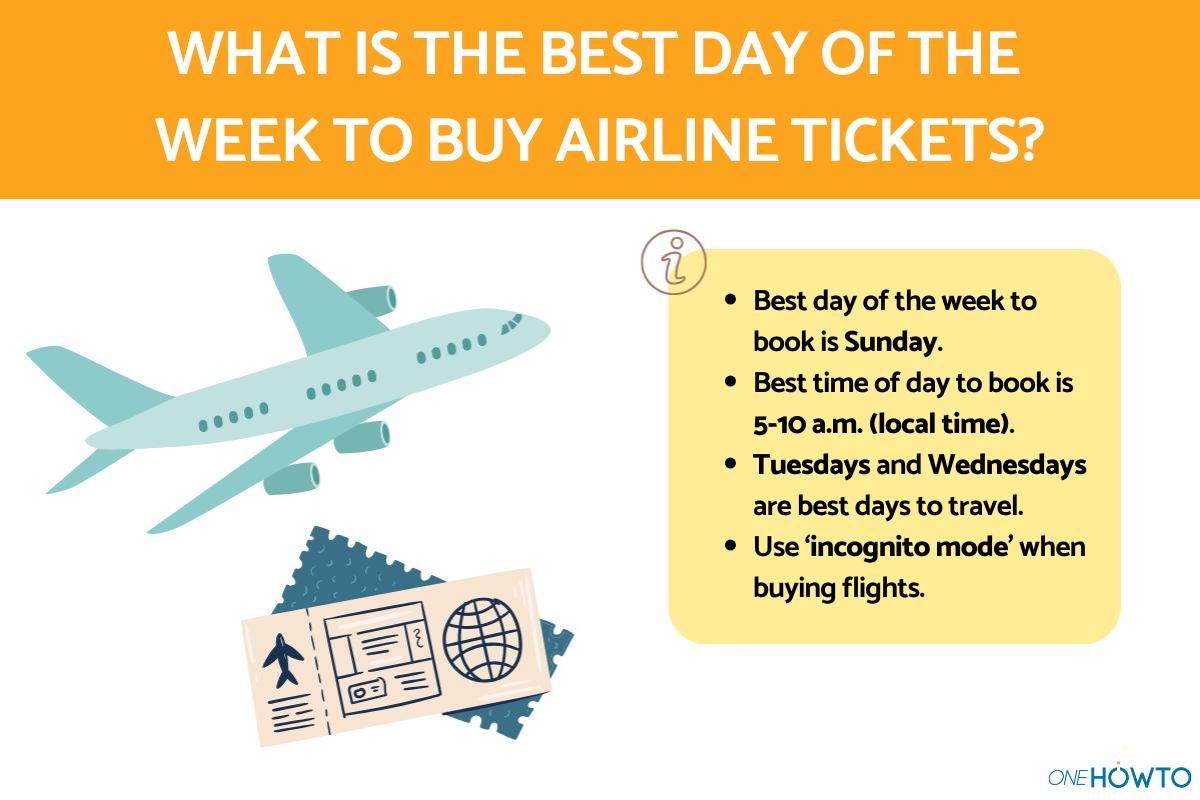
For many years, the conventional wisdom dictated that Tuesday afternoon was the absolute best time to purchase airline tickets. The logic was seemingly sound: airlines would launch their weekly sales on Monday nights, and by Tuesday afternoon, competitor airlines would have matched those prices, creating a brief window of peak affordability. While this strategy might have held some truth in a bygone era, the landscape of airline pricing has evolved dramatically.
Dispelling the Tuesday Myth
The Tuesday myth, while persistent, is largely outdated. Modern airline pricing is an incredibly complex, dynamic system driven by sophisticated algorithms and real-time market conditions, not by a fixed weekly schedule for sales. Airlines no longer operate on a rigid cycle where sales are released on specific days and then matched. Instead, prices are in a constant state of flux, reacting instantaneously to a myriad of factors. These factors include remaining seat inventory, competitor pricing, overall demand for a specific route, time until departure, historical booking patterns, and even external economic indicators.
The shift away from static pricing models means that a good deal can emerge at any moment, and conversely, a price hike can occur just as unpredictably. Relying solely on the “Tuesday rule” can lead to missed opportunities or, worse, paying more because you delayed your purchase in anticipation of a non-existent sale. The core takeaway for the financially savvy traveler is to understand that the focus should shift from when airlines release sales to how their pricing models actually work.
The Dynamic Pricing Landscape
At the heart of modern airline ticketing lies dynamic pricing, a revenue management strategy designed to maximize profitability by adjusting prices based on fluctuating demand and supply. Airlines employ highly advanced yield management systems that continuously analyze vast datasets. These systems consider:
- Seat Availability: Prices increase as fewer seats remain on a particular flight, especially in the lowest fare classes.
- Historical Demand: Algorithms learn from past booking trends for specific routes, dates, and times.
- Competitor Pricing: Airlines monitor rivals’ prices and adjust their own to remain competitive or strategically position themselves.
- Booking Patterns: Peaks in searches or bookings for a certain flight can trigger price increases.
- Time to Departure: Generally, prices tend to be lower several months out and then increase significantly in the final weeks before departure, targeting last-minute business travelers or those with inflexible plans.
This constant adjustment means that the price you see for a flight can change not just daily, but hourly, or even minute-by-minute. For the financially conscious traveler, this necessitates a proactive and informed approach rather than passive waiting for a specific calendar day.
Understanding the Economics of Flight Pricing
To effectively navigate the world of airline tickets and save money, it’s crucial to grasp the fundamental economic principles that govern flight pricing. This understanding empowers travelers to make more informed purchasing decisions.
Supply and Demand Fundamentals
The most basic economic principle at play is supply and demand. Airlines have a fixed supply of seats on any given flight. When demand for those seats is high, prices naturally rise. Conversely, when demand is low, prices tend to fall as airlines try to fill planes.
- Peak Seasons: Travel during major holidays (Christmas, Thanksgiving), school breaks, or popular vacation seasons (summer in Europe, spring break in Florida) will almost always be more expensive due to surging demand.
- Off-Peak Travel: Traveling during the “shoulder season” (just before or after peak season) or true off-peak times (e.g., late January, September) often yields significantly lower prices because demand has softened.
- Popular Routes: Flights between major hubs or to highly sought-after destinations will typically command higher prices than less popular or less direct routes.
- Specific Days to Fly: Flights on popular travel days like Fridays and Sundays tend to be more expensive than mid-week flights (Tuesday, Wednesday, Thursday) because leisure and business travelers alike prefer to extend their weekends.
Understanding these patterns allows you to align your travel plans with periods of lower demand, directly translating into financial savings.
The Impact of Advance Purchase
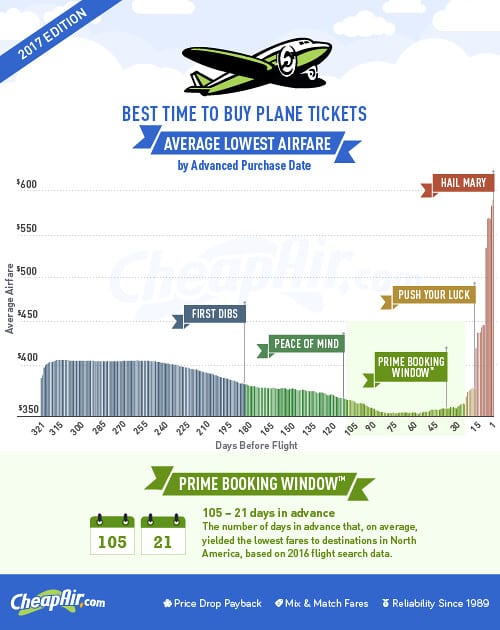
One of the most significant factors influencing ticket prices is how far in advance you book. There’s often a “sweet spot” for purchasing tickets, where prices are neither prohibitively expensive due to being too early nor inflated by last-minute demand.
- Too Early: While tempting to book a year in advance, prices right when a flight schedule is released (typically 11-12 months out) can sometimes be higher. Airlines may not yet have fully assessed demand and might price conservatively. There’s also less competitive pressure at this stage.
- The Sweet Spot: For domestic flights, this often falls between 1 to 3 months before departure. For international flights, it can extend to 2 to 8 months out. Within this window, airlines are actively managing inventory, and competition tends to be most robust. This is where financially astute travelers can find the best balance of price and availability.
- Too Late: As the departure date approaches, especially within the last few weeks, prices almost invariably skyrocket. This is because airlines know that travelers booking last-minute often have urgent, inflexible needs (business trips, emergencies) and are less price-sensitive. The lowest fare classes are typically sold out, leaving only the most expensive options.
The key financial lesson here is to start monitoring prices early and be prepared to book when you see a favorable price within this optimal window, rather than waiting indefinitely.
Airline Strategies and Algorithms
Airlines employ highly sophisticated revenue management teams and algorithms to maximize their financial returns on every flight. These algorithms are constantly at work, predicting demand, responding to competitors, and segmenting passengers. They don’t simply set one price for a seat; they manage a complex matrix of fare classes, each with different prices and restrictions, even for the exact same seat on the plane.
When you search for a flight, the price you see is the lowest available fare class that still has inventory. Once that class sells out, the price jumps to the next available, more expensive class. This continuous optimization means that the “day to buy” is less about airline staff manually changing prices on a Tuesday and more about automated systems reacting to the myriad economic inputs around the clock. Your best strategy is to become an educated consumer, understanding that these algorithms are designed to extract maximum revenue, and your goal is to find the cracks in their armor through smart planning.
Strategies for Financial Savings Beyond Just the Day of Purchase
Given that there’s no single “cheapest day to buy,” the most effective way to save money on airline tickets involves a multi-faceted approach focused on flexibility, informed decision-making, and leveraging financial tools.
Flexibility is Your Financial Friend
One of the most powerful tools in a budget traveler’s arsenal is flexibility. The more flexible you can be with your travel plans, the greater your chances of securing a lower price.
- Flexible Dates: As discussed, mid-week flights (Tuesday, Wednesday, Thursday) are often cheaper than weekend travel. Consider flying on the actual holiday itself (e.g., Christmas Day, Thanksgiving Day) as these often have fewer travelers and thus lower prices.
- Flexible Times: Early morning flights, late-night “red-eyes,” or flights with inconvenient layovers are generally less popular and therefore cheaper. If you can tolerate a less convenient schedule, you can often save a significant sum.
- Flexible Airports: If your destination has multiple airports, check prices for all of them, even if one is slightly further away. Sometimes, a lesser-used airport or one serviced by more budget airlines can offer substantial savings. For instance, flying into Baltimore (BWI) instead of Washington Dulles (IAD) for a trip to D.C. could be cheaper.
- Flexible Destinations: If you’re open to different destinations, use “everywhere” or “explore” search functions on flight comparison sites. This can reveal unexpectedly cheap flights to places you hadn’t considered, opening up new travel possibilities within your budget.

Each layer of flexibility you introduce into your planning widens the net for potential savings, directly impacting your personal finance goals.
Leveraging Price Alerts and Comparison Tools
In the dynamic pricing environment, actively monitoring prices is essential. Fortunately, a host of online tools are available to assist you.
- Flight Comparison Websites: Sites like Google Flights, Kayak, Skyscanner, Expedia, and Momondo allow you to compare prices across multiple airlines and online travel agencies (OTAs) simultaneously. These are invaluable for getting a broad overview of the market.
- Price Alerts: Many of these platforms offer price alert features. You can set up alerts for specific routes and dates, and the system will notify you via email when the price drops or changes significantly. This automates the monitoring process, ensuring you don’t miss a good deal even when you’re not actively searching. This is a crucial financial tool for busy individuals.
- Fare Calendars/Graphs: Tools like Google Flights’ price graph or calendar view can show you how prices fluctuate over a month or more, visually highlighting the cheapest days to fly within a given period.
By harnessing these financial tools, you transform passive hoping into active, informed decision-making, giving you an edge over the airline’s algorithms.
Maximizing Value: Beyond the Sticker Price
Beyond the direct cost of the ticket, consider other financial factors that contribute to the overall value of your travel.
- Consider Budget Airlines: Budget carriers like Spirit, Frontier, Allegiant (in the US) or Ryanair, EasyJet (in Europe) often offer significantly lower base fares. However, be mindful of their extensive fees for checked bags, carry-on bags, seat selection, and even printing boarding passes. Always calculate the total cost before assuming it’s the cheapest option. For a minimalist traveler, these can be great financial savers.
- Bundle Deals (with caution): Sometimes, booking a flight and hotel package together can be cheaper than purchasing them separately. However, always compare the bundled price against the individual component costs. Travel sites often offer these as incentives, but the savings aren’t always substantial.
- Clearing Browser Cookies/Incognito Mode: While the impact is debated, some travelers believe that repeatedly searching for the same flight can sometimes trigger price increases as algorithms detect increased interest. Using incognito mode in your browser or clearing your cookies before searching (or switching devices/networks) can ensure you’re seeing the most unbiased, current prices, preventing potential algorithm-driven price inflation. This is a simple financial tactic to ensure you’re not unknowingly paying a premium.
The Best Day to Fly vs. The Best Day to Buy
It’s critical to distinguish between the best day to purchase your ticket and the best day to travel. While there’s no magic day to buy, there are definitely cheaper days to fly.
Cheaper Days to Fly
As previously touched upon, the demand for flights varies significantly throughout the week, influencing prices for actual travel dates.
- Mid-Week Travel: Tuesday, Wednesday, and often Thursday are typically the cheapest days to fly. Business travelers have usually completed their Monday meetings, and weekend leisure travelers haven’t started their journeys yet.
- Saturday Departures: Interestingly, Saturday flights can sometimes be cheaper than Friday or Sunday, especially for domestic routes, as business travel is minimal and some leisure travelers prefer to leave on Friday evening.
- Off-Peak Hours: Early morning (e.g., 6 AM) and late-night (e.g., after 9 PM) flights often have lower demand and, consequently, lower prices. If you can adjust your schedule, these can be significant financial wins.
By aligning your travel dates with these less popular times, you can exploit the fundamental supply and demand economics in your favor.
The Art of Timing Your Purchase
Ultimately, the “best day to buy airline tickets” is less about a specific calendar day and more about the confluence of market conditions, your flexibility, and your diligence.
- Start Early, Monitor Constantly: Begin searching and setting price alerts well in advance (3-6 months for domestic, 6-12 months for international).
- Act Decisively When Prices Drop: When a price alert signals a good deal within your target booking window, be prepared to act quickly. Good prices don’t last long.
- Trust Your Research, Not Lore: Rely on data from price comparison sites and your own observations rather than outdated myths.
The art of timing your purchase lies in understanding the market and being prepared to capitalize on favorable conditions when they arise.
Future-Proofing Your Flight Budget
For those committed to long-term financial health and travel aspirations, there are broader strategies to make flight purchases more affordable over time.
Building a Travel Fund
Treat travel as a financial goal. Establishing a dedicated travel fund and making regular contributions, even small ones, can make a significant difference. This disciplined approach means you won’t be scrambling for funds when a good flight deal appears, allowing you to seize opportunities. Utilize budgeting apps or a separate savings account to track your progress towards this goal. This proactive financial planning reduces stress and increases your capacity to travel.
Utilizing Credit Card Rewards and Miles
Strategic use of travel-focused credit cards can unlock substantial savings. Many credit cards offer generous sign-up bonuses (often enough for a free domestic round-trip flight) and accrue points or miles on everyday spending.
- Travel Credit Cards: Look for cards that offer bonus points on travel or specific spending categories that align with your habits.
- Airline Co-branded Cards: These often provide perks like free checked bags, priority boarding, and status benefits, which can save money on fees and enhance your travel experience.
- Redemption Strategies: Learn the best ways to redeem your points or miles for flights, often yielding a much higher value than using them for cash back or gift cards.
This is a long-term financial strategy that requires responsible credit management but can significantly reduce the out-of-pocket cost of flights.
The Value of Travel Insurance (Financial Protection)
While an added upfront cost, travel insurance can be an invaluable financial safeguard. It protects your investment against unforeseen circumstances such as flight cancellations, delays, lost luggage, medical emergencies abroad, or the need to cancel your trip due to illness. Without insurance, these events can lead to significant unrecoverable expenses, turning a budget trip into a financial nightmare. Consider the cost of insurance as a small premium for peace of mind and protection against potentially much larger financial losses.
In conclusion, the quest for the “cheapest day to buy airline tickets” is less about pinpointing a specific day on the calendar and more about adopting a savvy, flexible, and informed financial approach to travel planning. By understanding the underlying economic principles, leveraging modern tools, and implementing intelligent booking strategies, you can consistently find better deals and ensure your travel budget stretches further.
aViewFromTheCave is a participant in the Amazon Services LLC Associates Program, an affiliate advertising program designed to provide a means for sites to earn advertising fees by advertising and linking to Amazon.com. Amazon, the Amazon logo, AmazonSupply, and the AmazonSupply logo are trademarks of Amazon.com, Inc. or its affiliates. As an Amazon Associate we earn affiliate commissions from qualifying purchases.