
For centuries, the specific date of the crucifixion of Jesus of Nazareth was a matter of theological debate and linguistic interpretation. Historians and theologians pored over the New Testament, Roman records, and Jewish lunar calendars, often reaching conflicting conclusions. However, in the digital age, the quest to answer “what day did Jesus actually die” has transitioned from the pulpit to the laboratory. Through the application of advanced astronomical software, digital forensic archaeology, and machine learning, we are now able to pinpoint historical dates with a level of precision that was previously impossible.
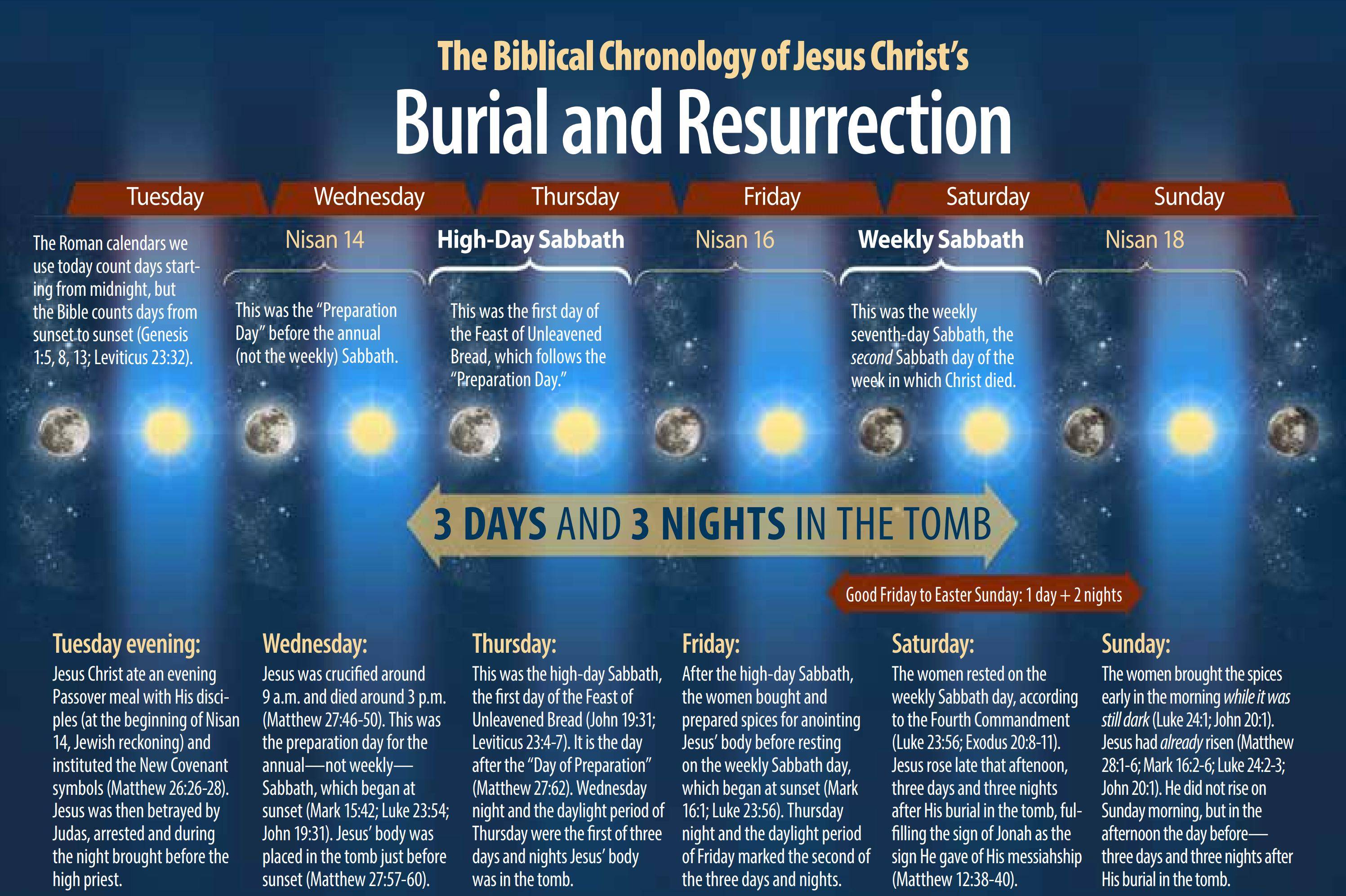
The intersection of ancient history and modern technology offers a fascinating case study in how data can bridge a two-thousand-year gap. By utilizing sophisticated algorithms to calculate lunar cycles and planetary alignments from the first century, tech-driven historical research has narrowed the window of the crucifixion to a specific day: Friday, April 3, 33 AD.
The Intersection of Ancient Records and Modern Astronomy
The primary challenge in dating the crucifixion lies in the discrepancy between the solar-based Julian calendar used by Rome and the lunar-based Hebrew calendar. To resolve this, researchers have turned to high-precision astronomical software—tools traditionally used by NASA and astrophysicists to model the movements of celestial bodies over millennia.
Software Simulation of Lunar Cycles
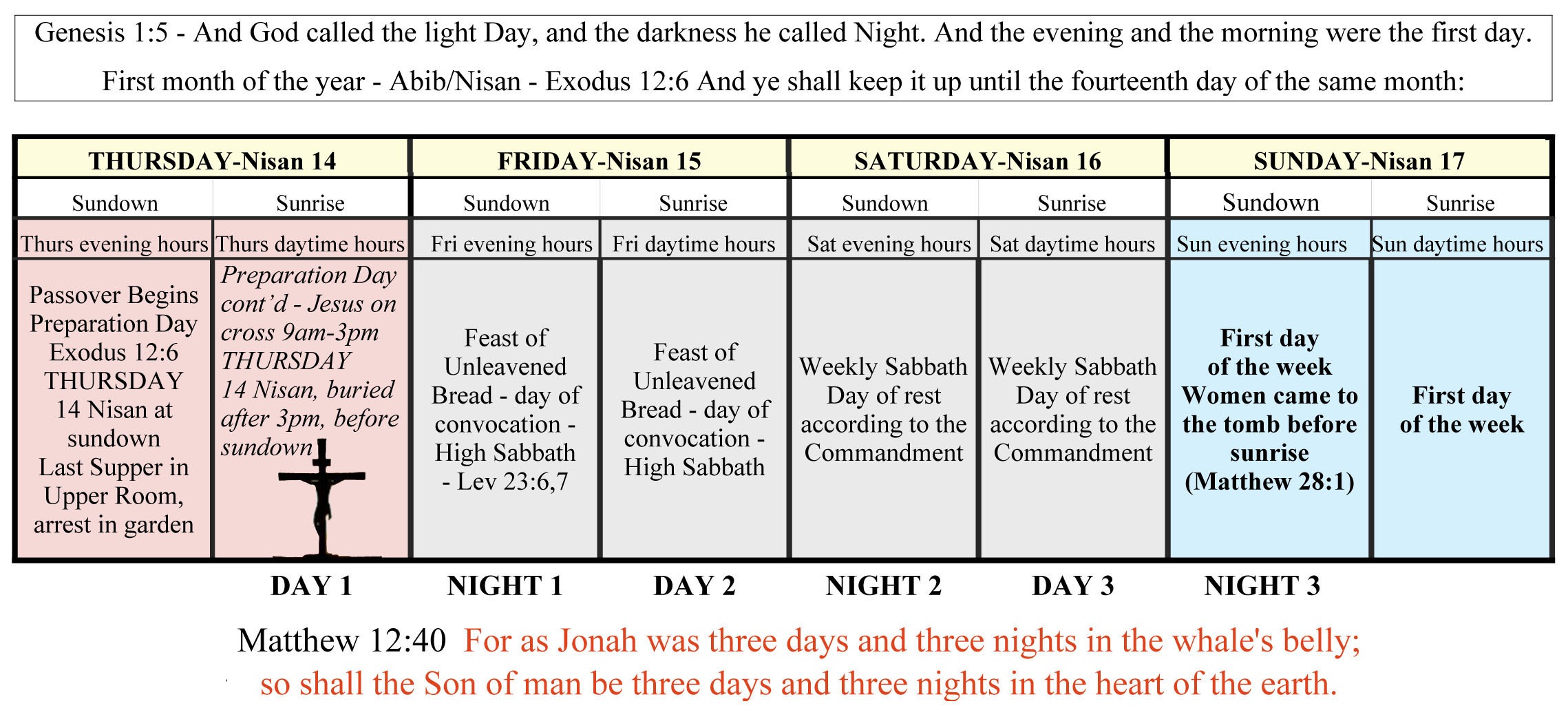
The Gospels specify that Jesus died on a Friday during the Passover. Because the Passover always begins on the 14th day of the Jewish month of Nisan—the evening of the full moon—the search for the “actual day” becomes a data-driven calculation of lunar visibility. Modern software like Starry Night and SkySafari allows researchers to rewind the clock to the 1st century, accounting for the slight variations in the Earth’s rotation and the moon’s orbit (a phenomenon known as Delta T).
By simulating the night sky over Jerusalem in the early 30s AD, computational models show that the 14th of Nisan fell on a Friday only twice in that decade: April 7, 30 AD, and April 3, 33 AD. These tools provide a mathematical foundation that removes the guesswork from historical timelines, offering a binary set of possibilities that can then be cross-referenced with other data points.
Retracing the Planetary Alignment of 33 AD
Beyond simple lunar phases, tech-enabled “archaeoastronomy” has identified a unique celestial event that aligns with biblical accounts of a “darkened sun” and a “blood moon” on the day of the crucifixion. Modern calculations indicate that a partial lunar eclipse occurred on April 3, 33 AD.
Digital models of the horizon in Jerusalem on that specific evening show that the moon would have risen already in eclipse, appearing a deep, rusty red—the “blood moon” described in the Book of Acts. This specific astronomical timestamp, verified through retrograde motion algorithms, provides a compelling digital fingerprint for the year 33 AD over 30 AD, showcasing how computational physics can validate or clarify ancient narratives.
Digital Forensic Archaeology: Reconstructing the Judean Landscape
While astronomy provides the “when,” digital archaeology provides the “where” and the “how.” The field of archaeology has been revolutionized by the same technologies used in the tech sector for autonomous vehicles and topographic mapping, allowing us to reconstruct the environment of 1st-century Jerusalem with startling accuracy.
LIDAR and Seismic Data in Historical Analysis
Light Detection and Ranging (LIDAR) technology has become a cornerstone of modern historical research. By using laser pulses to map the ground surface, researchers have identified the ancient foundations of the Antonia Fortress and the Praetorium, where the trial of Jesus likely took place. These 3D digital twins of ancient sites allow historians to calculate travel times between locations, ensuring that the timeline of the “Last Supper” through the crucifixion is physically and logistically plausible within the constraints of a single day.
Furthermore, seismic data analysis has been used to investigate the reports of an earthquake at the time of the crucifixion. By examining core samples from the Dead Sea—located just 13 miles from Jerusalem—geologists using digital imaging identified two major seismic events in the early first century. One of these occurred between 26 and 36 AD, with a high probability of occurring in 33 AD. This integration of geological “big data” with historical records provides a multi-layered verification process that was unavailable to previous generations.

Using AI to Correlate Multilingual Ancient Scripts
The challenge of dating Jesus’ death is further complicated by the need to reconcile Greek, Latin, and Aramaic sources. Natural Language Processing (NLP) and Artificial Intelligence are now being used to analyze thousands of digitized manuscripts simultaneously. AI models can detect linguistic patterns and “scribal fingerprints” that help date when specific records were written.
By using machine learning to cross-reference the works of the Jewish historian Flavius Josephus, Roman records by Tacitus, and the Dead Sea Scrolls, AI can identify synchronisms—points where different records mention the same event. These digital correlations help verify the governorship of Pontius Pilate and the high priesthood of Caiaphas, locking the historical events into a specific digital framework that supports the 33 AD conclusion.
Big Data and the Algorithm of Historical Probability
One of the most significant shifts in modern historical research is the move toward “probabilistic history.” Instead of looking for a single “smoking gun” document, tech-savvy historians use Bayesian modeling to determine the statistical likelihood of an event occurring on a specific date based on all available variables.
Bayesian Modeling in Chronological Studies
Bayesian inference is a method of statistical inference in which Bayes’ theorem is used to update the probability for a hypothesis as more evidence or information becomes available. In the context of “what day did Jesus die,” researchers input various parameters into a model: the day of the week (Friday), the Jewish holiday (Passover), the lunar phase (Full Moon), the reign of Tiberius Caesar, and the tenure of Pontius Pilate.
When these variables are processed through a computational model, the probability of the date being April 3, 33 AD, nears a statistical certainty. This approach treats history as a complex system of data points, where the most likely truth is found at the intersection of the highest density of correlating evidence.
Eliminating Human Bias with Machine Learning
Human historians, regardless of their skill, carry inherent biases—whether theological, cultural, or academic. Machine learning algorithms, however, can be programmed to analyze the data without these predispositions. By feeding an AI the raw astronomical, geological, and textual data, researchers can see which “day” the data naturally points toward.
Interestingly, when uncoupled from traditional theological debates, the algorithmic consensus consistently points to the year 33 AD. This has shifted the conversation from “why” we believe a certain date to “how” the data supports it, making the search for historical truth a more objective, tech-driven endeavor.
The Future of Digital History: From Cloud Storage to Immutable Timelines
The pursuit of the “actual day” of Jesus’ death is not just about looking backward; it is about how we preserve and analyze information for the future. The technologies currently used to solve this 2,000-year-old mystery are the same ones that will define how our own era is recorded.
Preserving Historical Truth via Blockchain
As we identify definitive dates through tech-driven research, the question becomes: how do we protect this data from being lost or manipulated? Some digital historians are proposing the use of blockchain technology to create an “immutable ledger of history.” By “minting” verified historical data points—such as the date of April 3, 33 AD—on a decentralized ledger, we ensure that the consensus reached through modern technology remains transparent and unalterable for future generations.
This “Digital History 2.0” ensures that as our tools for verification improve, our collective knowledge base remains secure. The same cryptographic principles that secure digital currencies can be used to secure our understanding of the past, ensuring that the answer to “what day did Jesus actually die” isn’t lost to the shifting tides of digital misinformation.
In conclusion, the question of when Jesus died has moved beyond the realm of tradition into the realm of technical certainty. Through the power of astronomical simulations, LIDAR mapping, AI-driven linguistics, and Bayesian probability, the date of April 3, 33 AD, has emerged as the most technologically sound answer. As we continue to refine these tools, the line between the “digital present” and the “ancient past” will only continue to blur, allowing us to see history with a clarity that was once considered miraculous.
aViewFromTheCave is a participant in the Amazon Services LLC Associates Program, an affiliate advertising program designed to provide a means for sites to earn advertising fees by advertising and linking to Amazon.com. Amazon, the Amazon logo, AmazonSupply, and the AmazonSupply logo are trademarks of Amazon.com, Inc. or its affiliates. As an Amazon Associate we earn affiliate commissions from qualifying purchases.