
Easter is unique among major global holidays because its date is not fixed to the Gregorian calendar. In 2024, Easter fell on Sunday, March 31. While for many this date signals a time for religious observance or family gatherings, for economists, retail analysts, and personal finance experts, the timing of Easter is a critical variable that dictates the flow of billions of dollars across global markets.
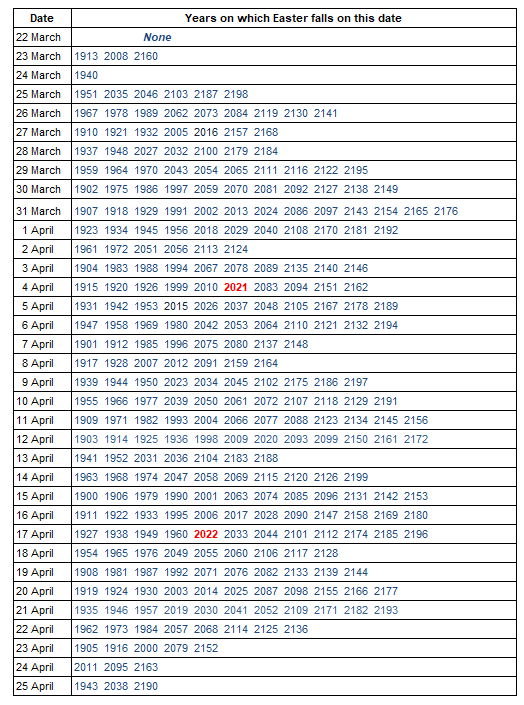
Because Easter is a “movable feast”—determined by the first Sunday after the first full moon following the vernal equinox—it can fall anywhere between March 22 and April 25. This year’s late-March placement created a specific set of financial conditions that differed significantly from years when the holiday occurs later in April. Understanding the implications of this date is essential for investors, business owners, and consumers looking to navigate the complexities of seasonal spending and market volatility.

The Financial Mechanics of a Floating Holiday
The timing of Easter has a profound impact on the structure of the financial year, particularly regarding the division of fiscal quarters. When Easter falls in March, as it did this year, it lands in the first quarter (Q1). When it falls in April, it lands in the second quarter (Q2). This “Easter shift” can create misleading data points in year-over-year financial comparisons.
Quarterly Reporting and the “Easter Shift”
For corporations, especially those in the retail and hospitality sectors, the placement of Easter in Q1 of this year presented a unique challenge for year-over-year (YoY) analysis. In 2023, Easter fell on April 9, firmly within Q2. Consequently, when companies reported their Q1 2024 earnings, many showed a significant “bump” in revenue compared to Q1 2023, simply because the holiday spending surge was pulled forward into the first three months of the year.
Investors must look past these surface-level gains to determine if a company is truly growing or if it is merely benefiting from a calendar quirk. Professional analysts often use “Easter-adjusted” figures to smooth out these fluctuations, ensuring that the underlying health of a business isn’t obscured by the timing of the moon’s phases.
Market Liquidity and the Good Friday Effect
The financial impact of Easter begins before the Sunday itself. Good Friday is one of the few days when major global stock exchanges, including the New York Stock Exchange (NYSE) and the Nasdaq, close their doors. This year, the market closure on March 29 led to a “short week” which typically sees lower trading volumes and increased volatility as traders square their positions before a long weekend.
For the personal investor, this period requires a strategic approach. Reduced liquidity can lead to wider bid-ask spreads, meaning it can be more expensive to enter or exit positions. Astute investors often plan their trades well in advance of the Easter break to avoid the “holiday drift”—a phenomenon where markets may move unpredictably on low volume during the days surrounding a major market closure.
Consumer Spending Trends and the Retail Peak
Easter is consistently ranked as one of the highest-spending holidays in the United States and Europe. This year’s March 31 date forced a compressed shopping window, as the transition from the mid-winter slump to the spring shopping season happened faster than usual.
The Billion-Dollar Confectionery and Gift Market
According to data from the National Retail Federation (NRF), total Easter spending in the U.S. frequently exceeds $20 billion. This expenditure is spread across several key categories: candy, clothing, gifts, and food. With Easter falling on the final day of March this year, retailers had to manage inventory with surgical precision.
The candy industry, in particular, operates on a massive scale during this period. For confectionery giants, the “Easter season” is a vital revenue driver that bridges the gap between Valentine’s Day and the summer doldrums. A March Easter often results in a shorter “selling season” for seasonal treats, putting pressure on retailers to move inventory quickly through aggressive marketing and early-bird discounts. For the savvy consumer, this creates an opportunity to utilize personal finance strategies—such as timing purchases to capitalize on the rapid transition from full-price holiday items to deep-discount clearance sales on the morning of April 1.
Apparel and the “Spring Refresh” Strategy
Easter has traditionally served as the unofficial kickoff for the spring fashion season. Consumers often invest in “Easter best” attire, which translates to a surge in revenue for department stores and specialty clothing retailers. However, the timing of the holiday dictates the type of inventory sold.
When Easter falls early, as it did this year, weather patterns in much of the Northern Hemisphere are still quite cool. This forces a misalignment between consumer demand and seasonal offerings. Retailers must balance the promotion of lightweight spring dresses and suits with the reality that many customers are still experiencing late-winter temperatures. From a business finance perspective, this requires sophisticated supply chain management to ensure that “bridging” inventory is available to satisfy customers who are ready to spend but not yet ready for summer attire.
Investment Strategies for Seasonal Volatility
For those focused on investing and wealth management, the Easter period offers specific signals that can be used to gauge the broader health of the economy. The “Easter Effect” is a recognized pattern that influences several asset classes.
Retail Stocks and Historical Performance
Historically, the weeks leading up to Easter can see a moderate uptick in the share prices of major retailers and consumer staples companies. Companies like Walmart, Target, and Kroger often see increased foot traffic and higher average transaction values.
However, the 2024 March Easter created a “pull-forward” effect. Investors who recognized this early were able to position themselves in consumer discretionary stocks in late February to capture the pre-holiday run-up. The key to profiting from these seasonal trends is understanding that the market often “prices in” the holiday well before it occurs. By the time the general public is asking “what day does Easter fall on,” the smartest money has already moved.
Commodities and the Cost of Celebration
The price of food commodities is another area where the Easter date leaves its mark. The demand for eggs, dairy, and meat (specifically ham and lamb) spikes significantly in the weeks preceding the holiday. This year, the early date meant that these commodity demands hit the market while many regions were still dealing with winter-related supply chain constraints.
For commodity traders and those tracking inflation, the Easter surge provides a snapshot of consumer resilience. If spending remains high despite inflationary pressures on food items, it signals to the Federal Reserve and other central banks that consumer demand is robust, which can influence decisions regarding interest rates and monetary policy.
Long-term Financial Planning for Seasonal Peaks
On a personal finance level, the movable nature of Easter highlights the importance of a flexible and proactive budget. Unlike Christmas, which is always December 25, the shifting date of Easter can catch a household budget off guard if it isn’t properly accounted for in the annual plan.
Budgeting for Holiday Surges
The average American household spends several hundred dollars on Easter-related expenses, including travel to visit family. When Easter falls in March, it often overlaps with or immediately follows Spring Break travel, creating a high-cost month that can strain cash flow.
A professional approach to personal finance involves treating Easter as a “sinking fund” category. Rather than funding the holiday out of March’s income, successful savers allocate a small amount each month into a dedicated account. This ensures that whether Easter falls in early March or late April, the funds are available without resorting to high-interest credit card debt.
Side Hustles and the Gig Economy Opportunities
The surge in demand for goods and services during the Easter season also creates lucrative opportunities for those seeking online income or side hustles. The “Money” niche isn’t just about saving; it’s about maximizing earning potential during peak periods.
- Reselling and Arbitrage: The rapid turnover of seasonal inventory provides a goldmine for resellers. Buying discounted Easter decor or specialized kitchenware on April 1 and holding it for the following year is a classic example of long-tail retail arbitrage.
- Creative Services: For freelancers in design and marketing, the “Easter shift” creates a demand for seasonal branding, social media content, and promotional graphics.
- Hospitality and Delivery: With the increase in family gatherings, gig workers in the food delivery and catering sectors often see a significant spike in tips and surge pricing during the Easter weekend.

The Macroeconomic Outlook Post-Easter
As we move past the March 31 date of Easter this year, the focus shifts to how the rest of the fiscal year will balance out. The “early Easter” of 2024 has likely front-loaded a significant portion of consumer spending into the first half of the year.
Economists will be closely watching the April and May retail sales reports to see if there is a “post-holiday hangover.” If spending remains consistent despite the absence of a major holiday, it bodes well for a soft landing for the economy. However, if retail numbers see a sharp decline in Q2, it may indicate that the Q1 growth was a localized phenomenon driven purely by the calendar.
In conclusion, while “what day did Easter fall on this year” may seem like a simple calendar query, it is a question with deep financial implications. From the way corporations report their earnings to the way individuals manage their monthly budgets, the timing of this holiday is a fundamental driver of economic activity. By understanding these seasonal mechanics, investors and consumers alike can better position themselves for financial success in any calendar year.
aViewFromTheCave is a participant in the Amazon Services LLC Associates Program, an affiliate advertising program designed to provide a means for sites to earn advertising fees by advertising and linking to Amazon.com. Amazon, the Amazon logo, AmazonSupply, and the AmazonSupply logo are trademarks of Amazon.com, Inc. or its affiliates. As an Amazon Associate we earn affiliate commissions from qualifying purchases.