
In our increasingly digital world, data is the lifeblood of almost every operation, from a multinational corporation tracking global sales to an individual managing personal finances. Yet, raw data alone holds little value without structure, organization, and a system to manage it efficiently. This is precisely where database design comes into play. Far from being a mere technicality, database design is the strategic blueprint for how data is collected, stored, retrieved, and managed. It’s the unseen architecture that underpins everything from a seamless user experience on a favorite app to the intricate financial reporting of a major enterprise, directly impacting technology, brand perception, and financial health.
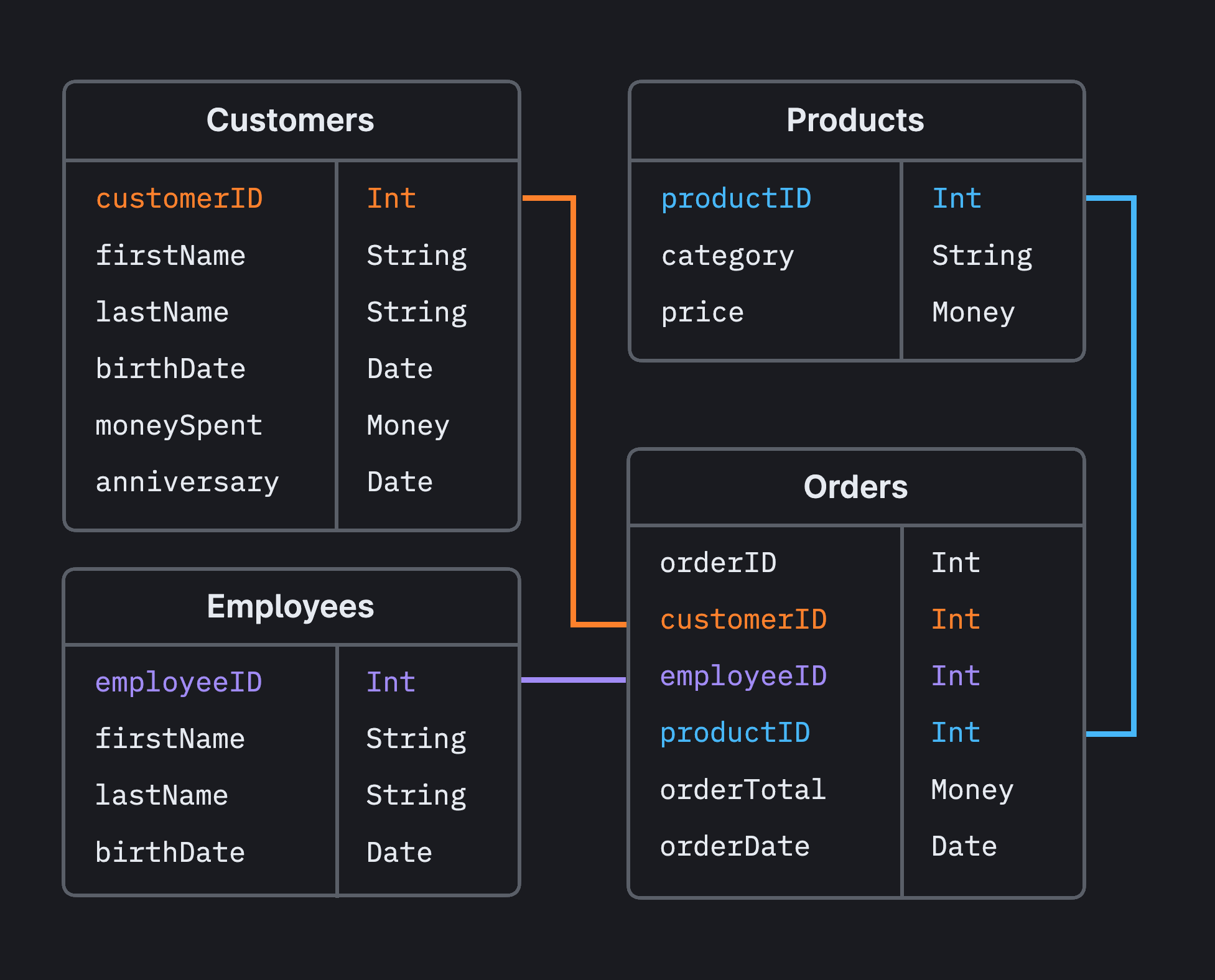
At its core, database design is the process of creating a detailed data model for a database. This model defines the structure, content, and operations of the data, ensuring it is consistent, accurate, and accessible when needed. A well-designed database doesn’t just store information; it transforms it into actionable insights, fosters operational efficiency, safeguards sensitive information, and provides a scalable foundation for future growth. Understanding what database design entails, and why it’s so critical, is essential for anyone navigating the modern digital landscape.
The Foundation of Digital Operations: Understanding Database Design
At the heart of every modern application, website, and digital service lies a database—a structured collection of information. Whether it’s storing customer profiles for an e-commerce site, transactions for a banking app, or content for a blog, databases are the silent workhorses that make these digital experiences possible. Database design, then, is the art and science of organizing this information into a logical, efficient, and robust structure. It’s about more than just picking a database technology; it’s about understanding the data itself and how it needs to be used.
The purpose of database design is multi-faceted. It aims to eliminate data redundancy, ensuring that each piece of information is stored only once, thereby saving space and preventing inconsistencies. It focuses on maintaining data integrity, guaranteeing the accuracy and reliability of the data. Furthermore, good design enhances performance, allowing for quick retrieval and manipulation of information, and ensures scalability, meaning the database can grow and adapt as the volume and complexity of data increase. Ultimately, effective database design translates directly into more reliable systems, faster operations, and a stronger foundation for digital services.
Key Principles of Effective Database Design
Effective database design isn’t arbitrary; it adheres to several core principles that guide the structuring of data for optimal performance, integrity, and maintainability.
- Normalization: This is perhaps the most fundamental principle. Normalization is a systematic approach to minimizing data redundancy and improving data integrity. It involves breaking down a large table into smaller, related tables and defining relationships between them. For instance, instead of storing a customer’s address multiple times for each order they place, the address is stored once in a customer table, and orders simply reference the customer ID. This prevents update anomalies, where changing an address in one place might leave it unchanged elsewhere, leading to inconsistent data.
- Data Integrity: Beyond normalization, data integrity ensures the accuracy, consistency, and reliability of data over its entire lifecycle. This includes entity integrity (each record has a unique identifier, or primary key), referential integrity (foreign keys accurately link to primary keys in related tables), domain integrity (data types and constraints ensure valid values, e.g., an age field only accepts numbers), and user-defined integrity (specific business rules applied to the data).
- Scalability: A well-designed database must be able to handle increasing volumes of data and user traffic without a significant drop in performance. This involves foresight in table structures, indexing strategies, and considering future growth patterns. A scalable database is crucial for businesses anticipating expansion, as it avoids costly re-architecting down the line.
- Security: Data security is paramount. Design principles must account for access controls, encryption of sensitive data (like financial information or personally identifiable information), and auditing capabilities. The database schema itself should not expose sensitive information unnecessarily, and permissions should be carefully managed at the design stage.
- Performance: Efficiency in data retrieval and manipulation is critical. This involves choosing appropriate data types, defining effective indexes to speed up queries, and structuring relationships to minimize complex joins. A database that performs poorly can cripple an application, leading to user frustration and lost productivity.
The Database Design Process
The journey from raw requirements to a fully functional database involves a structured process, typically comprising several key stages:
- Requirements Gathering: This initial phase is non-technical, focusing on understanding the purpose of the database. What data needs to be stored? How will it be used? Who will use it? What are the business rules and constraints? This involves extensive consultation with stakeholders and future users.
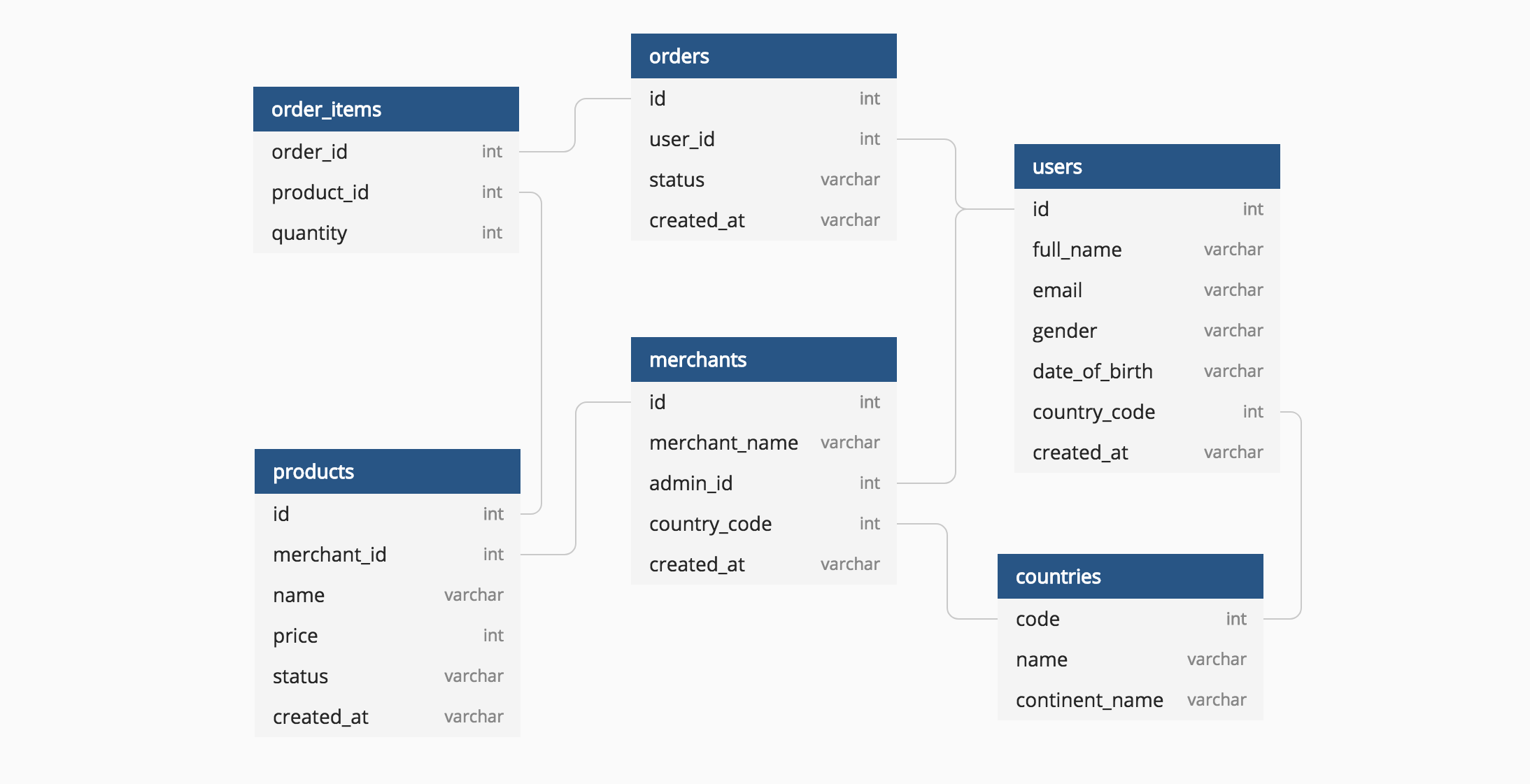
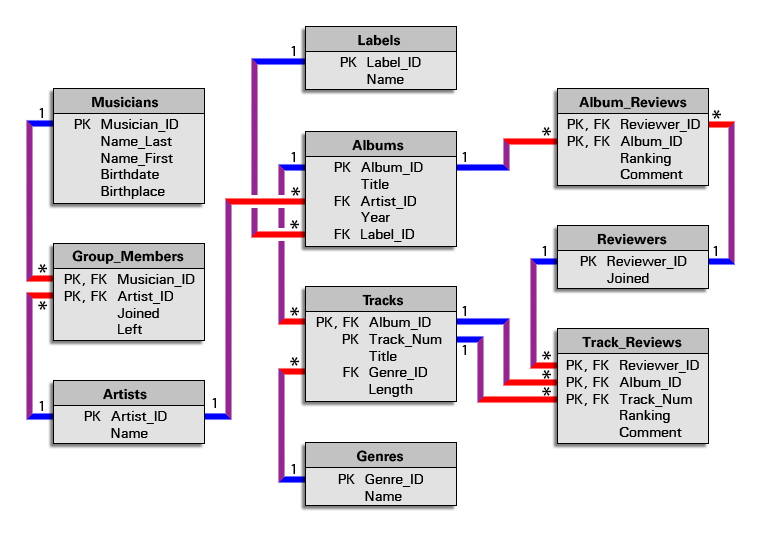
- Conceptual Design: Based on the requirements, a high-level, technology-independent model of the data is created. This often uses Entity-Relationship (ER) diagrams, which visually represent entities (objects of interest, e.g., Customers, Products), their attributes (properties, e.g., Customer Name, Product Price), and the relationships between them.
- Logical Design: The conceptual model is then translated into a more detailed, technology-specific model (e.g., relational, NoSQL). For relational databases, this involves defining tables, columns, primary keys, foreign keys, and applying normalization rules to achieve an optimal structure without considering specific database management system (DBMS) features.
- Physical Design: This is the implementation stage, where the logical design is mapped to an actual DBMS (e.g., MySQL, PostgreSQL, MongoDB). It involves specifying data types, indexing strategies, storage parameters, security settings, and other performance tuning considerations specific to the chosen database system.
Beyond Bits and Bytes: How Database Design Shapes Your Brand
While often seen as a purely technical endeavor, database design has a profound and direct impact on a brand’s identity, reputation, and customer perception. In today’s hyper-connected world, a brand’s digital presence is often its primary interface with customers, and the quality of that experience is inextricably linked to the underlying data architecture. A robust, well-designed database isn’t just about efficiency; it’s about building trust, delivering personalized experiences, and safeguarding the very foundation of a brand’s relationship with its audience.
Consider the speed and accuracy of an e-commerce website. If a customer struggles with slow page loads, incorrect product information, or botched transactions, their perception of the brand quickly sours. These issues often stem from inefficient database design or implementation. Conversely, a smooth, fast, and personalized experience reinforces positive brand attributes like reliability, innovation, and customer-centricity. Furthermore, in an era where data breaches are unfortunately common, a brand’s commitment to protecting customer information through secure database design is a non-negotiable aspect of maintaining trust and reputation.
Customer Experience and Brand Loyalty
A brand’s promise is often delivered through its digital touchpoints, and the database is the engine driving these interactions. When a customer interacts with an app or website, they expect seamless performance, accurate information, and a personalized journey.
- Speed and Responsiveness: A poorly designed database can lead to slow query times, causing frustrating delays for users. Whether it’s loading a product catalog, checking order status, or submitting a form, speed directly impacts user satisfaction. A fast, responsive system, powered by an optimized database, reinforces a perception of efficiency and professionalism, enhancing the customer experience and fostering loyalty.
- Personalization and Relevance: Brands strive to offer tailored experiences, from personalized product recommendations to targeted marketing messages. This personalization is entirely dependent on a database that can efficiently store, process, and retrieve customer data, purchase history, and behavioral patterns. A well-designed CRM (Customer Relationship Management) database, for example, allows businesses to understand their customers better, segment them effectively, and deliver highly relevant content, strengthening the brand-customer bond.
- Data-Driven Marketing: Brand strategy today is heavily reliant on data analytics. A cleanly structured database makes it easier to extract meaningful insights about customer behavior, market trends, and campaign performance. This allows marketing teams to fine-tune strategies, optimize ad spend, and develop products that truly resonate with their target audience, thereby enhancing brand perception and market position.
Data Security and Brand Reputation
In the digital age, a brand’s reputation is heavily tied to its ability to protect customer data. A data breach isn’t just a technical incident; it’s a profound blow to consumer trust and can have long-lasting, detrimental effects on a brand’s image and financial standing.
- Mitigating Breach Risks: Secure database design is the first line of defense against cyber threats. This involves implementing robust access controls, encrypting sensitive data at rest and in transit, regularly auditing database activity, and employing techniques like data masking or tokenization for non-production environments. A proactive approach to security in the design phase significantly reduces vulnerabilities.
- Maintaining Trust and Compliance: Consumers are increasingly concerned about data privacy. Brands that demonstrate a strong commitment to data protection, not just in policy but in their underlying technical architecture, build greater trust. Furthermore, adherence to regulations like GDPR, CCPA, and industry-specific compliance standards (e.g., HIPAA for healthcare, PCI DSS for payments) is often mandated by law. A database designed with these compliance requirements in mind helps a brand avoid hefty fines and reputational damage.
- Crisis Management and Recovery: In the unfortunate event of a breach, a well-designed database with proper backups and recovery mechanisms can significantly reduce downtime and data loss, allowing the brand to recover more swiftly and demonstrate resilience, which can help mitigate the long-term impact on its reputation.
The Financial Architecture: Database Design and the Bottom Line
Beyond its impact on technology and brand, database design holds immense significance for an organization’s financial health, directly influencing operational costs, revenue generation, and strategic financial planning. From managing personal investments and online income streams to handling complex business finance and budgeting, the underlying database structure dictates efficiency, accuracy, and profitability. A poorly designed database can lead to costly errors, wasted resources, and missed financial opportunities, while a robust design can be a powerful engine for financial growth and stability.
For businesses, the financial implications are profound. An efficient database reduces the operational overhead associated with data management, speeds up reporting, and supports accurate financial analysis crucial for decision-making. For individuals exploring online income, side hustles, or personal finance tools, the reliability and performance of the underlying data systems directly impact their ability to track earnings, manage expenses, and make informed financial choices. Database design, therefore, isn’t just a technical investment; it’s a strategic financial one.
Driving Operational Efficiency and Cost Reduction
One of the most tangible financial benefits of good database design is the reduction in operational costs and the boost in efficiency.
- Reduced Redundancy and Errors: A normalized database eliminates duplicate data, which not only saves storage space but, more importantly, prevents inconsistencies. In financial data, such inconsistencies can lead to incorrect reporting, faulty billing, or erroneous payment processing, all of which are expensive to correct and can incur penalties. By ensuring data integrity from the design phase, businesses save countless hours and resources that would otherwise be spent on data reconciliation and error correction.
- Faster Reporting and Analytics: Timely access to accurate financial data is critical for any organization. A well-designed database, optimized for query performance, can generate complex financial reports, sales analytics, and budget forecasts rapidly. This speed empowers finance teams to make quicker, more informed decisions, identify trends, and respond proactively to market changes. Delays in reporting, often caused by inefficient database structures, can translate into missed opportunities and strategic disadvantages.
- Streamlined Business Processes: Many business processes, from inventory management and supply chain logistics to customer service workflows and HR operations, rely heavily on integrated data. A cohesive database design facilitates seamless data flow between different departments and applications, automating tasks and reducing manual intervention. This streamlining not only saves labor costs but also accelerates operational cycles, leading to greater overall productivity.
Securing Financial Data and Enabling Growth
Beyond efficiency, database design is instrumental in safeguarding valuable financial assets and fostering revenue growth.
- Financial Data Security: Financial data is a prime target for cybercriminals. Robust database security, designed from the ground up, is non-negotiable. This includes implementing strong encryption for sensitive financial records (e.g., credit card numbers, bank details), strict access controls based on roles, comprehensive auditing logs to track all data access and modifications, and regular vulnerability assessments. Investing in secure database design protects against data breaches, which can result in massive financial penalties, legal liabilities, and a devastating loss of customer trust.
- Supporting Online Income and Business Finance: The rise of e-commerce, SaaS platforms, and various online income models (e.g., affiliate marketing, content creation) is entirely dependent on sophisticated database systems. Whether it’s processing transactions for an online store, managing subscriptions for a service, tracking affiliate commissions, or handling payment gateways, the underlying database must be designed for high availability, security, and scalability. For individuals running side hustles, simple, well-structured databases can help track expenses, calculate profits, and manage client information, directly impacting their financial success.
- Informed Investment and Strategic Decisions: Databases serve as the backbone for financial modeling, market analysis, and investment decision-making. Investors, whether individual or institutional, rely on access to accurate and timely market data, company financials, and economic indicators. A database designed to efficiently aggregate, store, and allow for complex queries on this data empowers financial analysts and investors to identify opportunities, assess risks, and optimize portfolios, directly contributing to wealth generation and sound financial strategy.
Navigating the Future: Database Design in the Age of AI and Big Data
The landscape of data is continuously evolving, driven by unprecedented growth in volume, velocity, and variety. The advent of artificial intelligence (AI), machine learning (ML), and the pervasive nature of big data have reshaped expectations for how data is managed and utilized. While new technologies and paradigms emerge, the fundamental principles of good database design remain critical. However, the design process itself must adapt to accommodate diverse data types, distributed systems, and the imperative to support sophisticated analytical workloads. Database design in this era is not just about storing records; it’s about building intelligent data ecosystems that fuel innovation and enable predictive capabilities.
The rise of IoT devices, social media, and multimedia content generates vast amounts of unstructured and semi-structured data, challenging traditional relational database models. Cloud computing has democratized access to scalable database infrastructure, and AI tools are increasingly being integrated into database management itself, from optimizing queries to automating administrative tasks. Navigating this future requires designers to not only master foundational concepts but also embrace agility, explore new database technologies (like NoSQL), and always keep the end goal of actionable intelligence in mind.
Adapting to Modern Data Landscapes
The traditional relational database, while still dominant for structured data, is no longer the sole solution. Modern data landscapes demand flexibility and diversity in database design.
- Beyond Relational: Embracing NoSQL and Polyglot Persistence: The “variety” aspect of big data—including documents, graphs, key-value pairs, and wide columns—often necessitates NoSQL databases. Database designers must now understand when to use a relational database for transactional consistency and when to leverage a NoSQL database (like MongoDB, Cassandra, Neo4j) for scalability, flexibility, and handling unstructured data. This often leads to a “polyglot persistence” approach, where different data types are stored in the database technology best suited for them.
- Cloud-Native Design: Cloud platforms (AWS, Azure, GCP) offer managed database services that provide scalability, high availability, and disaster recovery out-of-the-box. Database design in the cloud involves optimizing for cost (e.g., serverless databases), leveraging platform-specific features, and understanding distributed architectures. This often means designing for horizontal scaling and resilience across multiple availability zones.
- Data Lakes and Data Warehouses: For analytical purposes, the design now extends to data lakes (storing raw, unstructured data at scale) and data warehouses (structured, aggregated data for reporting). Database design principles apply to how data is ingested, transformed (ETL/ELT), and organized within these environments to make it ready for analysis.
Empowering AI and Advanced Analytics
The ultimate goal for much of modern data management is to feed AI and machine learning models, extract deep insights, and automate decision-making. Database design is foundational to achieving this.
- Clean and Structured Data for AI: AI and ML models thrive on clean, consistent, and well-structured data. Poor database design, leading to data inconsistencies or redundancies, directly hampers the effectiveness of AI algorithms. A robust schema ensures that features fed into machine learning models are accurate and reliable, preventing the “garbage in, garbage out” problem.
- Feature Engineering and Data Preparation: Database design plays a crucial role in making data accessible for feature engineering—the process of transforming raw data into features that better represent the underlying problem to predictive models. By designing tables and relationships intelligently, data scientists can more easily query, aggregate, and manipulate data to create valuable features for their AI models.
- Real-time Analytics and Operational AI: Many AI applications require real-time or near real-time data processing. Database designs that incorporate streaming architectures, in-memory databases, and optimized indexing can deliver the low-latency access needed for operational AI, such as real-time fraud detection, personalized recommendations, or dynamic pricing.
- Ethical AI and Bias Mitigation: Database design also has an ethical dimension. Biased data, inadvertently introduced through design choices or collection methods, can lead to biased AI outcomes. Designers must consider data diversity, fairness, and privacy from the outset to build AI systems that are equitable and responsible.
In conclusion, database design is no longer a peripheral technical task; it is a central pillar of modern digital strategy. From ensuring the smooth operation of daily tasks and safeguarding a brand’s reputation to underpinning financial stability and fueling the transformative power of AI, its influence is pervasive. As data continues its exponential growth, and new technologies emerge, the foundational principles of effective database design, coupled with an adaptable and forward-thinking approach, will remain crucial for innovation, security, and success across all sectors. Investing in robust database design is not merely an IT expense; it is an investment in the future of an organization’s technology, brand, and bottom line.
aViewFromTheCave is a participant in the Amazon Services LLC Associates Program, an affiliate advertising program designed to provide a means for sites to earn advertising fees by advertising and linking to Amazon.com. Amazon, the Amazon logo, AmazonSupply, and the AmazonSupply logo are trademarks of Amazon.com, Inc. or its affiliates. As an Amazon Associate we earn affiliate commissions from qualifying purchases.