
For any traveler, investor, or business professional looking toward the Italian peninsula, the question “what currency is Italy?” is the starting point of a much deeper financial conversation. Since January 1, 1999, Italy has been a core member of the Eurozone, officially adopting the Euro (€) as its legal tender. However, understanding the currency of Italy goes beyond simply knowing the name of the bills in your wallet; it involves understanding the economic landscape of the European Union, the practicalities of modern digital banking, and the nuances of personal finance in one of the world’s most influential economies.

As the third-largest economy in the Eurozone, Italy’s financial health and its relationship with the Euro are central to global markets. Whether you are planning a high-end Roman holiday, considering an investment in Tuscan real estate, or analyzing the fiscal policies of the Mediterranean, this guide provides a deep dive into the money of Italy.
The Evolution of Italian Money: From the Lira to the Euro
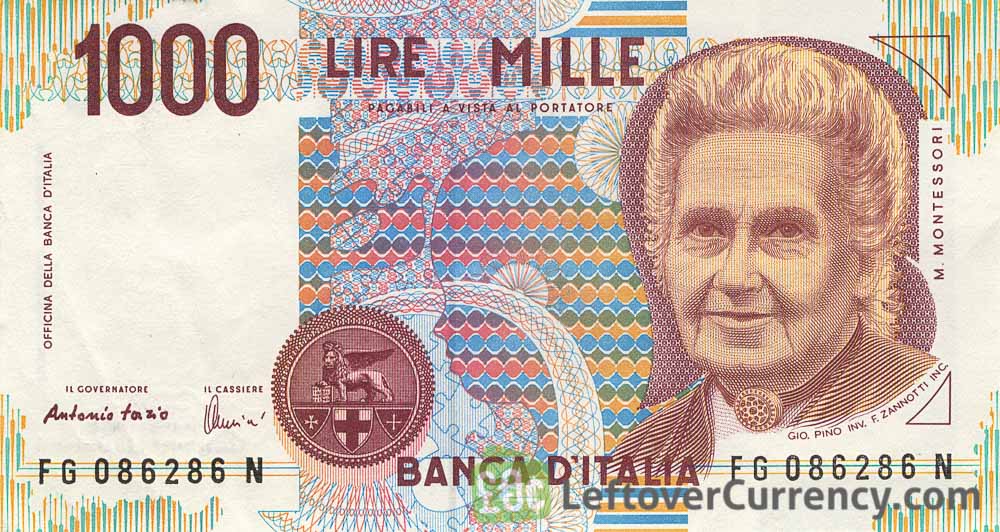
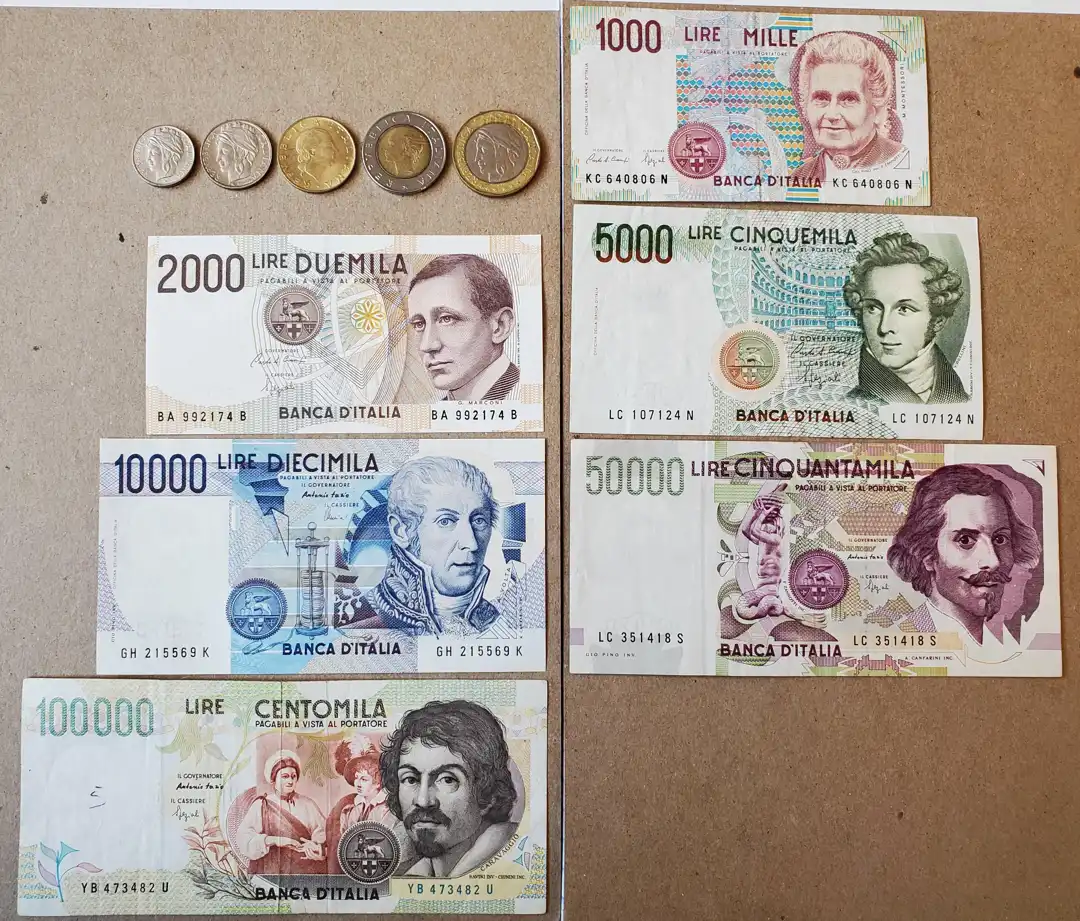
To understand the current state of money in Italy, one must look back at the historical transition that defined the nation’s modern economic identity. For over a century, the Italian Lira (ITL) was the heartbeat of the nation’s commerce. Introduced in 1861 following the unification of Italy, the Lira saw the country through world wars, industrial booms, and periods of significant inflation.
From Lira to Euro: A Brief History
The transition to the Euro was not merely a change in banknotes; it was a massive geopolitical and economic shift. Italy was one of the eleven founding members of the Eurozone. While the Euro was introduced for “bookkeeping” purposes and electronic transfers in 1999, it wasn’t until January 1, 2002, that Euro coins and banknotes physically entered circulation in Italy.
The exchange rate was fixed at 1,936.27 Italian Lire to 1 Euro. For many Italians, this transition remains a point of historical significance. While the Euro brought price stability and eliminated the need for currency exchange within most of Europe, it also led to a perceived increase in the cost of living as retailers “rounded up” prices during the conversion period.
The Impact of the Eurozone on Italy’s Economy
By adopting the Euro, Italy relinquished its ability to devalue its own currency to boost exports—a strategy frequently used during the Lira era. This forced the Italian economy to focus on structural reforms and competitiveness. Today, being part of the Eurozone provides Italy with significant benefits, including lower interest rates on sovereign debt and the elimination of exchange rate risks when trading with major partners like Germany and France. For the individual, it means that the money held in an Italian bank account is part of a massive, stable global reserve currency.
Practical Financial Strategies for Navigating Italy
For those visiting or doing business in Italy, managing personal finances requires a blend of traditional knowledge and modern fintech savvy. Italy is a country caught between a deep-rooted “cash culture” and a rapidly accelerating digital payment revolution.
Cash vs. Card: What You Need to Know
While Northern Europe has almost entirely moved toward a cashless society, Italy maintains a significant relationship with physical cash. However, legislation has changed rapidly in recent years. As of 2023, Italian law requires all merchants—from high-fashion boutiques in Milan to small gelato stands in Sicily—to accept electronic payments.
Despite this, it is wise to always carry a small amount of Euro cash. Small towns, rural markets, and some “tabacchi” (tobacco shops where you buy bus tickets) may occasionally claim their card machine is “broken” to avoid transaction fees. For the best financial experience, use a credit card for larger purchases and keep 20–50 Euros in small denominations for minor expenses.
Understanding ATMs (Bancomats) and Transaction Fees
In Italy, an ATM is known as a Bancomat. When withdrawing money, your choice of machine can significantly impact your personal finance.
- Bank-affiliated Bancomats: Use ATMs attached to major banks like UniCredit, Intesa Sanpaolo, or BNP Paribas. These usually offer the fairest exchange rates and lower fees.
- Independent ATMs (Euronet): Avoid the brightly colored “Tourist ATMs” found in high-traffic squares. These often charge exorbitant convenience fees and offer poor exchange rates.
- The DCC Trap: When using an ATM or a card reader, you may be asked if you want to be charged in your “home currency” or the “local currency” (Euros). Always choose Euros. If you choose your home currency, the machine uses “Dynamic Currency Conversion,” allowing the local bank to set a terrible exchange rate and pocket the difference.
Currency Exchange Strategies: Avoiding Tourist Traps
If you arrive in Italy with foreign currency (like USD, GBP, or CAD), avoid the exchange booths at airports and major train stations. These “Cambio” kiosks often advertise “zero commission” while hiding their profit in an exchange rate that is 10-15% worse than the mid-market rate. The most cost-effective way to get Euros is to withdraw them directly from a bank-owned ATM using a debit card that waives international fees, such as those offered by Charles Schwab, Wise, or Revolut.
Budgeting and Personal Finance for the Italian Lifestyle
Budgeting for Italy requires an understanding of the local “dual economy”—the price difference between what locals pay and what tourists are charged. Mastering your personal finance in Italy involves knowing where the hidden costs lie.
Cost of Living vs. Tourist Costs
Italy can be as expensive or as affordable as you make it. In major hubs like Venice, Florence, and Rome, prices are inflated near major monuments. However, by moving just three blocks away from a main square, the price of a coffee or a meal can drop by 50%.
- The “Coperto”: When dining out, you will often see a charge of 1€ to 3€ per person labeled as “Coperto.” This is a standard cover charge for the table, bread, and linens. It is not a tip; tipping in Italy is appreciated but not mandatory, as service is generally included in the price or the cover charge.
- Coffee Culture Finance: Standing at the bar for an espresso usually costs 1.10€ to 1.30€. If you sit down at a table in a prime location, that same coffee might cost 5€ or more.
Managing Taxes: VAT (IVA) and Tax-Free Shopping
For those purchasing luxury goods—an industry where Italy leads the world—understanding the Value Added Tax (VAT), known locally as IVA, is essential. The standard IVA rate is 22%.
If you are a non-EU resident, you are eligible for a VAT refund on purchases over a certain threshold (usually around 155€). When shopping at brands like Gucci, Prada, or local leather artisans, ask for a “Tax-Free” form. By getting this form stamped at the airport when you leave the EU, you can recoup a significant portion of the purchase price, effectively giving yourself a 12-15% discount on high-end investments.
The Future of Money in Italy: Digital Payments and Fintech
Italy is currently undergoing a digital transformation. The government has introduced various incentives, such as the “Cashback” initiatives in recent years, to encourage consumers to move away from cash and toward traceable digital transactions to combat tax evasion.
The Rise of Mobile Wallets
Apple Pay, Google Pay, and Samsung Pay are now ubiquitous in Italian cities. Even “contactless” credit cards are the norm. A significant player in the Italian fintech space is Satispay, a homegrown mobile payment app used by millions of Italians to send money to friends and pay at stores without using the traditional credit card circuits. For an expat or a long-term visitor, adopting these tools is the most efficient way to manage daily liquidity.
Cryptocurrency Regulation in Italy
For the forward-thinking investor, Italy has begun clarifying its stance on digital assets. In 2023, the Italian government introduced a 26% capital gains tax on crypto-asset trading profits exceeding 2,000 Euros per tax period. While Italy is not yet a “crypto-first” economy, the presence of Bitcoin ATMs in Milan and Rome shows a growing interest in diversifying away from traditional fiat currency.
Conclusion: Navigating Italy’s Financial Waters
What currency is Italy? While the technical answer is the Euro, the practical answer involves a sophisticated blend of traditional cash management and modern digital tools. By understanding the history of the Lira, the mechanics of the Eurozone, and the nuances of local banking and taxes, you can navigate the Italian economy with confidence.
Whether you are budgeting for a pizza in Naples or managing a corporate account in Milan, the key to financial success in Italy lies in preparation. Use bank-owned ATMs, always pay in the local currency (EUR), take advantage of VAT refunds, and embrace the digital payment revolution. Italy is a country of immense beauty and economic complexity; handling your money correctly ensures that you can focus on the “Dolce Vita” rather than the “Dolce” price tag.
aViewFromTheCave is a participant in the Amazon Services LLC Associates Program, an affiliate advertising program designed to provide a means for sites to earn advertising fees by advertising and linking to Amazon.com. Amazon, the Amazon logo, AmazonSupply, and the AmazonSupply logo are trademarks of Amazon.com, Inc. or its affiliates. As an Amazon Associate we earn affiliate commissions from qualifying purchases.